


















A massive security arrangement across the national capital has led to heightened discussions regarding urban movement and law enforcement measures. The establishment of intensive checkpoints, road blocks, and large-scale deployment of personnel has noticeably altered the daily atmosphere on city streets, drawing reactions from public figures navigating the capital during late hours.
Extensive Barricading and Heavy Force Presence
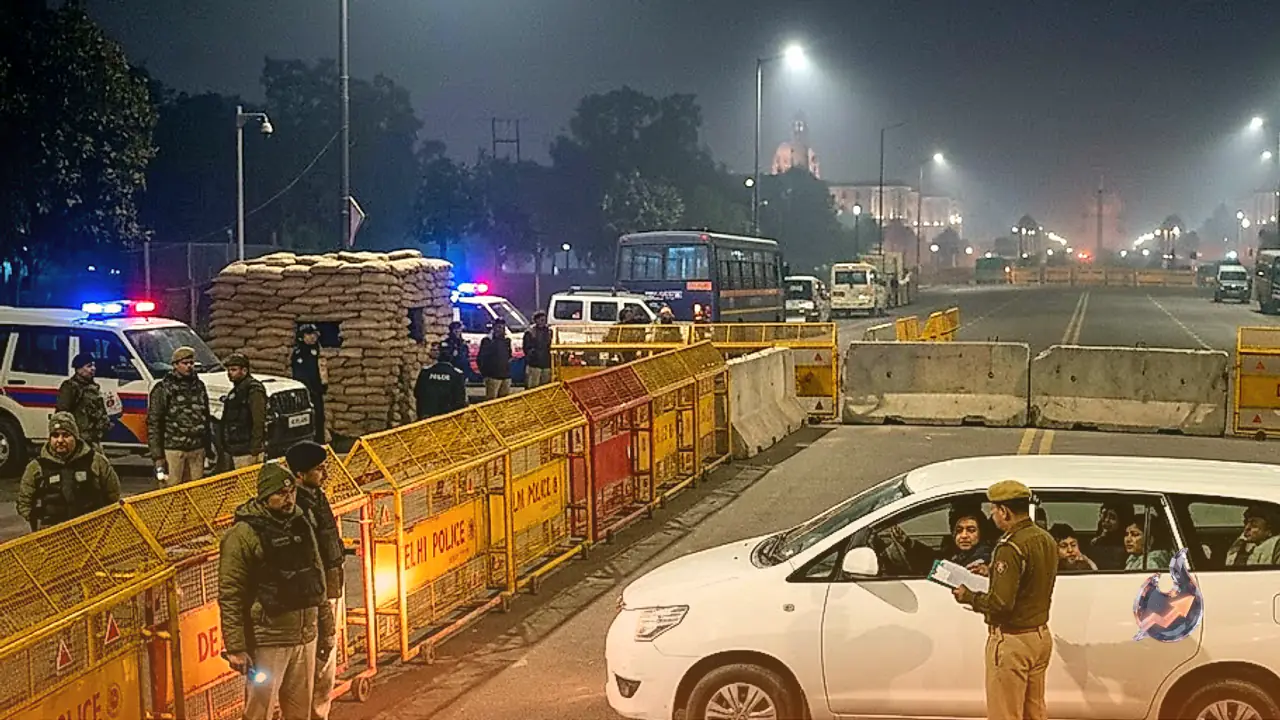
Key transport corridors and strategic points throughout Delhi have been placed under strict surveillance. Checkpoints have been erected every few hundred metres to inspect moving vehicles and monitor traffic flow. To fortify these control zones, authorities have positioned heavy concrete barriers alongside spike strips laid directly across roads. Approximately 22,000 personnel from the police and paramilitary wings have been stationed at critical locations across the city to maintain public order and secure vital zones.
Concerns Raised by Shashi Tharoor
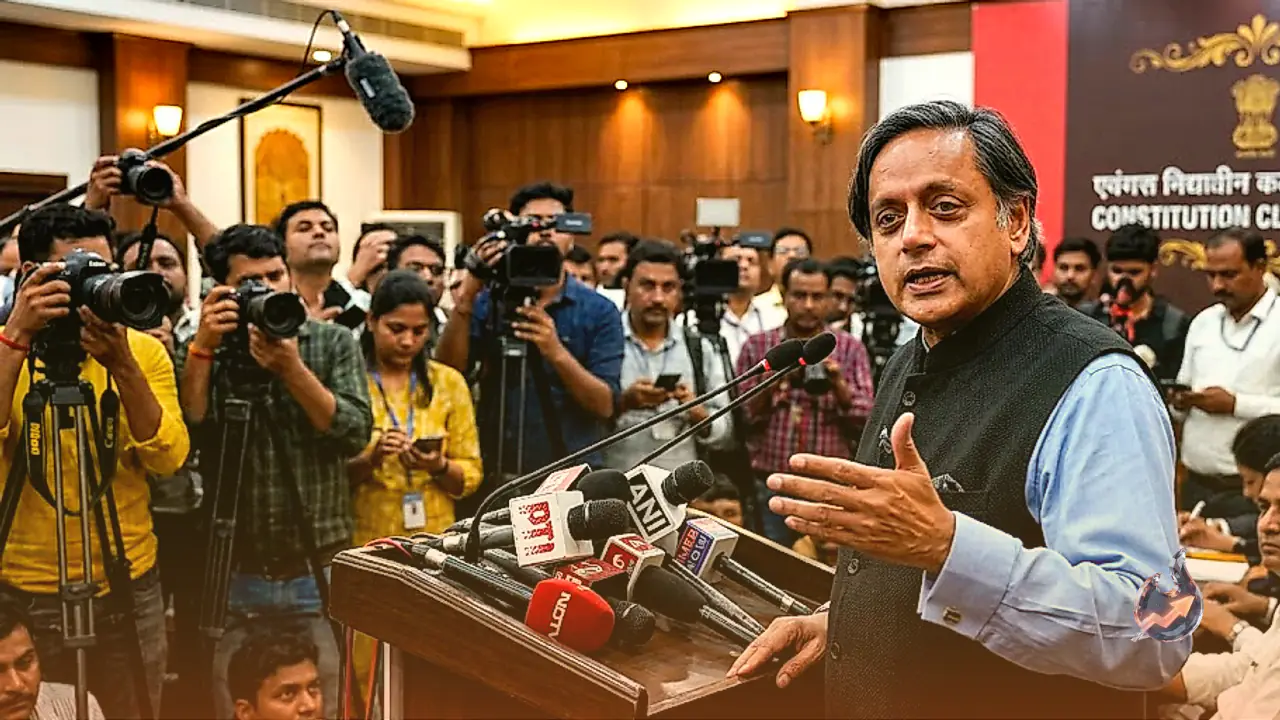
Detailing his firsthand observations upon arriving in the capital after 2 am, Shashi Tharoor wrote on X that he had rarely encountered conditions quite like those currently visible on Delhi streets. He described the widespread placement of concrete barriers, road spike strips, and the presence of 22,000 police and paramilitary personnel as resembling a war-like deployment, questioning the necessity of such an overwhelming security presence in regular civilian areas.
Public Reaction and Differing Viewpoints
The situation and the remarks sparked a wide spectrum of opinions among the public. A segment of citizens supported the rigorous security measures, viewing the heavy deployment as an essential step by law enforcement agencies to maintain peace and prevent any disruption, while others raised concerns regarding public convenience, vehicular movement, and permissions for peaceful demonstrations.