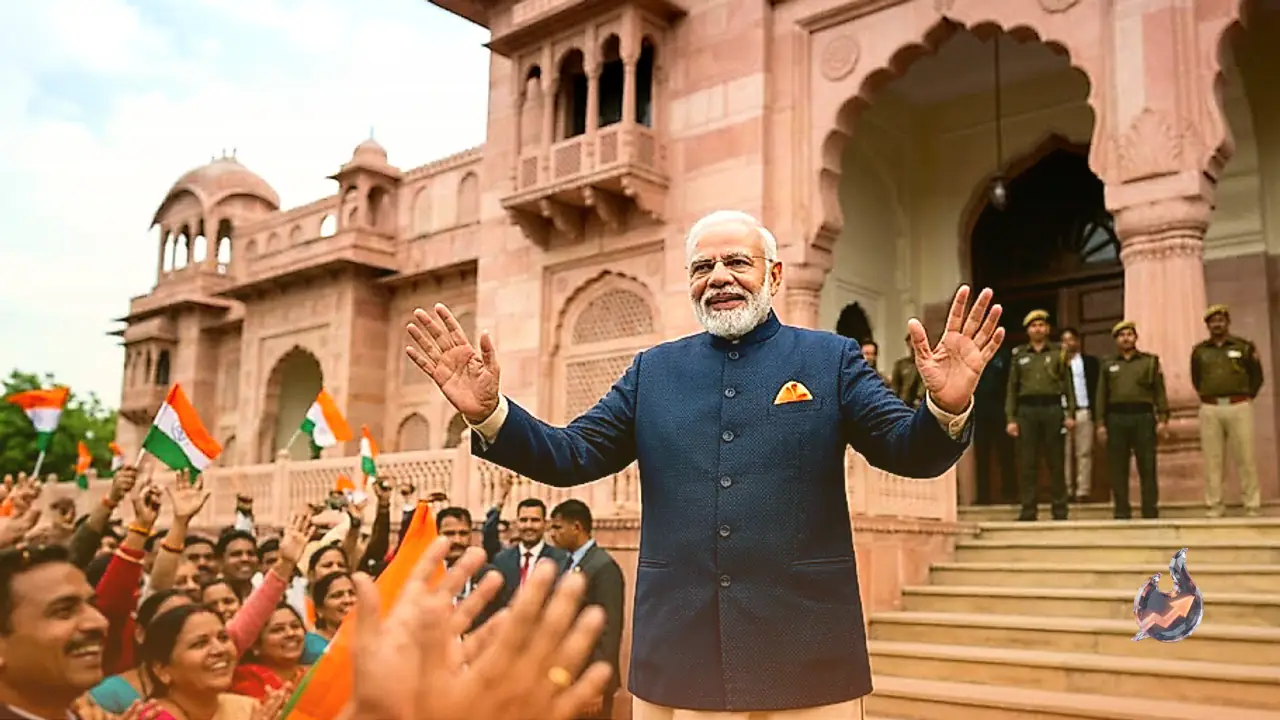





















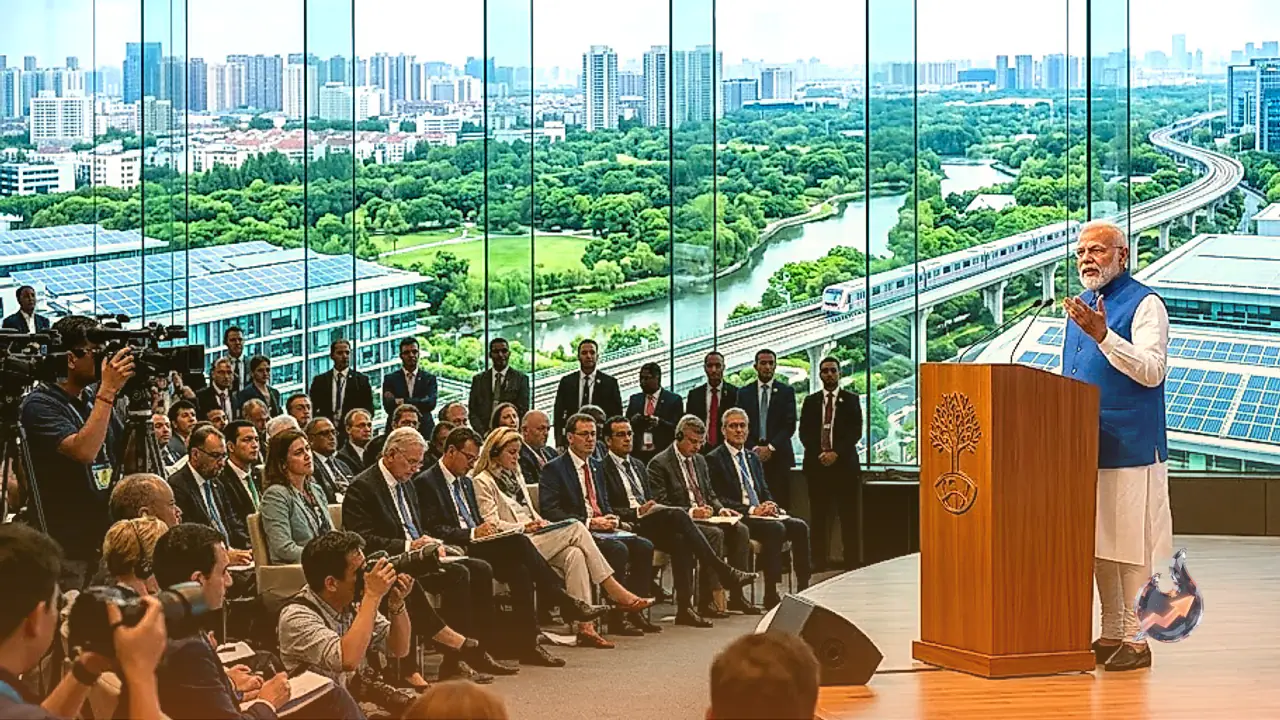

Emerging economies often face the difficult challenge of balancing industrial expansion with ecological preservation. Addressing this debate, Narendra Modi highlighted that infrastructure creation and environmental protection are not mutually exclusive, but rather complementary priorities. Speaking at a high-level conference, he emphasized that practical policies can enable nations to achieve robust economic momentum while actively safeguarding the natural ecosystem.
Global Forum on Climate Dynamics and Sustainability
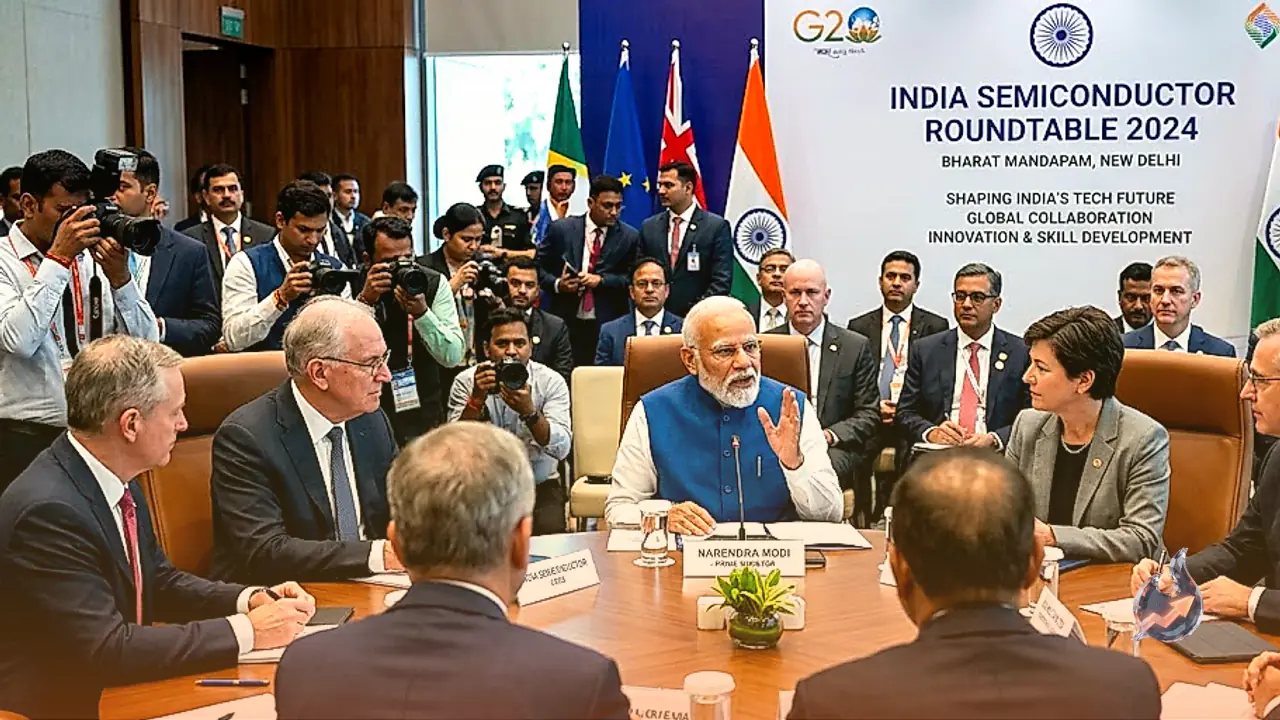
The International Conference on the Future of Environment and Climate Dynamics brought together global policymakers, researchers, and environmental advocates. Discussions focused heavily on how fast-growing nations can meet mounting energy demands, generate employment, and scale up manufacturing without causing irreversible harm to local ecosystems. The sessions also reviewed practical models such as community forest management, renewable energy adoption, and the promotion of a circular economy.
Key Remarks by Narendra Modi
Sharing the core message of his conference address, Narendra Modi stated that India is showing how development and environmental sustainability can go hand in hand. He pointed out that emerging economies no longer need to accept the outdated narrative that prosperity requires environmental devastation. Instead, national strategies can integrate green energy deployment, clean mobility standards, and resource conservation directly into the central growth plan.
Policy Landscape and Domestic Implementation
While international forums such as BRICS consistently reaffirm climate commitments, domestic policy debates within India continue to examine statutory frameworks. Discussions often center on the practical implementation of longstanding environmental statutes, including the Environment Protection Act, Forest Conservation Act, Wildlife Protection Act, and Water Pollution Control measures. Policy analysts note that sustainable urban planning and stringent compliance monitoring will remain decisive factors in achieving long-term climate resilience.
Public Reaction
The address prompted widespread engagement across digital platforms, drawing a mix of optimism and critical scrutiny. Supporters highlighted significant strides in rooftop solar capacity and national green cover, whereas environmental observers urged continued vigilance regarding industrial exemptions and the preservation of sensitive ecological zones.