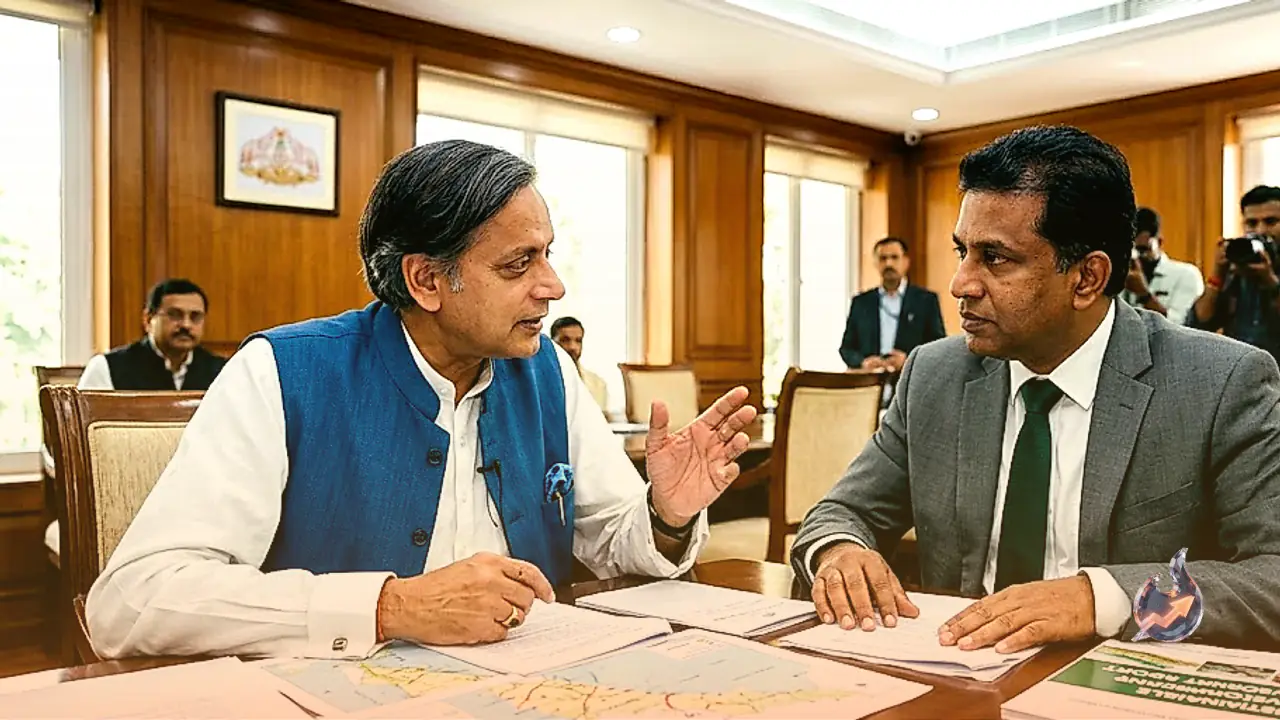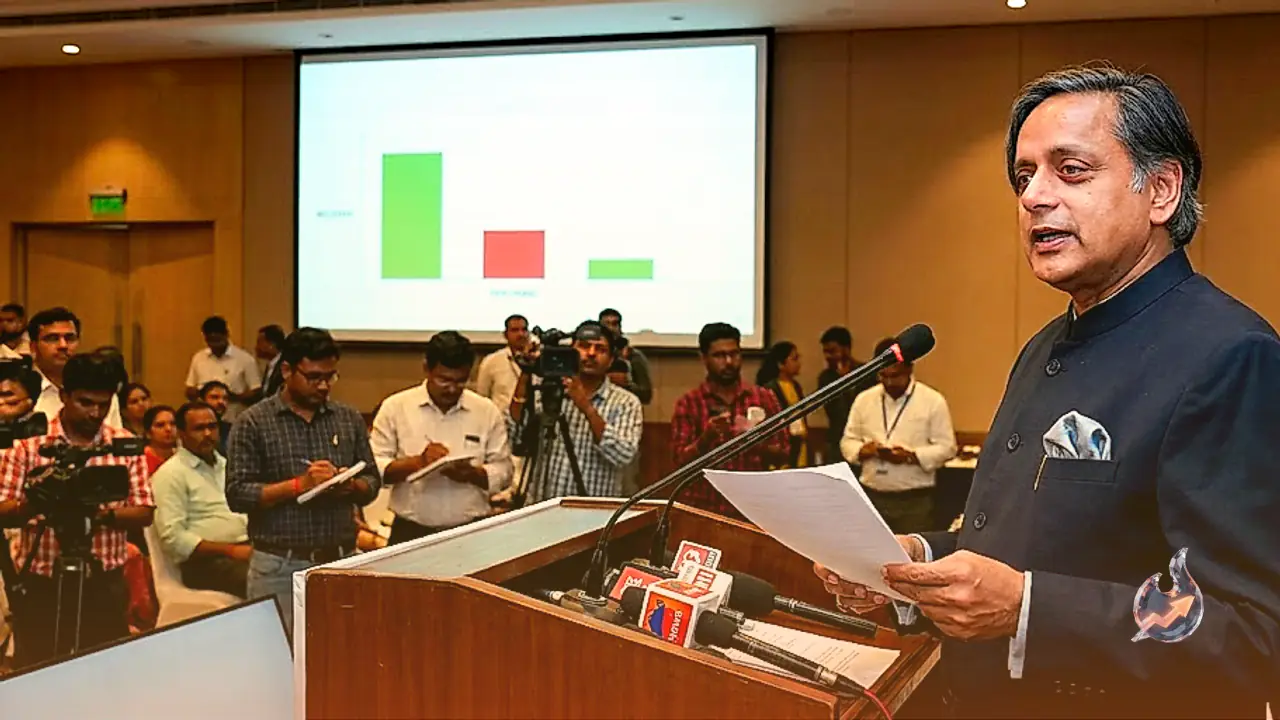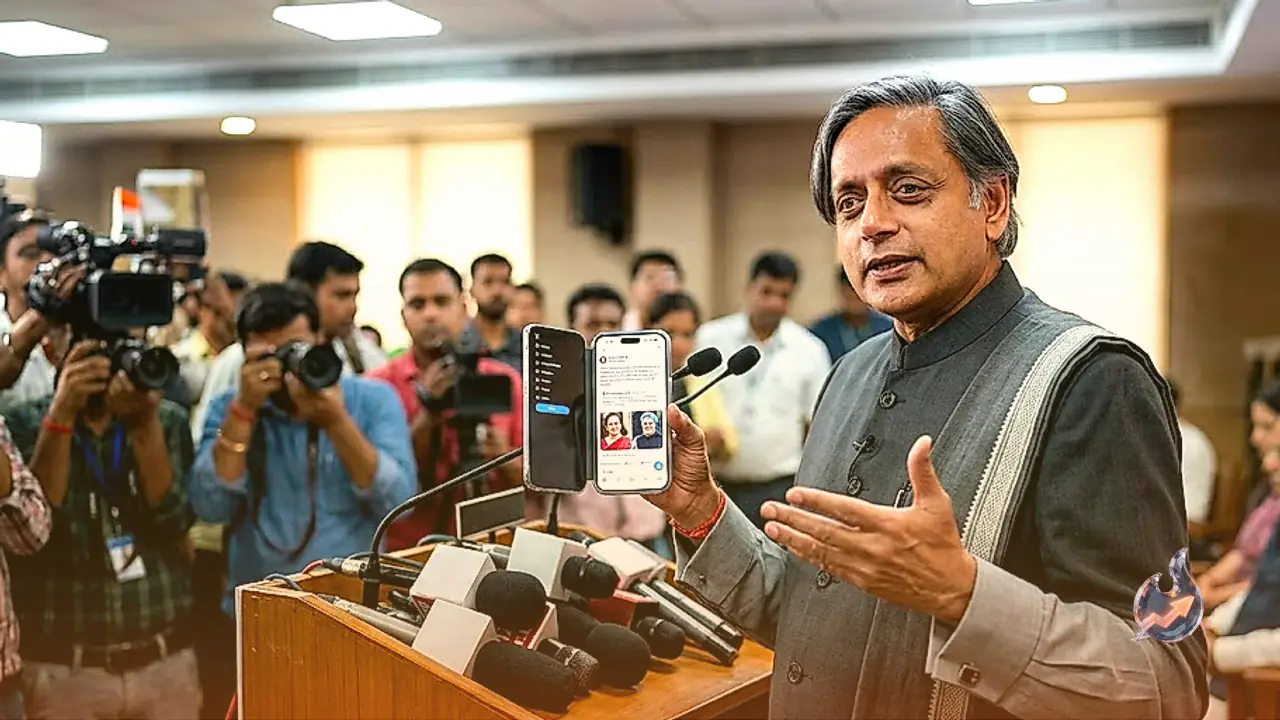





















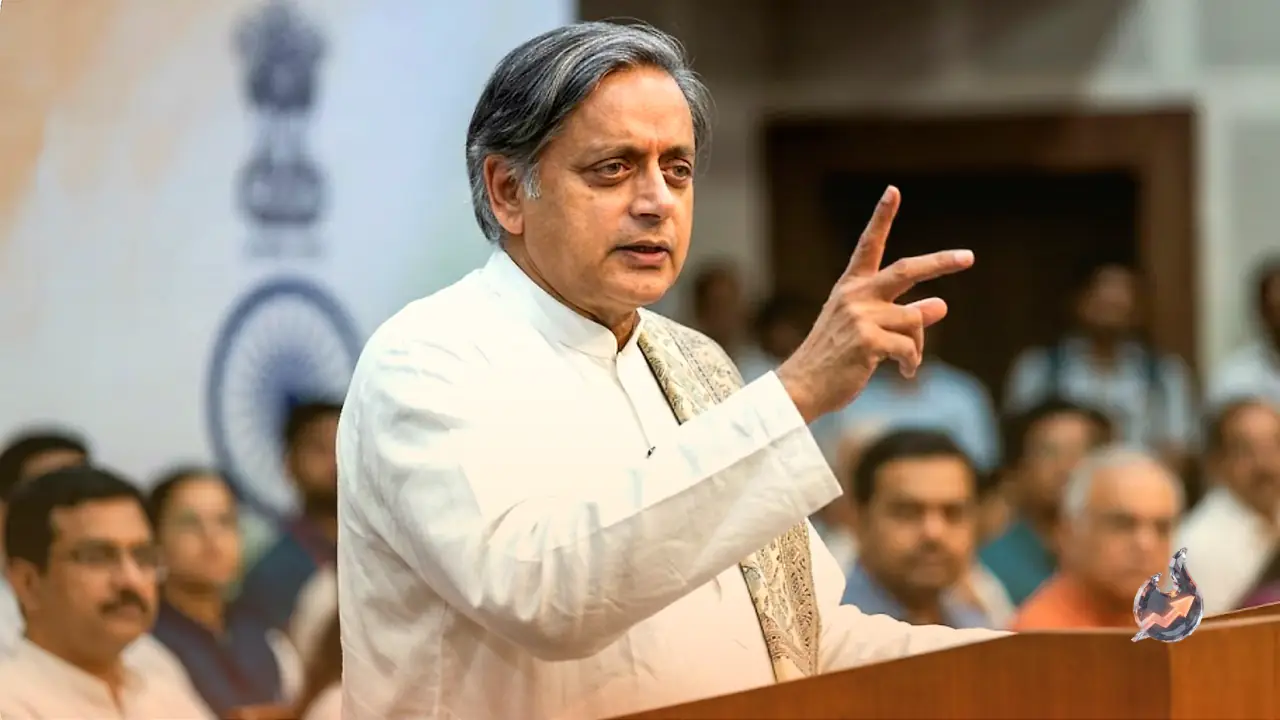

The persistent ambiguity around what qualifies as valid proof of citizenship in India has drawn pointed criticism from Shashi Tharoor, who raised the issue publicly on social media platform X, arguing that Indian citizens deserve far better than to remain in a state of uncertainty about their own national identity.
What Tharoor Posted
In his post on X, Tharoor wrote:
"Our country deserves better than to be in limbo on what constitutes a proof of citizenship. Our hearts, our mirrors, tell us we're Indian, but our government maddeningly does not! Here's a simple way out of this situation:"
He made the case that every Indian citizen carries an instinctive, deeply felt sense of national belonging, yet the administrative system fails to reflect or validate that in a clear, consistent manner. He described the situation as maddening and pointed to a straightforward solution, sharing a link in the same post that outlines the way forward.
Background
According to news reports, the question of whether governments are truly living up to their founding ideals and obligations to citizens is a debate that has surfaced across multiple democracies in recent times. The tension between what a nation's founding principles promise and what citizens actually experience in their dealings with the state has become a recurring theme. This broader conversation lends weight to Tharoor's argument that citizenship, as the most foundational of rights, deserves unambiguous legal clarity rather than bureaucratic drift.
Public Reaction
The post generated considerable public engagement. Many agreed that clearer standards around citizenship proof are long overdue, with some suggesting the practical step of offering a dedicated citizenship certificate at the time of passport renewal for those who want an ironclad domestic document. Others raised the concern that requiring millions of Indians to repeatedly establish their citizenship points to a systemic failure, and that such rights should be straightforward, equal and free from unnecessary uncertainty. A section of respondents also cautioned that the existing trust deficit in society, layered on top of confusion about what documentation is required, creates conditions ripe for a much deeper crisis.