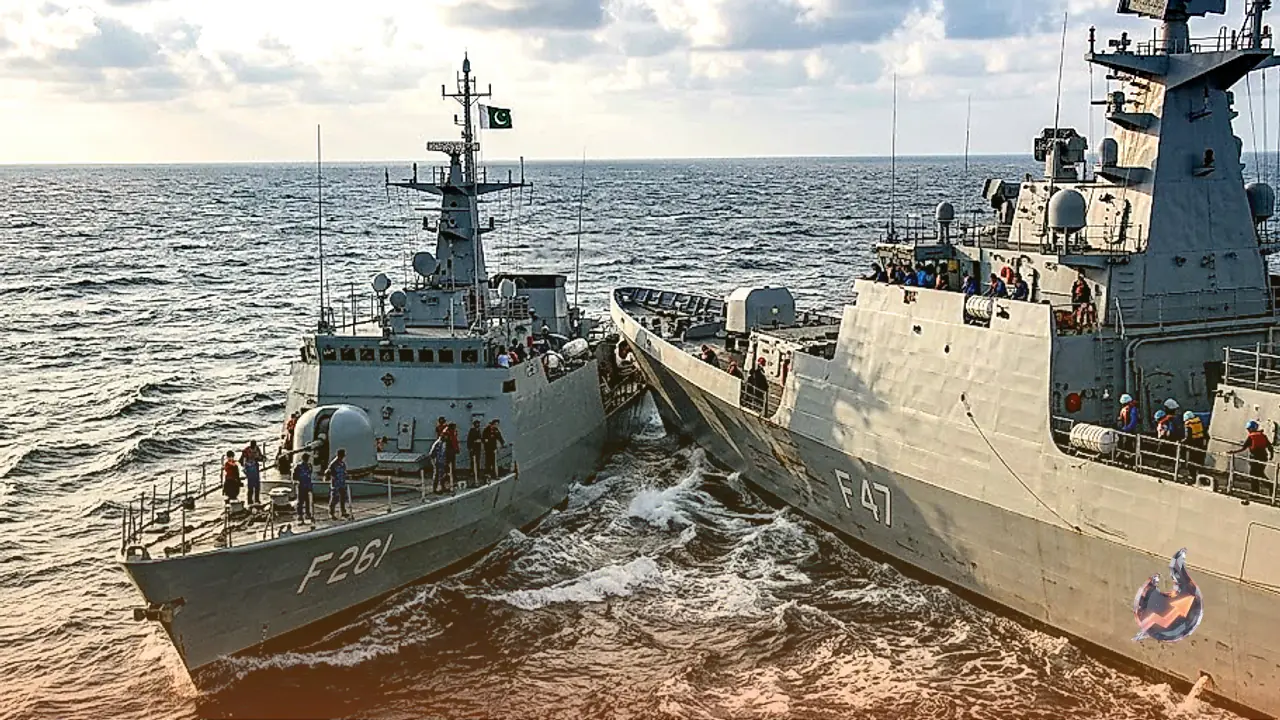
























A high-seas standoff in international waters of the Arabian Sea has ignited fresh diplomatic tensions between two historic rivals. The close-quarters incident involving Indian warship INS Kolkata and Pakistani patrol vessel PNS Hunain has prompted both governments to issue stern diplomatic protests, sharply raising concerns over the breakdown of long-standing bilateral maritime safety mechanisms.
Dangerous Manoeuvres and Direct Impact in International Waters
The dangerous confrontation took place on September 15 while naval units were navigating adjacent patrol corridors. Standard international maritime conventions mandate strict distance protocols to prevent accidental collisions on the high seas. The patrol craft executed abrupt navigational adjustments close to the frontline destroyer INS Kolkata, ignoring basic navigational safeguards and resulting in direct contact between the hulls. Such risky maneuvering in open waters represents a serious disregard for professional seafaring norms.
Summons and Counter-Accusations at the Diplomatic Table
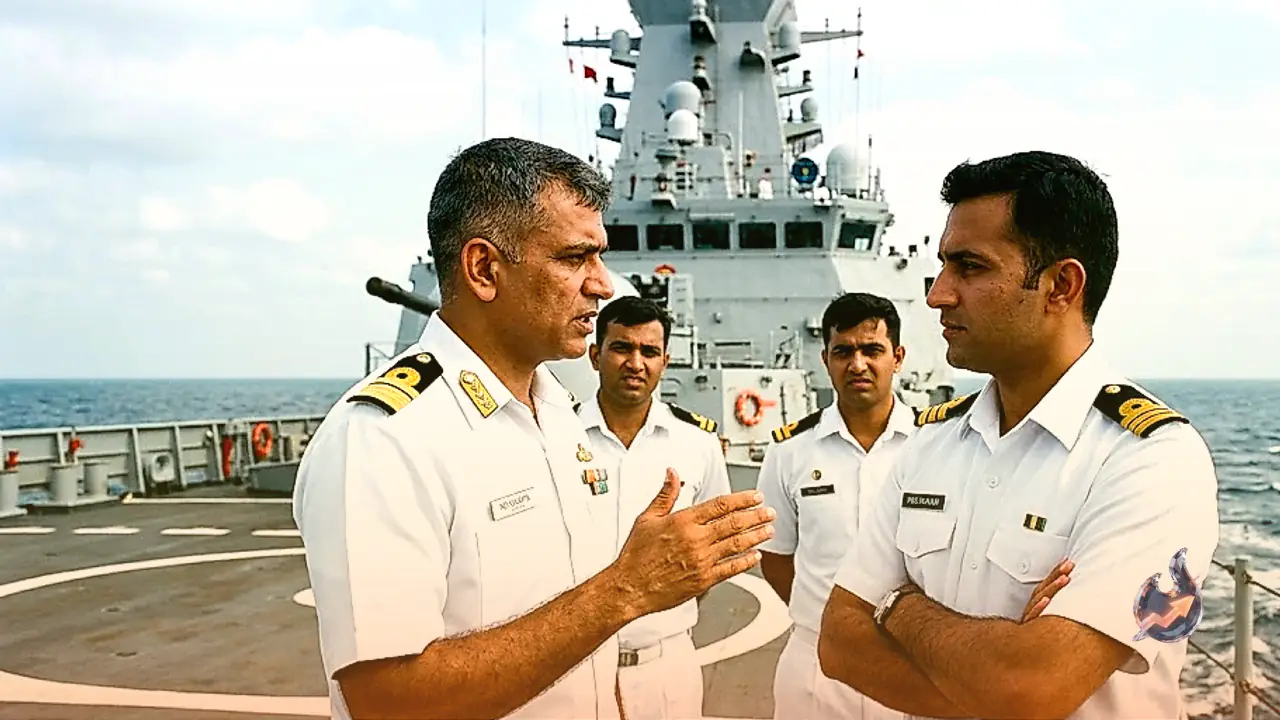
In response to the incident, the Ministry of External Affairs in New Delhi promptly summoned the chargé d'affaires of the Pakistan High Commission to convey strong disapproval of the reckless navigation observed by its naval vessel. Islamabad countered within hours by calling in the Indian diplomat posted in the capital. The foreign ministry of Pakistan alleged that the presence of the Indian warship and an accompanying helicopter within its Exclusive Economic Zone constituted provocative activity that disrupted routine maritime boundaries.
The Timeline and the SEASPARK-26 Exercise
Much of the disagreement traces back to SEASPARK-26, a biennial naval exercise that commenced on September 1. Officials in Islamabad claimed that starting September 7, regular movements were observed near their designated operational sectors. They asserted that multiple formal warnings were transmitted across radio channels without eliciting a repositioning of the vessel. Indian authorities firmly dismissed these characterizations, maintaining that INS Kolkata was engaged in lawful, regular patrol duties across neutral international shipping corridors where freedom of navigation is universally recognized.
Breach of the Historic 1991 Bilateral Accord
The collision has brought sharp scrutiny to a landmark bilateral agreement finalized in New Delhi on April 6, 1991. Formulated to curtail border tensions and build strategic confidence, the treaty outlines rigorous guidelines designed to avoid unprovoked skirmishes, accidental confrontations, and dangerous misunderstandings between armed forces.
Under the core terms of the pact, both nations are obligated to provide advance notification regarding military drills, war games, and coordinated troop deployments. Crucially, Article 10 of this historic framework explicitly mandates that naval surface ships and submarines operating in international waters must maintain an uninterrupted buffer of at least 3 nautical miles from one another. The failure to preserve this mandatory three-mile separation directly precipitated the physical collision on September 15.