






















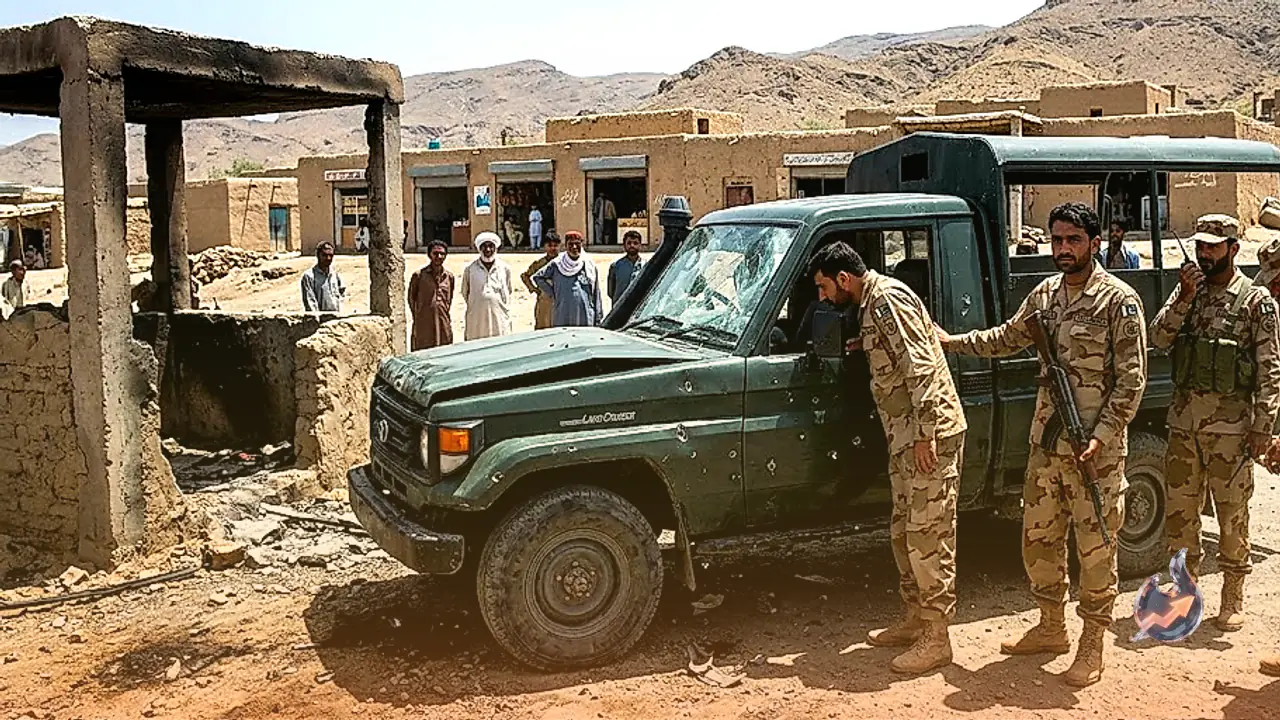

A severe escalation of militant confrontation has gripped Pakistan's southwestern frontier, plunging the security apparatus into an acute crisis. Insurgent forces operating across Balochistan launched a rapid wave of thirteen coordinated attacks within a single week, severely testing military readiness in the volatile province. According to statements released by the Baloch Liberation Army, commonly known as the BLA, operations conducted between September 7 and September 13 resulted in the deaths of forty-three Pakistani military personnel and members of state-backed local auxiliary groups, which dissidents describe as death squads. Compounding the turmoil, a devastating mosque bombing inside a police installation in Kohat, Khyber Pakhtunkhwa, has deepened broader fears over nationwide stability.
Extensive Geographic Scope Across Key Districts
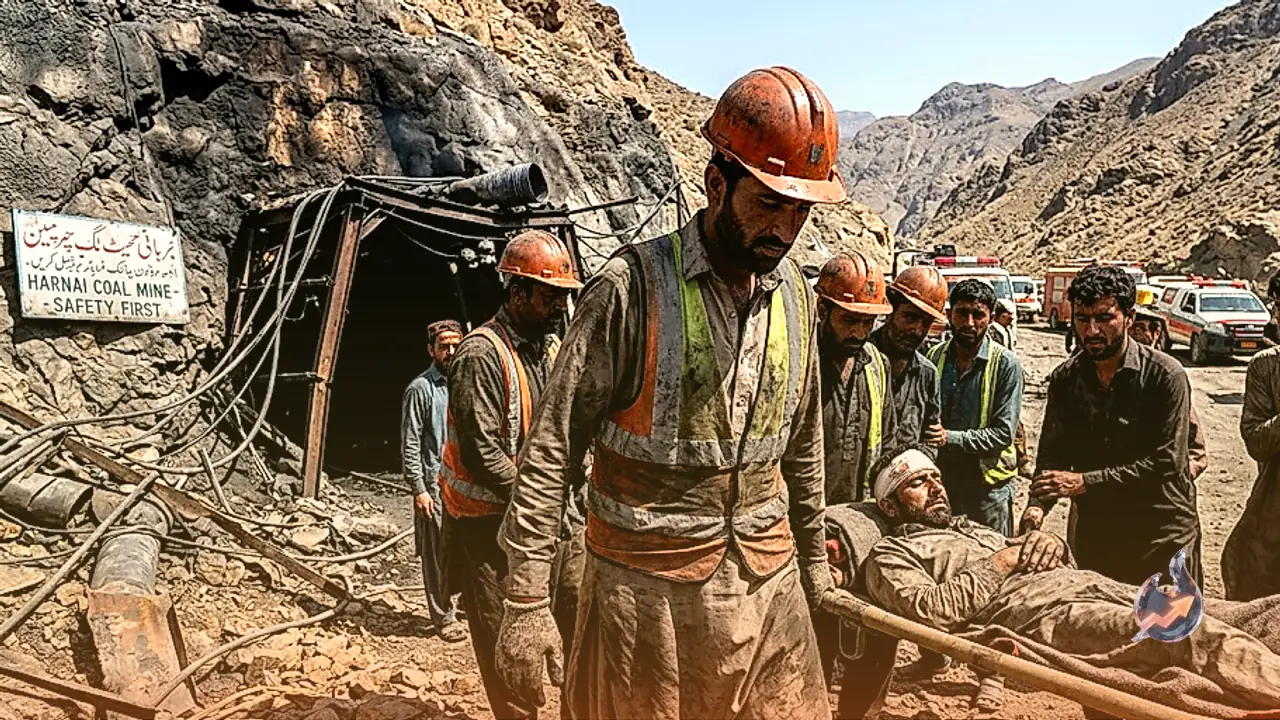
Official spokesman Jeeyand Baloch outlined the scale of the offensives, indicating that insurgent units mounted coordinated actions spanning from Basima to Qilla Abdullah. Operations took place across more than ten high-risk territories, including Basima, Kharan, Panjgur, Chagai, Tump, Surab, Qilla Abdullah, Lasbela, Jiwani, and Mashkel. Combatants concentrated primarily on ambushing troop convoys, roving patrols, military outposts, and technical surveillance points. Significant destruction was also inflicted on commercial transport vehicles, strategic bridges, and infrastructure serving lithium mining operations across the mineral-rich province.
Chronological Breakdown of the Week-Long Assaults
The coordinated push commenced on September 7 in the Basima district. Rebel forces established an armed blockade lasting roughly five hours along the primary China-Pakistan Economic Corridor arterial route, stopping and inspecting passing vehicles. An ensuing firefight with responding troops left 5 Pakistani soldiers dead and multiple others wounded, while 3 BLA fighters also lost their lives during the encounter.
Operations expanded on September 8 when an armed ambush struck a military detachment in Kharan, causing at least 4 troop casualties. Concurrently in Panjgur, fighters intercepted logistical supply trucks transporting rations for the army and dismantled automated surveillance equipment installed in the vicinity.
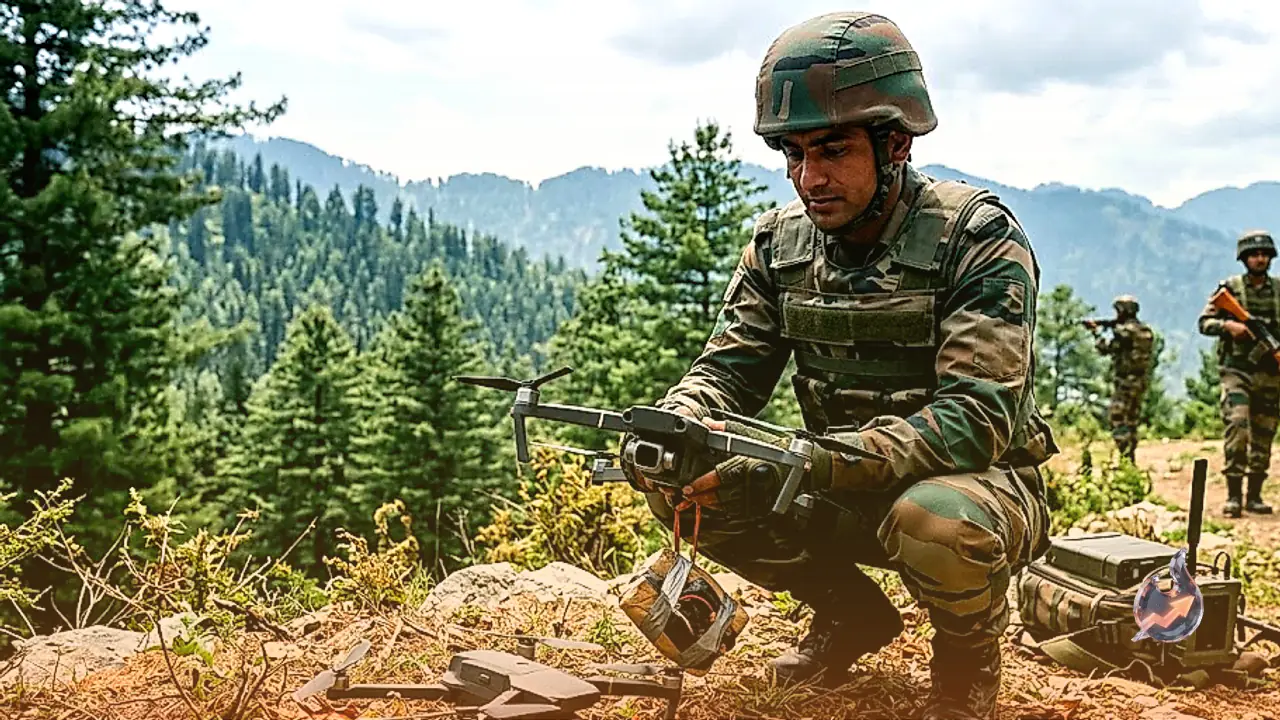
By September 10, combatants obstructed the crucial Quetta-Taftan commercial transit route in Chagai, seizing two transport vehicles and demolishing a strategic bridge with explosives. That same day in Tump, a dedicated specialist squad belonging to the rebel group shot down an army surveillance quadcopter drone.
Dual engagements occurred in Surab on September 11. An assault on a military convoy traversing the Tobo area resulted in 6 soldier fatalities, followed by a separate confrontation at Rodeni Cross that killed 3 soldiers and inflicted severe injuries on 4 others.
On September 12, a dedicated military bomb disposal unit came under intense assault in Lasbela. Explosions and direct fire wrecked two army vehicles completely and heavily damaged two adjacent transports. The militant group asserted that 9 personnel were killed and more than 11 sustained injuries during the ambush.
The offensive concluded on September 13 with the largest single clash in Qilla Abdullah. Rebels raided a death squad outpost, asserting they eliminated 25 affiliated operatives. The ensuing gun battle with military reinforcements raged for approximately four hours, during which 5 BLA fighters were killed.
Drivers Behind Targeting Auxiliary Squads and Economic Assets
Insurgent factions active in the territory have historically targeted what they classify as state-sponsored auxiliary squads. Rebel leaders assert that military and intelligence officials arm and coordinate private armed factions tasked with abducting, intimidating, and neutralizing local activists, nationalists, and dissenting civilians. Consequently, these groups have become direct operational targets.
Resource exploitation forms the second principal grievance driving rebel strategy. Disrupting transport corridors linked to the CPEC network and targeting lithium extraction infrastructure reflect a deliberate posture against economic development controlled from the center. Insurgent spokespeople contend that central authorities and international conglomerates extract mineral wealth from Baloch soil while denying the indigenous population fundamental entitlements and regional autonomy.
Simultaneous Violence in Khyber Pakhtunkhwa's Kohat
The deteriorating security landscape extended into Khyber Pakhtunkhwa province alongside the clashes in the southwest. A powerful blast detonated on a Friday inside a mosque located within a police residential compound in Kohat. The catastrophic incident claimed 16 lives, comprising 5 police officers and 11 civilians, while wounding 57 others. Police sources stated that immediately following the blast, seven armed assailants sought to exploit the panic, highlighting an intensifying pattern of armed unrest across multiple provincial frontiers.