






















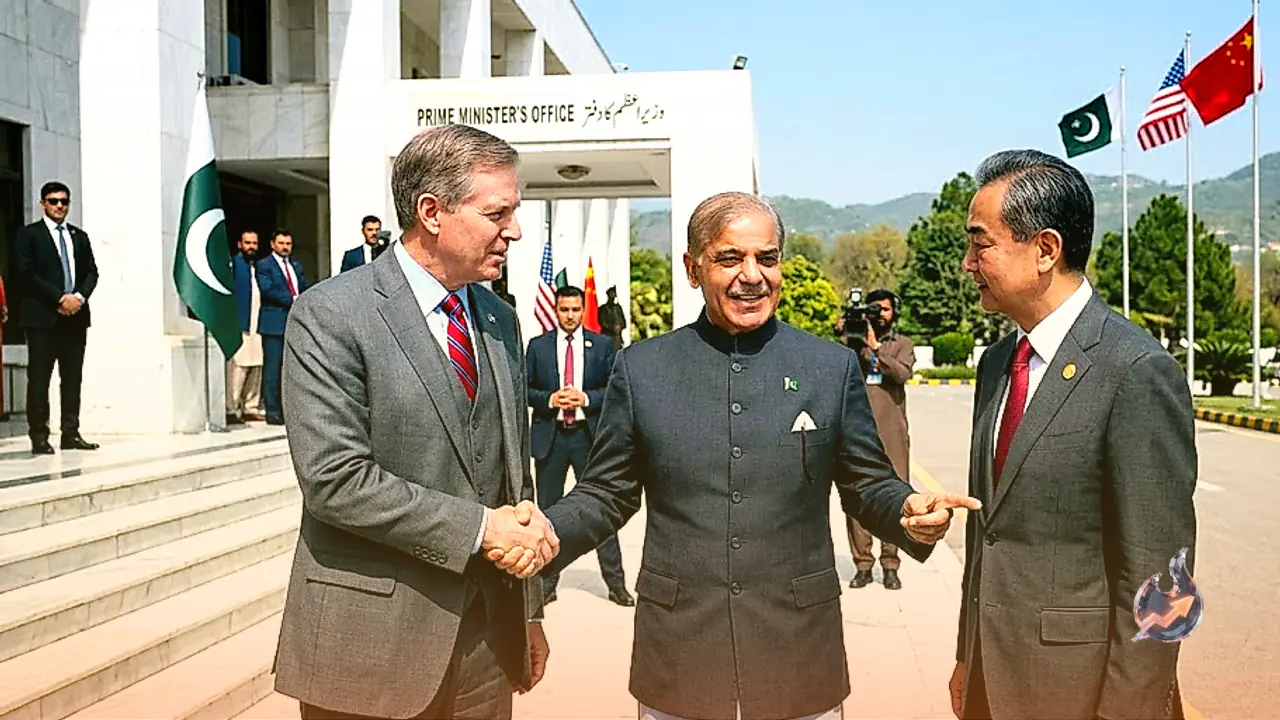

The complex diplomatic relationship between Washington and Islamabad has long been shaped by shifting strategic priorities rather than permanent structural alliances. For decades, American policymakers operated under the assumption that financial assistance and security aid could secure Pakistan as a steadfast partner in South Asia. However, an analysis of regional geopolitical dynamics reveals that Islamabad pursues a transactional foreign policy, offering strategic cooperation based on immediate interests rather than enduring ideological alignment.
Redefining Strategic Alliances through Transactional Diplomacy
The fundamental misunderstanding in Western diplomatic strategy stems from viewing Pakistan through the lens of traditional alliance structures. Rather than committing exclusively to any single power block, Islamabad functions as a flexible partner available for specific strategic objectives. This approach allows Pakistan to adapt its foreign policy to changing international circumstances, maximizing economic and security benefits from multiple global actors simultaneously.
Diplomatic Mediation in the Strait of Hormuz Escalation
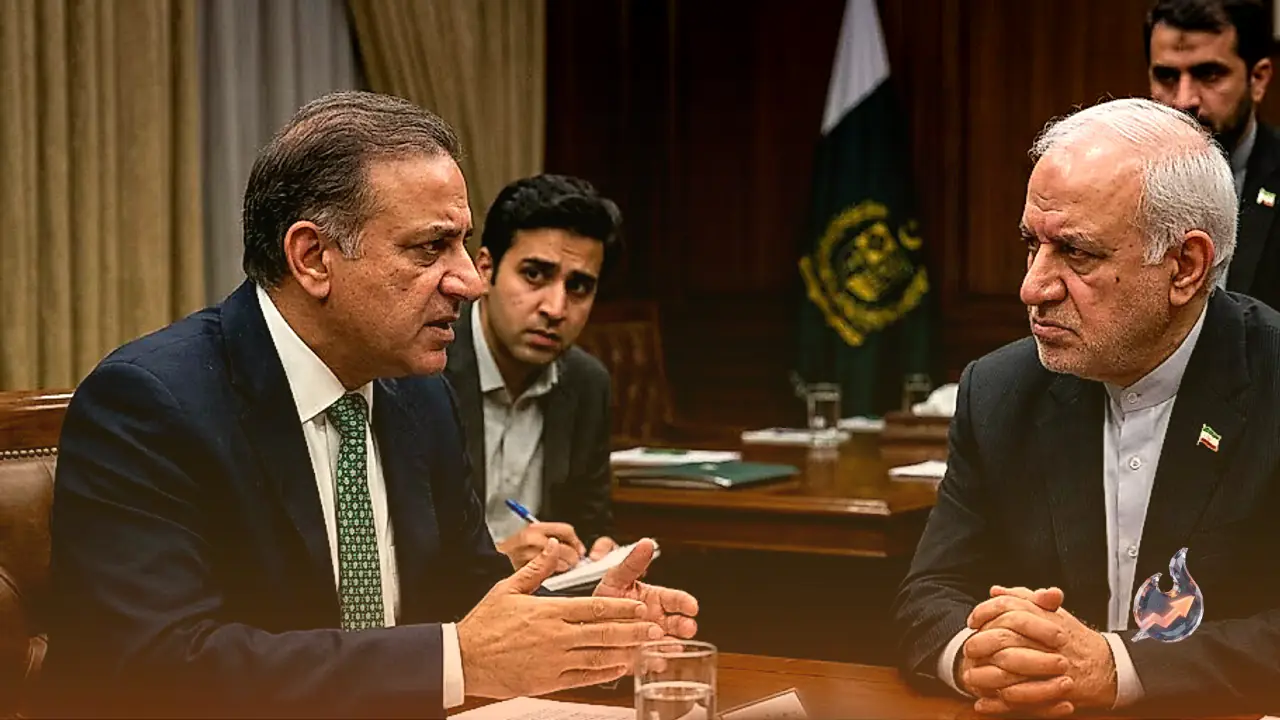
Pakistan demonstrated its unique diplomatic positioning during recent geopolitical confrontations involving Washington and Tehran. While traditional Western allies such as France, Germany, and the United Kingdom lacked the diplomatic channels required to engage both sides effectively, Islamabad maintained active communication with both capitals. By facilitating dialogue, Pakistan played a crucial role in de-escalating maritime tensions and securing the temporary re-opening of the Strait of Hormuz, a vital bottleneck for global oil shipments.
This mediation highlighted Islamabad's capacity to leverage its dual-track diplomacy into tangible geopolitical relevance. By maintaining working relationships with nations hostile to Western interests while preserving security ties with Washington, Pakistan positions itself as an indispensable mediator in Middle Eastern and South Asian crises.
Defense Exports and the Tri-Nation Technology Synthesis
Beyond regional diplomacy, Pakistan actively balances its security partnerships across global powers. A prime example is the landmark 4.6 billion dollar defense agreement finalized with Azerbaijan, which involves the supply of 40 JF-17 fighter aircraft. This major export contract highlights Pakistan's capability to commercialize defense technologies developed through international partnerships.
The JF-17 fighter jet represents a unique synthesis of global defense manufacturing, combining Chinese design and avionics, Russian engine technology, and Pakistani production infrastructure. By capitalizing on its close technical collaboration with Beijing, Islamabad has successfully entered the international arms market, securing multi-billion-dollar deals while demonstrating independence in global defense commerce.
Financial Negotiations and Global Banking Leverage
Following its diplomatic intervention in the Iran conflict, Islamabad sought to convert its strategic utility into immediate economic support. Pakistan requested the establishment of a 10 billion dollar Exchange Stabilization Fund from Washington to bolster its foreign exchange reserves. This request underscores a recurring pattern in Pakistani diplomacy, where strategic services in crisis management are paired with demands for financial concessions.
Strategically, American policymakers are advised not to push Islamabad into severing ties with Beijing, as Pakistan considers its partnership with China non-negotiable. Instead, Washington can prevent a complete Chinese monopoly over Pakistani policy by leveraging its economic, military, and diplomatic influence. Furthermore, the strong influence held by the United States within international financial institutions, such as the IMF and the World Bank, provides Washington with effective economic mechanisms to maintain alignment with American strategic interests without forcing an explicit break between Islamabad and Beijing.