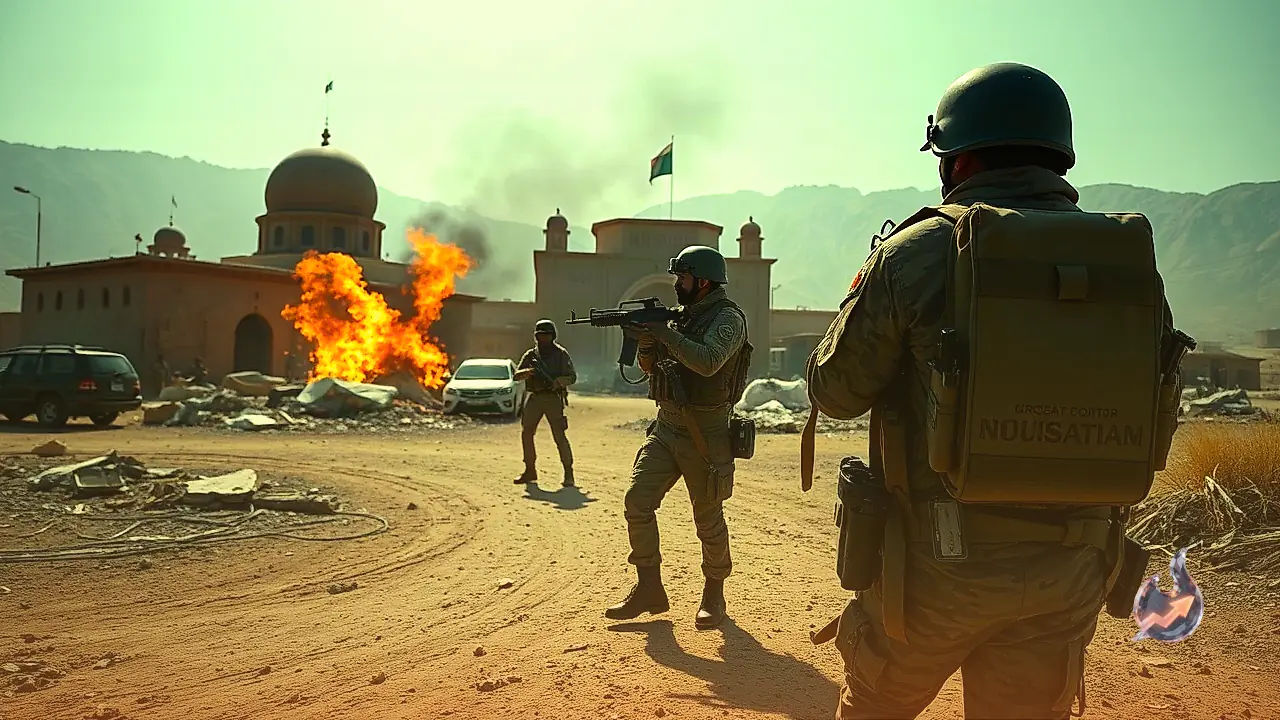























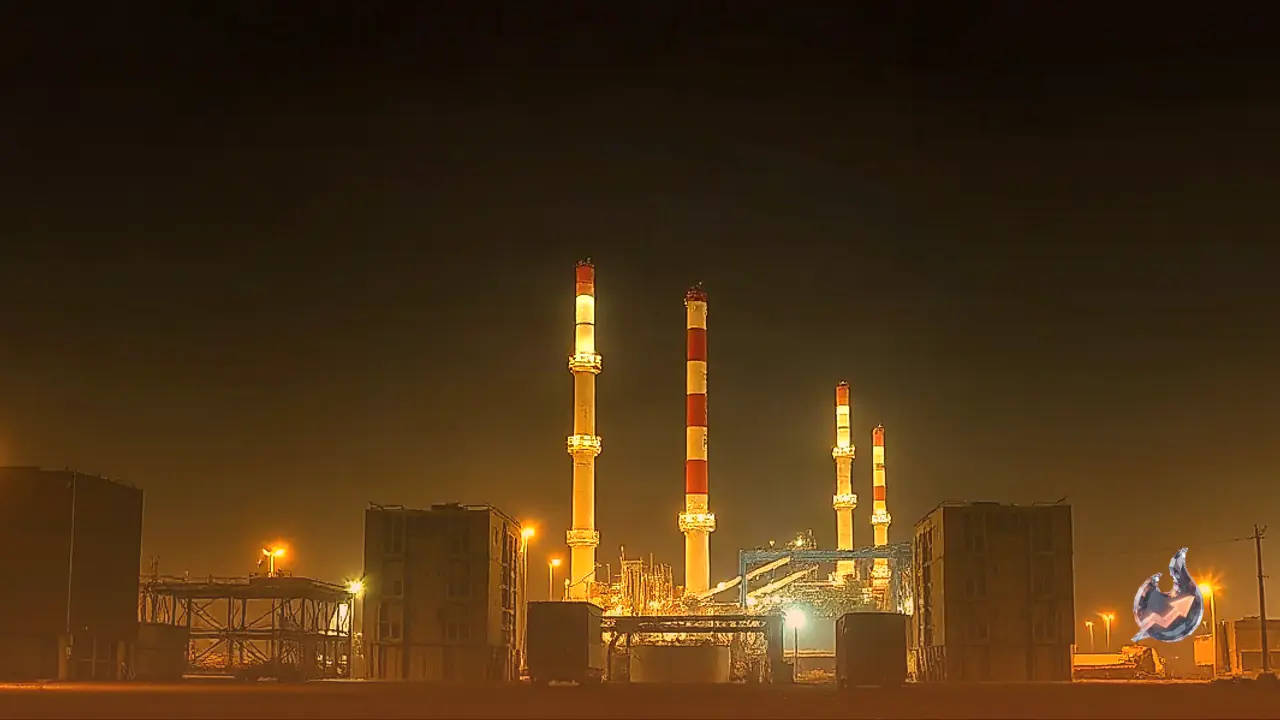

A devastating missile and drone assault launched by Yemen's Houthi rebels against key Aramco oil installations in southern Saudi Arabia has sent shockwaves across the Middle East. The attack resulted in more than 70 injuries and ignited catastrophic fires across critical energy facilities. This sudden escalation has placed the newly established 'Mecca Pact'—a trilateral defense alliance signed in August 2026 between Saudi Arabia, Pakistan, and Turkey—under intense international scrutiny. While the agreement was hailed as a benchmark regional defense umbrella, Islamabad's military inaction following the crisis has drawn widespread criticism across diplomatic circles and social media platforms.
The Promise of the Mecca Pact and Pakistan's Initial Stance
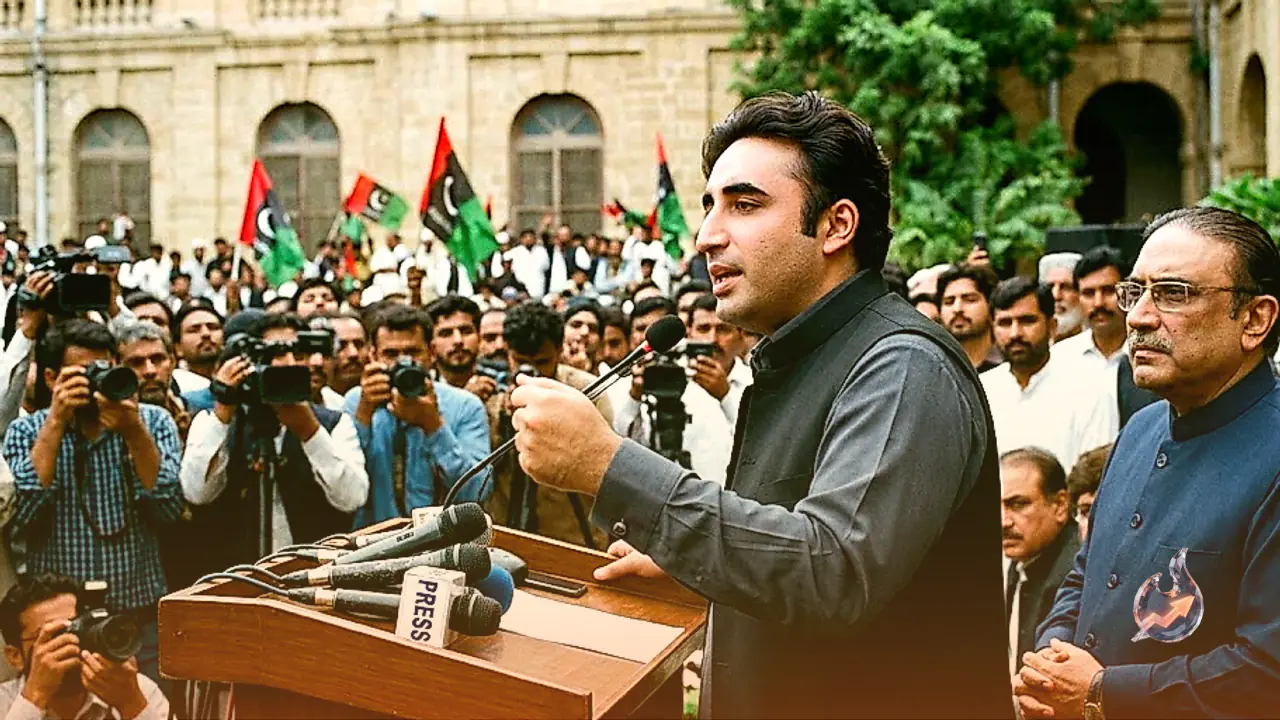
When Saudi Arabia, Pakistan, and Turkey signed the Mecca Pact in August 2026, the alliance was widely projected as an Islamic counterpart to NATO, specifically drawing inspiration from Article 5. The core clause of the pact stipulated that an external armed assault on any single signatory nation would be deemed an act of aggression against all three member states. At the time of signing, Pakistani Prime Minister Shehbaz Sharif and Chief of Army Staff General Asim Munir actively claimed credit for forging this landmark security framework, presenting it as a vital guarantee for regional stability.
However, in the immediate aftermath of the strikes on Aramco's infrastructure, Pakistan's response remained confined to diplomatic statements. Prime Minister Shehbaz Sharif issued a formal statement on social media platform X, condemning the Houthi strike targeting civilian and energy infrastructure in Saudi Arabia and reiterating Pakistan's firm solidarity with the Kingdom. Yet, this paper condemnation triggered immediate pushback, with defense analysts questioning why Pakistani fighter jets and combat units were not dispatched to Yemen to counter the Houthi threat as implied by the defense pact.
Legal Ambiguities and Strategic Limitations of the Defense Treaty
Foreign policy analysts and Middle East experts caution against interpreting the Mecca Pact as an automatic collective defense mechanism. According to South Asia expert Michael Kugelman, viewing the arrangement as an automatic military deployment treaty akin to NATO represents a fundamental misreading of its actual text and intent.
The defense agreement suffers from several significant operational and legal loopholes that constrain immediate military action. First, the text lacks an explicit, mandatory clause compelling member nations to automatically commit ground or air forces in the event of an attack on an ally. Second, there are no defined protocols establishing the exact scale, nature, or timeline of military assistance required from partner nations. Third, the arrangement acts primarily as a framework for strategic consensus, lacking the legal enforcement capability to drag any member country into an unwanted foreign war against its national interest.
Pakistan's Existing Military Presence in Saudi Arabia
The strategic hesitation comes despite Pakistan maintaining a substantial military footprint within Saudi Arabia. Official estimates indicate that approximately 8,000 Pakistani military personnel, along with fighter aircraft, surveillance drones, and air defense systems, are currently deployed across the Kingdom. Furthermore, the Pakistani military has provided training, technical expertise, and advisory support to Saudi armed forces for several decades.
Despite this extensive operational presence, military leadership in Islamabad remains reluctant to initiate offensive combat operations against Houthi positions. Under the provisions of the new agreement, Pakistan's involvement is likely to remain limited to providing supplementary air defense systems, intelligence sharing, and technical training. The Pakistani military hierarchy has shown no inclination to deploy combat troops directly onto the Yemeni frontlines.
Geopolitical Risk and Economic Realities Facing Islamabad
Pakistan's cautious approach is driven by severe geopolitical and economic constraints. Both Prime Minister Shehbaz Sharif and General Asim Munir recognize that offensive action against the Houthis risks triggering a broader confrontation with Iran, which provides financial and military backing to the Yemeni rebel movement. Given Pakistan's lengthy and sensitive western border with Iran, opening a hostile front against Tehran-backed forces presents an unacceptable national security threat.
Simultaneously, Pakistan continues to grapple with severe macroeconomic distress and precarious foreign exchange reserves. The country lacks the financial capacity and logistical resources needed to underwrite expensive military operations in the Middle East. Additionally, Islamabad has consistently attempted to position itself as a neutral diplomatic mediator between Washington and Tehran. Engaging directly in combat operations on behalf of Saudi Arabia would permanently dismantle Pakistan's standing as a neutral negotiator.
Finally, the crisis has clarified misconceptions surrounding Pakistan's strategic capabilities. While political figures have occasionally suggested that Pakistan's nuclear deterrent serves as a defense shield for partner nations in the Muslim world, Pakistani officials have privately acknowledged that the Mecca Pact contains no provisions extending nuclear umbrella coverage to Saudi Arabia.