


















The political landscape of Pakistan is currently experiencing a profound and turbulent shockwave. Discontent that once simmered in the country's peripheral regions has now reached the very core of state power. What used to be isolated friction in distant territories has transformed into a high-stakes standoff between the military command and the presidency. Analysts observe that a countdown to another potential regime change is visibly underway, driven by competing factions eager to consolidate absolute authority.
The Standoff Between Rawalpindi and Islamabad
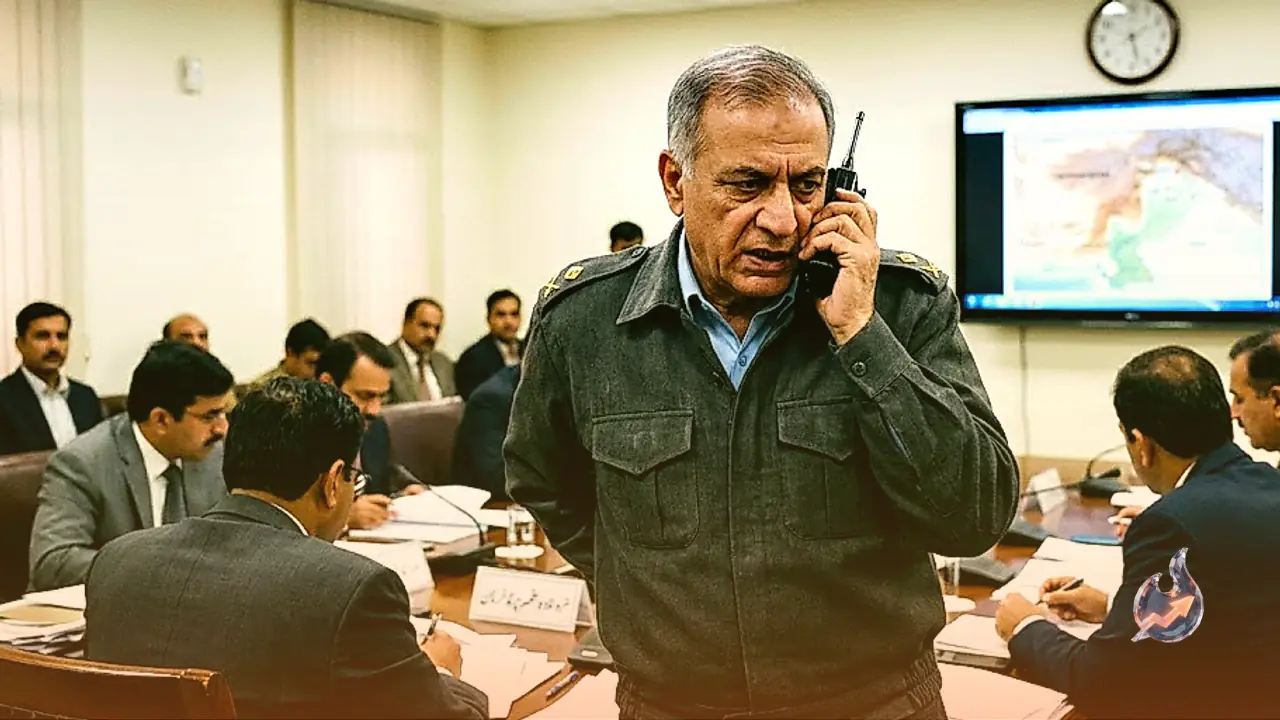
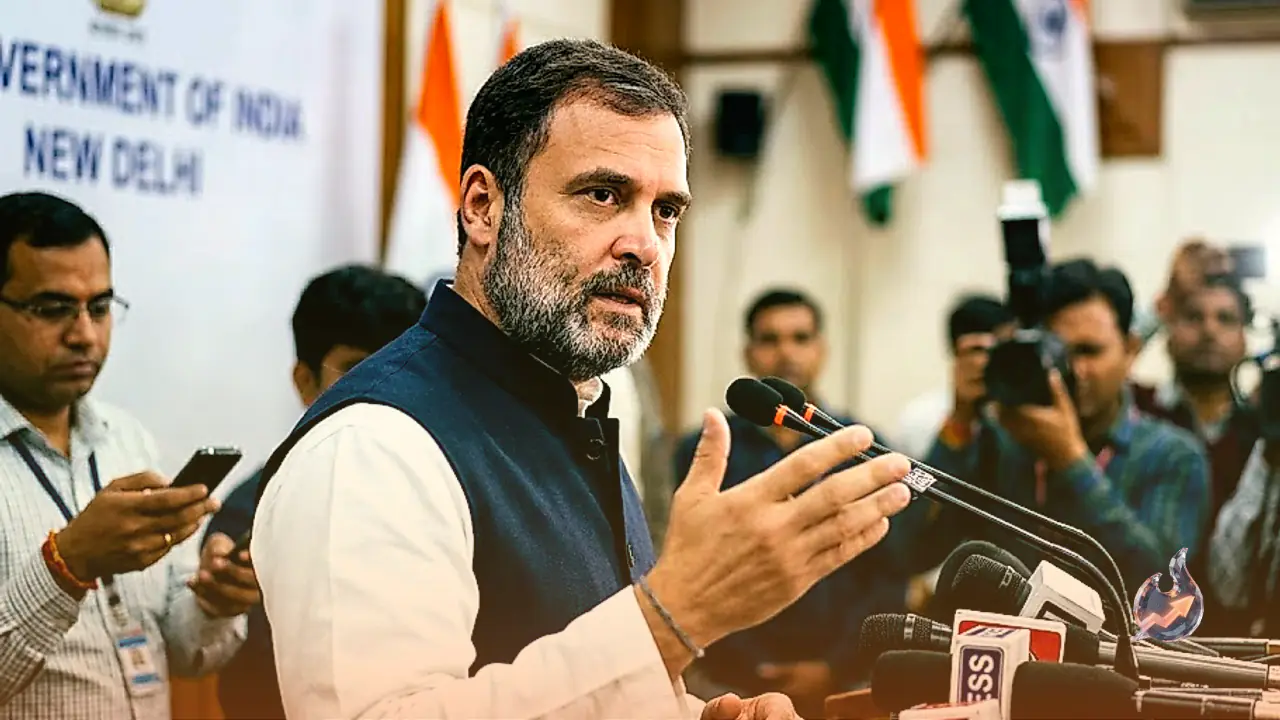
A bold assertion by Muttahida Qaumi Movement founder Altaf Hussain has ignited widespread panic across the nation. According to his assessment, a tense and covert conflict is unfolding behind closed doors between the powerful military establishment and President Asif Ali Zardari. Disputes regarding the creation of new administrative provinces and the impending 28th constitutional amendment have brought the country to a dangerous crossroads, threatening either a return to martial law or catastrophic political collapse.
Pakistani politics has historically been dominated by military influence, with elected civilian administrations routinely operating under the directives of generals. However, the widening gulf between Rawalpindi, the nerve center of the armed forces, and the presidential palace has now surpassed tolerable limits.
In his 462nd TikTok video address, Altaf Hussain asserted that relations between the army chief and President Zardari have plunged to their most fragile point. A clandestine power struggle is reportedly underway that could dismantle the civilian government at any moment. The core issue extends far beyond mere political survival, touching upon a military ambition to redraw the national map and alter the constitution.
Secret London Meetings and Firm Directives
Unpacking the layers of this quiet conflict, Altaf Hussain raised pressing questions regarding the whereabouts of the head of state. He questioned why President Zardari has chosen to remain abroad for weeks while extensive preparations are underway to overhaul the nation's legal and territorial frameworks. Zardari initially traveled to Austria to attend his son Bilawal Zardari’s wedding celebrations and subsequently established a prolonged stay in London.
Hussain claimed that Federal Interior Minister Mohsin Naqvi recently held a private meeting with Zardari in London. This encounter was reportedly far from ordinary, lasting roughly an hour behind closed doors. During this confidential session, the interior minister allegedly delivered a stern and critical message from the top brass in Rawalpindi. Observers believe that this secret communication has significantly heightened political tensions between Islamabad and Rawalpindi.
New Provinces and Targeting the Muhajir Community
Current political discourse in Pakistan heavily features debates surrounding the formation of new administrative provinces. Hussain noted that this controversial agenda was initially promoted by Interior Minister Mohsin Naqvi and the military public relations wing. The armed forces allegedly seek to establish new provinces to tighten their administrative control, yet the political fallout and blame are seemingly being redirected toward the Muhajir population.
Hussain directly accused the Pakistan Peoples Party of deliberately stoking hatred and tension within the Sindh province. He made a direct appeal to Army Chief Field Marshal Syed Asim Munir, urging him not to overlook the safety and legitimate concerns of the Muhajir community. Furthermore, plans are allegedly being laid to pass the 28th constitutional amendment to facilitate the creation of these new provinces, mirroring the political bargaining and horse-trading that accompanied the 26th and 27th amendments.
Countdown to Martial Law and the Fate of Civilian Rule
The escalating confrontation between the military command and the presidency is plunging the nation into a constitutional quagmire. Hussain issued a clear warning that if both sides fail to negotiate a resolution, the remaining democratic framework of the country will completely disintegrate.
This political deadlock ultimately points toward two likely outcomes. The first is the reimposition of direct military rule, commonly known as martial law. The second is the ouster of Zardari and his administration, leading to the installation of an interim setup. Pakistan's turbulent history demonstrates that whenever generals in Rawalpindi clash with politicians in Islamabad, the military outcome invariably prevails. Consequently, many believe the countdown to a government overthrow has officially commenced.
Unrest Spreading From Sindh to Balochistan
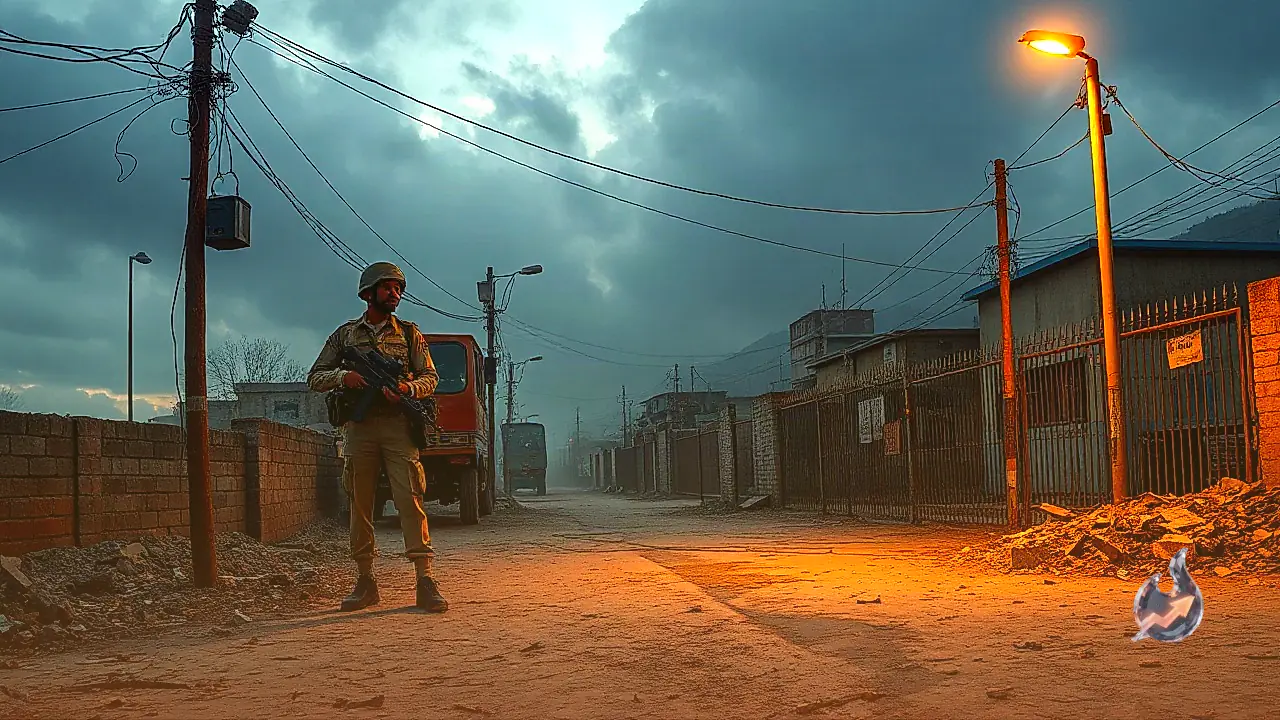
While power struggles dominate the capital, key provinces across Pakistan continue to burn with insurrection. In Sindh, hostility between security forces and local nationalist groups has reached a critical peak. Hussain warned that if this friction persists, the entire province risks descending into widespread violence and civil unrest.
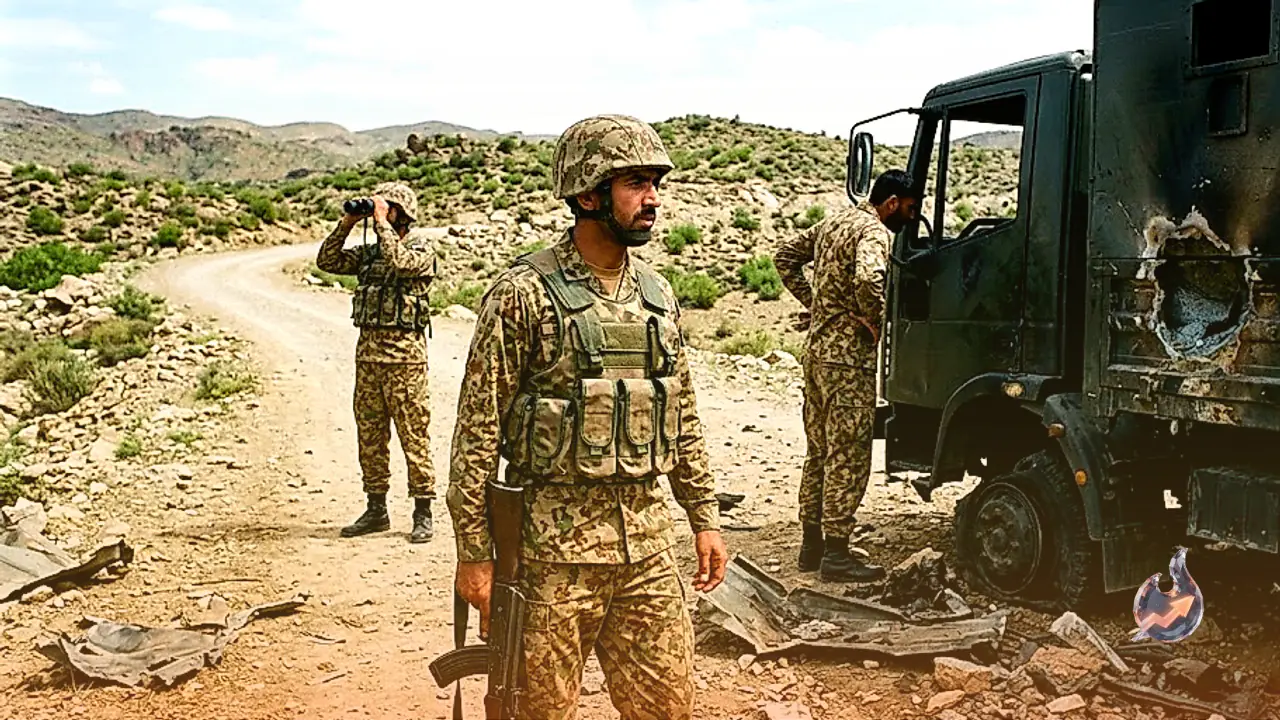
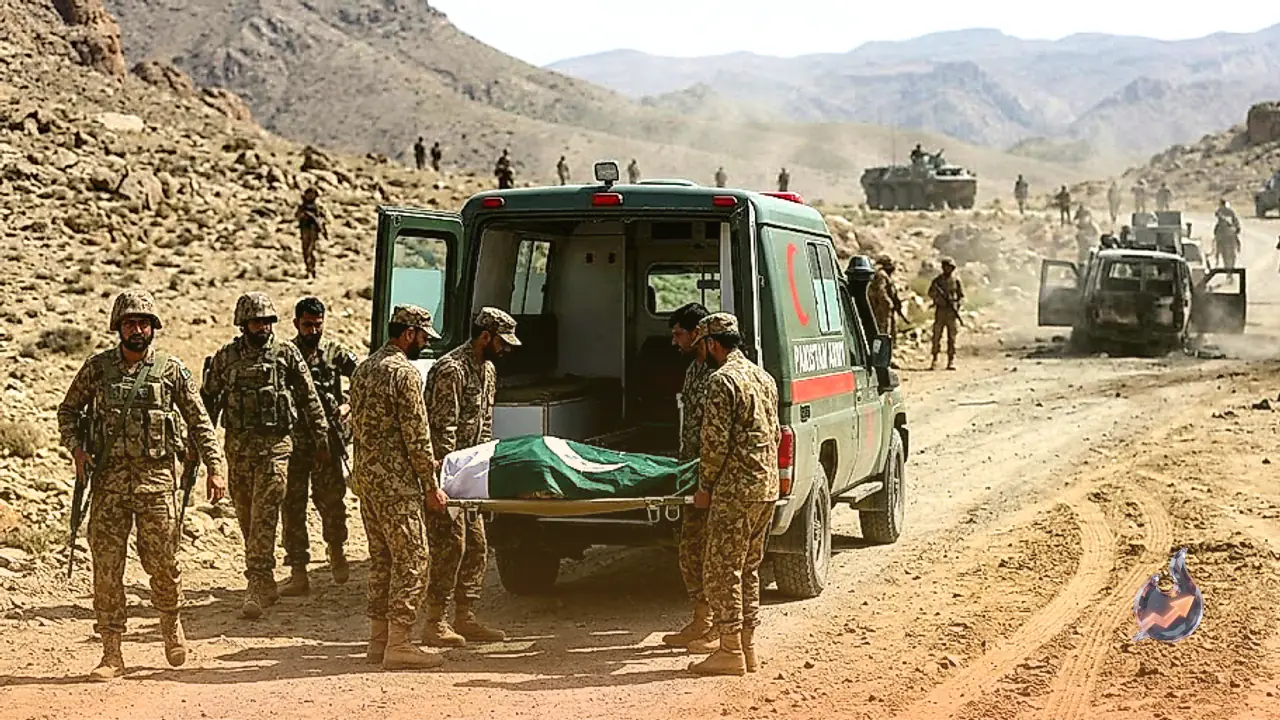
Meanwhile, the volatile situation in Balochistan remains a persistent crisis, marked by daily clashes between military forces and separatist fighters. Hussain criticized the ruling establishment, stating that the voices of the Baloch people cannot be permanently suppressed through brute force alone. Unless their grievances are addressed through genuine political dialogue and rights, the situation will spiral beyond control.