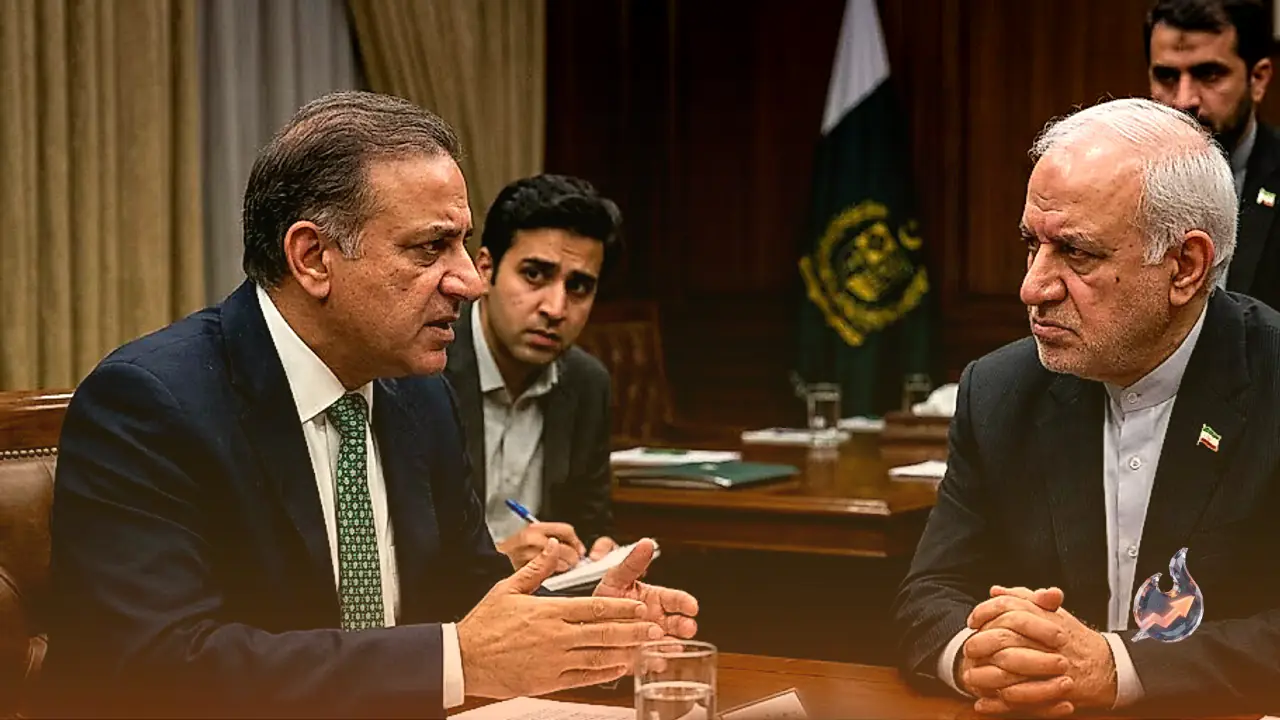
























Pakistan has once again drawn sharp international focus by stepping away from its newly minted security commitments. Just weeks after joining hands with Saudi Arabia and Turkey to sign the high profile Makkah Defense Pact, Islamabad has opted out of military involvement when tested by real conflict. The agreement, which was widely celebrated as an Islamic equivalent to NATO, explicitly stipulated that an armed assault on any of the three member nations would be treated as an aggression against all of them, triggering a joint military response. However, when Houthi rebels launched destructive strikes targeting Saudi civilian areas and energy infrastructure, the Pakistani leadership chose to distance itself entirely from active combat.
Grand Promises and Media Speeches
During the formal signing ceremony on sacred ground last month, Pakistani officials made aggressive diplomatic claims regarding regional security. Prominent cabinet members, including Defense Minister Khawaja Asif, appeared on major television networks to assert that the tripartite arrangement left no room for ambiguity. Asif had publicly declared that any aggression reaching Saudi soil would immediately activate the pact, promising that his country would stand shoulder to shoulder with Riyadh in the face of any threat. Domestic broadcasts heavily promoted the narrative that no adversary could dare challenge the security shield formed by the coalition.
The Reality Check of Houthi Strikes
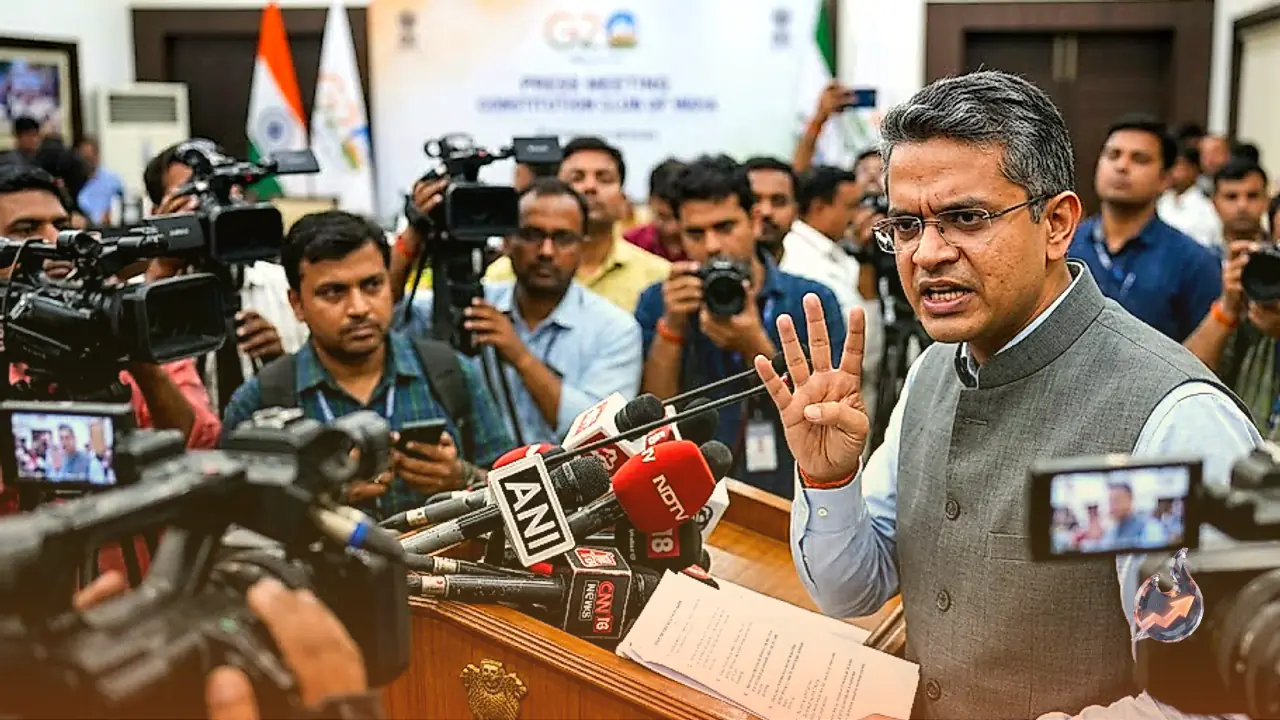
The situation shifted dramatically when Yemen linked Houthi forces executed precise aerial and missile strikes across Saudi territory, leaving at least 73 civilians injured and inflicting severe damage on vital infrastructure. As global observers looked toward Islamabad to see how the mutual defense clause would be executed, Foreign Office spokesperson Sajjad Haider Khan delivered a surprising clarification. He stated in an official briefing that discussions regarding military intervention under the Makkah Pact were currently off the table. When pressed about the timeline for fulfilling treaty obligations, the official merely remarked that actions would be taken when the appropriate time arrived, signaling an immediate refusal to deploy troops.
Exploiting Loopholes to Avoid Conflict
The sudden policy shift has left regional partners questioning the reliability of the alliance. Legal and defense analysts in Islamabad quickly pointed out tactical ambiguities within the treaty text to justify the inaction, arguing that the framework centers on collective defense rather than initiating independent offensive operations. Although the core principle dictated that an attack on one is an attack on all, the lack of defined operational protocols for retaliation provided a convenient exit route for the Pakistani military establishment, effectively rendering the pact toothless during a genuine crisis.
Geopolitical Fear and Economic Vulnerability
Behind this diplomatic retreat lie deep strategic anxieties, chief among them being Islamabad's apprehension regarding neighboring Iran, which maintains close ties with the Houthi movement. Direct military engagement against Houthi positions would inevitably risk a severe diplomatic and security fallout with Tehran, a confrontation that the administration under General Asim Munir is desperate to avoid. Furthermore, Pakistan remains severely hobbled by acute domestic economic distress and internal security challenges, making any entanglement in foreign military adventures entirely unfeasible. As Riyadh evaluates its alliances, the fundamental question remains how Islamabad will manage its financial dependencies on Gulf oil and loans after abandoning its security obligations.