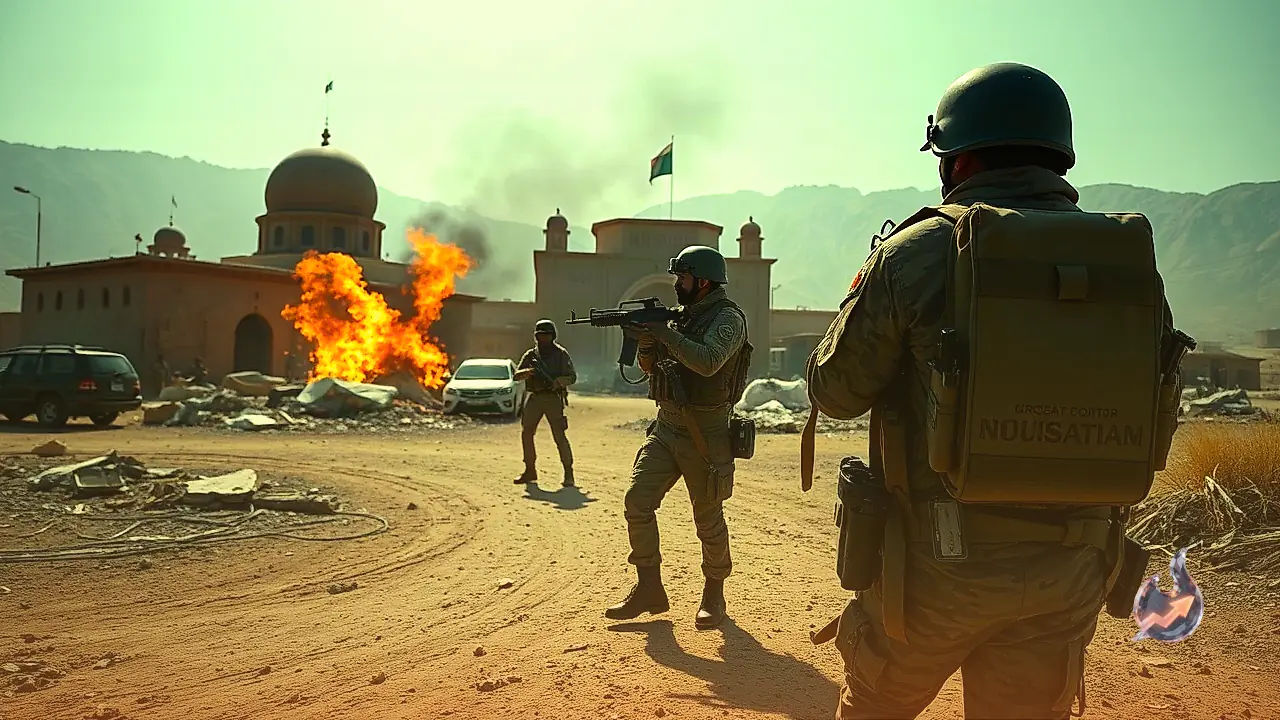





















Pakistan's geopolitical standing faces a complex dilemma as regional tensions escalate. Following a defense agreement with Saudi Arabia and the formation of a triangular alliance known as the Mecca Pact, conflict broke out between Saudi Arabia and the Houthi movement. Caught squarely in the middle, Islamabad struggles to chart a safe course. Challenging Iran brings sharp reprimands, while remaining silent risks forcing Pakistan into military action under the terms of the pact. Consequently, the nation is treading extremely carefully. As the Saudi-Houthi struggle intensified, Pakistan attempted to position itself as a peace broker, only to face a strong pushback from Tehran.
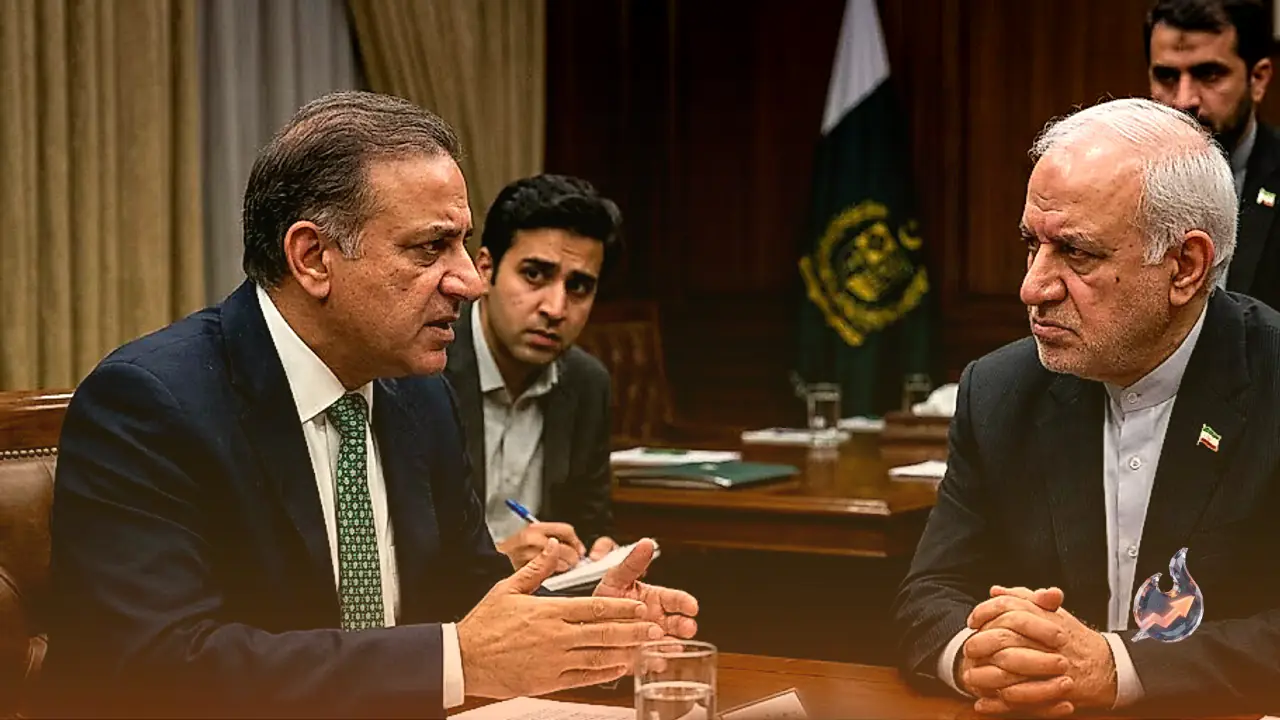
Islamabad sent a message to Iran on behalf of Saudi Arabia, urging Tehran to bring the Houthi rebels in Yemen under control and help resolve the ongoing hostilities. However, Islamabad received a blunt and dismissive response from the Iranian leadership. Tehran made it clear that it holds no control over the Houthis and cannot direct their actions. Meanwhile, Western intelligence and international sources maintain that the Houthis receive military hardware and logistical backing from Iran, which allegedly uses the rebel group to advance its regional interests.
The Roots of the Saudi-Houthi Conflict
Reports citing Iranian sources claim that Tehran has encouraged the Houthis to escalate hostilities in Yemen while providing them with continuous funding and weaponry. This prolonged conflict stems directly from the broader Yemeni civil war. In 2014, Iranian-backed Houthi rebels seized control of Sanaa. In response, Saudi Arabia launched a series of airstrikes in 2015 to back the internationally recognized Yemeni government. Although a ceasefire was brokered in 2022 after years of fighting, tensions flared up again in 2026. The Houthis launched attacks on Saudi vessels in the Red Sea and carried out drone and missile strikes on southern Saudi cities in September, leaving 73 people injured and pushing bilateral hostility to new heights.
The Diplomatic Quagmire of the Mecca Pact
Pakistan finds itself walking a tightrope amid these volatile conditions. On one hand, Islamabad has taken on the mantle of mediating peace between Iran and the United States, requiring it to maintain diplomatic balance with Tehran. On the other hand, the recent Mecca Pact alliance involving Saudi Arabia, Pakistan, and Turkey commits Pakistan to supporting Saudi security interests. Because the current armed friction involves the Houthis and Saudi Arabia, and given the well-documented ties between the Houthis and Iran, Pakistan is left wondering how to navigate the crisis. Officials in Islamabad suggest that any military deployment by Pakistan would be strictly defensive and limited to protecting Saudi territory. Despite these assurances, managing Tehran's growing frustration remains a daunting challenge.