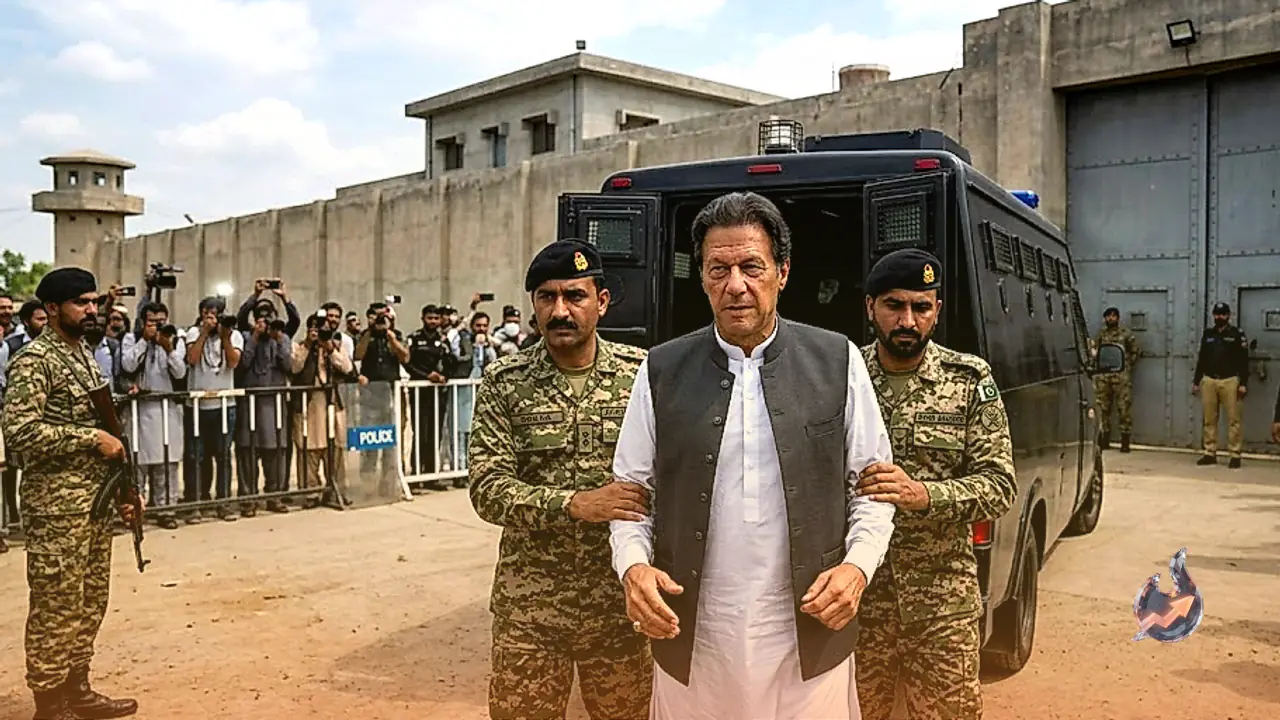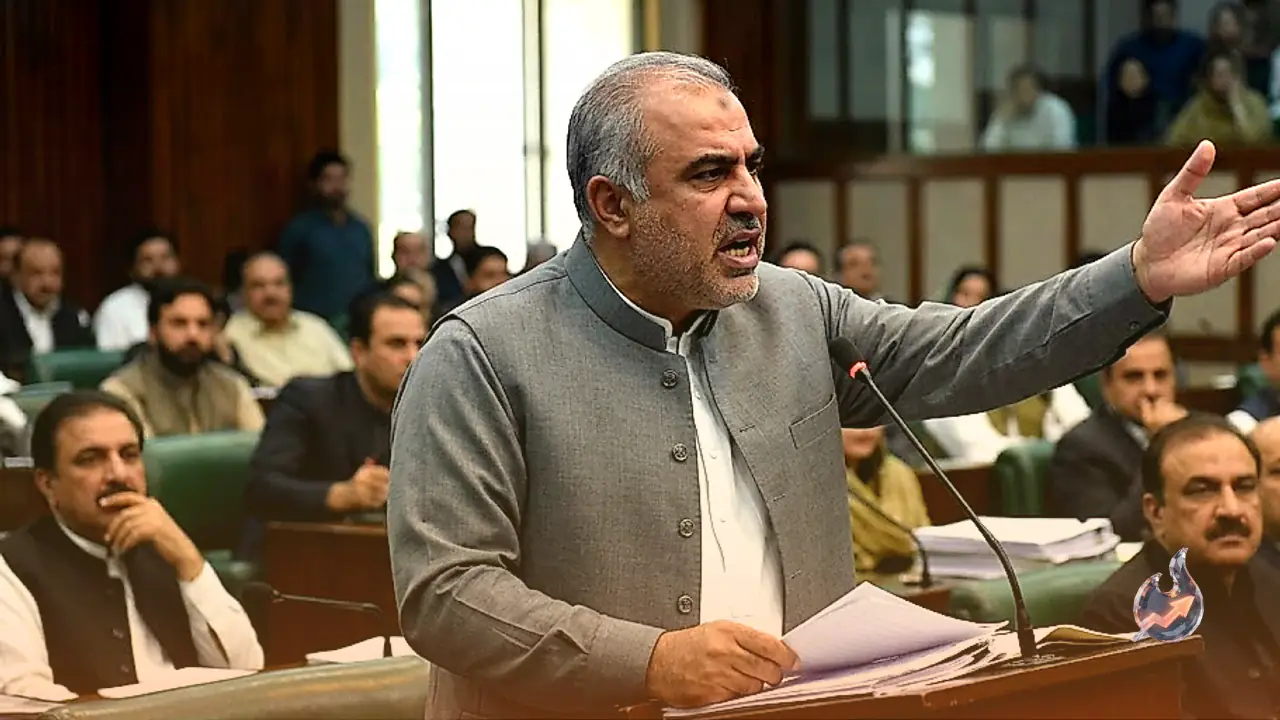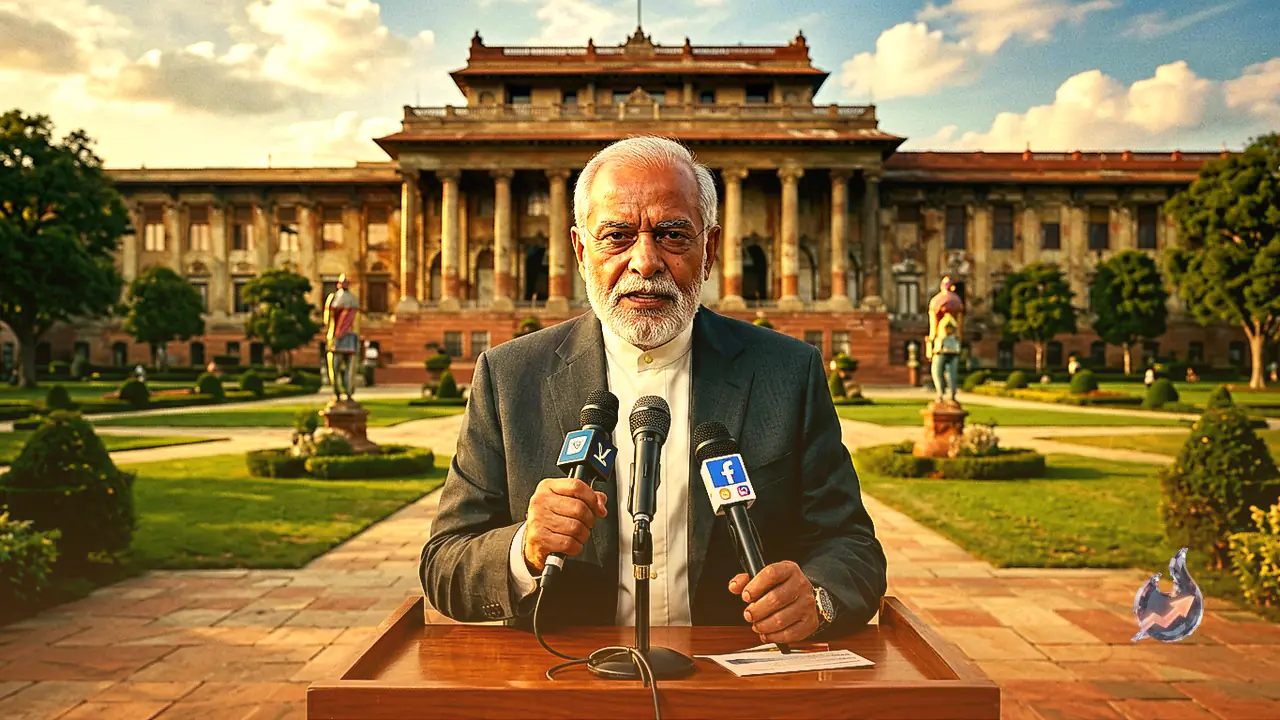






















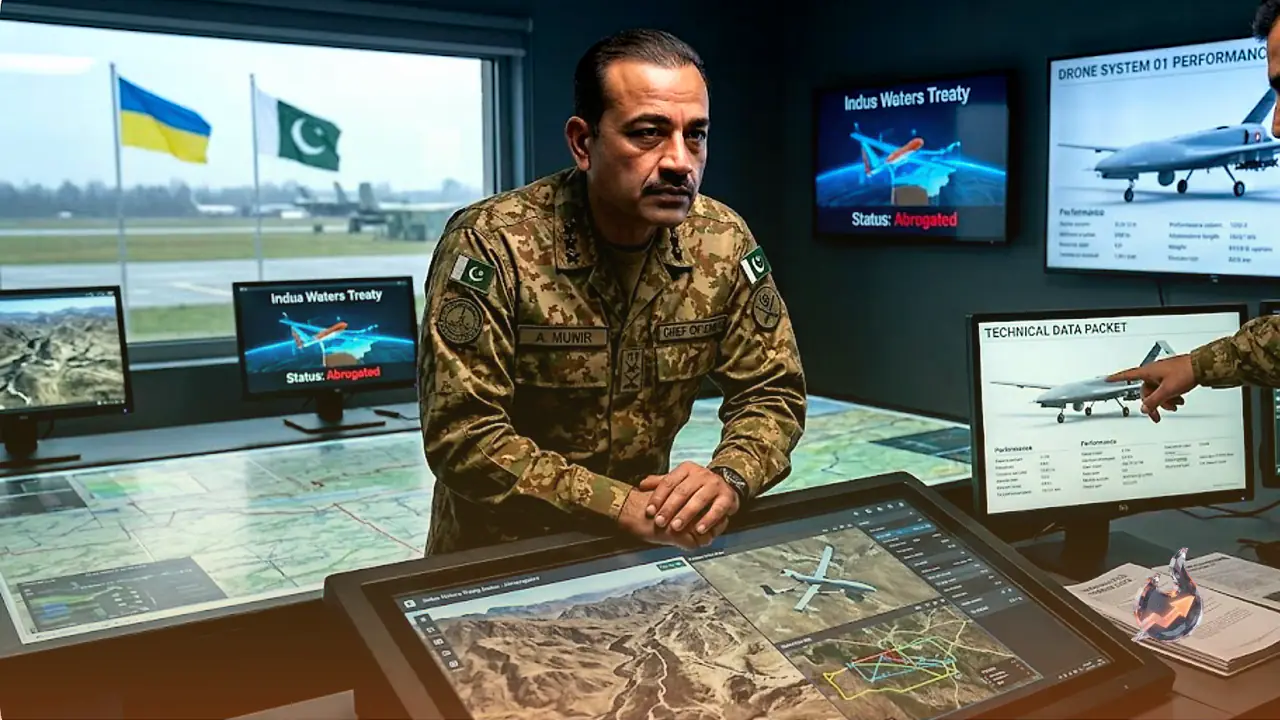

Pakistan's army chief Asim Munir has suddenly started talking the language of war after the Indus Waters Treaty was scrapped, threatening to use every means against India. The question everyone is asking is where Munir is finding this confidence after the drubbing Pakistan took during Operation Sindoor. Could the answer lie in that Ukraine episode India foiled a few months ago? After losing nearly 600 drones at India's border, reports now say Ukraine is training the Pakistani military, and that very training appears to have pumped up Munir's swagger.
Pakistan's drone plan has failed again and again
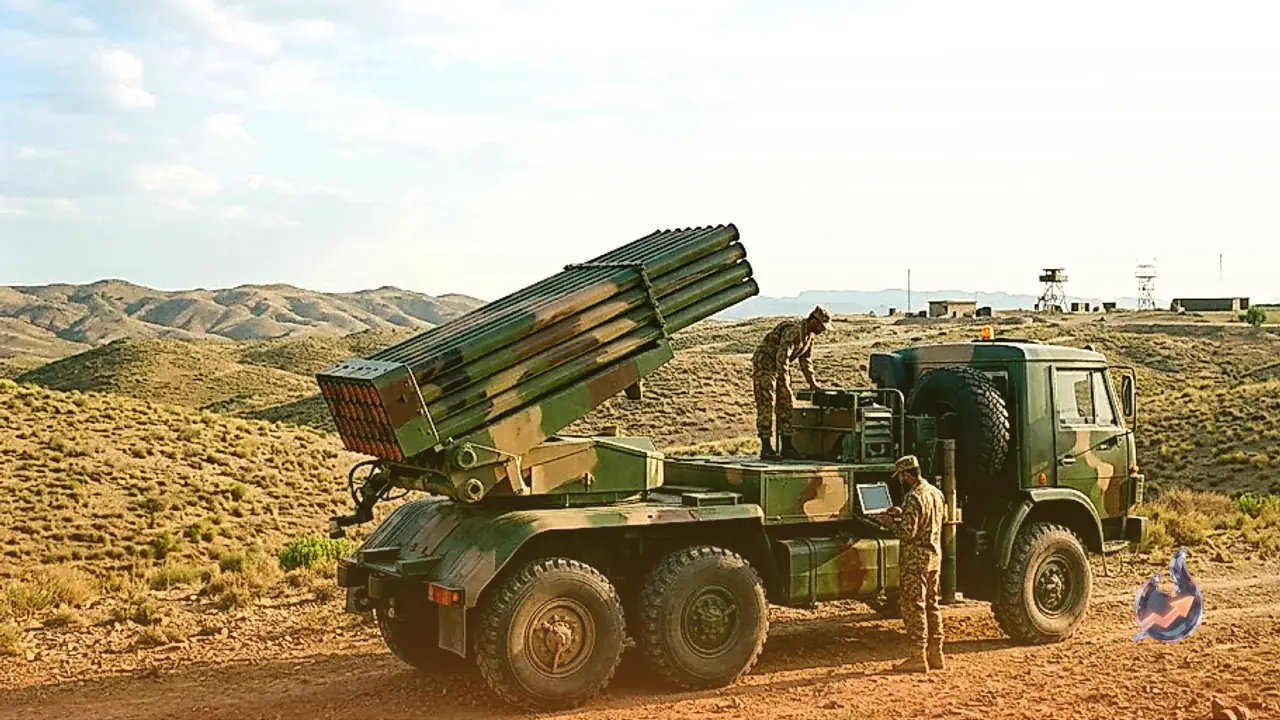
Last year, Pakistan's army attempted its biggest and most sophisticated conspiracy yet against India. The plan was to launch nearly 600 drones simultaneously to target key locations inside Indian territory, but the entire operation turned into a massive failure. Most of the drones were either shot down by the Indian Army right at the border or crashed on their own due to technical faults. Some drone debris did fall in residential areas and cause some damage to civilians, but overall, India completely demolished Pakistan's mega drone plan. That crushing defeat forced the Pakistani army to accept that its existing drone technology stood no chance against India.
Pakistan turned to Ukraine for help
After the defeat during Operation Sindoor and repeated failed plots against India, Pakistan turned to its old ally Ukraine to hide its weaknesses and learn modern drone warfare. Ukraine has been fighting an extremely brutal, high-tech war against Russia for several years now, one in which drone technology has been used more than anything else. That prolonged war has turned Ukraine into the world's most experienced and battle-hardened country in drone operations, kamikaze drones and electronic warfare.
What exactly is Ukraine teaching the Pakistani army
Ukraine is now turning that very wartime experience and expertise into a commercial asset, training other countries in drone warfare for a price. Pakistan is treating this training as a lifeline, dreaming of avenging the defeat it suffered at India's hands. That is precisely why General Munir's confidence has suddenly shot through the roof, and why he is now openly using threatening language against India. This development is especially serious for India because it has surfaced right when tensions between the two countries are already at a peak following the scrapping of the Indus Waters Treaty.
Ukraine's own history with India has been complicated too
Ukraine, which became an independent country after breaking away from the Soviet Union, took a stand against India at the United Nations on several occasions in the past. Whether it was India's nuclear tests or the demand for United Nations intervention on Kashmir, Ukraine's older decisions were not in India's favour. However, Ukraine's official policy shifted significantly in later years. Ukraine has consistently maintained that the Jammu and Kashmir issue is entirely a bilateral matter between India and Pakistan, one that both countries should resolve between themselves under the 1972 Shimla Agreement. That position aligns closely with India's own long-standing policy of strongly opposing any third-party mediation or internationalisation of the Kashmir issue.
That is precisely why Ukraine's current drone training for Pakistan is raising serious questions in India about whether an old partner could now end up hurting India's interests by helping Pakistan build up its military capability. Given how thoroughly India dismantled Pakistan's mega drone plan during Operation Sindoor, Pakistan's new strategy shows it is willing to go to any length to gain a technological edge over its neighbour. Rather than dismissing General Munir's threats as mere rhetoric, India will need to keep a close watch on this shifting equation between Islamabad and Kyiv.