














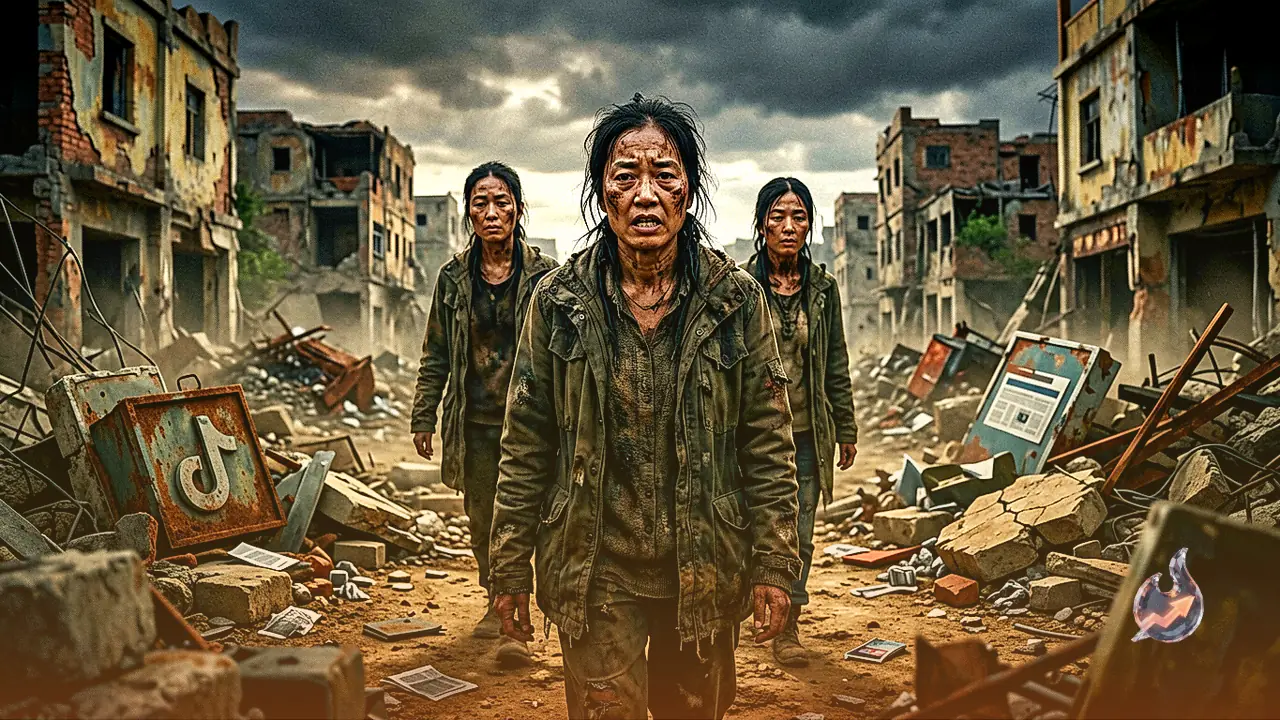

Concerns regarding the physical safety and digital freedom of female social media creators in Pakistan have once again reached a critical flashpoint. A recent spate of fatal attacks against women active on digital platforms has exposed deep-seated societal hostilities toward female online expression. On 14 August, 28-year-old TikTok creator Shamso Bibi, who was widely recognized online as Ayesha Gilmana, was shot dead. Her murder serves as a grim reminder of the real-world dangers faced by women who build public profiles on the internet.
Recent Tragedies and Rising Safety Threats
The killing of Shamso Bibi is far from an isolated incident. Shortly before her death, biker creator Komal Jan was murdered in a strikingly similar fashion. These consecutive shootings have generated widespread apprehension among female digital artists, vloggers, and content creators across the country. Observers point out that women leveraging digital platforms for self-expression and financial independence frequently encounter extreme backlash from conservative elements within society.
Furthermore, Shamso Bibi's death echoes the tragic killing of 17-year-old TikTok creator Sana Yusuf, who was shot dead inside her Islamabad home in June. Law enforcement officials subsequently arrested a suspect named Umar Hayat. Investigations revealed that Hayat had repeatedly attempted to establish contact with Sana. When she continually ignored his advances, he tracked her down and killed her. In the immediate aftermath of her death, online harassment intensified as several social media users posted comments justifying the crime and blaming the victim.
Domestic Violence and Crimes Committed in the Name of Honor
Targeted violence against female internet users extends beyond stalkers and unknown assailants, often involving immediate family members enforcing rigid patriarchal norms. In January 2025, an incident unfolded in Quetta where a father shot and killed his daughter after she refused to comply with his demand to delete her TikTok account.
In another case from the previous year, Karachi police arrested a man accused of murdering four of his female relatives. Reports indicated that the suspect rationalized the quadruple homicide by claiming their TikTok videos were obscene. These cases illustrate how family members leverage extreme physical violence to police women's online presence and restrict their personal liberties.
Cyber Hostility and the Findings of Digital Rights Foundation
For female content creators, danger exists simultaneously offline and online, where targeted hate speech and harassment run rampant. Following the murder of Sana Yusuf, the Digital Rights Foundation conducted a detailed analysis of public social media comments. Their review unveiled numerous posts explicitly commending the killer. Many commentators attempted to validate the murder by directly attributing the victim's death to her choice of using social media platforms.
Patriarchal Control and the Legacy of Qandeel Baloch
Prominent women's rights activist Farzana Bari emphasized that the core issue transcends specific social media applications like TikTok. She noted that whenever a woman asserts autonomy over her personal life or attempts to break free from male control, the probability of targeted violence increases significantly. Similarly, Kanwal Ahmed, leader of a major online women's network, stressed that these incidents are not isolated cases of individual malice. Instead, they reflect a systemic cultural environment that subjects women to perpetual intimidation.
The broader phenomenon of targeting famous female internet personalities in Pakistan gained international attention in 2016 with the high-profile murder of social media star Qandeel Baloch, who was killed by her brother. That landmark case sparked global debates concerning women's rights, online visibility, and honor-based crimes. Yet, years later, the ongoing string of fatal attacks against female creators demonstrates that systemic threats to women's safety remain unaddressed.