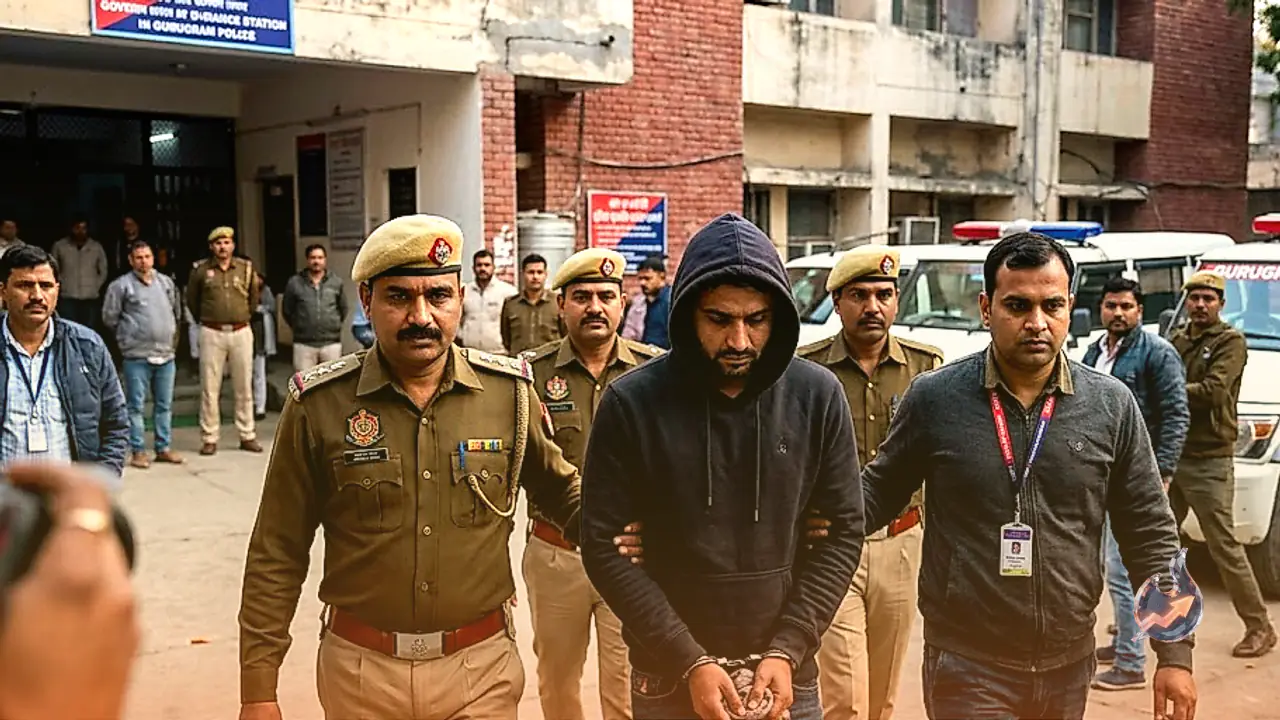





















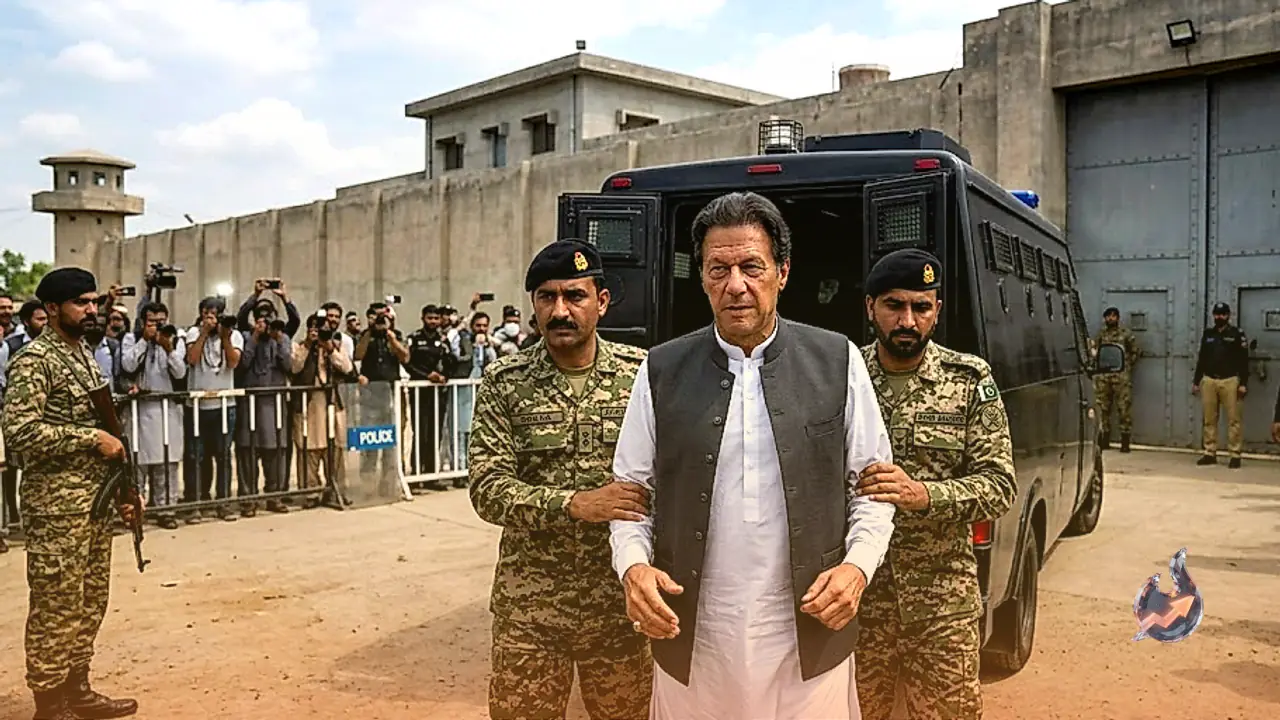

Amid ongoing political tensions in Pakistan, Pakistan Tehreek-e-Insaf (PTI) founder Imran Khan has been transferred back to Adiala Jail after spending less than 24 hours at Shifa Hospital. Khan was brought to the medical facility late Thursday night following judicial directives for a comprehensive health evaluation. A specialized team comprising six medical experts conducted thorough examinations of Khan during his brief hospital stay. Upon completing the medical assessment, the panel of doctors deemed it safe for Khan to remain under incarceration, prompting authorities to move him back to his cell in Adiala Jail. High-security measures were put in place prior to his arrival at the hospital, with extensive police deployments surrounding the premises and senior law enforcement officials inspecting the security arrangements. The rapid decision to return him to prison within 24 hours underscores the military's firm stance on maintaining his detention. Simultaneously, recent statements from senior PTI leadership suggest that the party is exploring options to defuse prolonged friction with the military establishment.
Supreme Court Mandate and Legal Developments
The temporary hospital transfer was executed in compliance with an order issued by the Supreme Court of Pakistan. Citing concerns over Imran Khan's health conditions, the apex court had instructed authorities to facilitate a detailed medical examination at Shifa Hospital within a 48-hour window. The court mandated the formation of a dedicated medical board and formally permitted Khan's personal physician to be present during all clinical evaluations. In response, the government sought to stall the execution of the order by submitting a review petition. However, on Thursday, the Supreme Court Registrar's office returned the government's review plea after raising procedural objections.
Adding to the evolving situation, Federal Minister Tariq Fazal Chaudhry remarked on the possibility of sending Imran Khan abroad for medical treatment if specialized care required it. On the other hand, PTI Secretary General Salman Akram Raja addressed speculation regarding Khan's potential transfer to his private residence in Bani Gala. Raja clarified that discussions about moving Khan to Bani Gala or declaring the premises a sub-jail remain premature at this stage. Nevertheless, he noted that if expert doctors conclude that the prison environment poses a detriment to Khan's health, administrative alternatives such as designating a facility as a sub-jail could be evaluated. According to Raja, the official medical report presented before the court explicitly highlighted that the atmosphere inside the prison exacerbates Khan's anxiety and stress levels.
Softening Stance Towards Military Leadership
Parallel to the medical developments, statements made by close Imran Khan aide Zulfi Bukhari have introduced a notable shift in political discourse. In an interview, Bukhari indicated that if Imran Khan were to be released from custody, he would refrain from initiating a direct confrontation with the military leadership or Army Chief Field Marshal Asim Munir. Bukhari emphasized that in the event of Khan's release, the party leader would avoid taking actions that could compromise national stability or harm the country's interests.
Bukhari clarified that this perspective does not imply capitulation to the establishment, but rather reflects a pragmatic decision to manage personal grievances and emotional pain for the larger national good. He stated that moving forward for a better national future requires exercising restraint and enduring hardship rather than pursuing perpetual conflict. Expressing optimism regarding judicial interventions, Bukhari described the Supreme Court's ruling as a ray of new hope for legal fairness and national stability.
Uncertainty Surrounding PTI-Military Dynamics
Bukhari's comments are widely viewed by observers as a departure from the aggressive posture previously maintained by PTI. For an extended period, Imran Khan and his party have been locked in severe conflict with the military establishment. PTI supporters have consistently blamed Army Chief Asim Munir for Khan's arrest, the subsequent legal cases, and the crackdown on party cadres. Consequently, Bukhari's indication of a willingness to avoid confrontation marks a potential strategic recalibration within the party leadership.
Despite these signals, Bukhari clarified that no formal talks or active negotiations are currently taking place between PTI and military representatives. He acknowledged that Field Marshal Asim Munir remains among the most powerful figures in Pakistan, whose influence is central to the country's governance structure. Meanwhile, political analysts caution against drawing definitive conclusions from statements made by party representatives outside prison. Due to Khan's prolonged incarceration, direct communication between the party founder and senior officials has been strictly limited. Analysts emphasize that the views expressed by party aides may not entirely reflect Imran Khan's personal stance, leaving the prospect of actual reconciliation between Khan and the military uncertain.