




















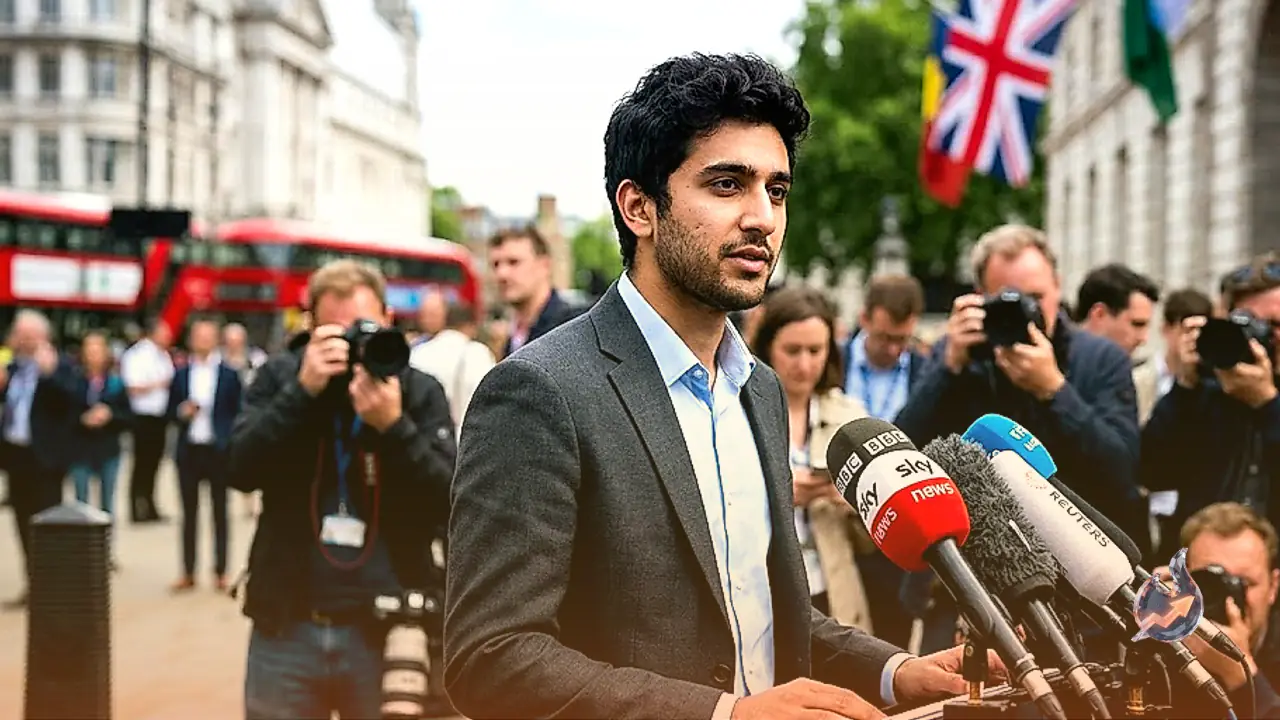

Qasim Khan, son of former Pakistani Prime Minister Imran Khan, has openly addressed the prospect of a negotiated settlement with authorities to secure his father’s release from incarceration. Expressing personal distress over the ongoing confinement, Qasim noted that from a son’s perspective, he would endorse any viable compromise between his father and the government if it opened a clear path for release. He simultaneously acknowledged, however, that he has not spoken to his father in seven months and lacks a comprehensive grasp of current domestic political dynamics inside Pakistan.
Reflecting on the emotional toll on the family during a recent conversation, Qasim explained that gaining access to visit his father has become increasingly formidable. Given those circumstances, he would support any compromise to end the detention. On a strictly personal level, he expressed that he would be relieved if Imran Khan agreed to a settlement with the ruling authorities to walk free from prison.
The Barrier of Political Prisoners and Imran Khan’s Convictions
While Qasim would welcome such a resolution, he emphasized that his father is unlikely to yield to any easy compromise. He pointed out that for the former prime minister, the issue transcends individual liberty. Multiple other political prisoners remain incarcerated across Pakistan, alongside several detained members of their family network. Under such conditions, pursuing an arrangement that secures only his personal freedom while colleagues remain behind bars represents an improbable course for him.
Describing his father as an individual of immense resolve, Qasim noted that Imran Khan remains deeply conscious of the numerous political party workers and associates sharing incarceration. This awareness makes the prospect of accepting an isolated personal concession an exceptionally challenging decision, as the former leader views his circumstances as inextricably linked to those of his detained supporters.
Allegations of Judicial Defiance and Total Communication Blockade
Qasim also raised strong grievances regarding systemic obstacles preventing family contact, alleging that direct communications remain entirely blocked despite explicit judicial orders. According to him, the Supreme Court of Pakistan had issued an explicit mandate directing authorities to facilitate communication between the detained leader and his family members. However, compliance with that ruling and related legal directives has remained absent, resulting in seven continuous months without a conversation.
These remarks have fueled fresh debate regarding whether the administration led by Prime Minister Shehbaz Sharif has floated any concrete settlement proposals to resolve ongoing legal cases in exchange for release. To date, there has been no independent confirmation of any such proposal. When inquiries regarding potential deal offers were directed to Information Minister Attaullah Tarar, no immediate response was provided.
Mounting Health Worries and Solitary Confinement Claims
In parallel with political speculation, heightened apprehension surrounds Imran Khan’s medical condition while detained. Reports regarding deteriorating health have emerged in recent months, with claims highlighting significant damage affecting the vision in one of his eyes, necessitating multiple hospital transfers for clinical examinations.
Legal representatives and relatives have raised sharp concerns regarding the conditions of his confinement. They assert that the former prime minister is subjected to severely restrictive measures, spending approximately 23 hours a day inside a compact cell devoid of natural daylight and isolated from contact with other inmates. Pakistani official authorities have consistently dismissed these allegations, disputing claims of substandard treatment.
Deferred Demonstrations and Ongoing Legal Struggles
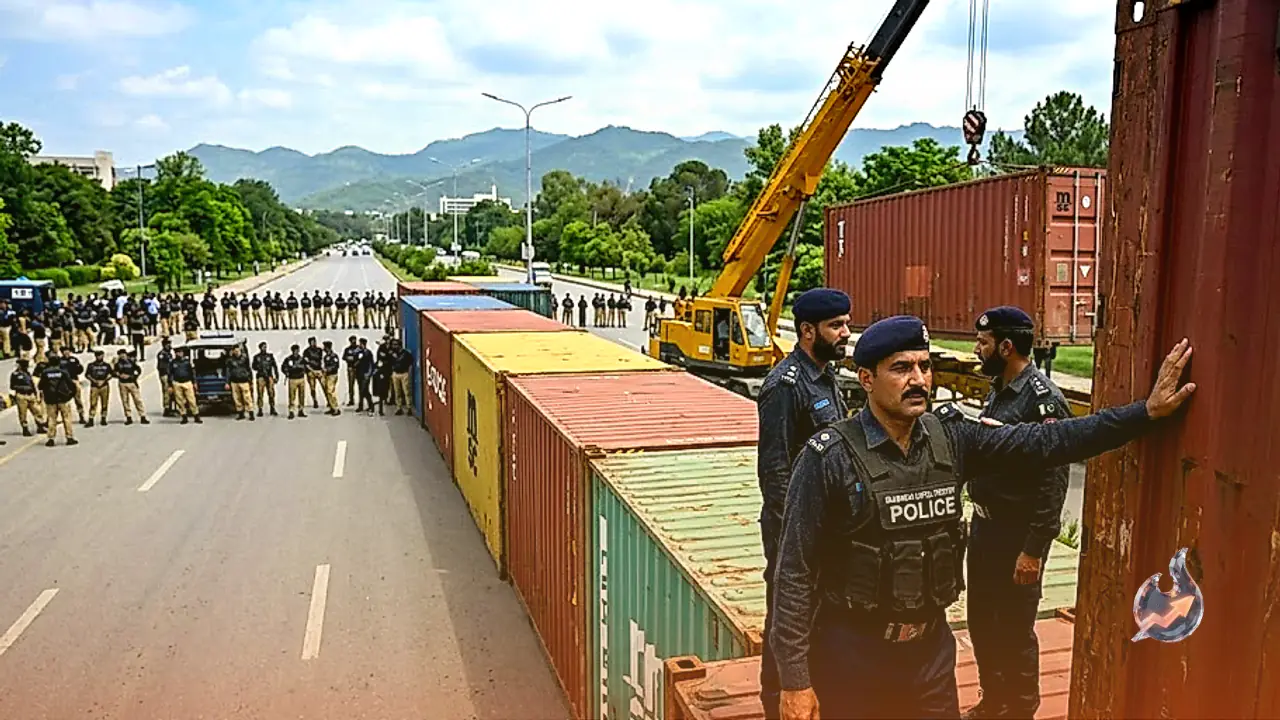
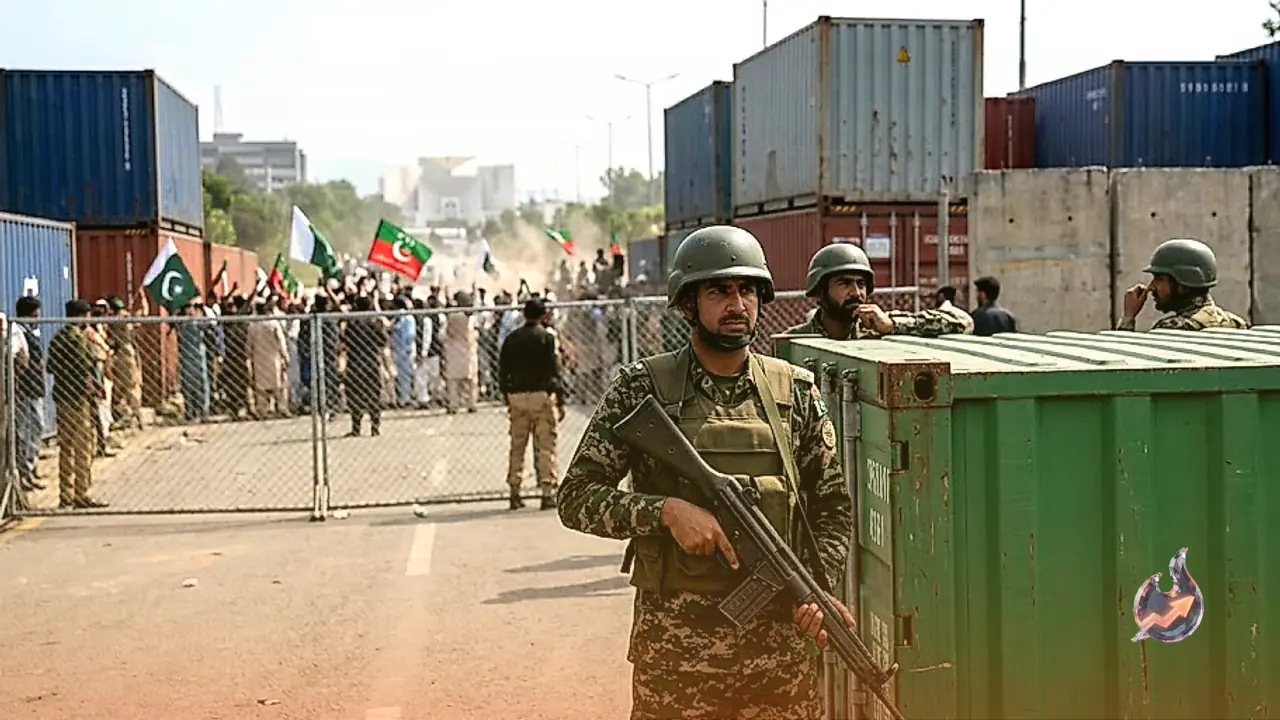
These developments unfold alongside tactical shifts by Imran Khan’s political party, Pakistan Tehreek-e-Insaf. The organization had prepared a nationwide campaign of protest rallies across the country, but the demonstrations were subsequently postponed amid prospects of potential dialogue with administrative authorities.
Imran Khan continues to serve prison terms following convictions across multiple legal cases, including a 14-year sentence handed down last year in connection with a major corruption case. Against this tense background, his son’s frank reflections on reconciliation have reignited broader scrutiny over potential behind-the-scenes negotiations in Pakistan’s volatile political landscape.