






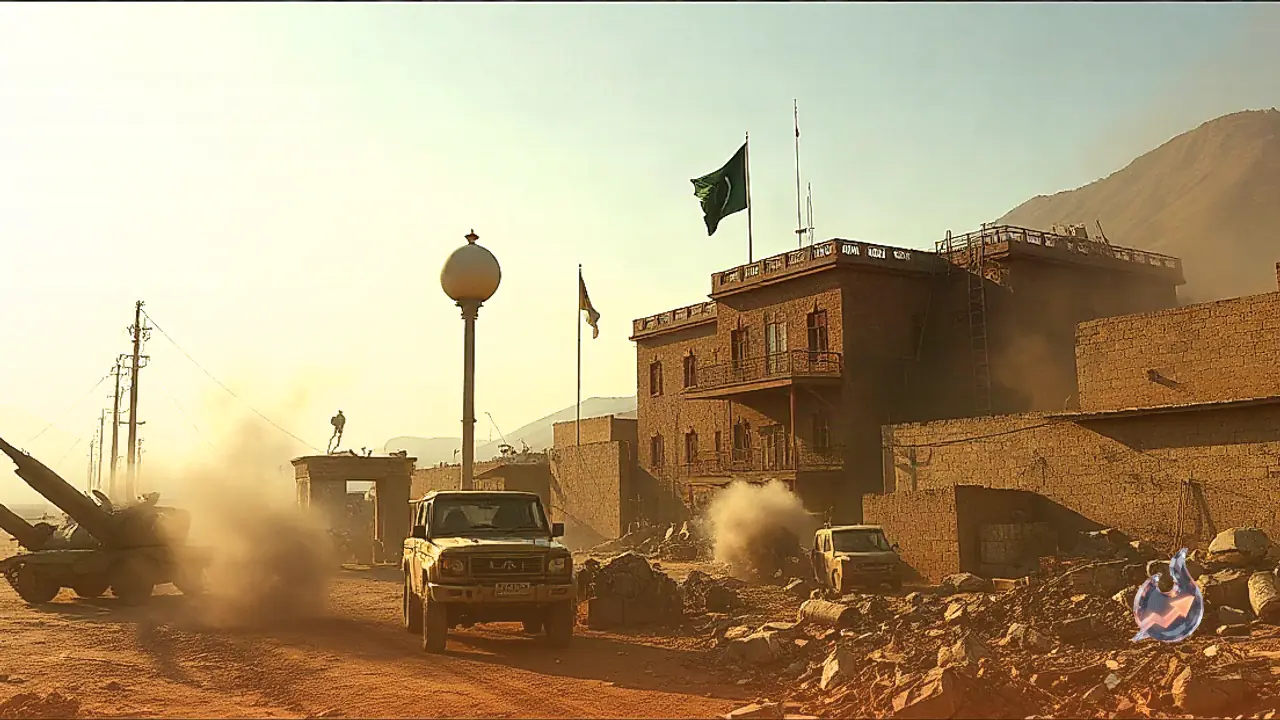














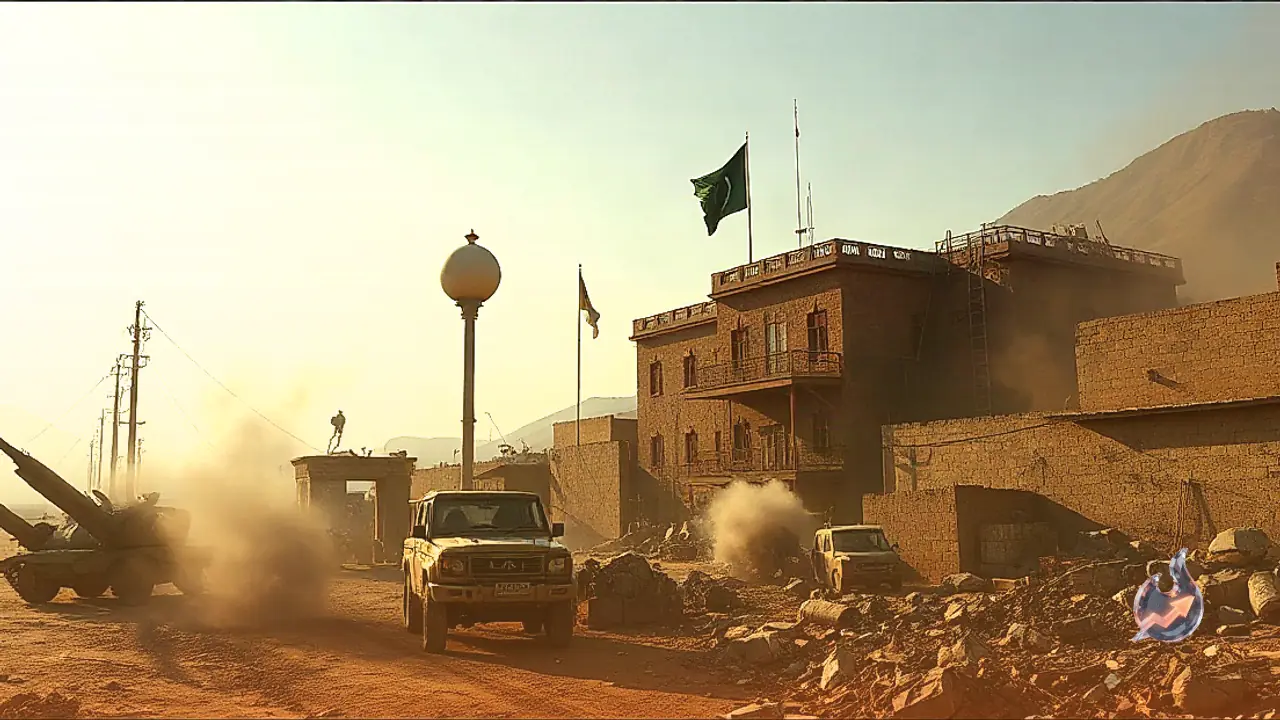

Tensions have escalated significantly along the volatile border between Pakistan and Afghanistan following a nocturnal armed clash in the Kurram sector. The skirmish involved intense exchange of fire between Afghan Taliban fighters and security forces from Pakistan, marking another flashpoint in the increasingly strained relations between the two neighboring nations.
Details of the Nighttime Skirmish
According to Pakistani security officials, the confrontation commenced late Saturday night when Afghan forces launched unprovoked attacks targeting Pakistani border outposts. The firing reportedly originated from regions adjacent to the Nangarhar and Paktia provinces of Afghanistan. This sudden barrage of gunfire occurred shortly after Pakistani troops successfully intercepted and foiled a suspected cross-border infiltration attempt. While Pakistan maintains that the Taliban initiated the aggression without any provocation, the Taliban administration has denied launching any such offensive.
Retaliation and Use of Heavy Artillery
In response to the incoming fire, the Pakistani military launched a robust counter-offensive. Security sources indicated that Pakistani troops deployed heavy weaponry, including mortars and artillery shells, to target several Afghan Taliban border posts and security installations. The retaliatory strikes reportedly forced some Taliban fighters to abandon their forward positions and retreat deeper into Afghan territory, though these claims have not been independently verified.
This latest clash follows a series of security incidents in the region. Prior to this engagement, Pakistani authorities reported that a group of armed individuals had attempted to cross into the Kurram district of Khyber Pakhtunkhwa from Afghanistan. Islamabad identified these intruders as active members of the outlawed Tehreek-e-Taliban Pakistan (TTP), a militant group that the Pakistani government officially designates as "Fitna-al-Khawarij".
Deepening Geopolitical Divide
The border region has remained a source of persistent friction between Kabul and Islamabad. Pakistan has repeatedly accused the Taliban-led administration in Afghanistan of providing safe havens to various militant groups that execute cross-border attacks inside Pakistani territory. Conversely, the Afghan Taliban has consistently rejected these allegations, asserting that they do not permit any foreign militant outfits to utilize Afghan soil to launch attacks against neighboring countries.
Relations have deteriorated further in recent weeks, characterized by direct military actions. On September 21, the Pakistani military executed targeted airstrikes in eastern Afghanistan, claiming to have hit active terrorist sanctuaries. However, Afghan officials strongly condemned those aerial operations, asserting that the strikes resulted in civilian casualties rather than neutralizing militants. This ongoing cycle of accusations and military engagements continues to threaten regional stability.