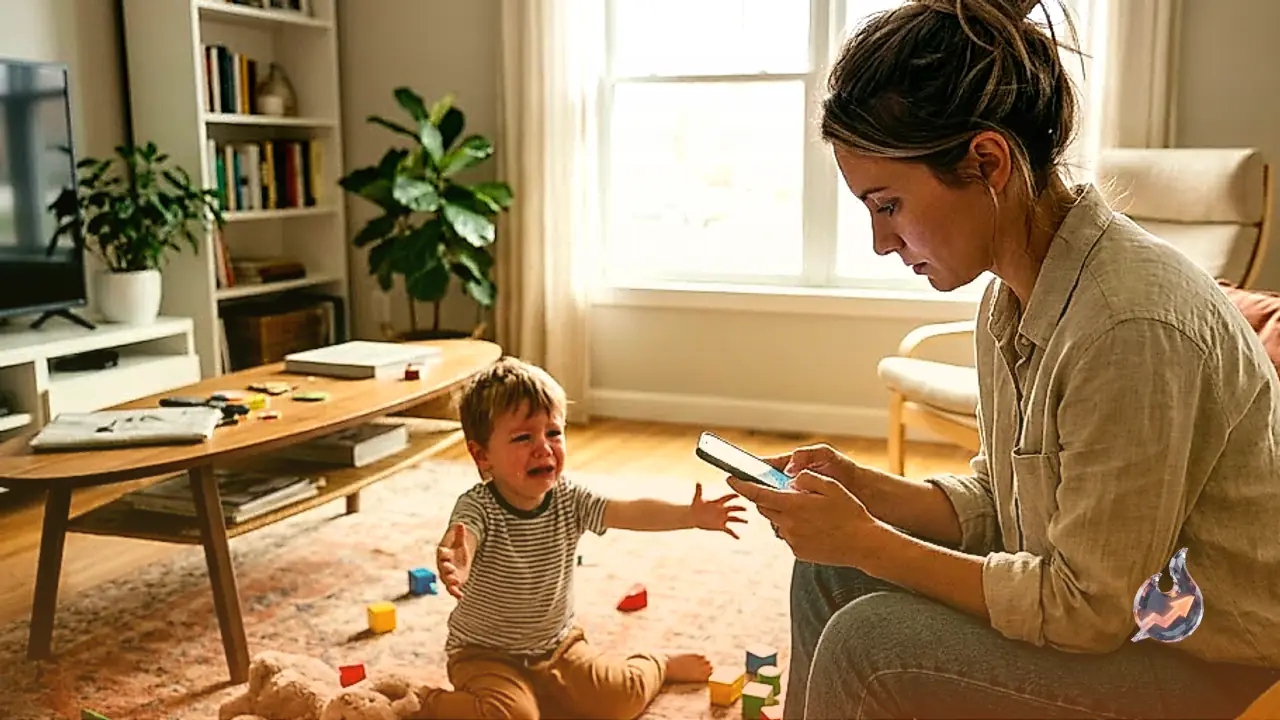

























Parenting involves significantly more than simply managing academic schedules, instilling cultural values, or deciding what is right and wrong. Beyond these foundational duties, children require a genuine and enduring emotional connection with their parents. Every child seeks to feel that their voice matters, that their day-to-day feelings are acknowledged, and that errors will be met with supportive guidance rather than instant anger or scolding. For this reason, modern positive parenting emphasizes love, open communication, active listening, and setting boundaries with composure. By adopting small, intentional shifts in daily habits, parents can foster an environment where children feel secure enough to share their thoughts without fear of judgment.
Active Listening: Giving Children Uninterrupted Attention
When children return home and begin sharing experiences about school, peer interactions, or personal frustration, parents often feel inclined to immediately offer solutions, pass judgment, or dismiss the concern. For instance, if a child mentions that a friend refused to talk to them during break, replying with a quick phrase like never mind, just forget it invalidates their emotional experience. Instead, facing the child directly, maintaining eye contact, and reflecting their sentiments creates a safe space. Asking a gentle question such as did that situation make you feel hurt allows the child to feel truly understood. This approach, known as active listening, strengthens communication and deepens mutual trust.
Specific Praise: Acknowledging Particular Positive Behaviors
Encouragement plays an essential role in reinforcing positive conduct, yet blanket statements often lack educational value. While praising a child when they complete their homework on time, tidy up their toys, or assist a younger sibling is vital, generic words like good boy or good girl do not fully convey what was done well. Instead, parents should offer specific feedback that highlights the precise behavior. For example, pointing out that putting away toys immediately after playing shows great responsibility helps the child connect the action with positive values, encouraging them to repeat that beneficial behavior in the future.
Constructive Correction: Addressing Behavior Rather Than Identity
Making mistakes is a fundamental part of learning and growing during childhood. When a child makes an error, it is crucial for parents to avoid attacking the child's identity or applying broad negative labels. Uttering phrases such as you are so careless or you always make a mess damages self-esteem and causes defensive reactions. Instead, parents should focus entirely on the specific action and offer clear instructions on how to correct it. Pointing out that scattered items need to be returned to their designated places after playing corrects the behavior directly without leaving the child feeling shamed or insulted.
Quality Time: Daily Device-Free Engagement
Dedicating quality time to a child does not require elaborate travel plans or expensive weekend activities. Consistently sharing brief, meaningful moments during daily life is far more effective. Engaging in a quiet conversation, reading a book together, playing a board game, or going for a short evening walk can significantly strengthen family bonds. The key to effective quality time is eliminating distractions by putting away mobile phones, televisions, and work-related notifications. When parents offer undivided attention, children feel genuinely prioritized and emotionally grounded.
Clear Boundaries: Establishing Rules With Love and Respect
Adopting a positive parenting framework does not mean allowing total freedom or foregoing household structure. Age-appropriate rules are necessary for children to feel safe and understand expected limits. However, the manner in which rules are communicated makes a profound difference. Enforcing boundaries through intimidation, physical discipline, or harsh yelling breeds resentment and emotional distance. Conversely, explaining boundaries calmly while remaining empathetic to the child's perspective fosters cooperation. Balancing firm, transparent rules with emotional respect helps children learn self-discipline within a secure framework.
Individual Differences and Knowing When to Seek Professional Help
Every child possesses a distinct personality, temperament, and developmental trajectory, meaning that specific parenting strategies may yield different results depending on the child's age and circumstances. Effective parenting is not about reaching flawless perfection; it is about creating an environment where a child consistently feels safe, heard, and validated. Developing daily habits like mindful listening, precise praise, constructive feedback, device-free connection, and respectful boundary setting builds a strong foundation over time. If a child experiences persistent emotional distress or challenging behavioral patterns, consulting a qualified pediatrician or a certified child psychologist is recommended.