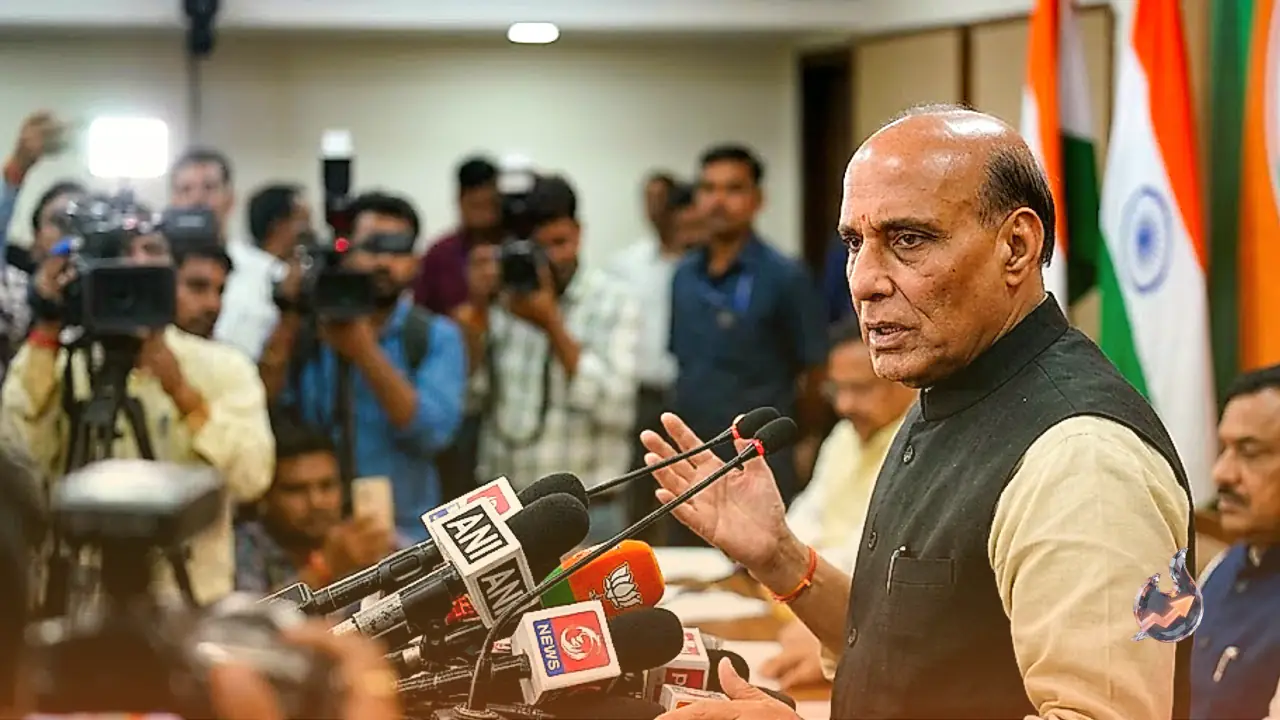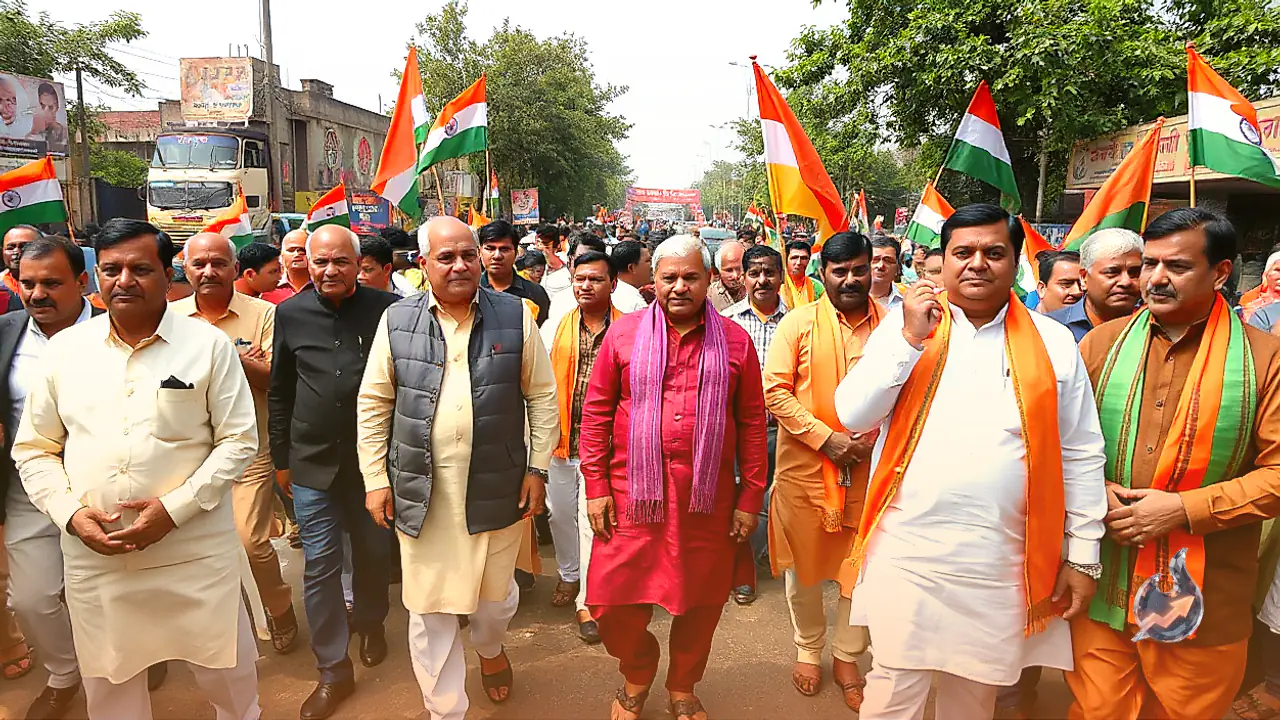



















Student protests following the NEET paper leak in July this year have thrust India's youngest voting demographic into the epicenter of national politics. The widespread demonstrations forced major political organizations to reconsider their long-standing outreach strategies to engage Gen Z voters. Unlike previous generations, these young citizens generally do not follow politics through traditional rallies, television debates, or newspaper headlines. Instead, they digest information, debate key topics, and orchestrate campaigns primarily through Instagram, YouTube, digital memes, and university campus networks. Heading toward the 2029 Lok Sabha elections, this demographic shift presents both an unprecedented electoral prospect and a formidable challenge for India's major political parties.
BJP's Physical Campus Push and Short-Form Digital Strategy
The Bharatiya Janata Party built a strong social media presence over the past decade, though its messaging was largely tuned toward older demographic segments. Following recent student demonstrations, the party shifted its digital ecosystem to directly address the evolving political narrative. To connect with Gen Z and the emerging Alpha generation, the BJP launched a dedicated campaign called 'One Day, One University'. Under this physical outreach initiative, Union Ministers are visiting university campuses to interact directly with students, extending the government's engagement beyond digital screens onto college grounds.
On digital platforms, the BJP has pivoted toward short-form, interactive, and youth-focused content. Addressing protesting students directly, Prime Minister Narendra Modi released a selfie-style video on Instagram rather than relying on standard podium speeches or his 'Mann Ki Baat' radio broadcast. During a cabinet review on August 19 assessing the social media reach of Union Ministers, PM Modi ranked at the top. Reels shared during demonstrations at Jantar Mantar, including a 'Get Ready With Me' (GRWM) format reel, garnered more than 100 million views combined. In Delhi, the BJP instructed its youth wing, lawmakers, ministers, and affiliated student groups like ABVP to deepen direct interactions with first-time voters, moving away from relying solely on grand rallies and roadshows.
Congress Strategy Overhaul and Rahul Gandhi's Direct Student Outreach
Meanwhile, the principal opposition party, Congress, is also reshaping its communication approach. Leader of the Opposition in the Lok Sabha, Rahul Gandhi, is driving this national recalibration. Moving past traditional rallies, large-scale marches such as the 'Bharat Jodo Yatra', and routine farmer interactions, Gandhi is focusing on agile formats like 'Ask Me Anything' (AMA) sessions designed for Gen Z and Alpha audiences.
Congress is rolling out a nationwide student initiative named 'Chhatron Ki Goonj' (Echo of Students), which focuses on key student-centric issues. Rather than depending on formal public rallies, Rahul Gandhi is taking this campaign straight to student hubs. During an interactive session in Prayagraj, his message centered on the core themes of 'Dard, Data, Daulat' (Pain, Data, Wealth). He has also scheduled interactions with students at the College of Engineering Pune (COEP).
Demographic Dynamics of Gen Z in the 2029 Lok Sabha Elections
By 2029, India's Gen Z population (aged between 18 and 32) is projected to reach approximately 380 million (38 crore), comprising about 199 million males and 181 million females. This will make Gen Z the largest adult generation in the country, surpassing Millennials, whose population is estimated at roughly 357 million (35.7 crore).
Demographic trends highlight an interesting shift. In 1988, the 18 to 29 age group accounted for 38.3 percent of India's voting-eligible population. By 2024, this share dropped to 30.1 percent, and UN projections indicate it could decline further to 27.8 percent by 2029. Consequently, while Gen Z will form the largest individual adult generation segment, the proportion of young voters within the overall electorate is gradually shrinking as the country's average age rises.