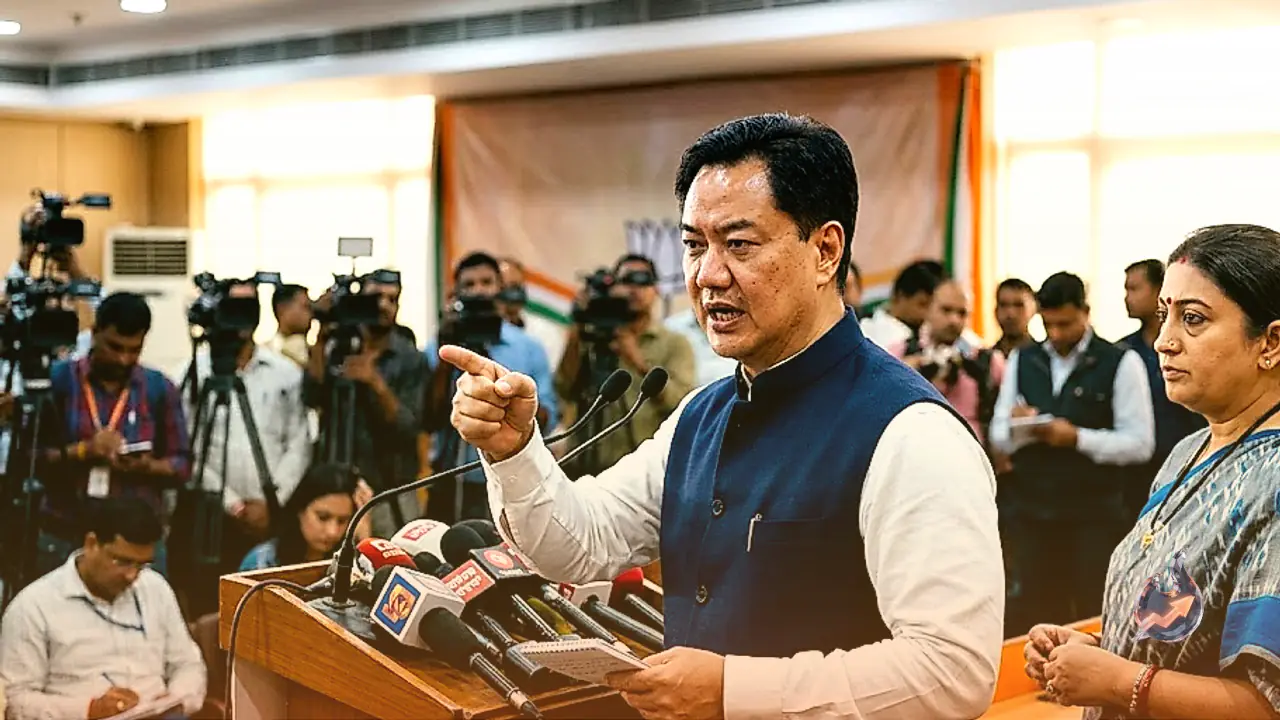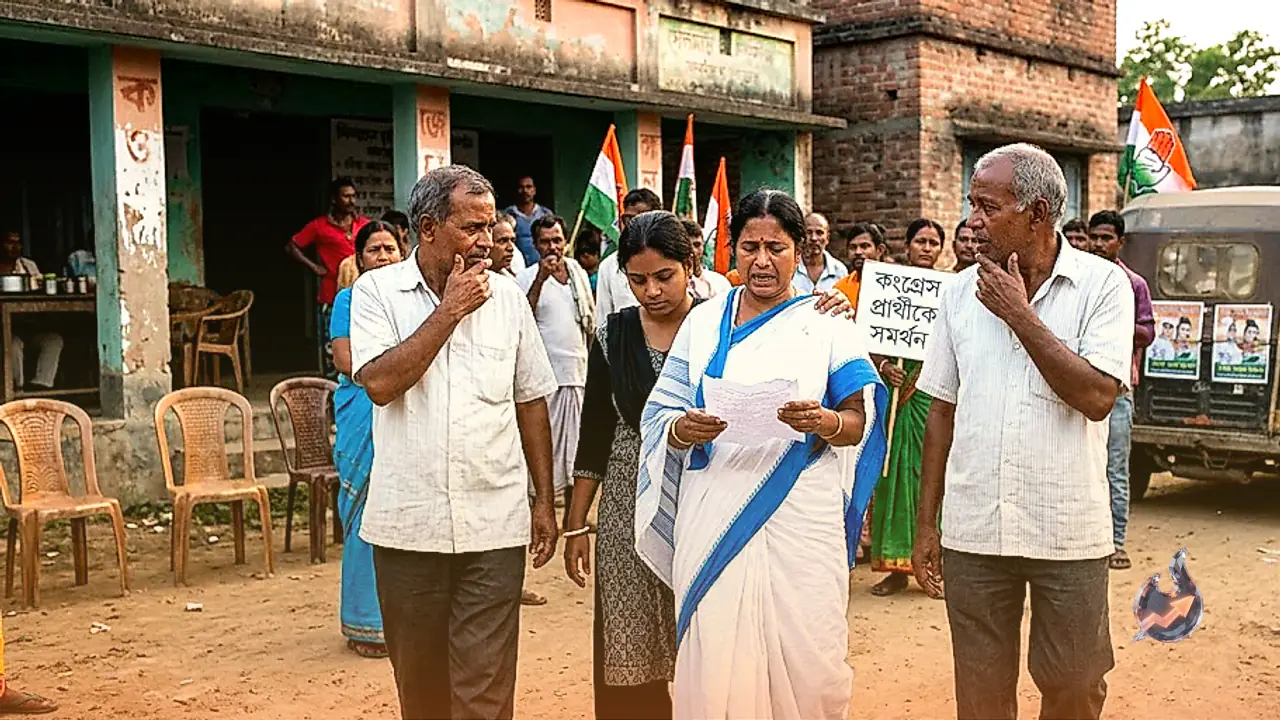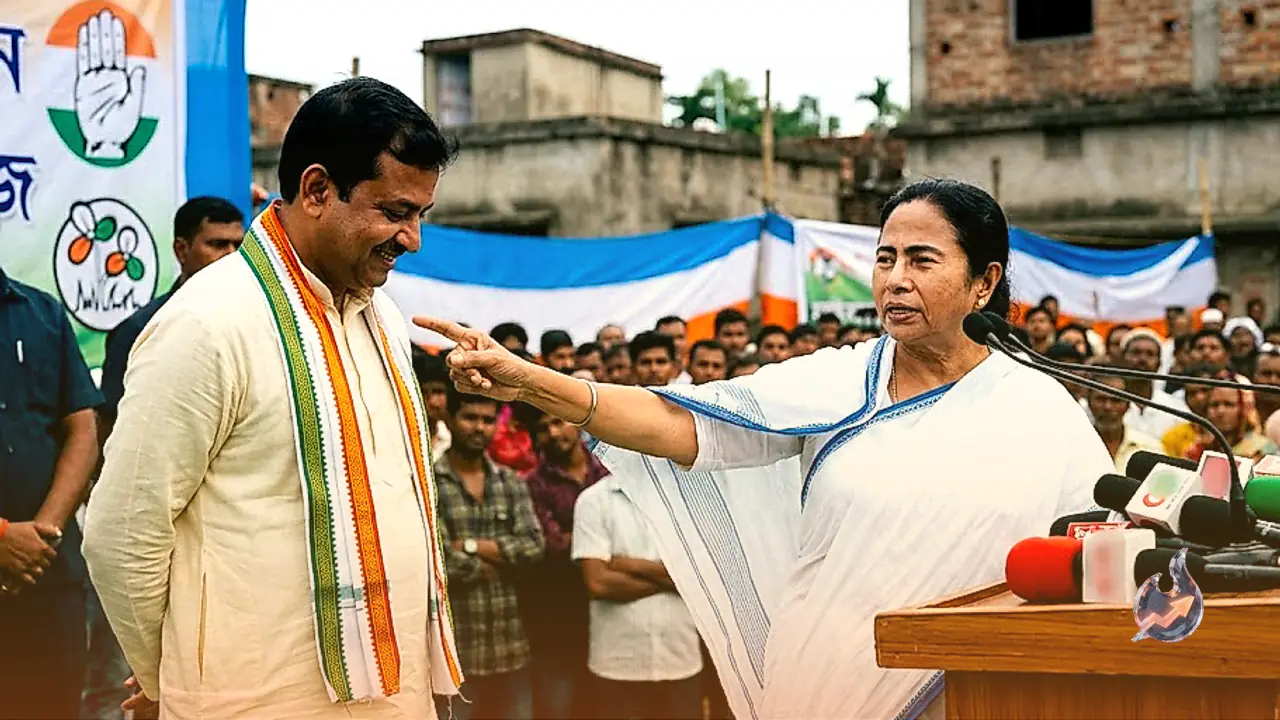

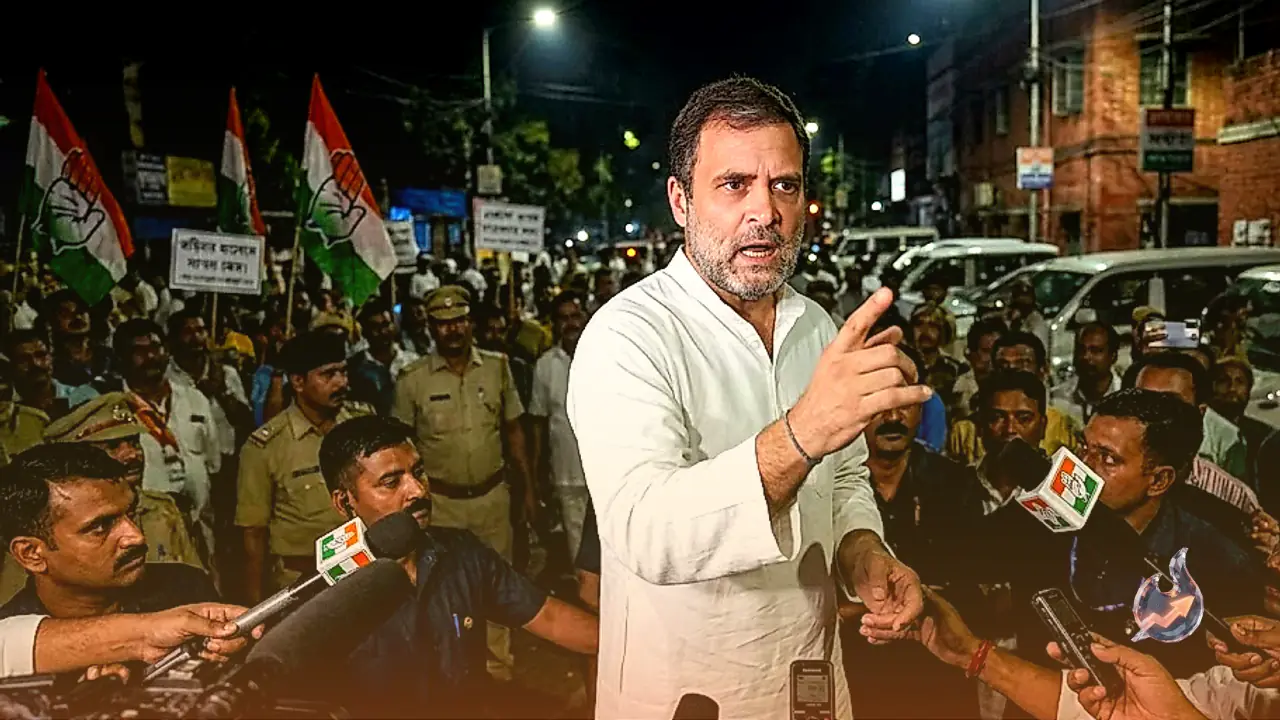


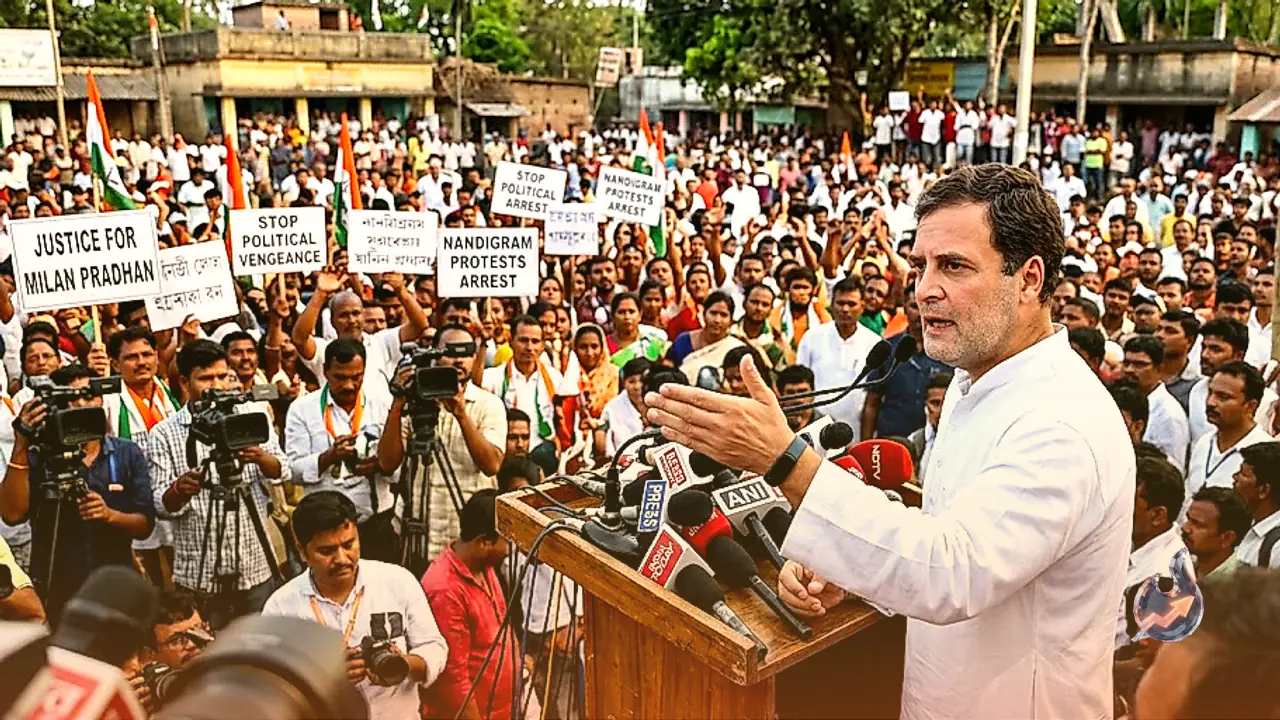
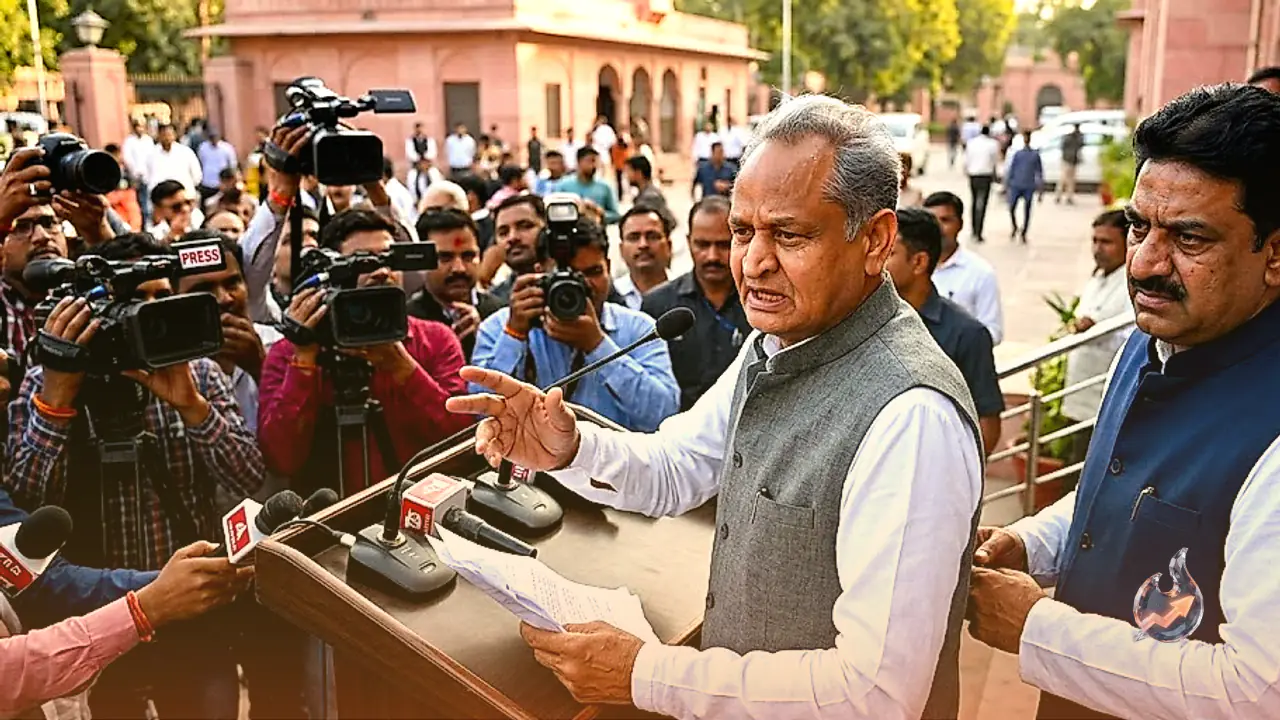
















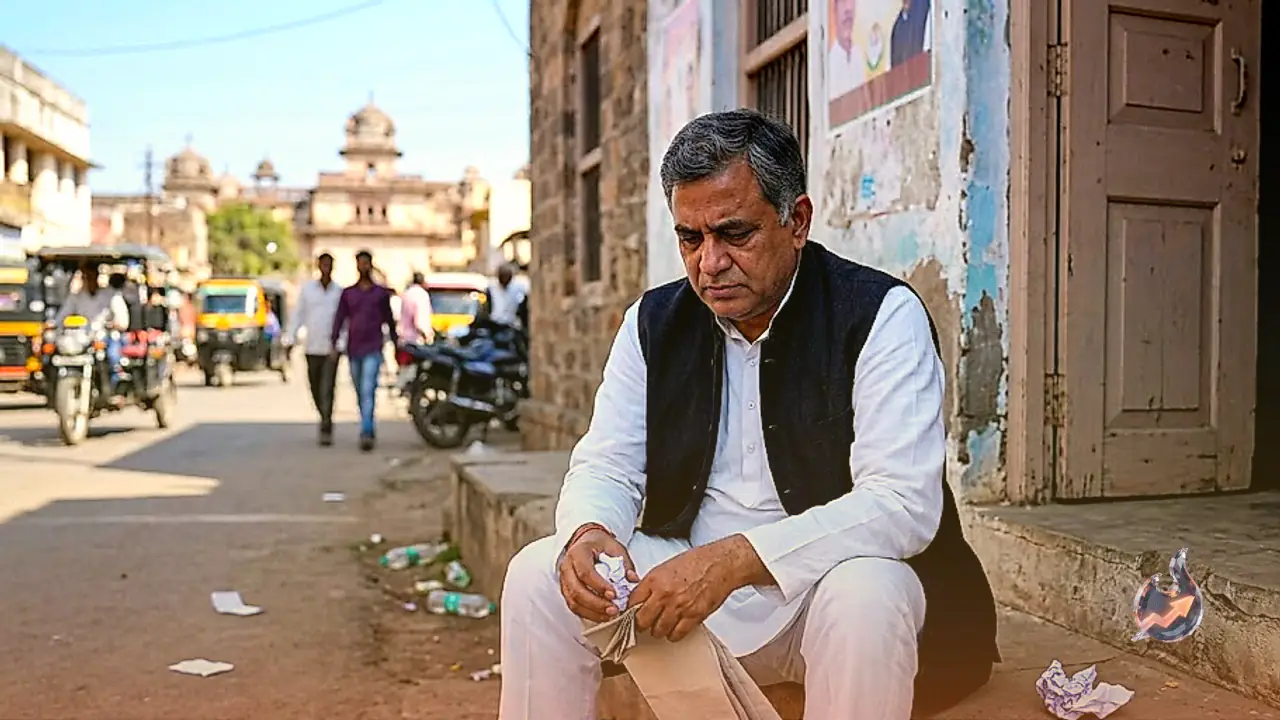

The recent assembly by-election outcomes in Bankipur and Datia have triggered intense political discussions across party lines, highlighting potential shifts in traditional voter behavior. The loss in constituencies that were long considered impenetrable strongholds suggests that supporters may no longer vote in a uniform manner. Observers and leaders within the ruling coalition are now evaluating whether these results point toward a broader trend where local factors outweigh historical political loyalty.
The Fall of Long-Standing Strongholds
In Bihar, the Bankipur seat had remained under the control of the same political force since 1995, first represented by Naveen Kishore Prasad Sinha and later by his son Nitin Nabin. However, this electoral cycle broke the three-decade-old precedent as Jan Suraaj chief Prashant Kishor secured victory in the constituency. A similar outcome unfolded in Datia within Madhya Pradesh, reinforcing the impression that voters in previously secure regions are willing to alter their preferences based on immediate circumstances.
Candidacy Selection and Internal Friction
Local candidate selection has emerged as a central discussion point regarding the Datia defeat. Instead of fielding Narottam Mishra, who had long served as a prominent political face in the region, the party opted for younger leader Ashutosh Tiwari. Mishra had expressed his dissatisfaction publicly prior to the polls. Party insiders are now examining the degree to which this local discontent directly influenced the final tally and contributed to the unexpected loss.
Allied Concerns and Controversial Statements
Key allies within the coalition have also voiced apprehension over the results. A senior JD(U) leader noted that receiving such an outcome merely eight months after a major victory in Bihar serves as an important signal for the entire alliance. This marked the first major electoral contest where the primary party's local role was particularly pronounced, making it essential to heed the electorate's message. Additionally, remarks made during campaigning by a parliamentarian, who allegedly suggested that even a dog or cat could win on the party ticket, drew sharp criticism. Following the defeat by roughly 19,000 votes in Bankipur, a Lok Janshakti Party parliamentarian openly questioned the wisdom of such comments, which analysts believe may have alienated sections of the voters.
Navigating Future Electoral Strategy
In the wake of these setbacks, leadership faces the pressing task of recalibrating organizational coordination, addressing grassroots friction, and refining candidate selection processes. Political analysts indicate that interpreting these results as isolated incidents rather than systemic signals could hand an advantage to the opposition in future electoral battles. The emerging consensus among senior figures is that the contemporary voter evaluates individual candidates and local governance rather than relying solely on past political alignment.