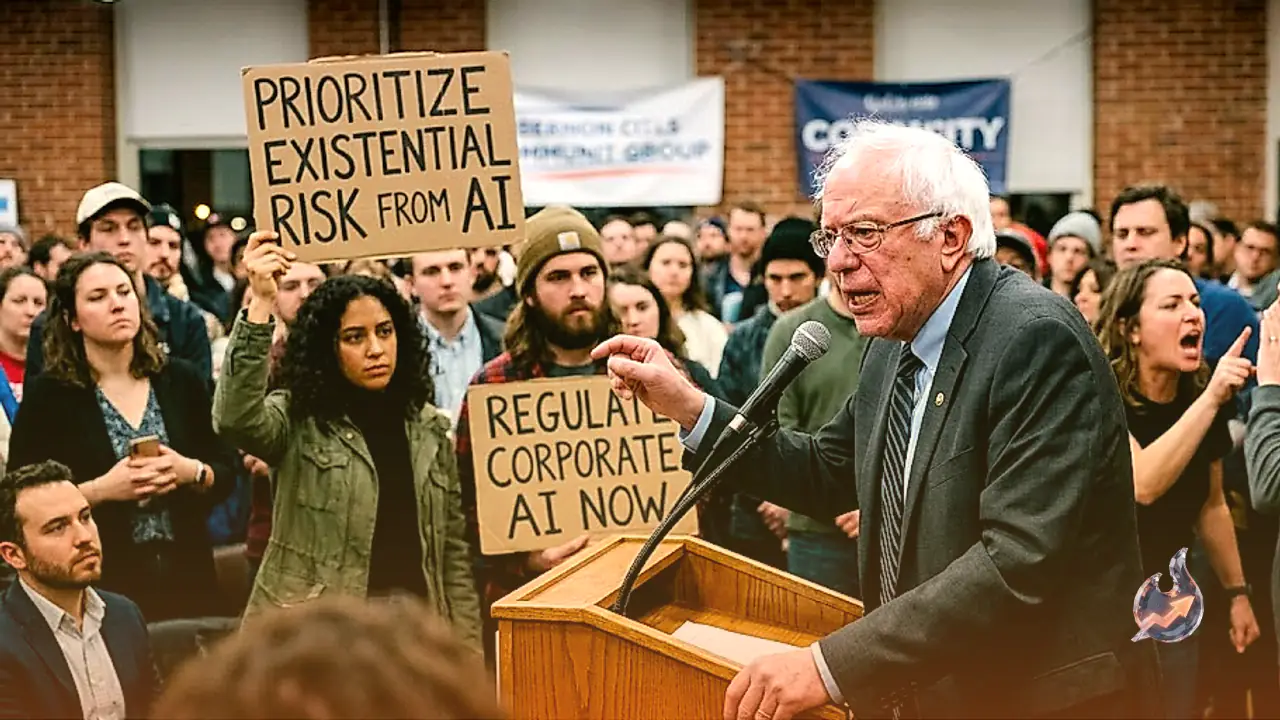























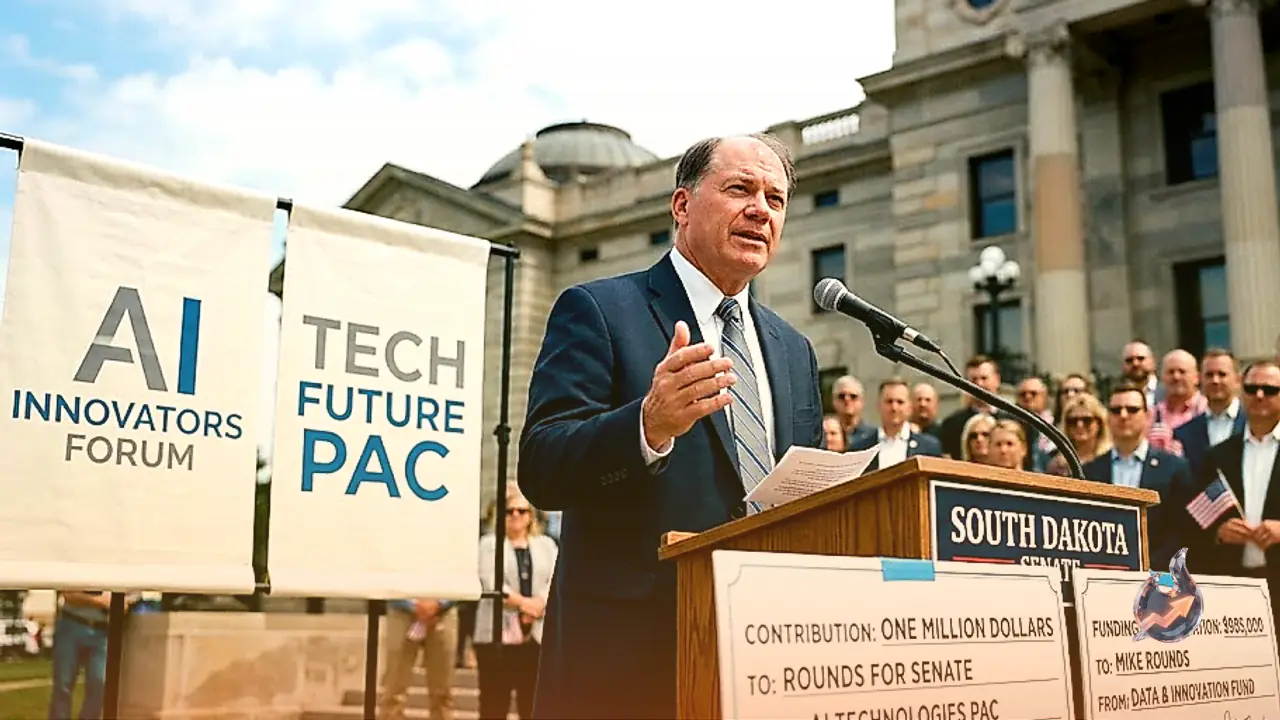

Major political action committees linked to artificial intelligence laboratories and prominent investors have poured substantial funding into the South Dakota Senate race of incumbent Republican Mike Rounds. Outside groups have spent roughly one million dollars to shape the outcome of this contest and influence the broader national debate surrounding artificial intelligence regulations.
Outside Spending Backs Mike Rounds
Mike Rounds has benefited from approximately six hundred thousand dollars in spending by external groups during this electoral cycle. The vast majority of this financial backing originates from the super PAC Defend American Jobs, which receives funding from a political action committee financed by venture capital firm Andreessen Horowitz. Federal Election Commission filings also show that he has received roughly two hundred fifteen thousand dollars directly from employees and political action committees affiliated with AI labs, most notably Anthropic, alongside various other tech companies such as Google and Microsoft.
Midterm Dynamics and Campaign Funding
With fewer than fifty days remaining until the November midterm elections, recent polling indicates that Mike Rounds leads independent candidate Brian Beng following the departure of Democratic candidate Julian Beaudion last month. Rounds has managed to raise more financial support from technology groups than from local donors within South Dakota. This spending pattern demonstrates a calculated effort by artificial intelligence laboratories to deploy extensive financial resources to navigate complex regulatory challenges regarding AI infrastructure and the energy-intensive data centers that support it.
Building Alliances on Capitol Hill
Congressional aides familiar with the matter note that artificial intelligence executives view Mike Rounds as a leading supporter of the tech industry. This alignment could prove vital in the upcoming Congress, where federal regulation of artificial intelligence is expected to become a top legislative priority. This financial push also highlights how AI labs are prioritizing the preservation of political allies on Capitol Hill, where such supporters remain scarce as lawmakers introduce numerous bills in response to public anxiety over artificial intelligence safety. A spokesperson for Mike Rounds did not respond to requests for comment regarding these developments.
Leading the Future Funding Announcement
Leading the Future, a super PAC funded in part by OpenAI president Greg Brockman alongside investors Ben Horowitz and Marc Andreessen, announced that it would allocate two million dollars toward Senate Republicans who have backed the artificial intelligence or cryptocurrency sectors. This targeted support list explicitly includes Mike Rounds.
Local Battles Over Data Center Infrastructure
Data center regulations have already become a contentious political issue in South Dakota. Earlier this year, the state legislature passed legislation requiring hyperscale operators to absorb a larger proportion of the water and energy costs associated with powering large-scale data centers. These facilities have triggered bitter partisan disagreements within the state legislature. Earlier this year, lawmakers voted against granting tax exemptions for software and hardware equipment required by data centers, effectively stalling a planned development project by Applied Digital, a firm that designs and constructs data infrastructure.
Although Mike Rounds ultimately endorsed placing additional restrictions on data centers, his senior aide and former chief of staff, Robert Skjonsberg, serves as a registered lobbyist for Meta regarding matters before the South Dakota legislature. While Meta operates numerous data centers nationwide, no Meta-affiliated center currently operates within South Dakota. Rounds' office informed Politico that their general counsel consulted with the Senate ethics committee regarding this arrangement and was advised that no conflict of interest existed.
Bipartisan Public Concerns Over Resource Consumption
Anxiety regarding the rapid expansion of data centers extends across party lines throughout the United States. A recent Gallup poll revealed that seven out of ten Americans oppose the development of new data centers due to their massive consumption of local water and energy resources, which surrounding communities are frequently left to subsidize.