


















Political friction is intensifying across Uttar Pradesh as the state gears up for its upcoming assembly elections, turning every local incident into a broader debate on caste and governance. While modern political discourse often focuses on youth and development, the ground reality in Uttar Pradesh remains heavily influenced by caste calculations. Even high-profile criminal cases like the murder of Ankit Baliyan are being viewed through a communal and caste lens, leading to intense political polarization following police encounters of the suspects.
In the initial phase of the Ankit Baliyan murder case, the Samajwadi Party attempted to build a specific narrative around the victim's identity to target the Yogi Adityanath administration. However, the political dynamics shifted dramatically when the Uttar Pradesh Police tracked down the key suspects and eliminated them in an armed encounter. Following this police action, opposition leaders quickly pivoted from criticizing the initial crime to questioning the legitimacy and intent of the encounter itself, setting off a fresh wave of political recrimination.
Meanwhile, senior Congress leader Rahul Gandhi has carved out a distinct political strategy, consistently raising issues related to social discrimination and purity drives in the aftermath of events involving Mallikarjun Kharge. Whether accusing authorities of serving tea in paper cups to marginalized communities or highlighting systemic biases, these moves are aimed at reviving the party's traditional vote bank. However, fresh revelations and factual discrepancies surrounding these claims have triggered widespread scrutiny, culminating in an FIR being filed against Rahul Gandhi, which has further infuriated Congress leaders who claim he is being targeted for speaking up for marginalized groups.
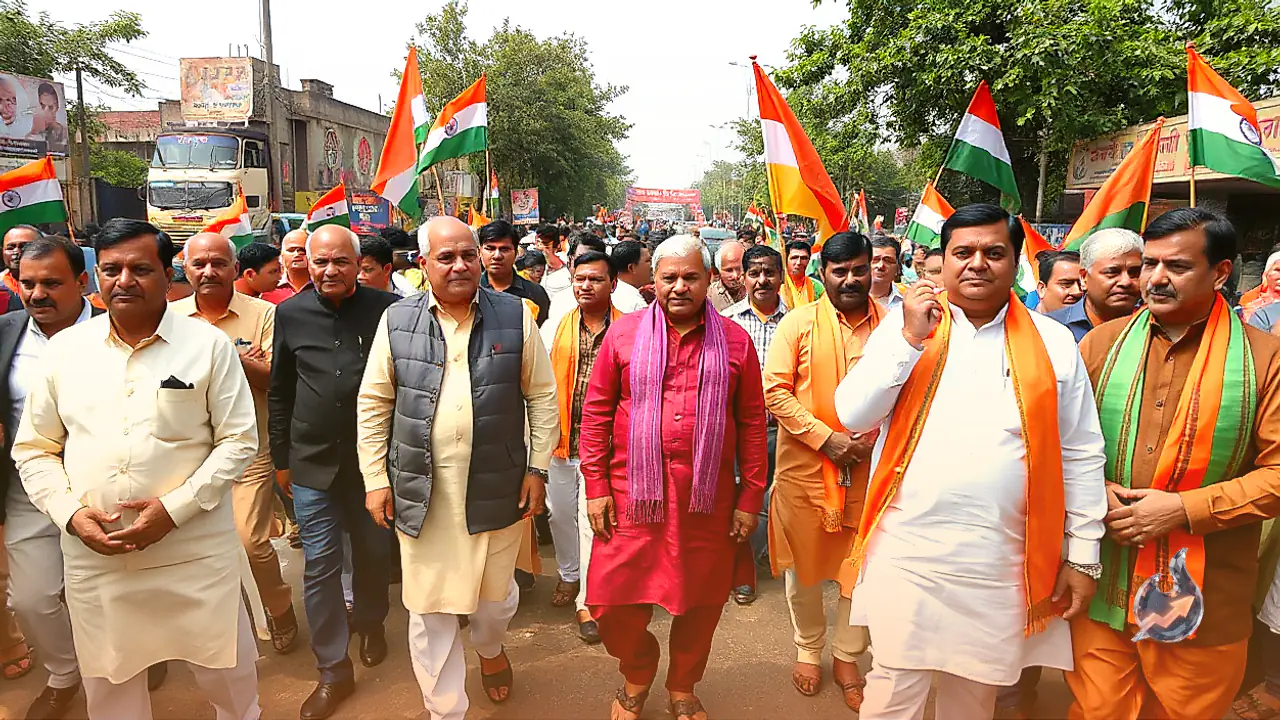
The political turbulence is not restricted to the opposition camp alone, as internal friction within the ruling NDA has also surfaced over issues of caste and reservation. Two ministers within the alliance recently locked horns over these sensitive topics, publicly demanding each other's resignation. This unprecedented display of discord highlights the immense pressure and volatility gripping the state's political landscape as parties jostle for supremacy ahead of the electoral battle.
The Caste Angle and Investigation in the Ankit Baliyan Case
The aftermath of Ankit Baliyan's tragic death has laid bare the deep political divisions in the state. While opposition figures like Akhilesh Yadav attempt to leverage the case through a caste-based narrative, the victim's grieving family has expressed satisfaction with the swift actions taken by law enforcement. Initially demanding an encounter for the perpetrators, Ankit's wife and sister recently acknowledged that the police administration is performing well and expressed relief that two of the primary suspects have been neutralized, while emphasizing that the quest for complete justice requires bringing the remaining accomplices to book as well.
The state police and the Special Task Force swung into action immediately after the murder was reported, operating on the strong suspicion that the contract killers hailed from outside Uttar Pradesh. Investigators immediately began combing through local closed-circuit television footage to trace the movement of the culprits. To ensure a thorough manhunt, the authorities deployed eight dedicated police teams spanning across seven different districts. Initial findings revealed the involvement of six individuals in the conspiracy, comprising four actual shooters and two accomplices who conducted recnoitering of the victim.
According to police records, two of the shooters arrived in Shamali on the evening of August 20 and checked into a local hotel. It was the surveillance footage from this very hotel that proved crucial in identifying the suspects as Mohit and Sumit. Following the execution of the crime on August 26, the shooters split up; two fled toward Karnal, while Mohit and Sumit escaped in the direction of Baghpat.
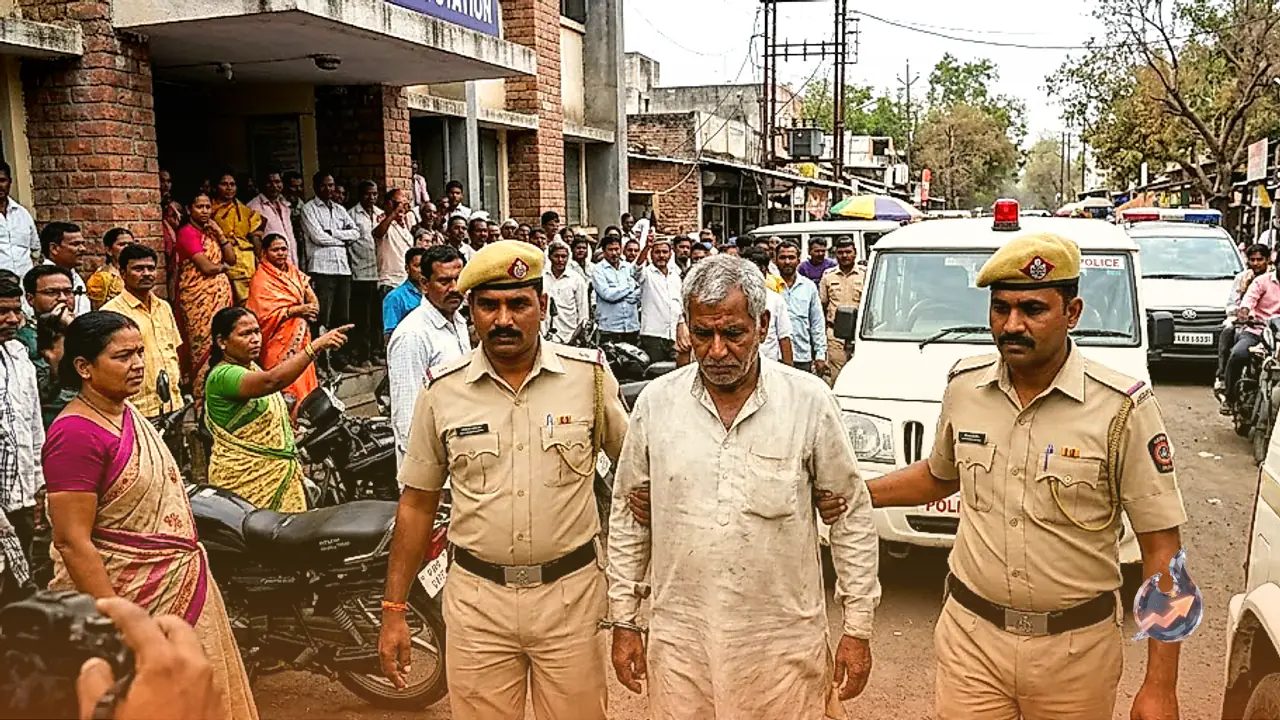
Law enforcement agencies intensified their tracking of Mohit and Sumit, eventually cornering them based on a tip-off from an informant. As the suspects attempted to flee toward Sonipat on Monday, they realized they were cornered and opened indiscriminate fire on the approaching police team. In the ensuing retaliatory fire, both shooters were killed, while two police personnel sustained injuries during the gunfight. Police are actively pursuing the remaining four absconding suspects, identified as Satyam and Aryan.
Political Fallout Over the Police Encounter
The neutralization of the murder suspects has forced a notable shift in the rhetoric adopted by the Samajwadi Party. Having previously utilized the victim's identity to build a political narrative, party leaders are now training their guns on the police encounter itself. Samajwadi Party chief Akhilesh Yadav questioned the authenticity of the operation, asking why crime persists if the government claims to know the culprits, and raising doubts about whether the right individuals were targeted in the shootout. Noting that the victim's father felt complete justice had not yet been delivered, Yadav demanded a high-level inquiry, alleging that past encounters were driven by caste bias and promising an investigation if his party comes to power.
Echoing his party supremo's stance, Samajwadi Party MP Awadhesh Prasad also called for a thorough high-level probe into the circumstances surrounding the encounter. While acknowledging the gravity of the crimes and the existence of strict penal provisions under the law including capital punishment, he questioned the sudden escalation that necessitated a fatal shootout.
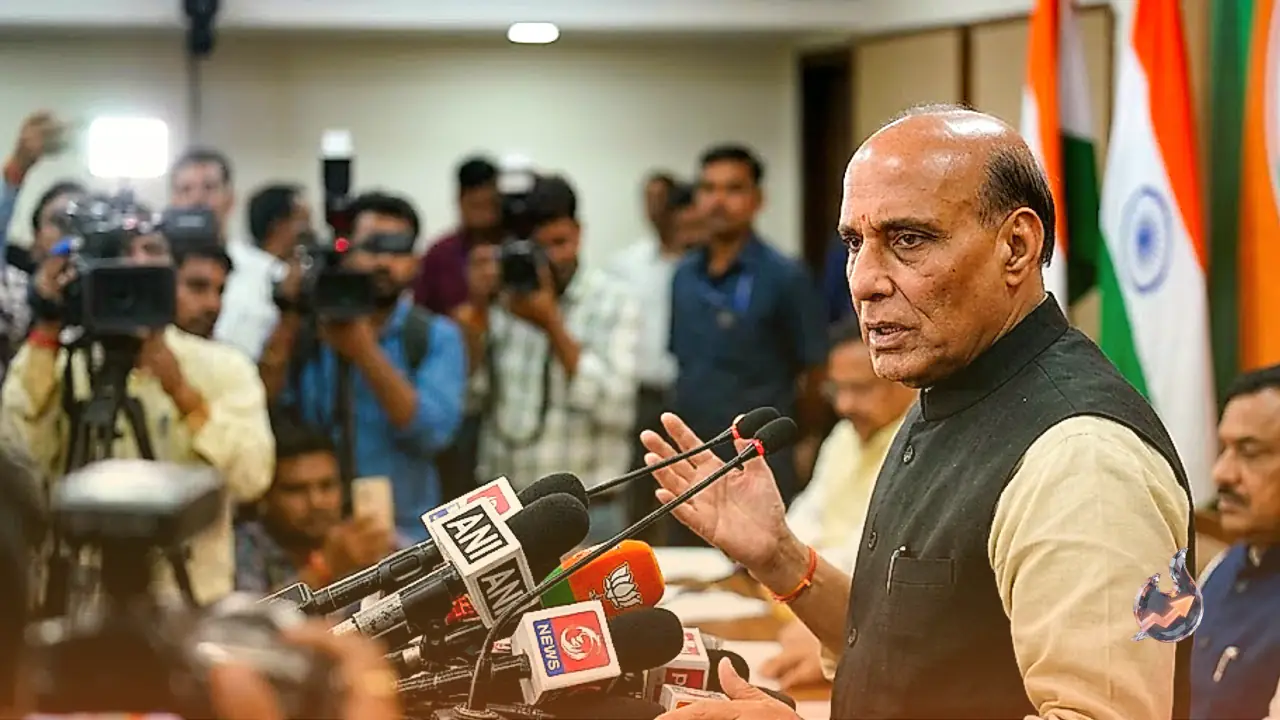
The ruling Bharatiya Janata Party launched a sharp counter-offensive against the opposition's remarks, accusing Akhilesh Yadav and his party of harboring a systematic distrust of established state institutions. State BJP president Pankaj चौधरी dismissed the allegations as politically motivated, stating that opposition leaders routinely resort to baseless accusations against institutional processes that predate the current administration.
Struggling through consecutive electoral defeats in the past two assembly cycles, Akhilesh Yadav is leaving no stone unturned for the upcoming 2027 elections, combining his newly coined PDA coalition strategy with aggressive caste-based politicking. Reflecting the high stakes involved, party insiders have gone as far as asserting that the 2027 contest is a matter of survival, urging cadres to unite behind any symbol or candidate put forward by the leadership to ensure collective political success.