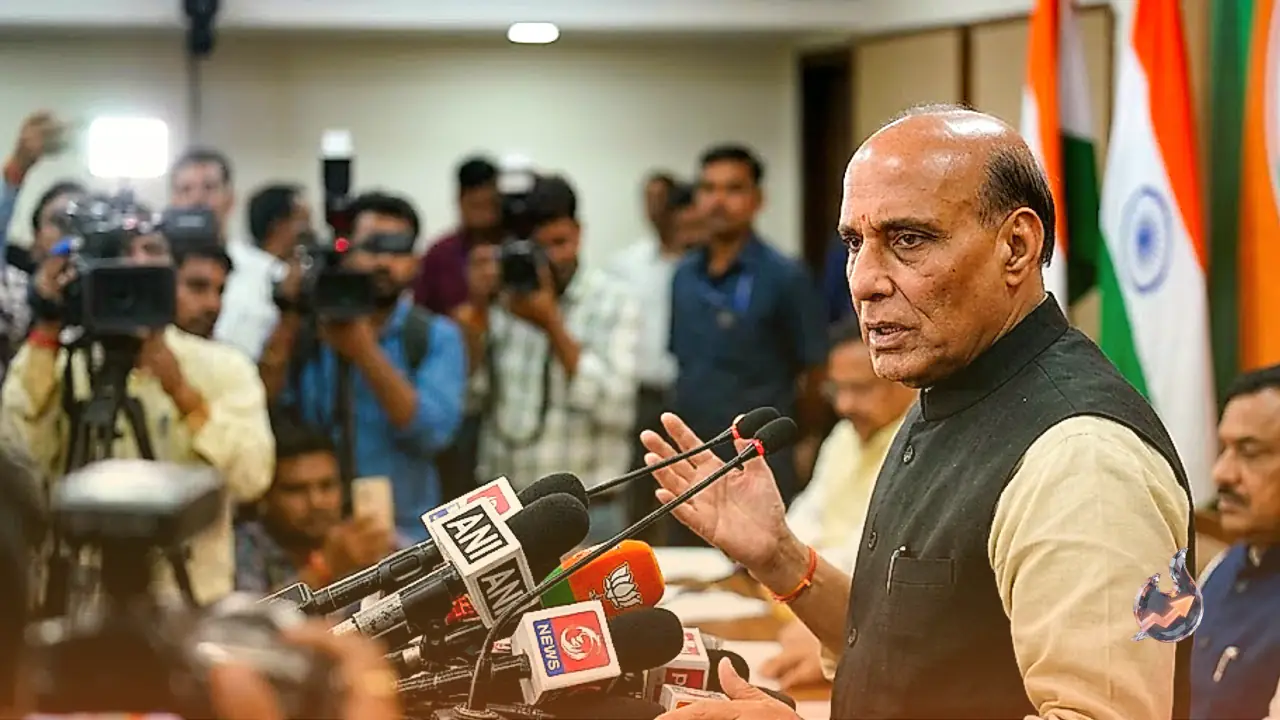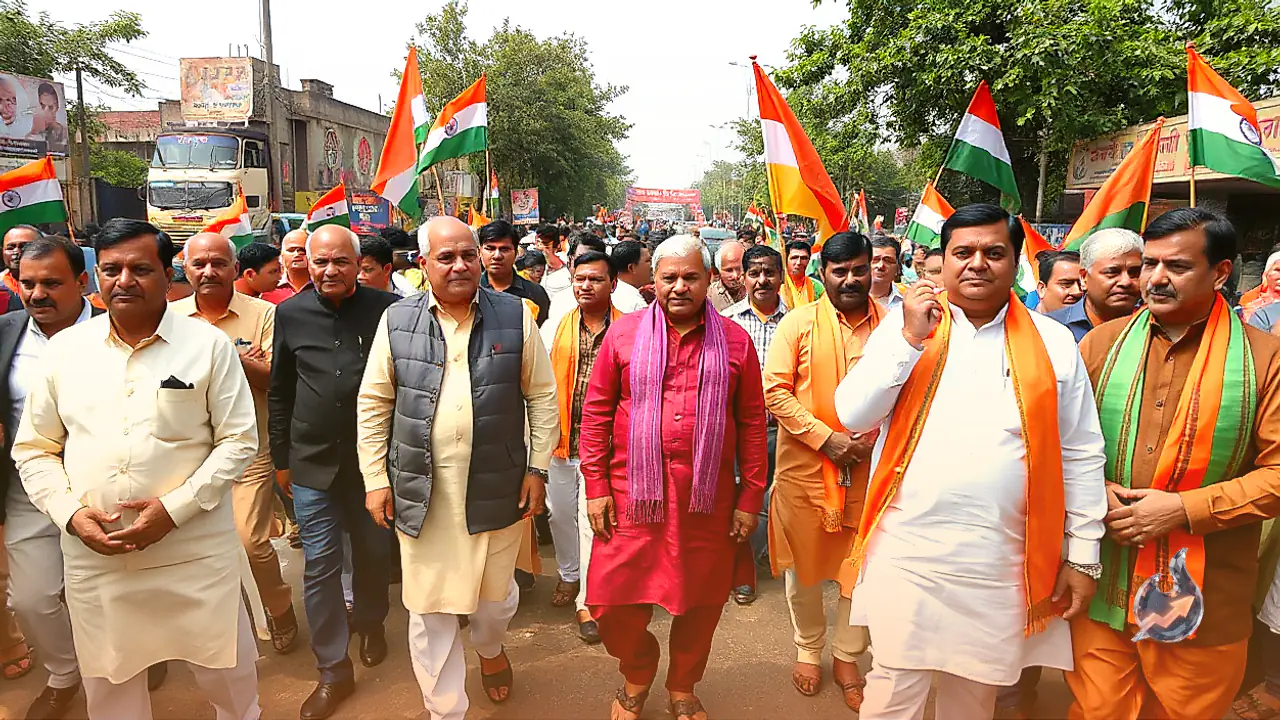


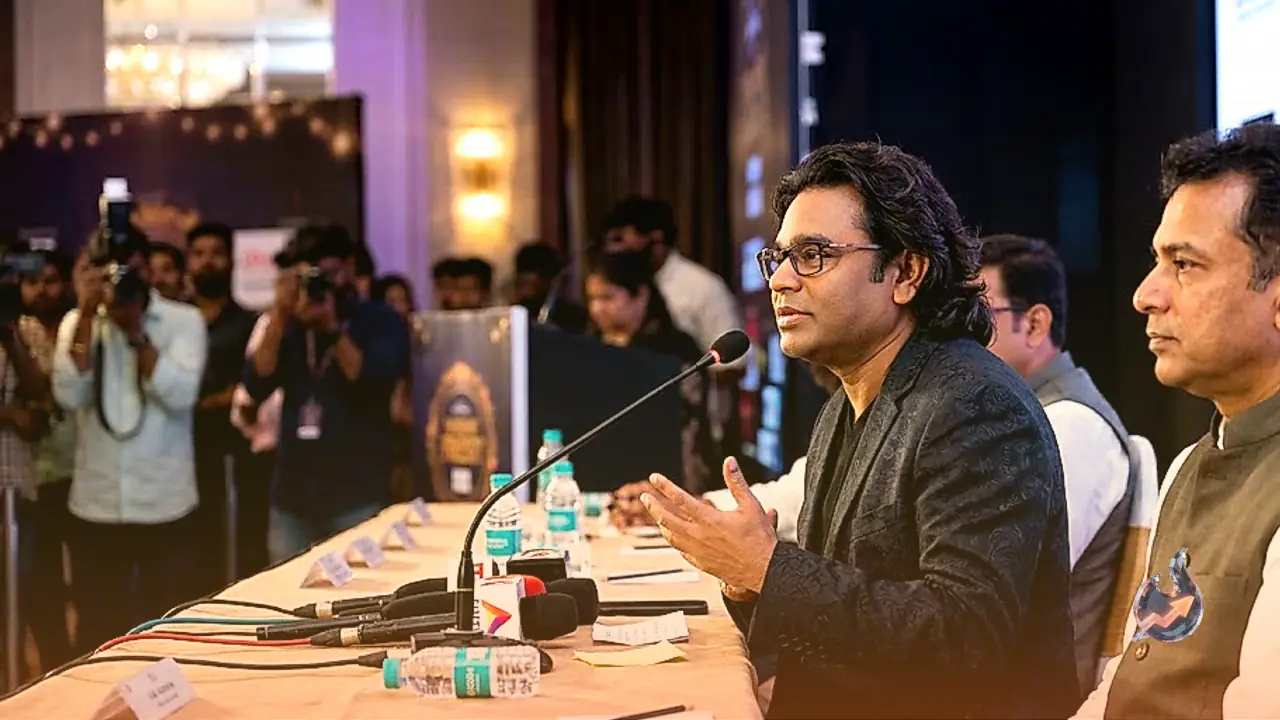





















Preparations for the 2027 Uttar Pradesh assembly elections have shifted into high gear as political parties begin laying their groundwork well in advance. Chief Minister Yogi Adityanath has adopted an aggressive outreach campaign, spending the past three months touring dozens of districts and unveiling numerous development projects worth thousands of crores. These extensive travels across various regions of the state are widely viewed as the foundational groundwork for the upcoming electoral battle. During these visits, the Chief Minister has inaugurated and laid the foundation stones for infrastructure, healthcare, educational, and law enforcement projects, while consistently highlighting the administration's governance model and sharply criticizing previous opposition regimes. Observers note that the ruling party is leaning heavily on administrative achievements and development metrics to set the political narrative.
Akhilesh Yadav and the District-Level Manifesto Approach
In response to the governing party's heavy deployment of resources and high-profile visits, opposition leader Akhilesh Yadav has crafted a distinct counter-strategy focusing on hyper-local engagement. Rather than relying solely on a single overarching state manifesto, the party is preparing customized, district-specific manifestos designed to address the unique grievances of each locality. This grassroots approach allows the opposition to home in on specific regional concerns such as delayed sugarcane payments, localized industrial needs, employment opportunities, stray cattle issues, and specific infrastructural gaps. Simultaneously, the party is integrating its core social coalition formulas with these localized promises to appeal directly to diverse demographic groups across different districts.
The Clash Between Macro Development and Micro Localism
The core dynamic of the unfolding political landscape features a sharp contrast in campaign styles. On one side, Yogi Adityanath relies on massive budget allocations, frequent visits to key districts like Varanasi and Ayodhya, and a projection of strong governance and decisive leadership. On the other side, Akhilesh Yadav seeks to neutralize this heavy momentum by engaging with voters at the micro level, addressing specific unmet local aspirations, and highlighting regional gaps. As both sides ramp up their political machinery across the state, the battle lines for 2027 are increasingly being drawn between statewide mega-development initiatives and targeted local grievances.