






















The political battleground for the 2027 Uttar Pradesh assembly elections is heating up well ahead of schedule, with key players engaging in intense narrative skirmishes across the state. The contest has developed into a direct duel of contrasting political visions. Chief Minister Yogi Adityanath continues to consolidate his support base around firm governance, stringent bulldozer action, and an unapologetic Hindutva plank. On the opposite side, Samajwadi Party chief Akhilesh Yadav is aggressively pushing his PDA coalition comprising backward communities, Dalits, and minorities, backed by hyper-local campaign planning. Over recent months, multiple high-decibel controversies emerged in state politics, yet several of these confrontations lost their momentum as quickly as they flared up once counter-measures were rolled out.
The Clash Over Government Job Recruitment and Waiting Lists
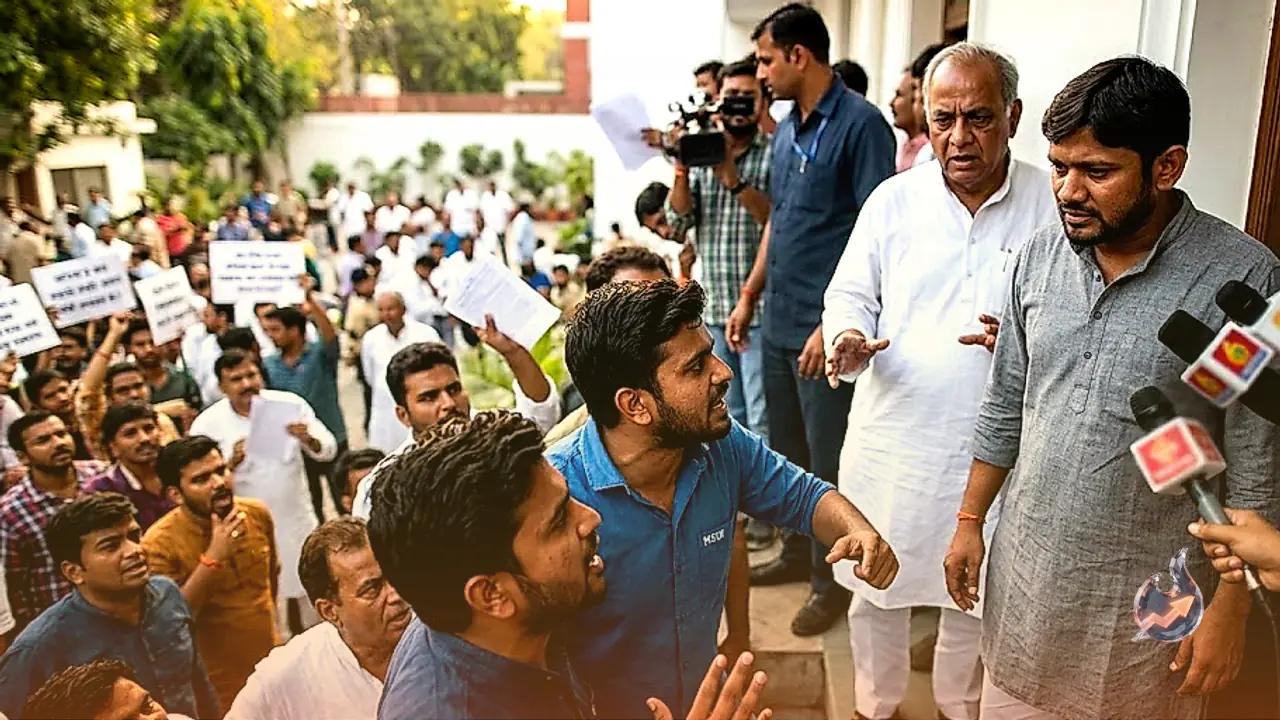
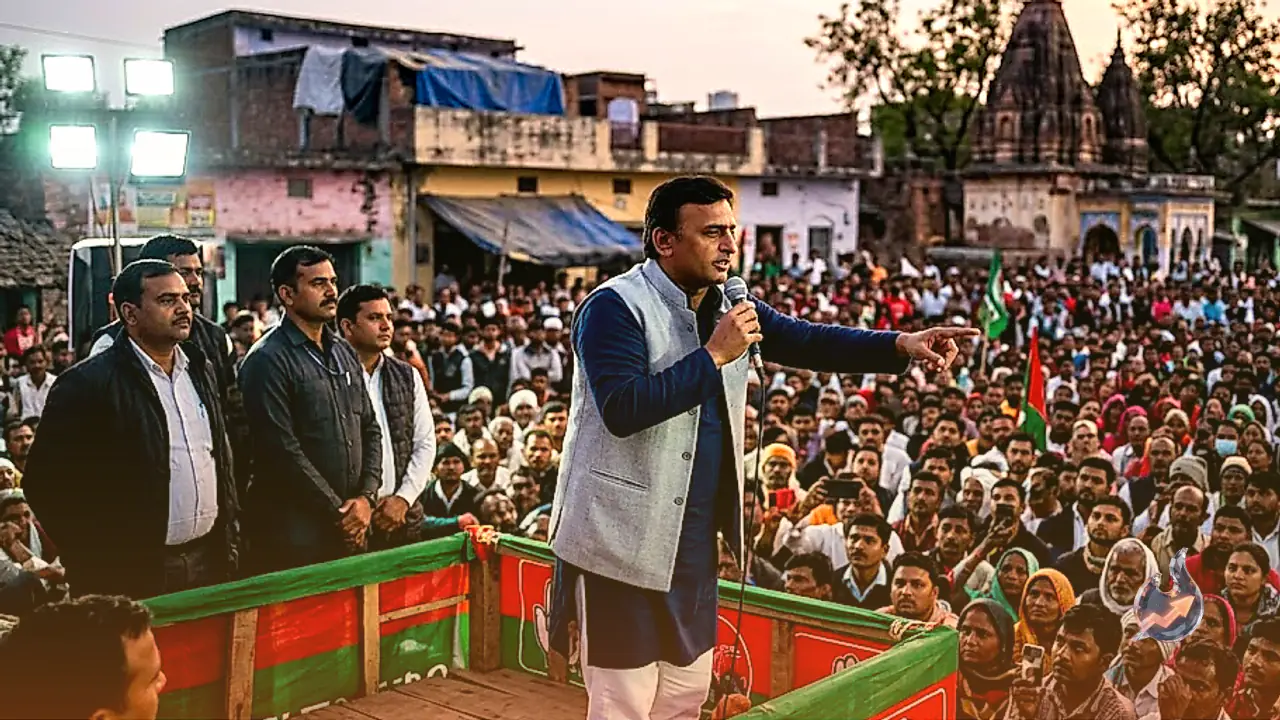
The earliest confrontation began on the streets of Lucknow, where unemployed youngsters launched massive demonstrations demanding the immediate enforcement of a waiting list mechanism in UPSSSC recruitment drives. Sensing an opportunity to corner the administration, Akhilesh Yadav arrived to interact directly with the protesting candidates. He committed that the waiting list protocol would be enacted without delay if the Samajwadi Party formed the government. The agitation put considerable pressure on the ruling dispensation. However, Chief Minister Yogi Adityanath moved swiftly to defuse the brewing crisis by unveiling a massive employment roadmap promising 100000 government recruitments over the subsequent six months. The scale of this official hiring blueprint rapidly blunted the sharpness of the opposition offensive.
Law and Order Claims Versus Decisive Police Encounters
Public safety soon turned into another intense friction point. Akhilesh Yadav repeatedly targeted the state government over sporadic criminal incidents, claiming that administrative control over law and order had completely collapsed. The Samajwadi Party looked to convert street-level security concerns into major anti-incumbency capital. Nevertheless, the state police pushed back forcefully on the ground. Law enforcement agencies ramped up targeted encounters against habitual offenders under Operation Langra, while the Chief Minister continuously highlighted his regime's zero tolerance standard against criminal elements. This rapid show of administrative force successfully halted the opposition's narrative drive, nudging the public safety debate back into the ruling party's court.
Ideological Messaging and Symbolic Posters in Meerut and Lucknow
The cultural fault lines widened during a major public address in Meerut, where Chief Minister Yogi Adityanath launched a sharp rhetorical attack. Addressing the crowd, he remarked that those who express irritation towards the name of Lord Ram follow the mindset of Babar, and urged Bajrangi loyalists to stand united. Rather than engaging in a predictable verbal spat, Akhilesh Yadav responded with deliberate symbolism by putting up a large promotional banner at the Samajwadi Party headquarters depicting the blessings of Lord Hanuman. The move was carefully calibrated to prevent the ruling party from maintaining an unchallenged monopoly over Hindu religious symbols. Alongside this exchange, the Chief Minister recalled instances from the pre-2017 period, reminding voters how organized land syndicates routinely encroached on public properties during previous tenures.
Assessing Strategic Momentum Ahead of the 2027 Election
Looking at the strategic maneuvers executed over the past few months, the political contest between the two heavyweights remains finely poised. Akhilesh Yadav has undeniably energized his grassroots coalition through the PDA framework. His micro-strategy of designing 75 localized manifestos for all 75 administrative districts has helped identify district-level grievances effectively. However, the Samajwadi Party frequently struggles with political endurance: after stirring up substantial outrage over exam disputes or local crimes, the party often fails to sustain long-term pressure once the state machinery responds with administrative orders or substitute policies.
Chief Minister Yogi Adityanath, by contrast, sticks rigidly to his fundamental messaging rooted in security, Hindutva, and stern administration. Whenever opposition leaders attempt to pin down his government on procedural lapses or social tensions, he promptly reframes the public discourse around cultural pride and his anti-mafia credentials. Even so, underlying joblessness and student resentment surrounding recruitment examinations remain volatile matters that words alone cannot indefinitely suppress.
At this juncture, Chief Minister Yogi Adityanath maintains a razor-thin lead in steering the overarching narrative, largely due to his ability to counter opposition pressure with immediate administrative interventions. Yet with Akhilesh Yadav diligently organizing his PDA ground cadre across districts, the electoral race toward 2027 promises to be an extraordinarily tight and unpredictable showdown.