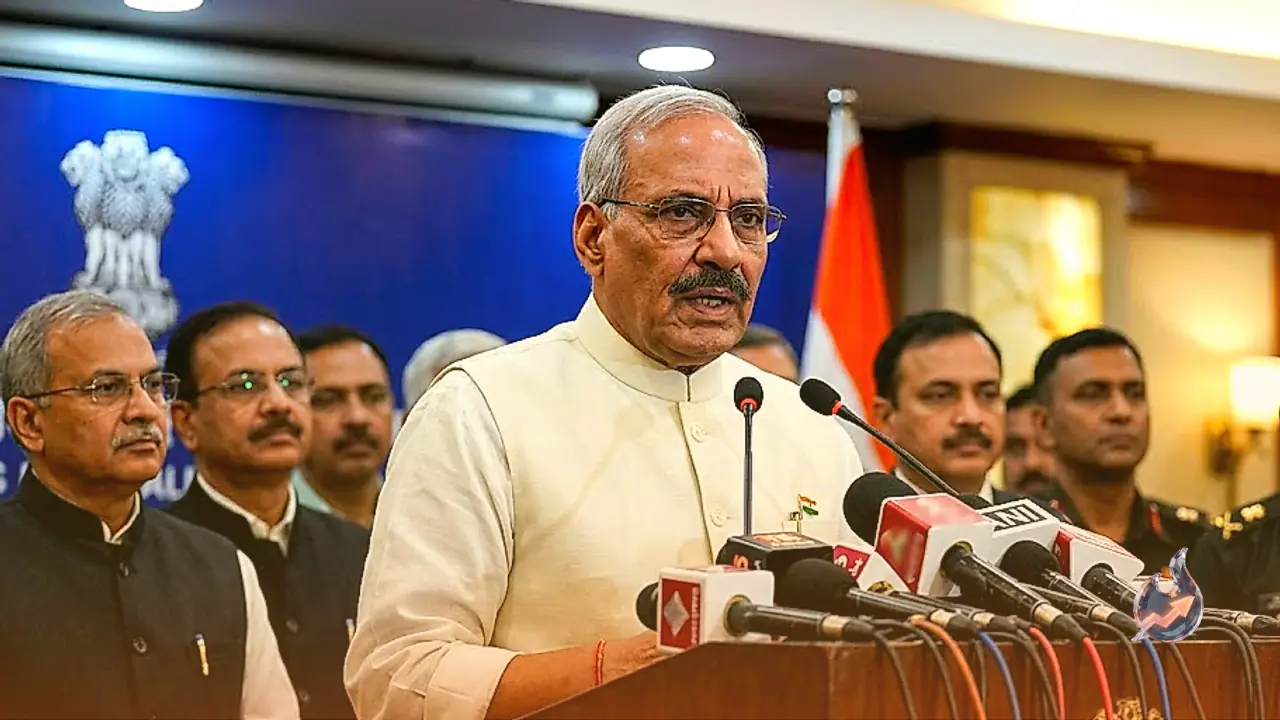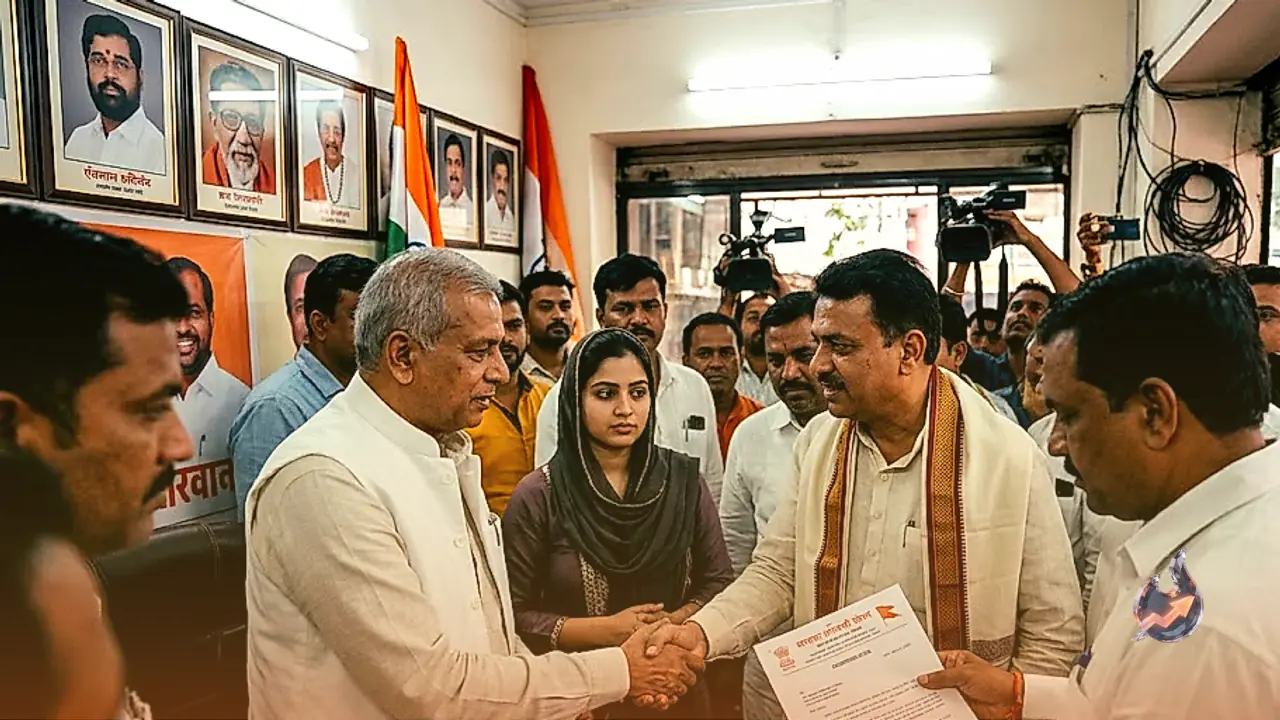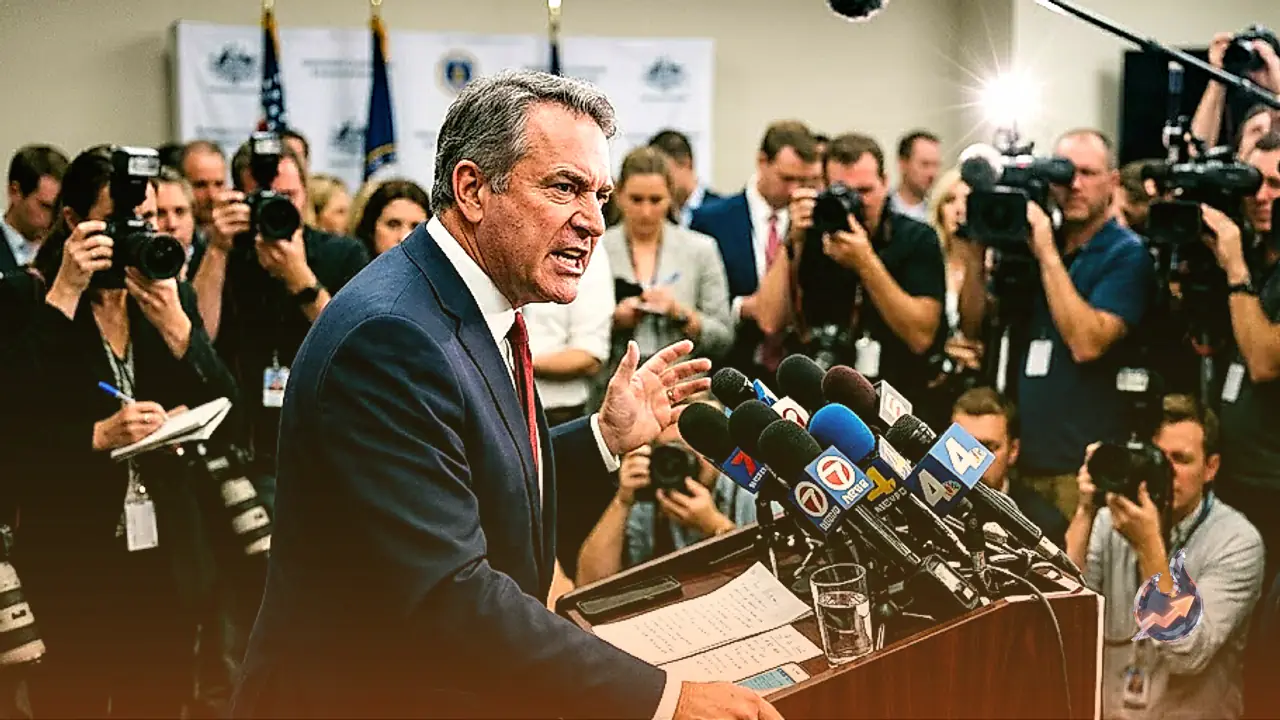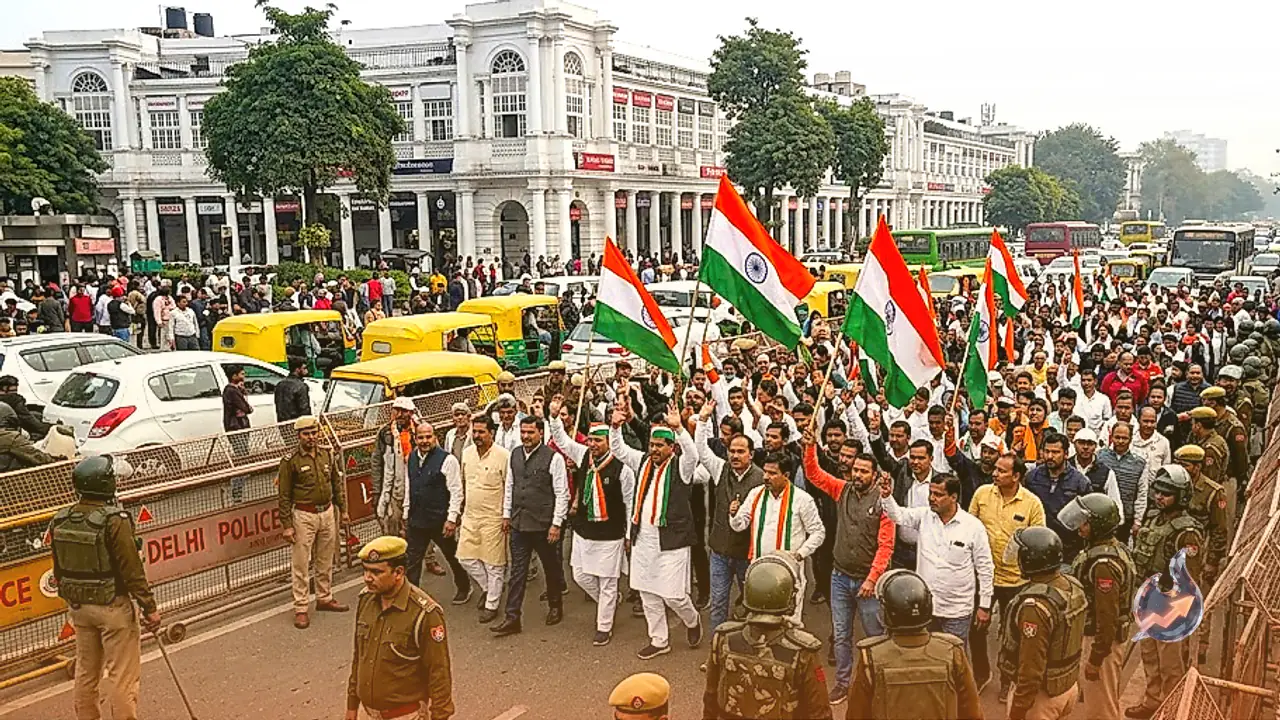


















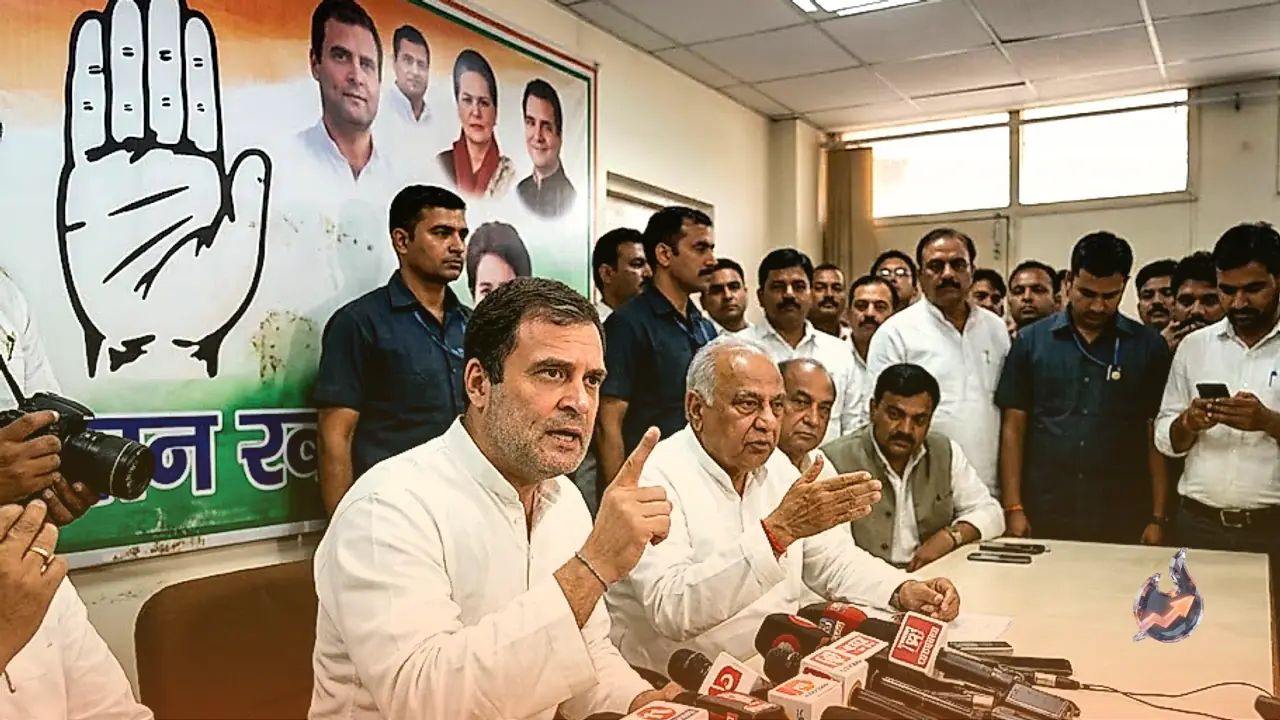

The stance taken by the Congress party regarding the special intensive revision of voter lists, commonly referred to as SIR, has come under intense scrutiny in political circles. On one hand, the party has launched an aggressive campaign in the national capital, openly targeting the Election Commission and Chief Election Commissioner Gyanesh Kumar. Party leaders are demanding his resignation and calling for the protection of democracy, attempting to elevate this issue into a major national-level battle. Leader of the Opposition in the Lok Sabha and Congress MP Rahul Gandhi has turned this into a do-or-die political struggle, regularly holding rallies in Delhi and planning massive public meetings across the entire country.
Contrasting Voices from Southern India
However, a completely different narrative is emerging from the southern part of the country. In Tamil Nadu, Congress MP Karti Chidambaram has pointed out that the experience of the SIR process has not been uniform across every state. According to his assessment, the impact of this revision was felt much more profoundly in states like West Bengal and Bihar, whereas the experience of ordinary people in Tamil Nadu remained quite limited. This stark difference naturally gives rise to a critical question of whether the Congress is playing a contradictory game of political convenience regarding the SIR issue. When the party portrays the very same matter as a grave threat to democracy in Delhi, why do its voices in the southern states sound so markedly different?
Alliance Complexities and Regional Realities
The predicament of the Congress extends far beyond mere contradictions in public statements. While the party aims to project a powerful and unified political message at the national level, the ground realities prevailing in different states present unique operational challenges. In Tamil Nadu, the Congress and the DMK are close electoral allies, yet both parties constantly engage in subtle turf wars to secure their respective political spaces and local influence. Navigating such delicate political dynamics makes it exceedingly difficult for the Congress to adopt a uniform, aggressive posture on every single issue. Karti Chidambaram acknowledged in his remarks that political parties can often be fierce rivals at the state level while maintaining cooperation at the national level. The core question remains whether this practical approach is reflected in the anti-SIR campaign, or if the party's strategy softens depending on regional political needs.
Varying Impact Across Different States
While the party maintains a high-pitched confrontation against the SIR exercise in Delhi, demanding the removal of Chief Election Commissioner Gyanesh Kumar and questioning the institutional role of the poll panel, remarks from regional leaders like Karti Chidambaram suggest that acknowledging state-level variations in the impact of the policy is essential. His observation that public experience in West Bengal and Bihar differed significantly from Tamil Nadu is not inherently flawed, as local conditions vary widely. Nevertheless, the party needs to articulate clearly what concrete grievances form the basis of its national demands and why their manifestations appear so disparate across state boundaries.
The DMK Factor and Coalition Dilemma
A substantial portion of Congress politics in Tamil Nadu is inextricably linked to its relationship with the DMK. Karti Chidambaram openly acknowledged the existence of occasional friction and disagreements between the two alliance partners. Citing the example of Kerala, he noted that the Congress and the CPI(M) contest against each other fiercely while cooperating smoothly at the national level. While this argument explains the inherent complexities of coalition politics, it does not resolve the central dilemma surrounding the Congress's anti-SIR campaign. If a party undertakes a nationwide movement on a specific policy issue, it must ensure that its messaging remains consistent and coherent even within states governed or influenced by its political allies.
The Need for Concrete Evidence
Demanding absolute transparency and the safeguarding of voter rights during electoral roll revisions is a vital component of democratic political discourse. However, opposing any administrative procedure requires backing up political allegations with concrete examples and verifiable proof. If the Congress emphasizes a heavier impact in West Bengal and Bihar, it must clearly articulate the specific grievances unique to those regions. Mentioning a limited experience in Tamil Nadu becomes part of the same complex picture, but complications arise when a single issue is framed as an existential crisis nationally while its political undertones shift dramatically in different states.
Avoiding the Politics of Convenience
The primary challenge before the Congress is not merely opposing the SIR process, but maintaining absolute clarity and consistency in its political communication. If the party acknowledges that state-level experiences vary, it must frame its strategy based on transparent facts rather than shifting narratives. The glaring gap between attacking Gyanesh Kumar in the northern capital and adopting a softer tone in the south can only be bridged when the party grounds its demands in consistent logic. Otherwise, political opponents will continue to accuse the party of tailoring its stance according to immediate political convenience rather than steadfast ideological principles.