





















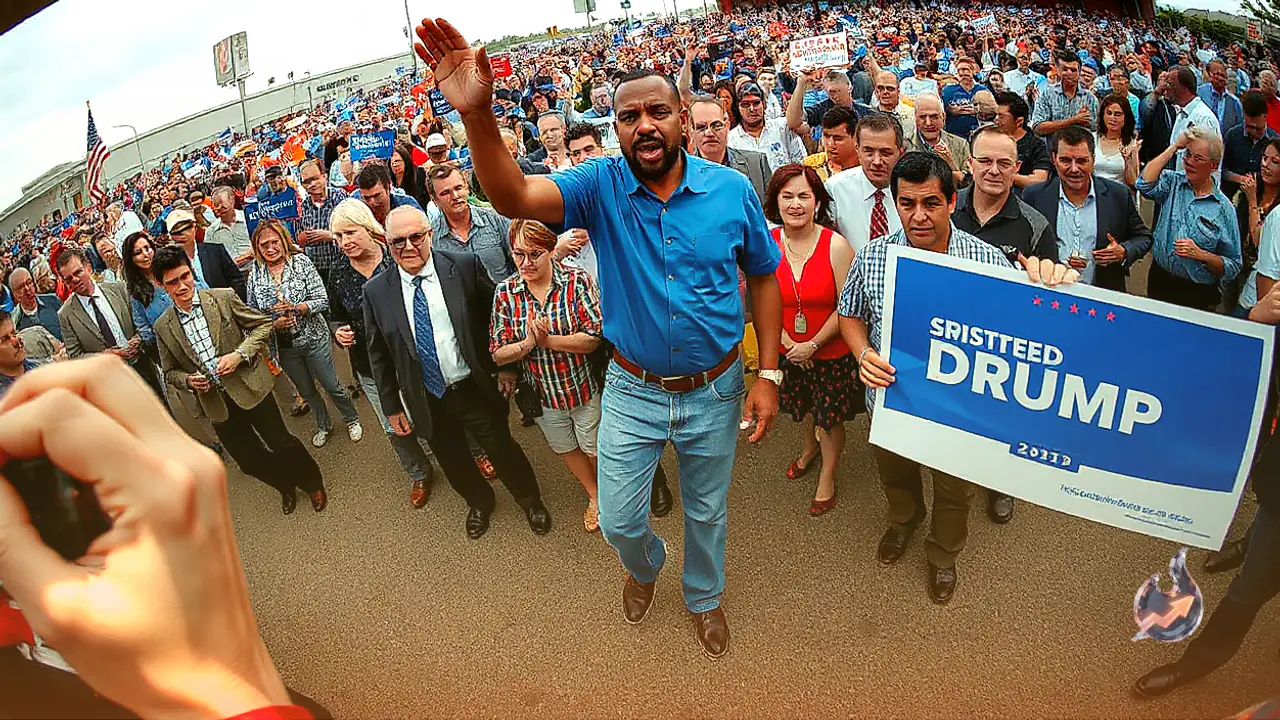

A sweeping wave of Democratic victories reshaped the American political landscape on election night, as the party flipped contested districts that Donald Trump had carried by double digits just two years earlier. The sheer breadth of the outcome surpassed the party's most ambitious projections, dislodging entrenched Republican strongholds and altering the balance of power across the country.
Historic Breakthrough in Texas
The night's most consequential shock unfolded in Texas, delivering a milestone unseen in three decades. James Talarico unseated scandal-ridden Republican state attorney general Ken Paxton, while Gina Hinojosa ousted Greg Abbott to capture the governor's mansion. The triumphs ended a statewide Democratic drought extending back to 1994, succeeding despite millions of dollars poured into Republican campaigns by billionaire Elon Musk.
Critical Senate Battlegrounds Flipped
Beyond state executive offices, Democrats engineered decisive breakthroughs in the battle for the Senate. The party captured closely watched races in Kansas, South Carolina, Iowa, and North Carolina. Alongside these offensive wins, Democrats successfully defended key Senate territory in Georgia and New Hampshire, cementing vital legislative leverage.
Fallout Over Middle East Conflict and Economic Strain
Inside the White House, stunned officials pointed to the economic fallout of the Iran war as the primary catalyst behind the broad Republican losses. Surging gas prices and a climbing cost of living eroded voter support across previously reliable voting blocs. A source close to the executive mansion voiced sharp frustration over foreign policy guidance, stating that if any good comes out of the evening for the party, it is that no Republican president will ever listen to commentators like Mark Levin and Marc Thiessen again after they urged Trump to prolong the conflict.
Exit polls revealed widespread fracturing within the 2024 Trump coalition. Latino voters decisively shifted their backing toward Democrats, reacting against the administration's aggressive immigration enforcement. Speaking without attribution, several administration figures directly assigned responsibility to the president for embroiling the country in a Middle Eastern war under the flawed expectation that it would conclude within weeks, rather than dragging on indefinitely.
Candidate Selection and Campaign Deficits
Responding publicly, a White House official maintained that Trump voters show up when he is on the ballot, noting that the president was not personally running despite urging his base to treat the election as though he were. The official further contended that candidate quality proved decisive, arguing that Trump did a more effective job campaigning for nominees than those candidates managed on their own. Yet many of the defeated nominees were chosen directly by Trump, who sidelined established figures such as Texas senator John Cornyn in favor of hand-picked contenders like Darline Graham, the sister of late senator Lindsey Graham, who ran an uninspired race in South Carolina.
Redistricting Gambit Backfires
Compounding the candidate struggles was a failed congressional redistricting effort that Republican leaders had initiated earlier in the year. The map-drawing maneuver was designed to pick up 10 to 15 House seats under high-turnout assumptions. However, analytical warnings came to pass: dispersing reliable voters across a greater number of newly carved districts left each individual seat far more vulnerable to a swing. On election night, the strategy collapsed, allowing Democrats to flip at least three freshly redrawn House seats in Florida alongside a targeted seat in North Carolina.
Narrow Florida Survival and Imminent Investigations
The sole bright spot for Republicans came in Florida's Senate contest, which tightened dramatically in its closing phase before Ashley Moody narrowly defeated progressive Democratic challenger Angie Nixon. As majorities in both congressional chambers came within reach, Democratic leadership immediately pivoted toward preparing comprehensive scrutiny of the administration. Incoming House oversight committee chair Robert Garcia offered a terse, two-word message signaling the confrontation ahead: "Lawyer up."