



















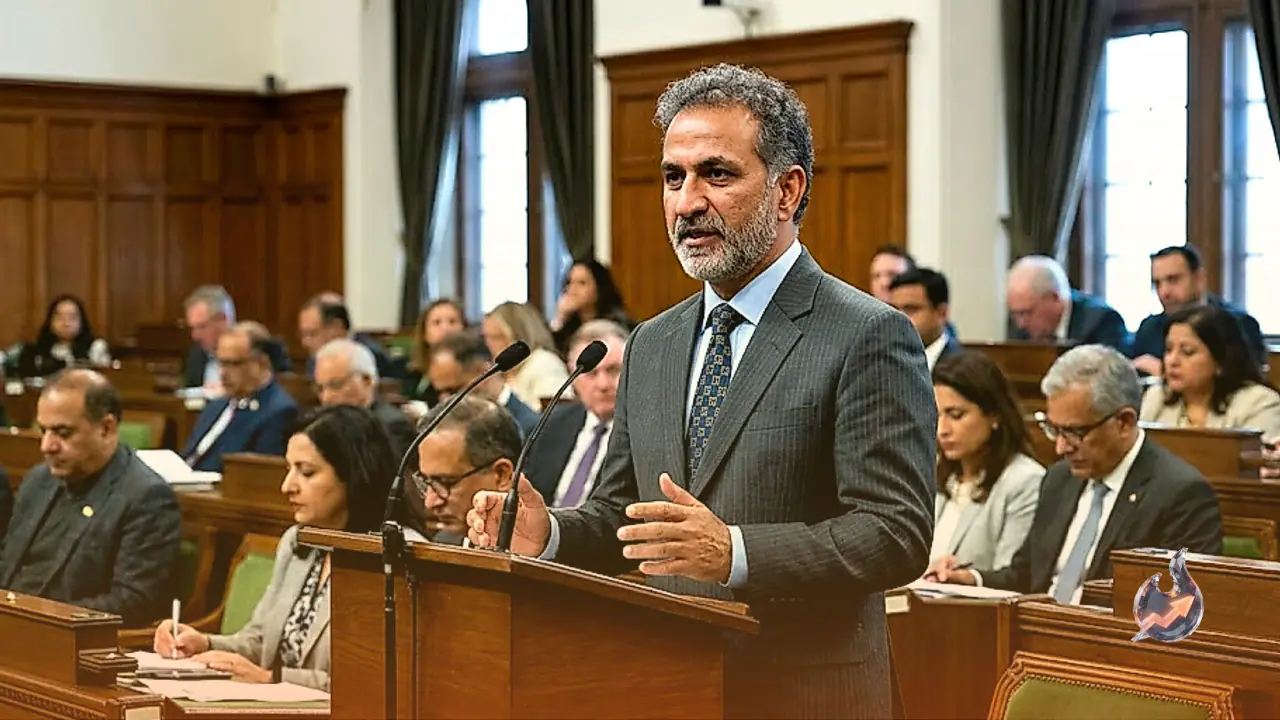

In a significant legislative move aimed at administrative reform and higher education governance, the Himachal Pradesh Legislative Assembly has passed the 'Himachal Pradesh State University (Amendment) Bill, 2026'. This amendment restructures key provisions across six state universities functioning within the province. The primary objective of the updated legislation is to establish financial discipline, enhance transparency in recruitment, and ensure institutional accountability. Speaking after the passage of the bill, Chief Minister Sukhvinder Singh Sukhu emphasized that the measures are designed to strengthen governance and safeguard public resources within university campuses.
Enhanced Oversight on Financial Decisions and University Recruitment
The newly approved legislation outlines strict procedures for administrative and fiscal matters in state-run universities. Under the updated framework, all proposals involving the creation of new posts, staff recruitments, promotions, and decisions regarding salaries and allowances must undergo rigorous evaluation. The Finance Committee of each university, which now incorporates significant representation from the state Finance Department, will review these proposals prior to implementation. To maintain complete transparency in hiring academic and non-academic staff, structured selection committees will be constituted in strict accordance with prescribed guidelines, eliminating arbitrary decision-making.
Administrative Powers of Vice-Chancellor, Executive Council, and Chancellor
The amendment clearly defines the jurisdiction and functional boundaries of key administrative authorities within state universities. The Vice-Chancellor will act as the principal executive and academic officer, responsible for overall monitoring and institutional operations. In emergency situations, the Vice-Chancellor holds the authority to take immediate decisions, provided that formal approval is subsequently obtained from the competent authority. Meanwhile, the Executive Council retains management over general administration and institutional properties, whereas the Finance Committee is tasked with reviewing budgets, accounts, and audit reports. In case of any dispute or disagreement between the Finance Committee and the Executive Council, the matter will be referred to the Chancellor, whose decision, taken in consultation with the state government, shall be final.
Fiscal Challenges and Debt Management Debated in Assembly
Addressing the broader economic landscape of the state, Chief Minister Sukhvinder Singh Sukhu offered a detailed explanation regarding Himachal Pradesh's financial liabilities. While acknowledging that borrowing is a standard practice for development funding, he pointed out that the current administration is burdened with repurchasing and servicing debt accumulated by the previous government. Presenting financial metrics, the Chief Minister stated that while the state's annual borrowing limit stands at 9,000 crore rupees, the annual debt repayment obligation has reached approximately 11,000 crore rupees. Consequently, the state treasury is forced to allocate nearly 2,000 crore rupees annually from its own revenues to meet debt servicing commitments, placing immense strain on public expenditure for education and health sectors.
Government Position on Lottery Revenue, Cannabis Study, and BBMB Rights
During his address, the Chief Minister also responded to political criticisms concerning state revenue initiatives and regional rights. Rebutting opposition objections over the lottery policy, he clarified that participation is entirely voluntary and no individual is compelled to purchase lottery tickets. Regarding controlled cannabis cultivation for medicinal and industrial use, Chief Minister Sukhu noted that a legislative select committee comprising members from opposition parties is actively reviewing the matter, urging constructive participation over political point-scoring. Furthermore, he reiterated the state government's firm stance on securing Himachal Pradesh's rightful share in the Bhakra Beas Management Board (BBMB), affirming that the state will continue pursuing its legitimate legal and administrative rights.