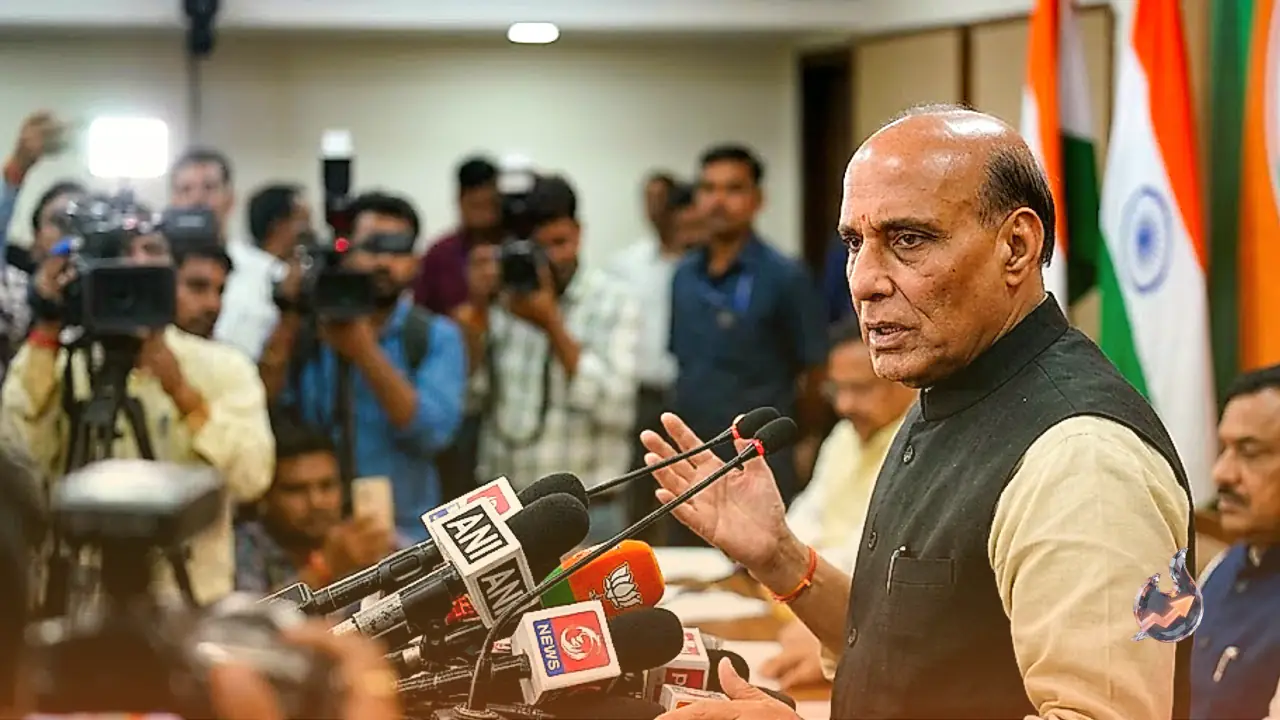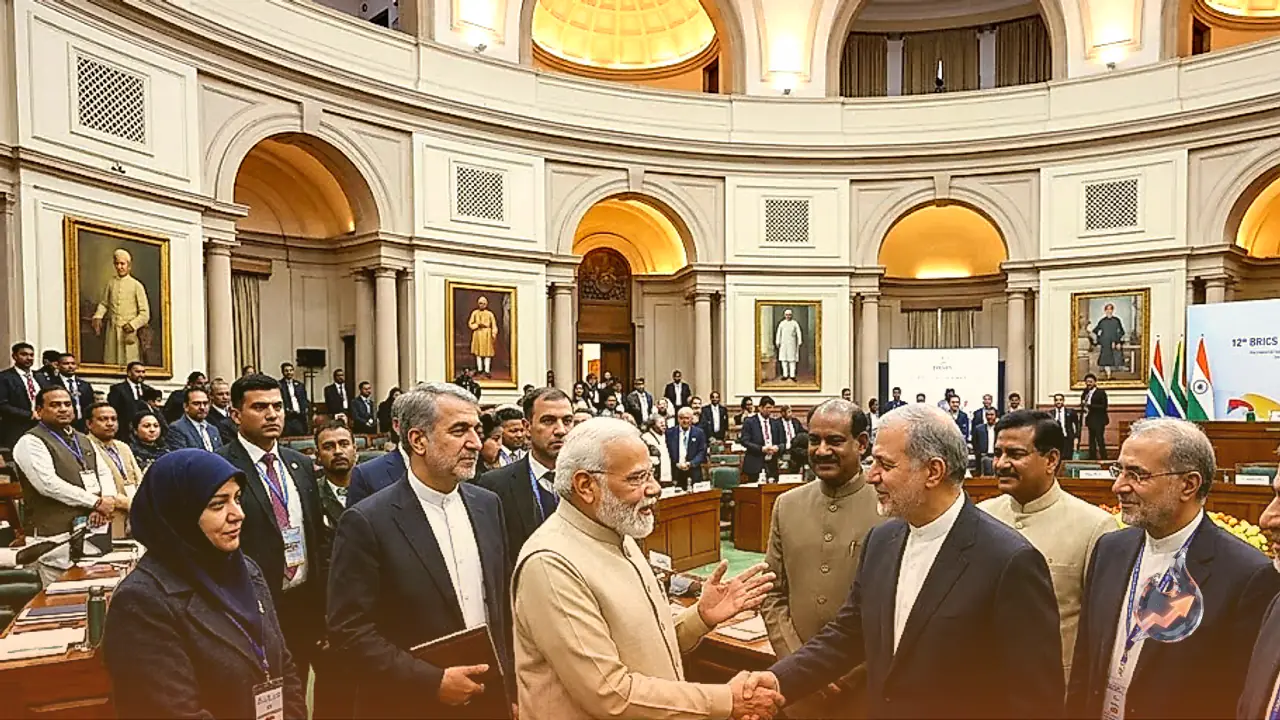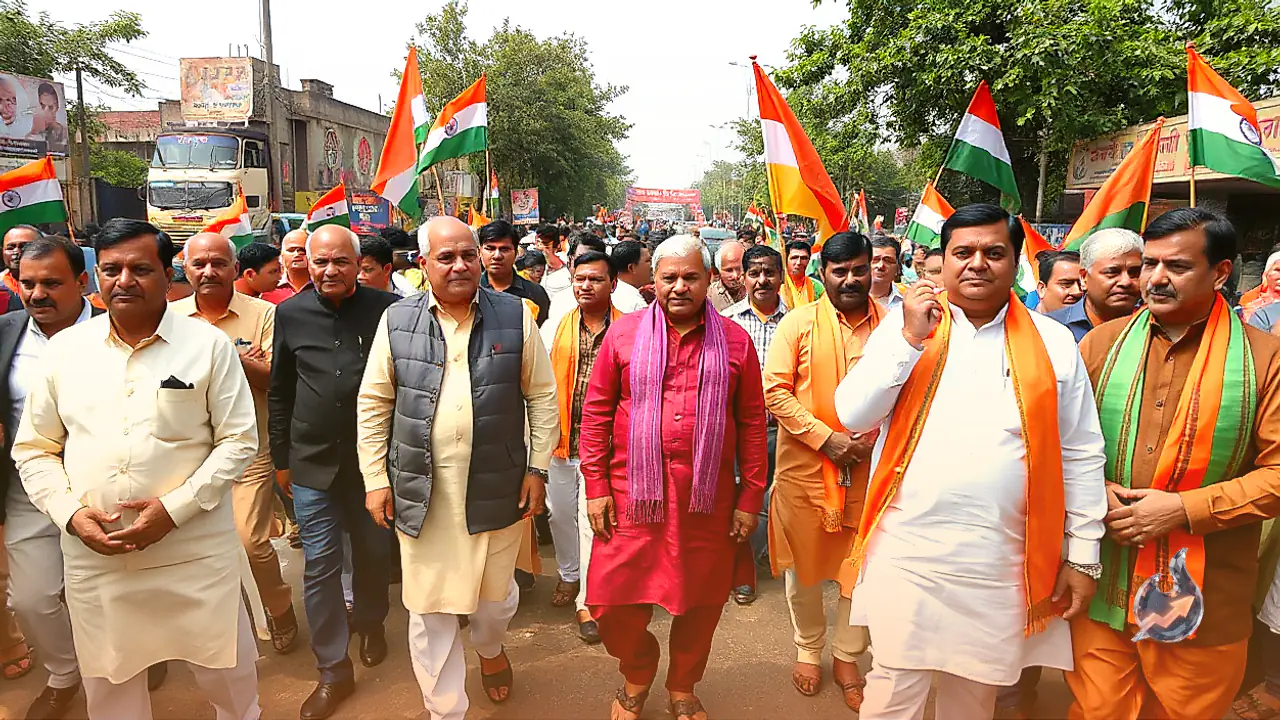



















Nationalist Congress Party (Sharadchandra Pawar) chief Sharad Pawar has long been regarded as one of the most enigmatic and astute tacticians in the landscape of Indian politics. His ability to navigate complex political divides and keep both allies and adversaries guessing remains unparalleled. This characteristic unpredictability was recently on full display through two sharply contrasting engagements within a span of twenty-four hours. On Tuesday, the seasoned politician was seen standing in solidarity with the opposition, while by Wednesday, he was holding closed-door discussions with the nation's top leadership, leaving political analysts scrambling to decode his endgame.
The Jantar Mantar Agitation
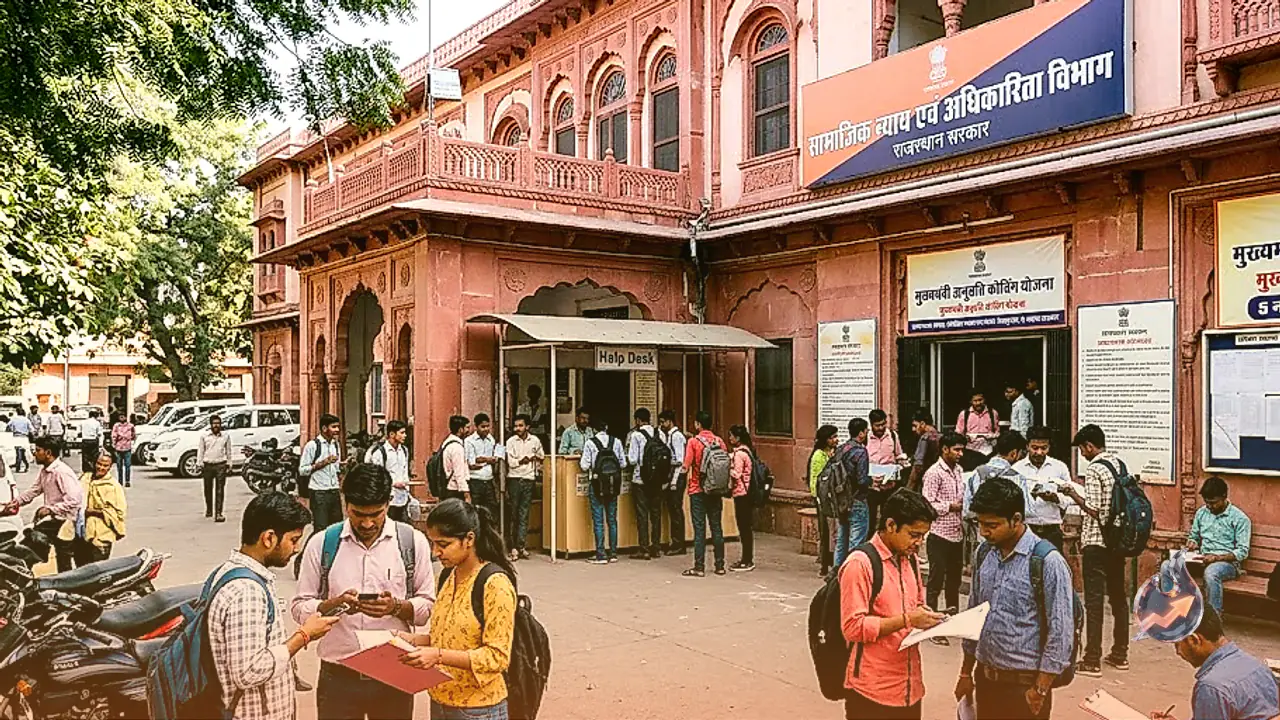
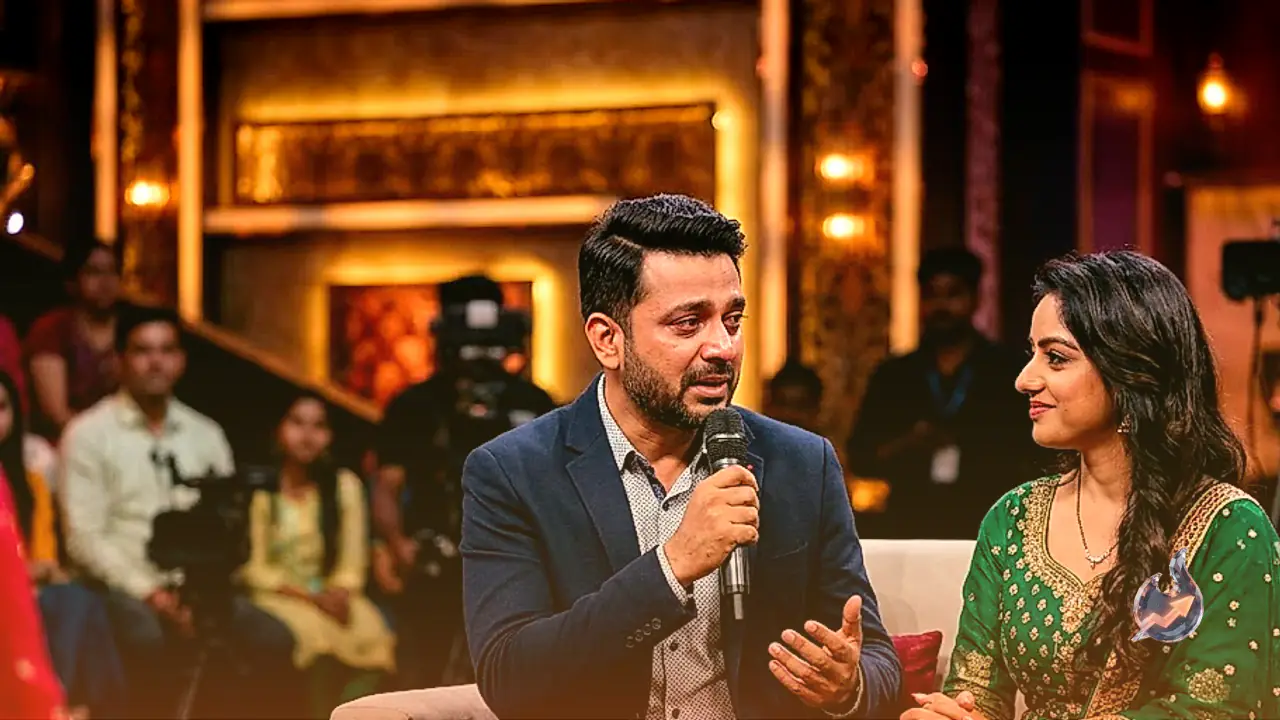
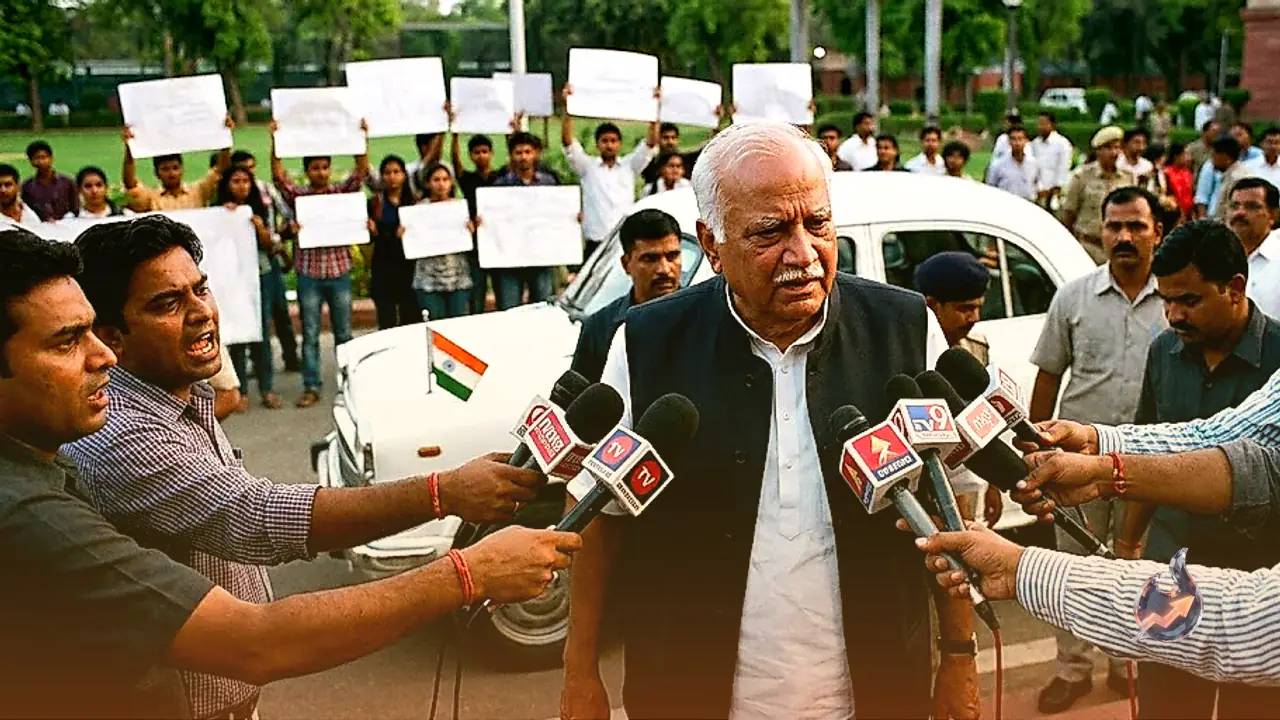
On Tuesday, Sharad Pawar made a significant public appearance at Jantar Mantar in New Delhi, throwing his weight behind a burgeoning student movement. He met with Abhijeet Dipke, the founder of the Cockroach Janta Party (CJP), during a protest centered around the highly controversial NEET examination paper leak. The demonstrators, backed by various opposition factions, have been vehemently demanding the immediate resignation of Union Education Minister Dharmendra Pradhan. By participating in this agitation, Pawar clearly signaled his commitment to the opposition's broader narrative, positioning himself as a champion of student rights and a vocal critic of the incumbent government's handling of the educational crisis.
A Pivot to the Prime Minister
However, the political messaging took a dramatic turn the very next day. On Wednesday, accompanied by his daughter and political heir apparent Supriya Sule, Sharad Pawar arrived for a high-level meeting with Prime Minister Narendra Modi. This sudden pivot from leading an anti-government protest to holding talks with the Prime Minister highlights Pawar's classic playbook of maintaining open communication channels across the political spectrum. The stark contrast between the two events—standing with CJP's Abhijeet Dipke one day and engaging with PM Modi the next—has intensified the suspense surrounding the NCP (SP)'s true political alignment.
The Shadow of the Delimitation Bill
Political pundits suggest that this calculated ambiguity is not without a specific objective. The underlying driver for Pawar's dual approach is widely believed to be the impending Delimitation Bill. The proposed legislation, which aims to redraw electoral boundaries, holds massive implications for regional parties. Despite the intense speculation, Sharad Pawar and his party leadership have conspicuously refrained from declaring a definitive stance—either in support of or in opposition to the bill. By engaging with both the ruling administration and the opposition blocs, Pawar is effectively keeping his cards close to his chest, ensuring that his party remains a crucial swing factor in the parliamentary arithmetic.
Securing the Party's Future Amidst Speculations
The stakes for the NCP (SP) are exceptionally high as Sharad Pawar navigates the twilight years of his political career. The party currently holds eight Members of Parliament in the Lok Sabha and ten Members of Legislative Assembly in the Maharashtra state legislature. Recognizing the inherent vulnerabilities of a smaller legislative contingent, Pawar is acutely aware of the risk of his lawmakers being poached or marginalized.
Throughout June, political circles were rife with rumors that the NCP (SP) was actively contemplating a merger with the Indian National Congress to consolidate its position and protect its elected representatives. Yet, by July, the narrative shifted dramatically, with fresh speculations indicating that Pawar might be leaning towards the National Democratic Alliance (NDA). These shifting rumors underscore his primary objective: securing a stable and influential future for his party and its lawmakers before any definitive political realignment takes place.
A History of Calculated Ambiguity
This strategy of courting both sides is a well-worn tactic in Sharad Pawar's political repertoire. A prominent historical parallel can be drawn to the dramatic events following the Maharashtra assembly elections in 2019. During that period of intense political maneuvering, Pawar was publicly engaged in negotiations with Uddhav Thackeray and the Congress to forge an opposition front. Simultaneously, behind the scenes, his nephew Ajit Pawar was in deep talks with the Bharatiya Janata Party. The culmination of this multi-pronged approach was the shocking early-morning swearing-in ceremony of Devendra Fadnavis as Chief Minister—a government that ultimately proved short-lived. This historical context serves as a powerful reminder of Pawar's capacity to orchestrate complex political outcomes through strategic silence and simultaneous negotiations.
The Power of Being Discussed
As the debate over the Delimitation Bill looms large, the NCP (SP)'s final position remains a closely guarded secret. Sharad Pawar's reputation is built on his ability to delay his final move until all possibilities on both sides of the aisle have been meticulously evaluated. This calculated suspense ensures that his political relevance remains undiminished. Summing up this overarching philosophy, Supriya Sule recently shared an insight from her father. She noted that Sharad Pawar always maintains that as long as you are being discussed—whether the commentary is positive or negative—it is a definitive sign that your political stature remains formidable and intact.