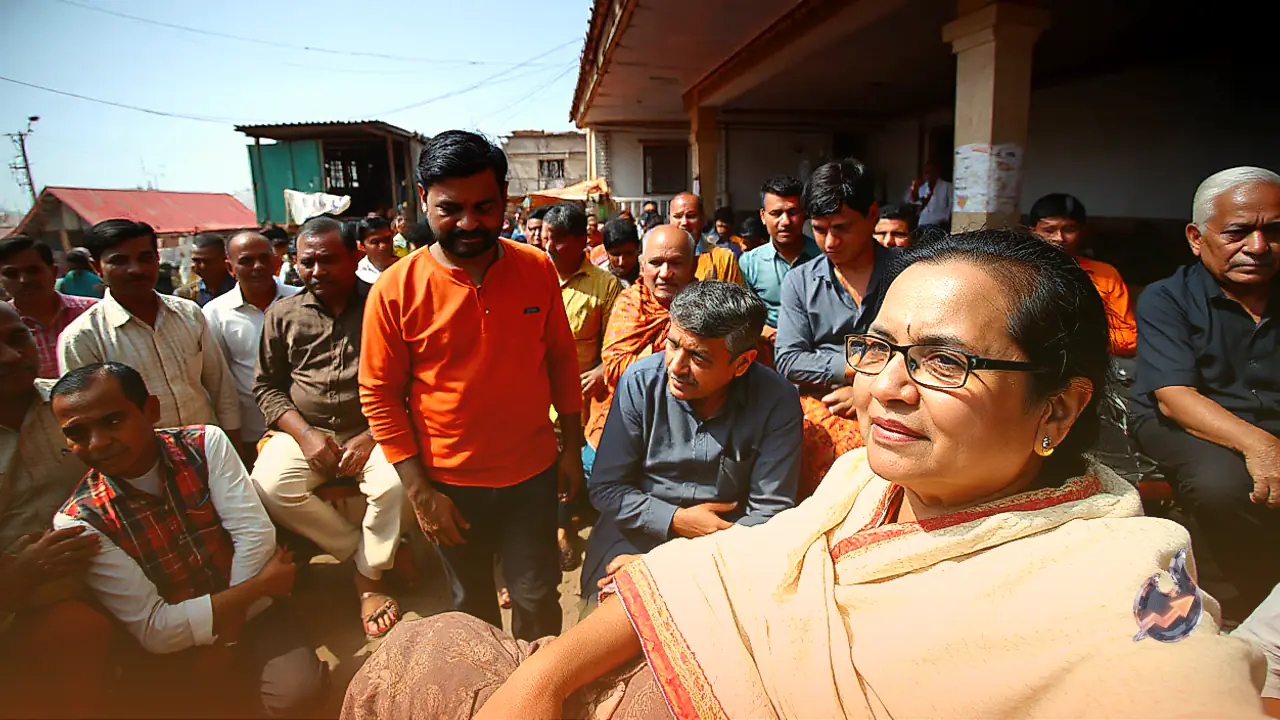
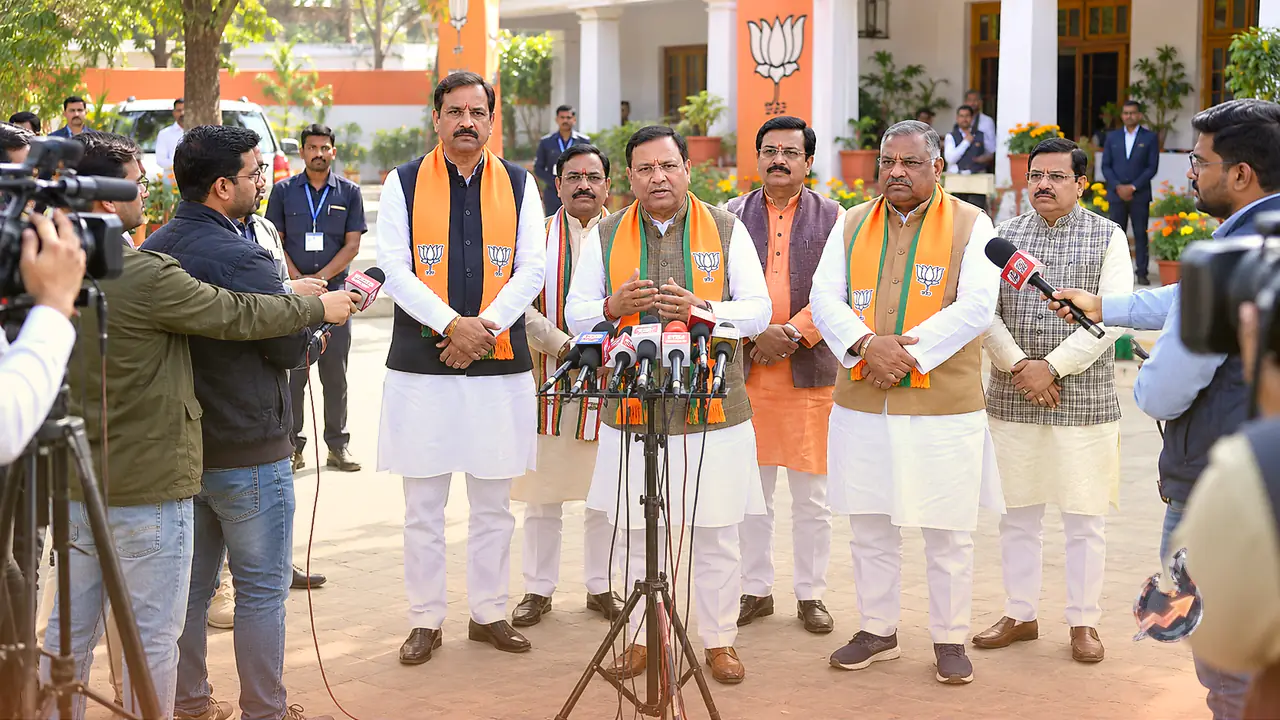



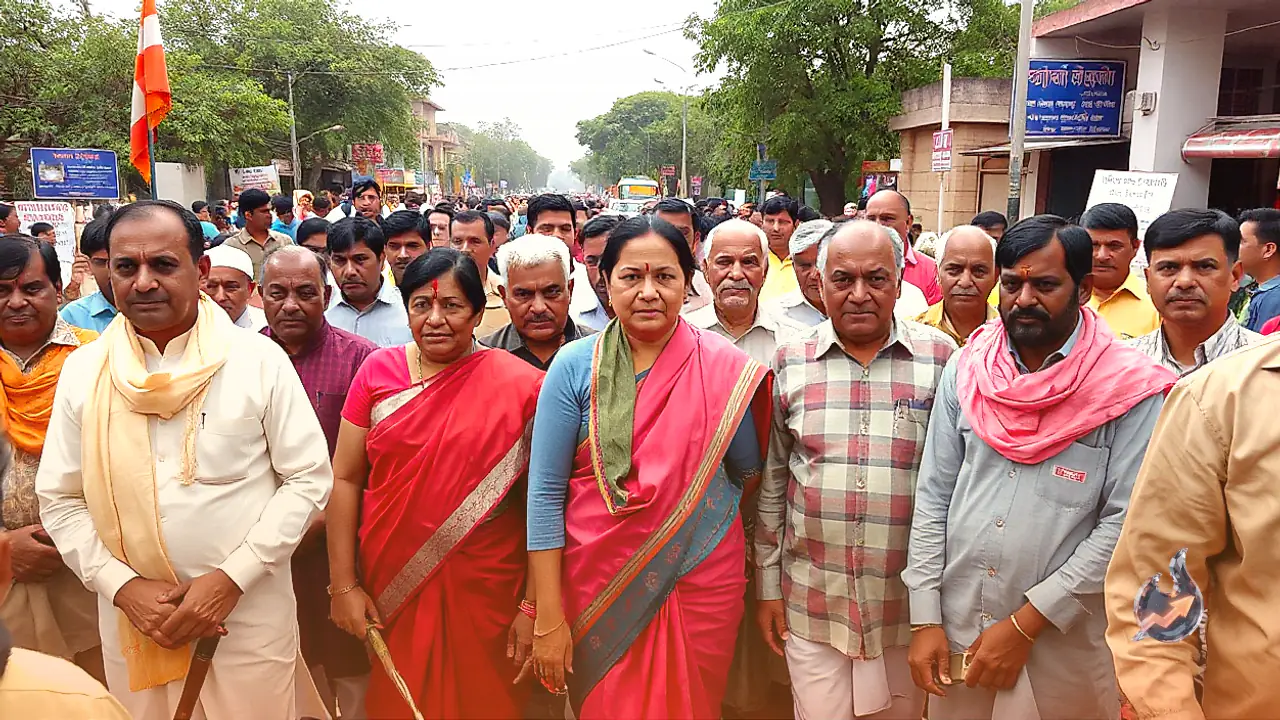
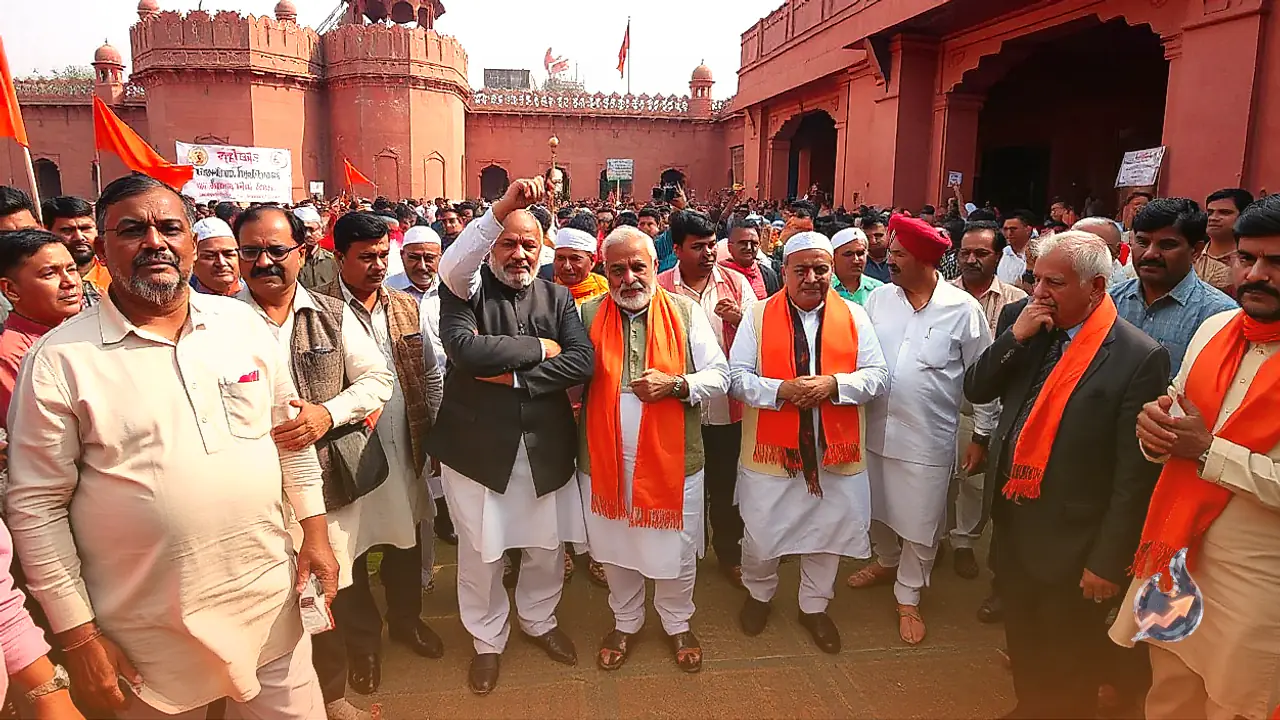















Following his reinstatement into the Bahujan Samaj Party, national coordinator Akash Anand has stepped back into the active political arena with renewed vigor. Keeping the upcoming Uttar Pradesh assembly elections in 2027 in mind, he has kicked off his election rallies from western Uttar Pradesh, generating considerable political momentum across the state. During a major party rally organized at Anupshahr in Bulandshahr, Akash Anand launched sharp attacks on the Bharatiya Janata Party, the Samajwadi Party, and the Congress. Alongside these political critiques, he spoke candidly about his relationship with Mayawati, recent developments regarding his role within the party, and a specific past conversation that deeply moved him emotionally. He shed light on the rigorous tests that Mayawati frequently puts him through and the deeper philosophy behind them.
The Meaning Behind the Difficult Tests and Mayawati's Searching Questions
Addressing the massive gathering, Akash Anand shared that he once directly asked Mayawati why she subjected him to repeated evaluations and examinations. Instead of offering a direct or simple answer, Mayawati posed three profound questions to him. Through these inquiries, she sought to make him realize the immense history, the arduous struggles, and the profound responsibilities of the Bahujan movement. Mayawati first asked whether Dr. B.R. Ambedkar did not struggle for society until his final breath and whether he did not face extreme hardships throughout his entire life. Following that, citing the example of Bahujan movement founder Kanshi Ram, she asked whether he had not dedicated his entire existence to the fight for the Bahujan community. In her third and most personal question, Mayawati cited her own life, explaining how she left her family behind to adopt the entire Bahujan society as her own, choosing a difficult path of relentless sacrifice, penance, and struggle.
How Such a Massive Movement Cannot Be Handed Over Without Testing
Akash Anand recounted that after pondering Mayawati's pointed questions, he came to accept that struggle and testing are fundamental and indispensable parts of any major political movement. According to him, Mayawati then told him directly how she could possibly hand over such a colossal movement, such a vast society, and such an enormous responsibility without properly testing his mettle. Recalling this poignant exchange during the Bulandshahr rally, Akash admitted that hearing those words brought tears to his eyes. He assured Mayawati that as long as he is alive, he is fully prepared to face every single test she sets for him. This statement clearly underscores his desire to prioritize Mayawati's trust and his absolute commitment to the Bahujan movement throughout his political career. At the same time, political observers view his remarks within the context of recent internal party dynamics concerning his leadership role.
The Bahujan Community Is My True Family
During the rally, Akash Anand also made it a point to reassure Mayawati of his unwavering loyalty, stating that he considers the Bahujan community to be his true and only family. He vowed that he would continue to make sacrifices, perform penance, and work day and night for the betterment of the community. In his address, he declared that he would not rest until the ultimate objective of making the Bahujan community the rulers of the country was successfully achieved. His statements conveyed a dual message of profound respect and allegiance toward Mayawati, alongside a clear effort to cement his active engagement and dedication among party rank and file. By emphasizing his steadfast devotion, he aims to rally grassroots support ahead of the upcoming electoral battles.
Stepping Up Party Activity Ahead of the 2027 Elections
With the Uttar Pradesh assembly elections slated for 2027, the Bahujan Samaj Party is actively striving to reinforce its political footprint across the state. In this crucial political climate, Akash Anand launching his rallies from western Uttar Pradesh is considered a significant strategic maneuver. By taking aim at the ruling and opposition parties in Anupshahr, he has sought to sharpen the party's ideological and political combativeness. For Akash Anand, this current phase extends far beyond routine election campaigns; it is a critical test of his internal standing, Mayawati's confidence, and his broader acceptance among the Bahujan public. By openly recounting his conversation with Mayawati, he has sought to anchor his personal struggles directly into the historical lineage of the Bahujan movement. It remains to be seen how effectively this renewed political outreach in western Uttar Pradesh will strengthen the party's organizational base and whether the leadership can successfully unify its traditional social coalition for the 2027 polls.