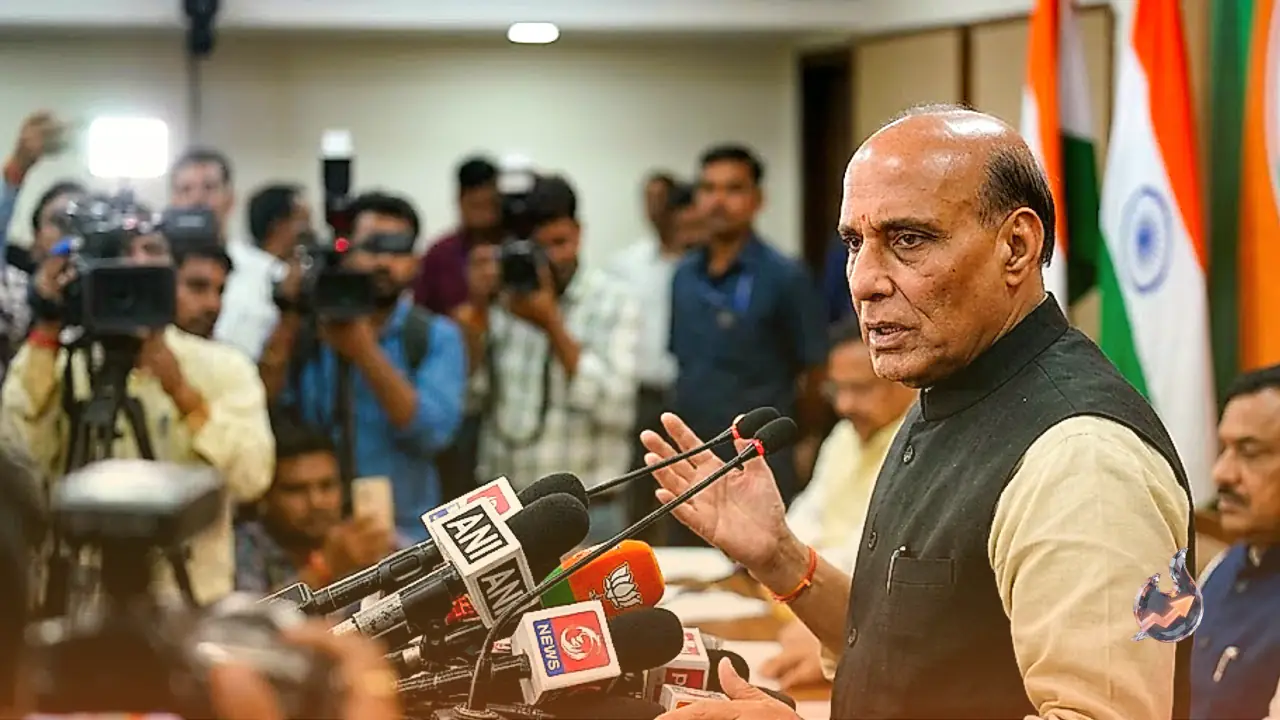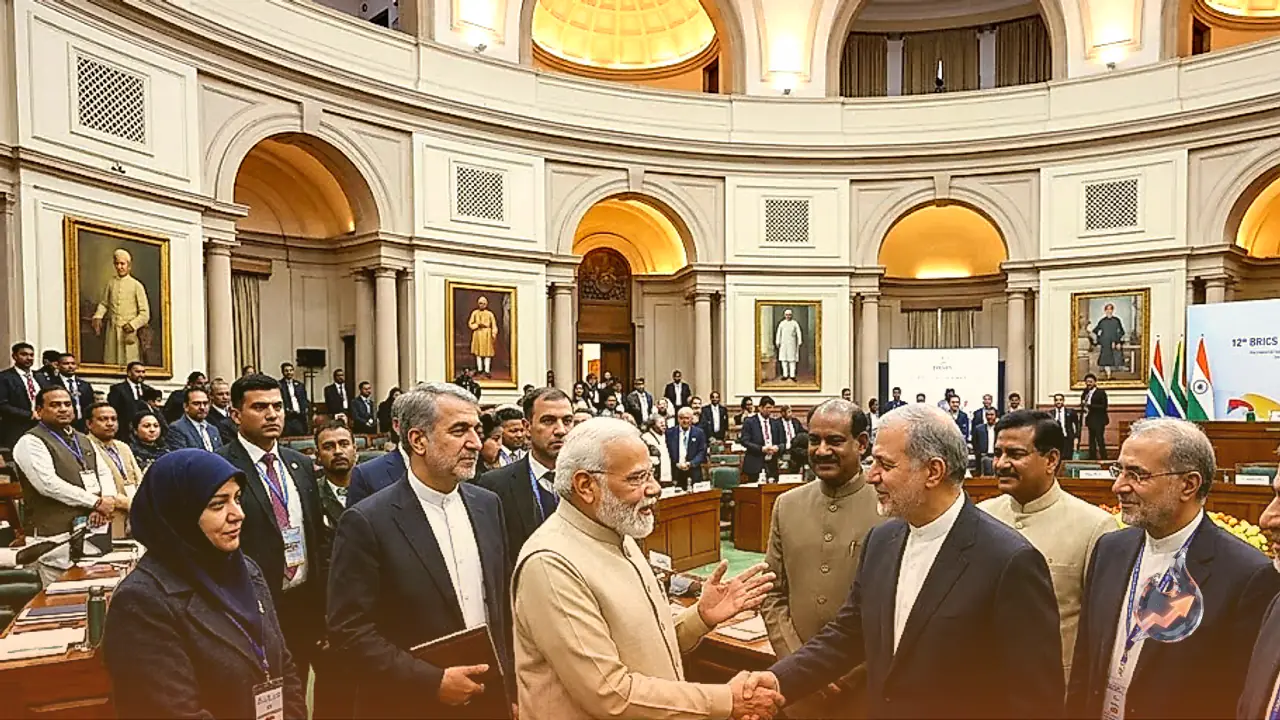

















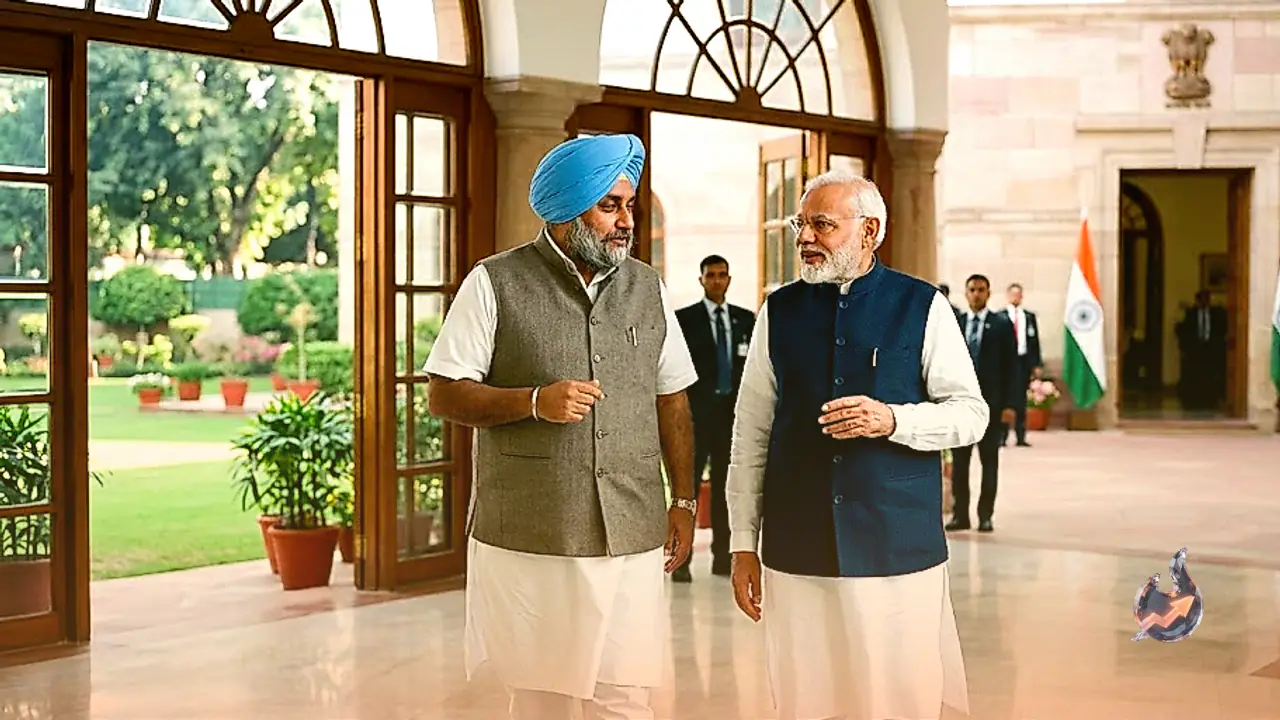

Political dynamics in Punjab experienced a sudden surge of activity following a high-profile interaction in the country capital. Within the parliament complex, Shiromani Akali Dal president Sukhbir Singh Badal held a direct meeting with Prime Minister Narendra Modi. This face-to-face dialogue lasted for approximately ten minutes, instantly triggering intense discussions across political circles in Delhi and Chandigarh. The significance of this encounter stems largely from the fact that it marked their first direct interaction since September 2020, when the Akali Dal severed ties with the ruling coalition in protest against controversial farm laws. This brief yet impactful meeting has brought renewed attention to potential shifts in the state political landscape.
The Breakdown of a Historic Two-Decade Partnership
The long-standing political synergy between the Bharatiya Janata Party and the Shiromani Akali Dal was never viewed merely as an electoral arrangement; it was widely regarded as a symbol of Hindu-Sikh brotherhood and communal harmony within the region. Initiated back in 1997, this alliance proved remarkably successful, forming governments on the back of joint mandates in the 1997, 2007, and 2012 assembly elections. However, tensions boiled over in September 2020 when the central administration introduced three farm legislations, sparking massive protests from agricultural communities across the state. Under intense political pressure, senior Akali leader Harsimrat Kaur Badal resigned from the union cabinet, leading her party to officially terminate its twenty-three-year association with the NDA. Although the central administration eventually repealed those legislations, the political paths of both former allies remained firmly separated.
Electoral Isolation and Changing Vote Shares
Following the dissolution of their partnership, both parties chose to contest the 2022 Punjab assembly elections and the 2024 general elections entirely on their own. During the 2022 provincial polls, a sweeping wave for the Aam Aadmi Party reduced the Akali Dal to just 3 seats, while the BJP managed to secure only 2 victories. Subsequently, discussions regarding seat-sharing took place ahead of the 2024 parliamentary contest, but talks collapsed due to a lack of consensus, forcing both entities to contest independently. In those parliamentary results, the Akali Dal secured only the Bathinda constituency, while the BJP failed to open its account despite managing to expand its overall vote share to roughly eighteen percent.
Mutual Inclination Toward a Renewed Coalition
In the lead-up to upcoming electoral contests, extensive internal reviews and strategic planning sessions have been underway within the BJP regarding Punjab. Several senior leaders within the party believe that re-establishing an understanding with the Akali Dal could substantially alter ground realities. Prominent figures such as former Chief Minister Captain Amarinder Singh and former state president Sunil Jakhar have openly advocated for the revival of this partnership. Both leaders maintain that the reunion of these two political forces is crucial for a successful bid to regain power in the state. While leaders from both camps continue to issue guarded statements publicly, subtle maneuvering behind the scenes suggests that the groundwork for a future alliance cannot be ruled out.
The Strategic Blend of Rural and Urban Voter Bases
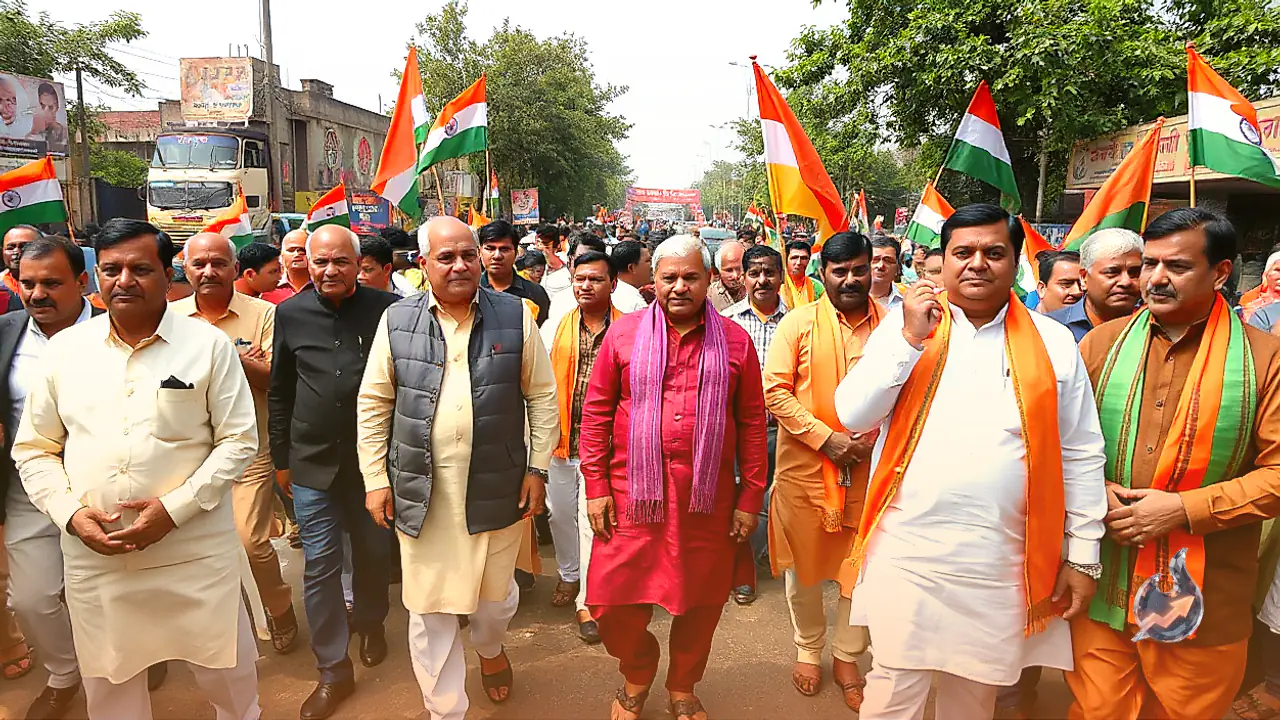
Should these two entities decide to join forces once again, it would create a formidable integration of voter demographics across the state. The political and social fabric of Punjab has historically been divided between rural electorates and urban populations. The Shiromani Akali Dal has traditionally maintained its core support base within rural hinterlands and among panthic Sikh voters. Conversely, the BJP's strongest foothold has always resided within Hindu-majority urban and semi-urban centers. Uniting these two distinct voter blocks would forge a powerful combined front capable of presenting a serious challenge to the incumbent administration.
Opposition Reactions and the Emerging Triangular Contest
The meeting in Delhi and the subsequent alliance rumors have visibly unsettled both the ruling Aam Aadmi Party and the principal opposition Congress party. AAP national convener Arvind Kejriwal took to social media to allege an underlying collusion between the two parties. Meanwhile, Leader of the Opposition and Congress figure Partap Singh Bajwa asserted that both organizations have lost their political footing and that their reunion would have minimal impact. Political analysts, however, suggest that if a formal coalition materializes, the 2027 electoral battle will transform from a scattered four-cornered race into a sharp triangular contest involving AAP, the Congress, and the BJP-Akali combine.
Strategic Implications and Seat-Sharing Dynamics
While the BJP has been actively expanding its grassroots presence across Punjab, securing a full majority remains a formidable challenge without deep-rooted support in rural constituencies. If a new pact takes shape, the negotiations surrounding seat allocation will prove intricate. In their previous arrangement, the Akali Dal functioned as the senior partner contesting a larger share of seats, but the BJP may now demand parity or a higher proportion of urban segments given its expanded vote share and national stature. Additionally, with legislative sessions underway requiring parliamentary numbers, political adjustments at the national and state levels remain deeply intertwined, ensuring that Punjab politics will witness high-stakes developments ahead.