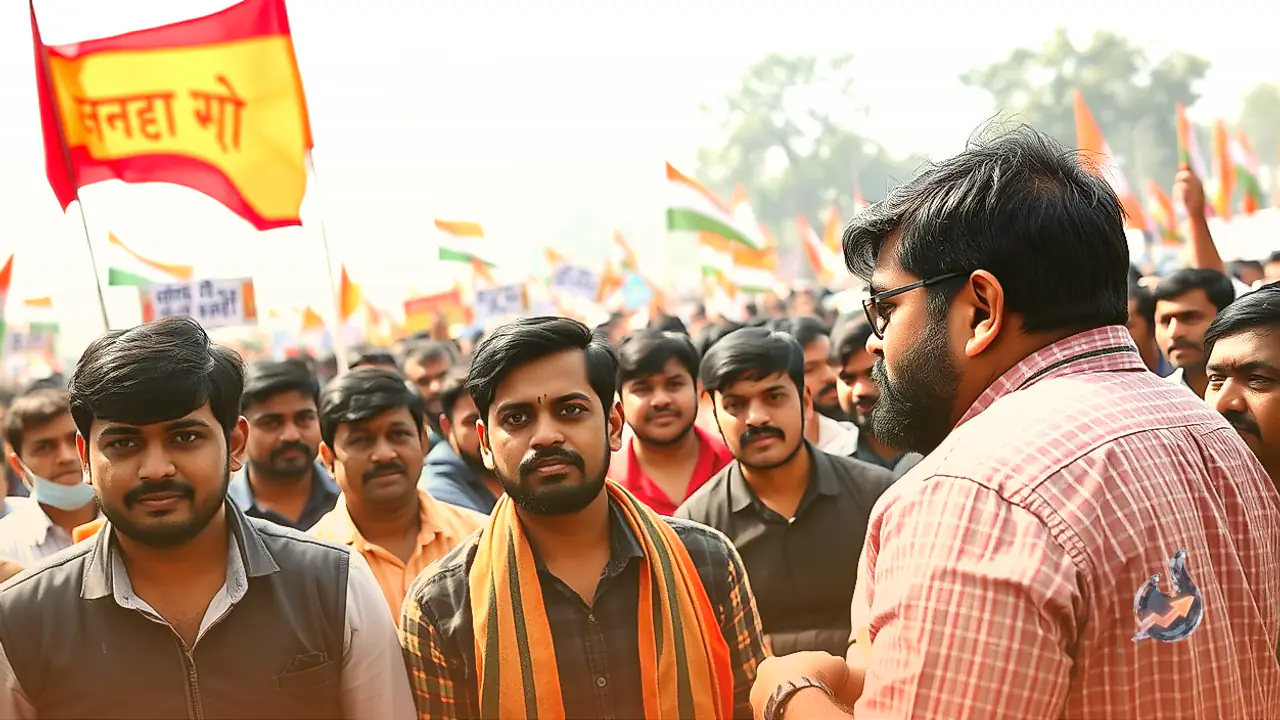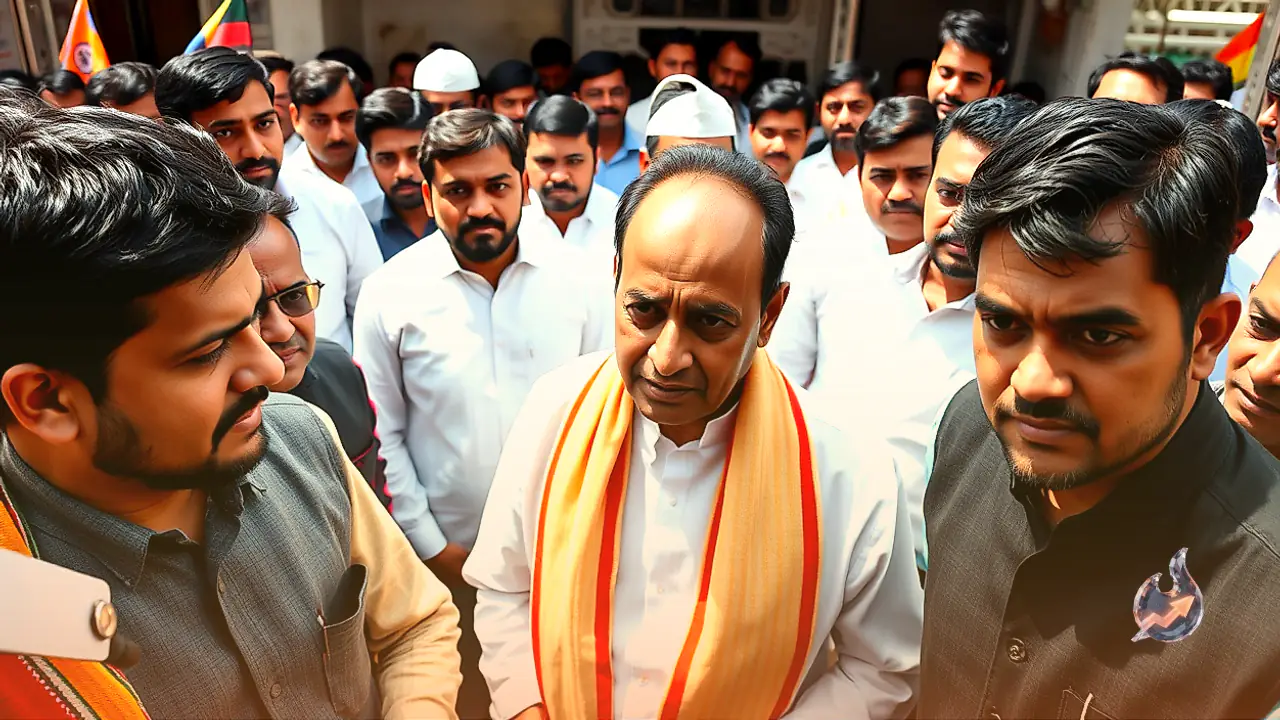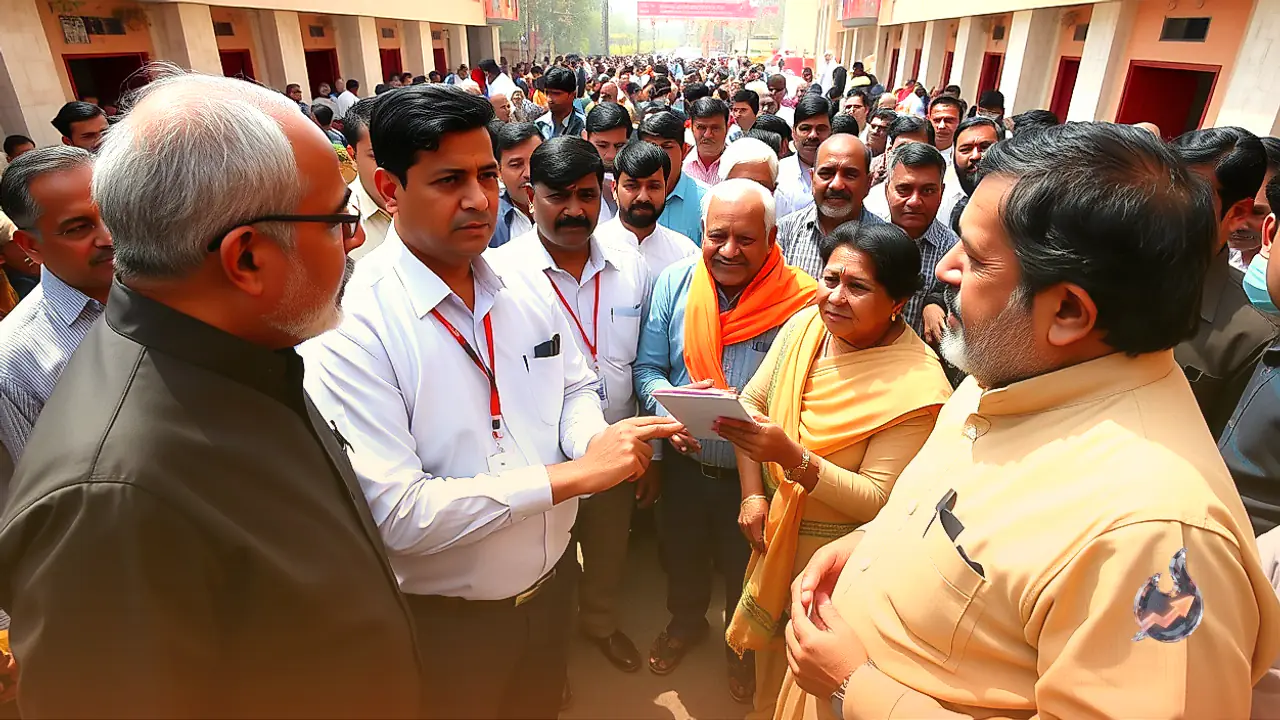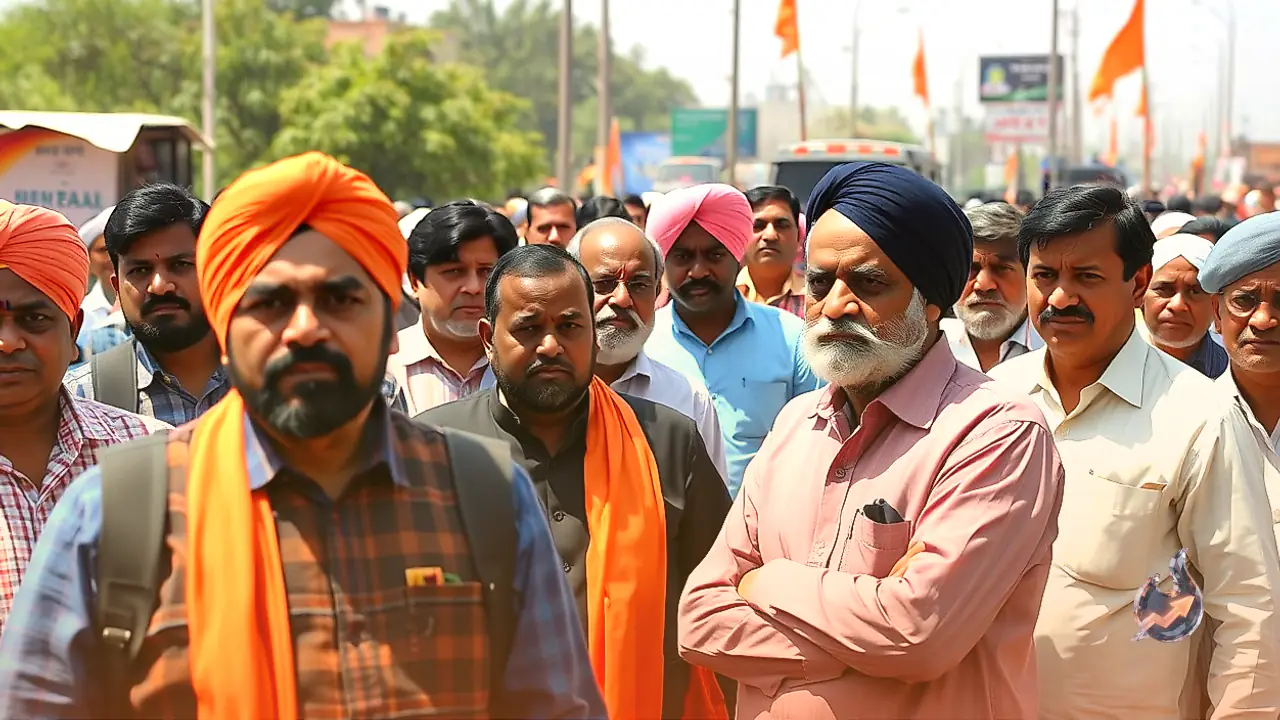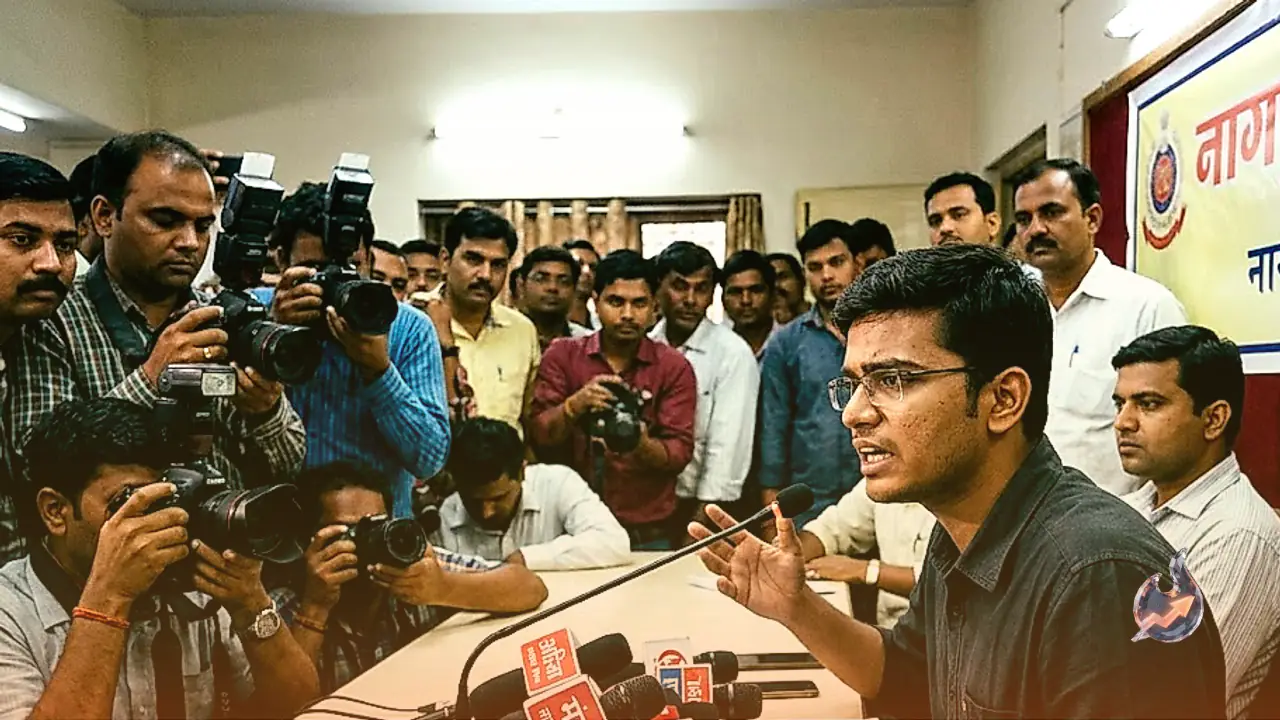



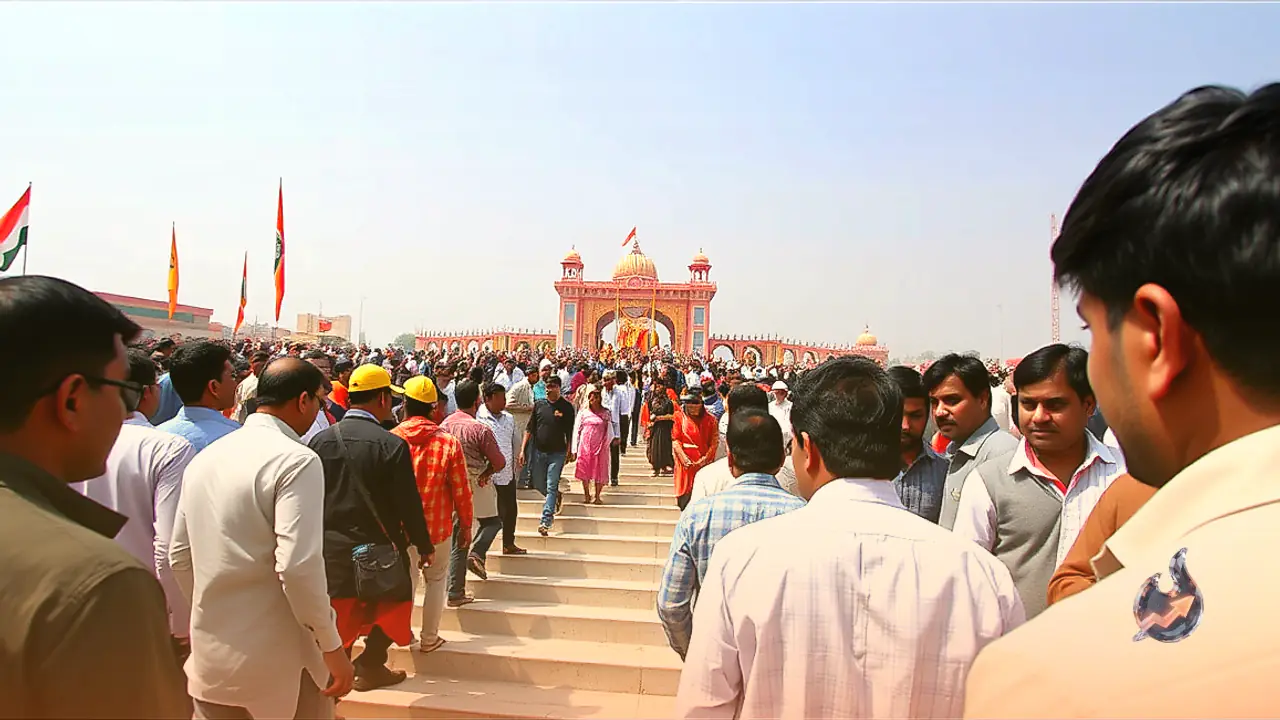

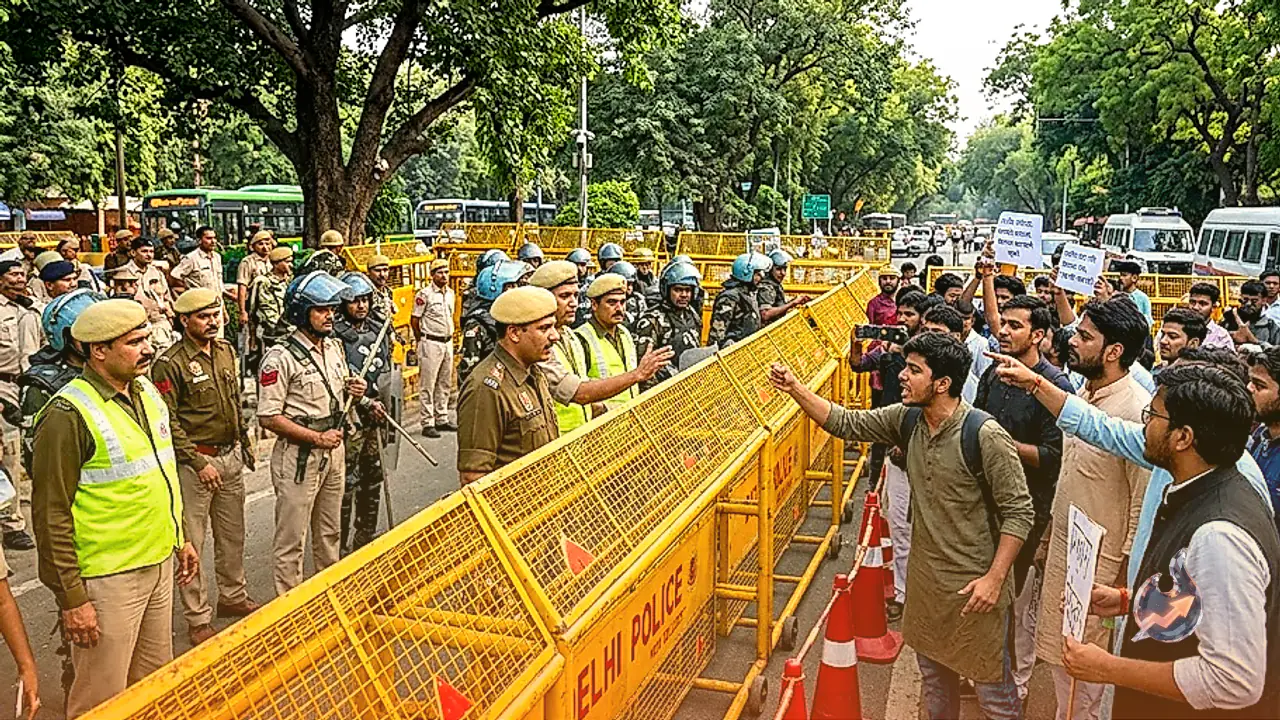
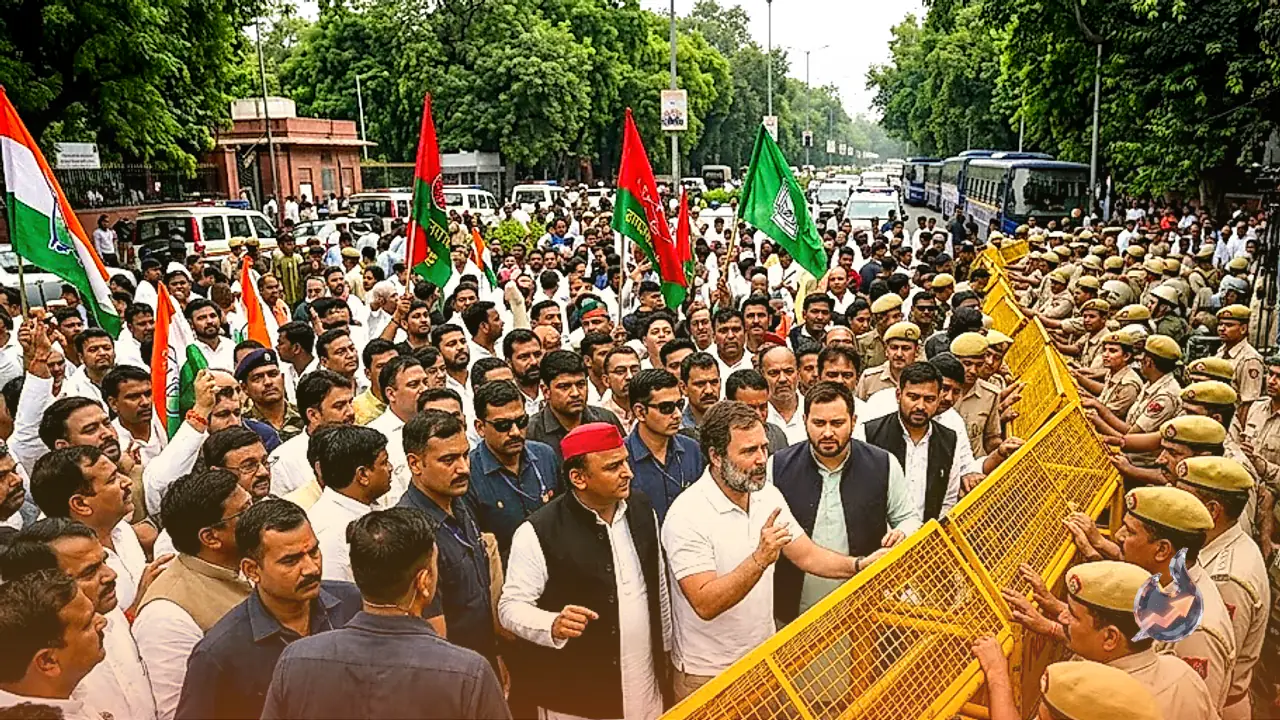














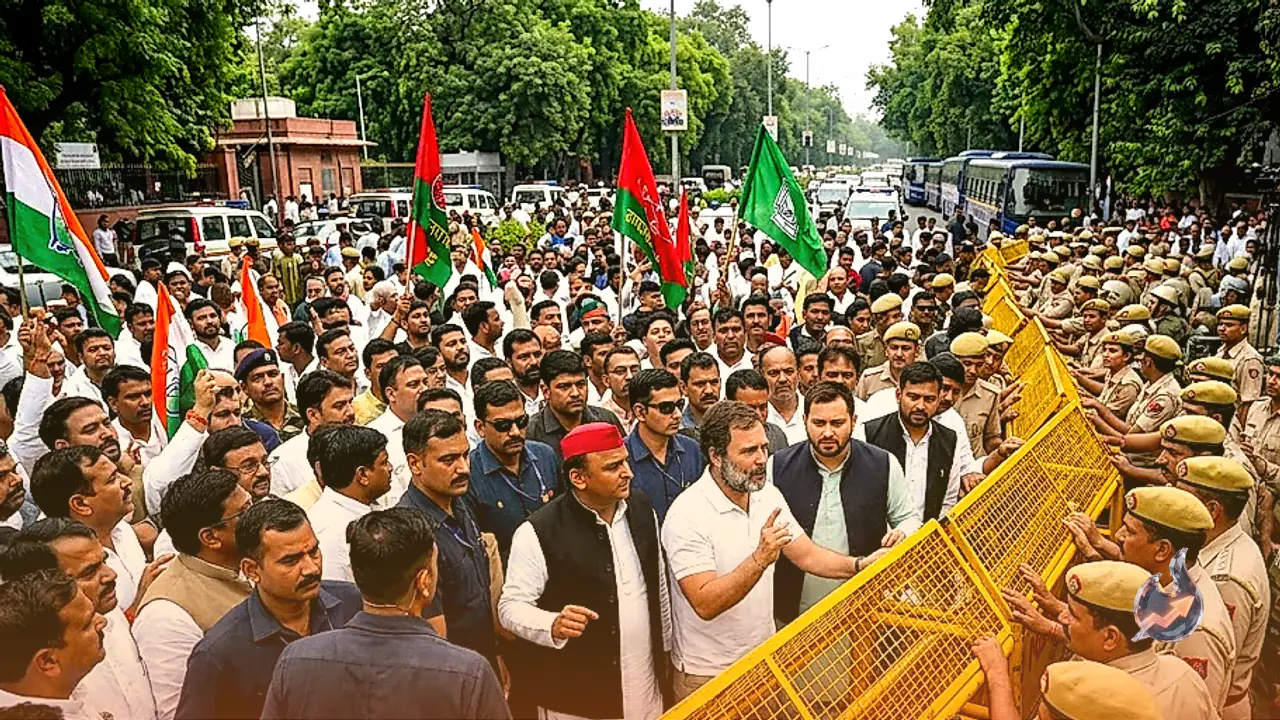

Political activity peaked in Delhi on October 12, 2026, as the opposition bloc, led by Leader of Opposition in Lok Sabha Rahul Gandhi, staged a major march toward the Supreme Court. The demonstration aimed to highlight alleged irregularities in the electoral process and voter list revisions. The event saw opposition leaders arriving in buses, thousands of workers marching on foot, heavy police barricading, and intense sloganeering across central Delhi. Following heightened vigilance on October 10 and 11, Delhi Police remained on high alert throughout October 12 to manage the situation.
Leaders Assemble at Constitution Club
The sequence of events began at the Constitution Club of India in Delhi, where key opposition figures gathered in the morning. After consultations, Rahul Gandhi, Congress President Mallikarjun Kharge, Priyanka Gandhi Vadra, and other leaders boarded buses and vehicles to travel toward Barakhamba Road. The plan was to proceed from Barakhamba Road to the Supreme Court on foot. The march presented two distinct sights: senior leaders navigating the route in buses while party workers walked alongside, chanting slogans in support of their demands.
Police Barricades Block Progress at Bhagwan Das Road
As the convoy moved from the Barakhamba Road junction toward the Supreme Court, Delhi Police intercepted the march at Bhagwan Das Road using heavy barricades. The stoppage led to a brief standoff between the security forces and the demonstrators. Samajwadi Party chief Akhilesh Yadav and Rashtriya Janata Dal leader Tejashwi Yadav joined Rahul Gandhi at the barricaded spot. Following the stoppage, the leaders decided to pursue direct legal intervention, with Rahul Gandhi announcing that he would personally file the petition in the Supreme Court.
Unity Symbolised Through Flags and Colors
The opposition employed a specific visual strategy during the demonstration. To frame the protest as a broader movement for democratic rights rather than a party-centric display, the Congress leadership advised all coalition partners to carry the Indian national flag instead of individual party banners. Among the crowd, Samajwadi Party workers wore red caps, RJD supporters donned green scarves marking Tejashwi Yadav's presence, and Congress Seva Dal members wore traditional Gandhi caps. The simultaneous presence of these political symbols on Delhi's streets marked a noticeable moment of joint coalition mobilization.
Petition Against the Chief Election Commissioner
The central objective of the Supreme Court march was to submit a legal petition against Chief Election Commissioner Gyanesh Kumar, raising questions about voter list revisions and electoral management. Opposition parties sought to formally bring their grievances before the top court. References to procedural steps advised by Chief Justice of India (CJI) Surya Kant were highlighted as the legal strategy moved alongside the public demonstration.
Involvement of Student Leaders and Youth Movements
The protest also saw participation from student organizations and young activists. Neha Bora, the national president of the All India Students Association (AISA), marched alongside Rahul Gandhi. Bora had previously been active in several high-profile Delhi demonstrations and police barricading scenarios, including earlier protests involving the Cockroach Janata Party. The involvement of student representatives alongside mainstream political leaders underscored the wide coalition formed during this march to the Supreme Court.