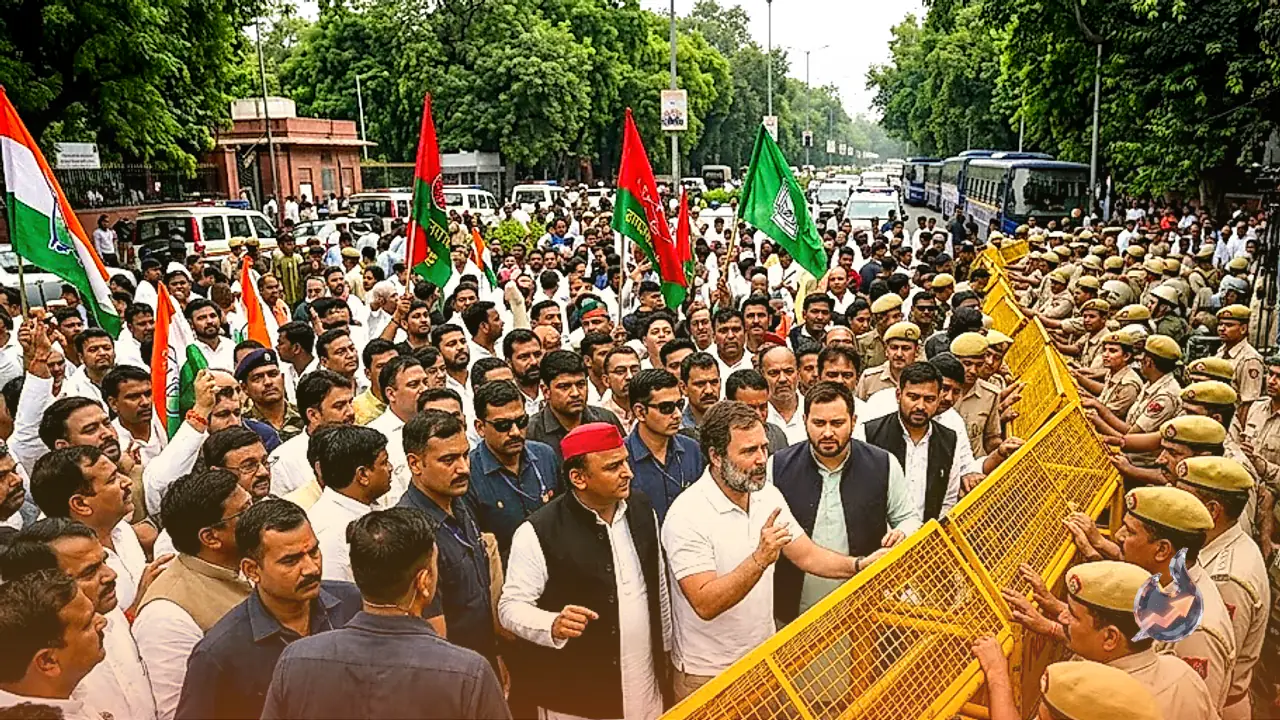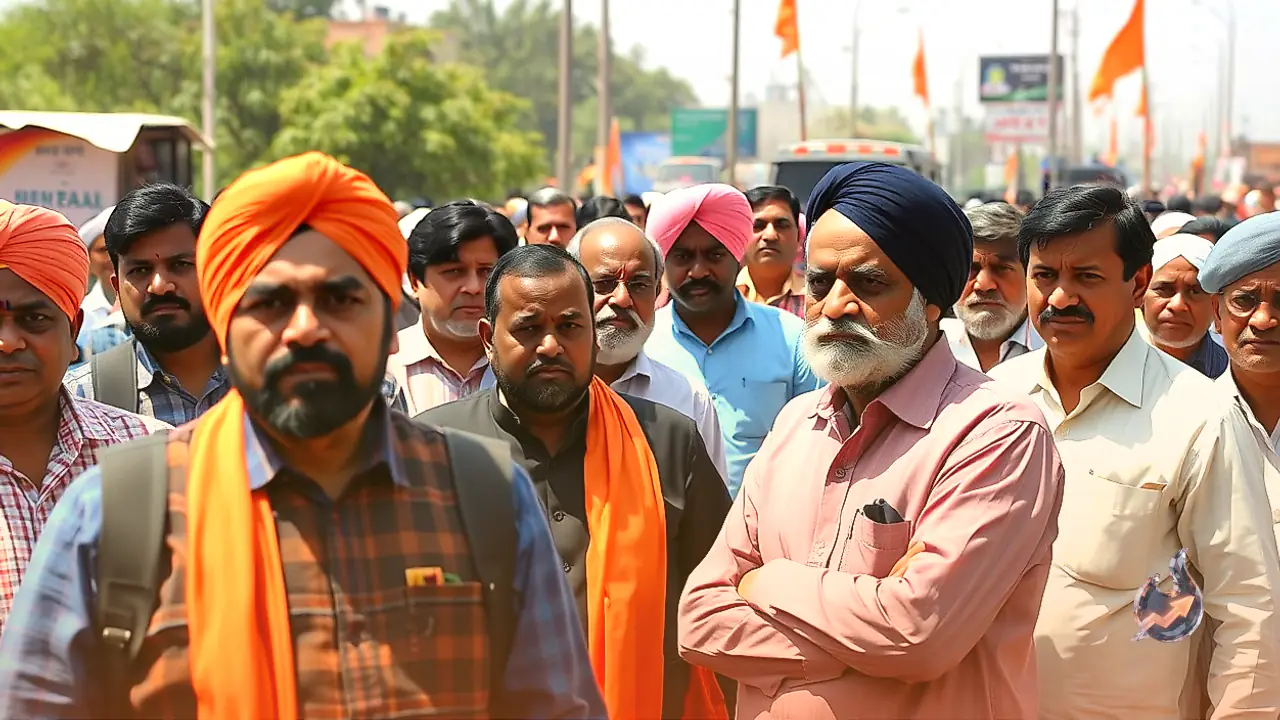



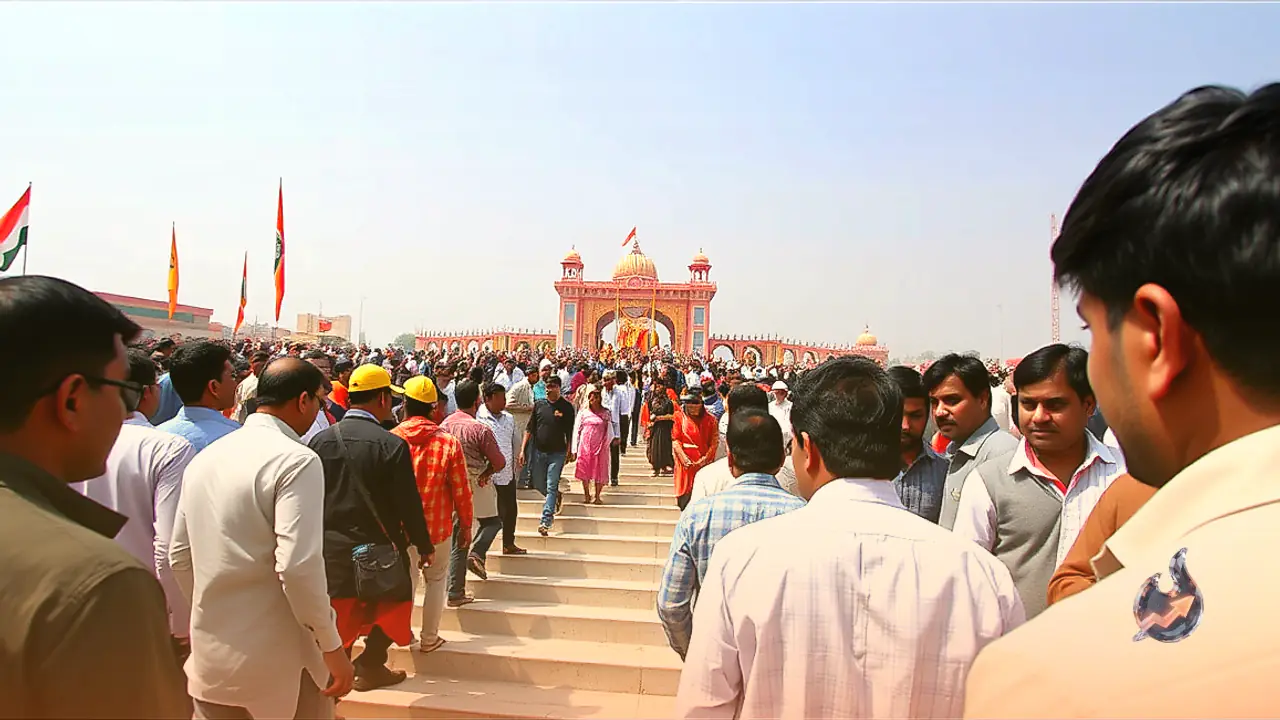



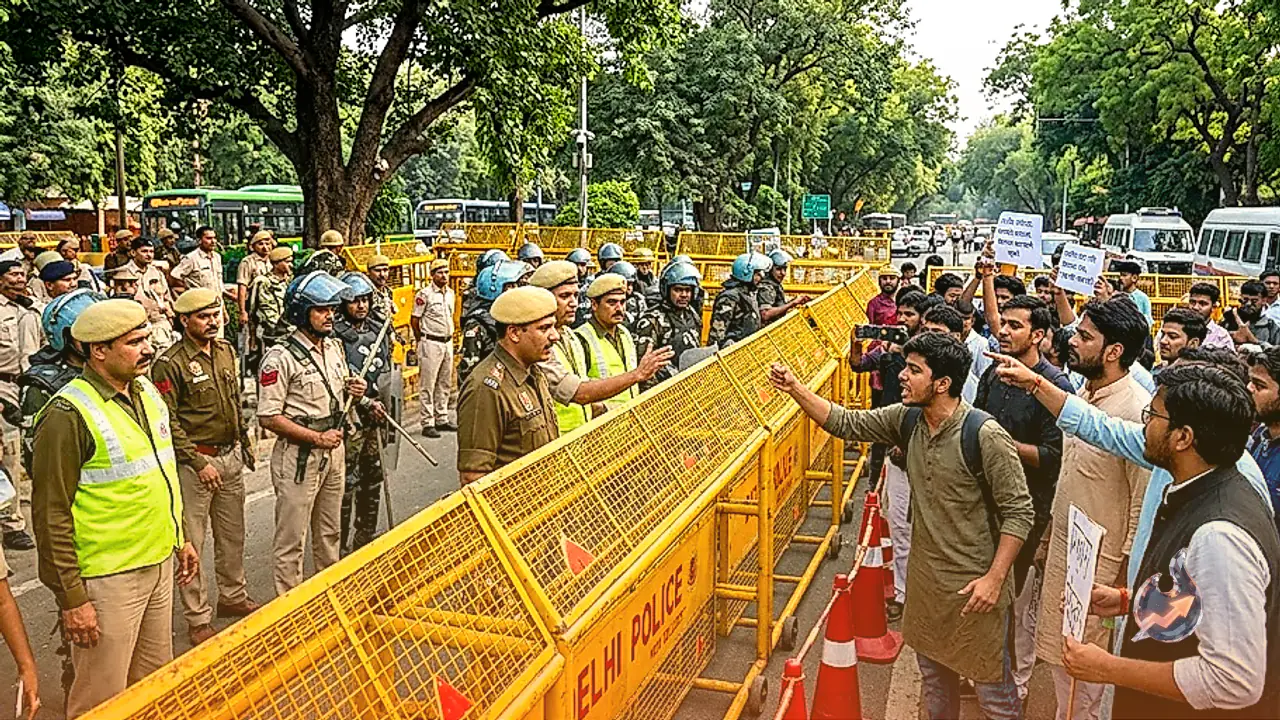















A major political controversy has erupted in the national capital following the Delhi Police's decision to remove Jantar Mantar from the official list of designated protest venues. The Cockroach Janata Party (CJP) strongly condemned the movement, alleging that the government is attempting to suppress public dissent and erode citizens' constitutional right to peaceful assembly.
CJP's Sharp Backlash and Civil Liberty Concerns
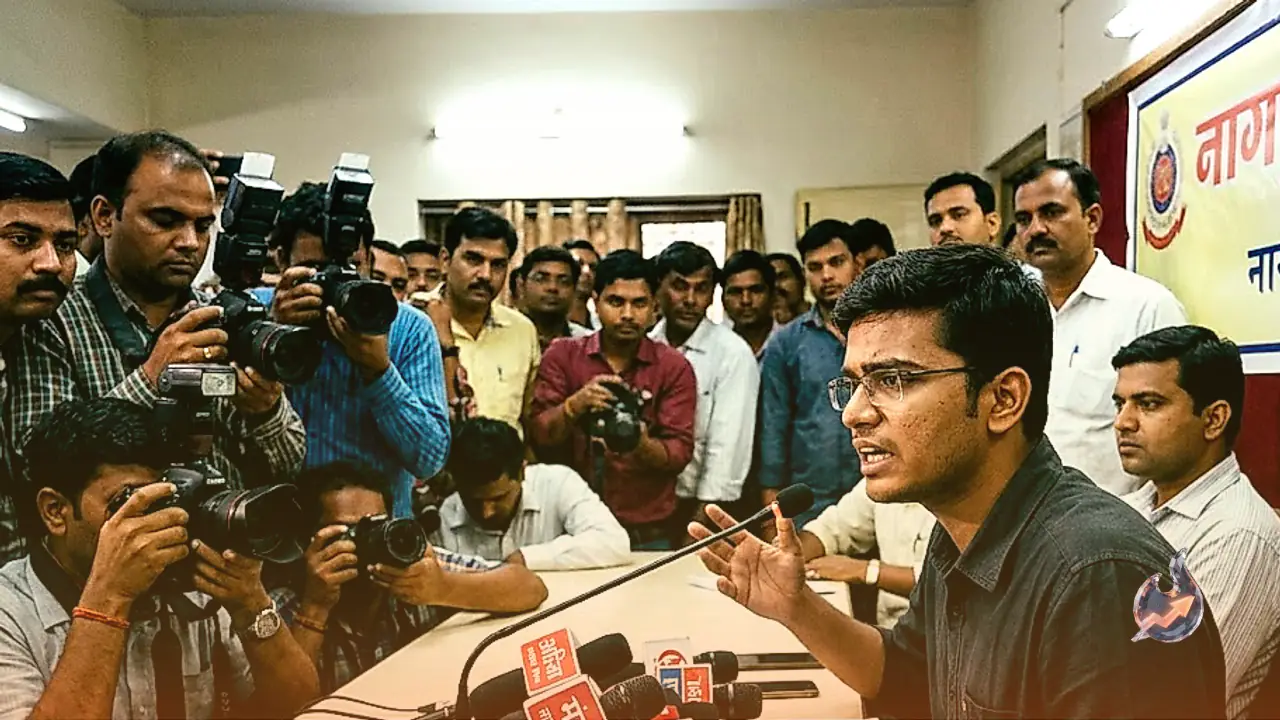
Addressing the administrative move, CJP founder Abhijit Dipke criticized the government on social media platform X, arguing that shifting the location will not restrict the spirit of public agitations. Dipke wrote, "Now the whole country will become Jantar Mantar!" He alleged that the authorities had already transformed the venue into a heavily restricted area, adding that removing iconic spaces threatens core democratic principles.
Echoing these sentiments, CJP leader Saurav Das questioned whether the Ministry of Home Affairs (MHA) consulted ordinary citizens, civil society groups, or relevant stakeholders before enacting the policy. Describing the choice as arbitrary, Das expressed serious concern over its impact on fundamental freedoms. He questioned why Narendra Modi appeared uneasy with assemblies at Jantar Mantar, emphasizing that public spaces belong to the citizens of India.
Taking a satirical jab at the alternative arrangements offered by the authorities, CJP leader Ashutosh Ranka mockingly suggested that officials might as well declare Mount Everest as a designated protest venue, highlighting how moving protest sites away from central Delhi dilutes their visibility.
New Designated Sites and Administrative Details
Under the official order released by law enforcement authorities, three alternative locations have been allocated for future public demonstrations and rallies
- Ramlila Maidan
- Burari Ground
- CBD Ground in East Delhi
The directive follows recommendations submitted by a specialized committee set up by the Union Ministry of Home Affairs to identify suitable assembly areas in the capital. A notice issued by Delhi Police Commissioner Anurag Kumar stated that a revised Standard Operating Procedure (SOP) outlining operational guidelines for assemblies at the new grounds will be released separately. This order partially modifies the earlier standing order dated 28 April 2022.
Timing Amid Electoral Roll Controversy
The decision coincides with heightened political activity and ongoing demonstrations directed against Chief Election Commissioner Gyanesh Kumar over alleged irregularities and the Special Intensive Revision (SIR) of electoral rolls. Opposition parties and civic organizations had been mobilizing public rallies in central Delhi regarding these election issues.
While administration officials maintain that shifting venues away from the central city zone is necessary to alleviate traffic congestion and manage urban security, critics argue that displacing protest spaces to the periphery undermines the effectiveness of public protest in a democratic setup.