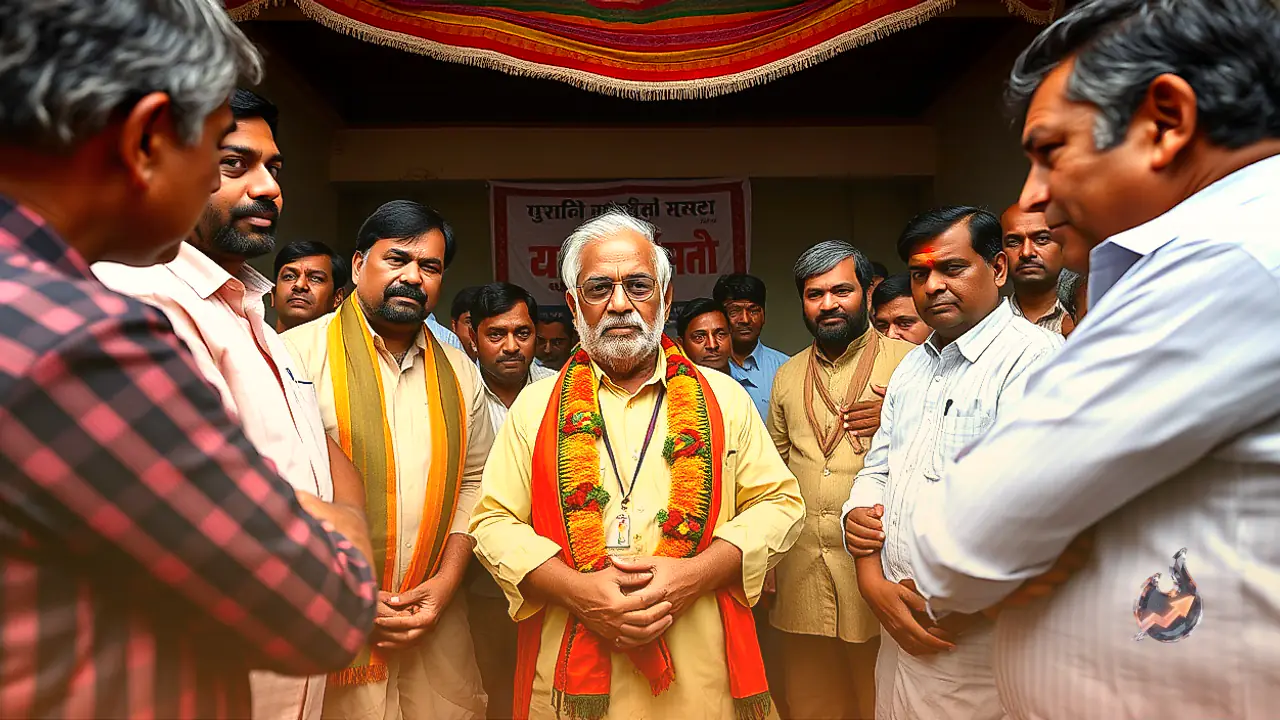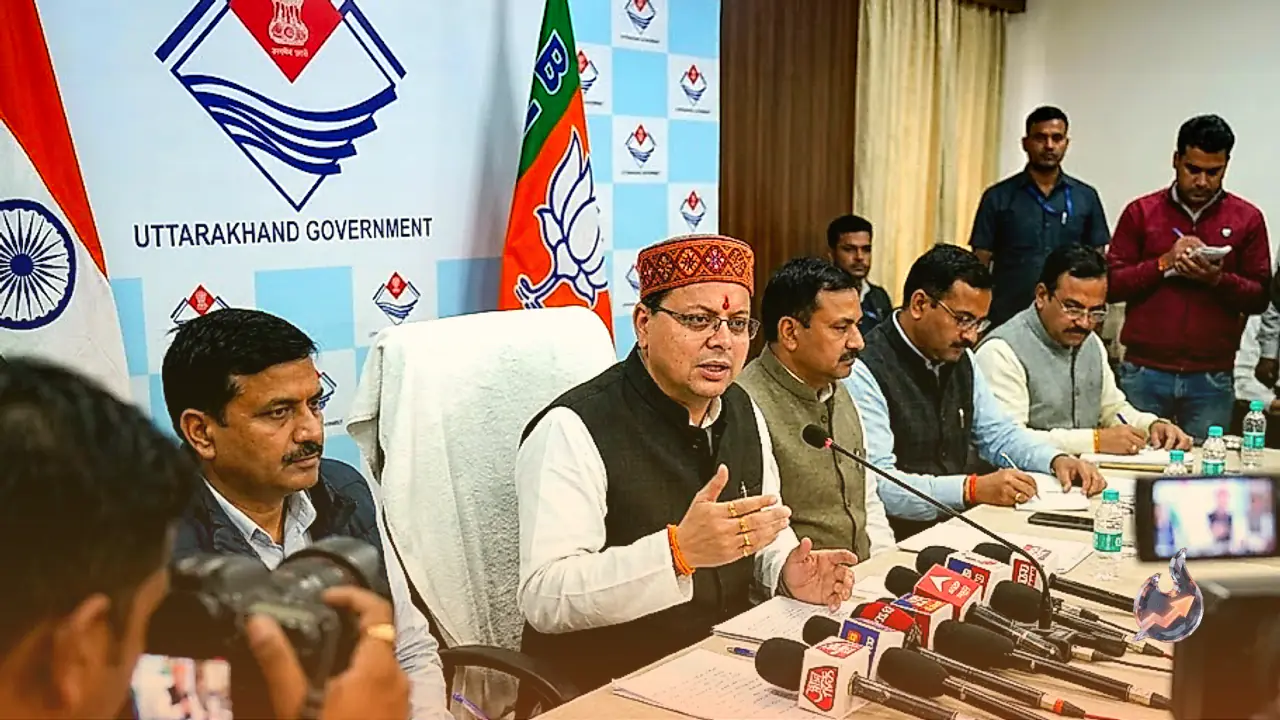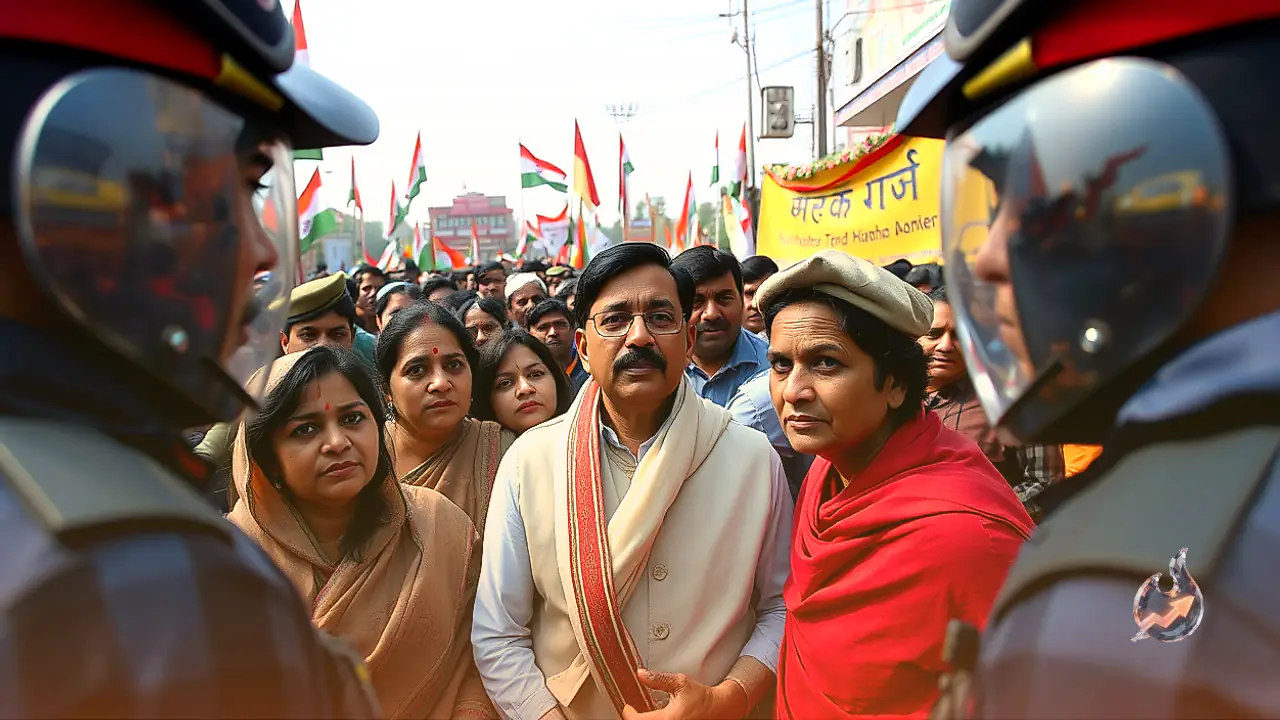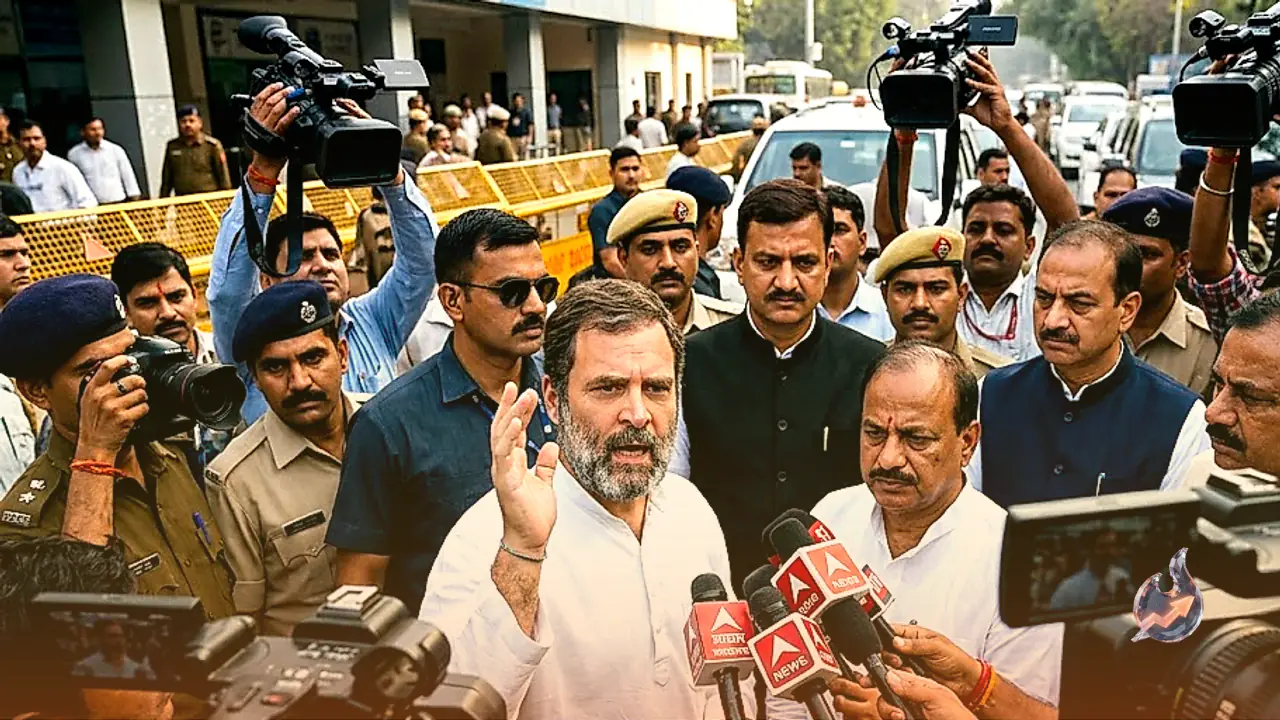

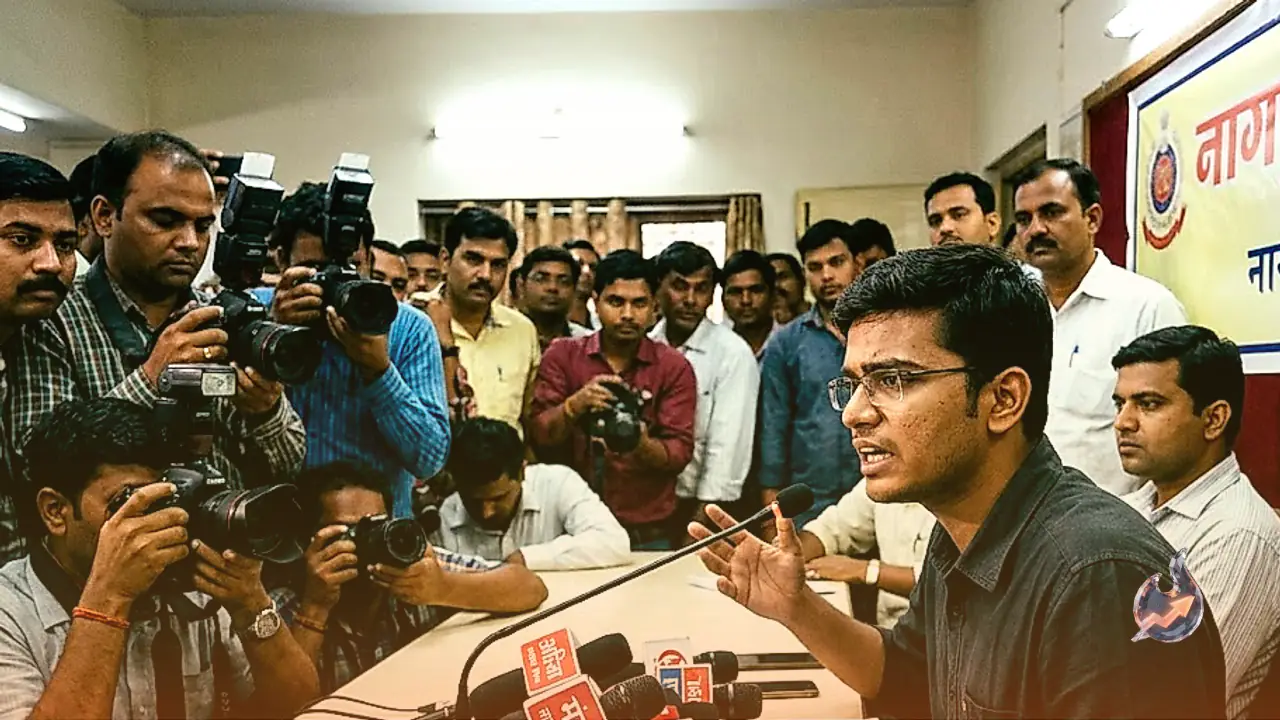


















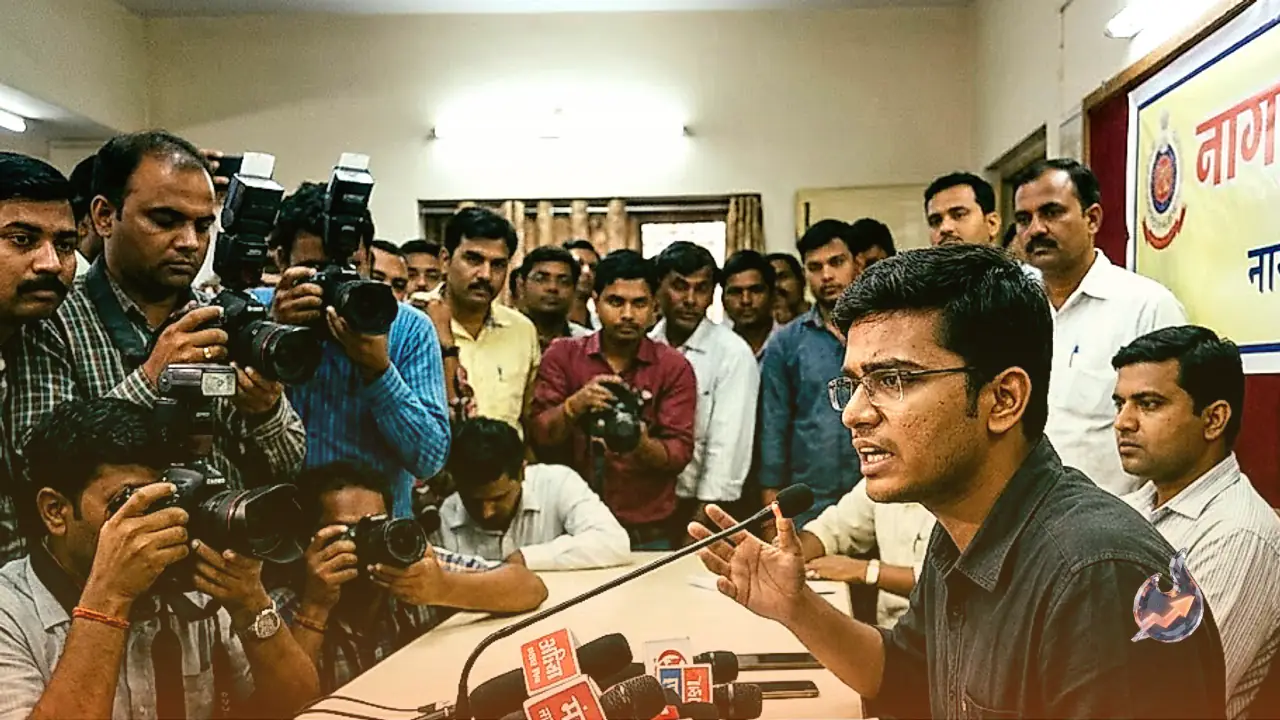

In Nagpur, Cockroach Janata Party founder Abhijit Dipke mounted a sharp attack on the conduct of the Delhi Police during his detention. While the police department held a press conference to provide its clarification regarding the passing of Dipke's grandmother, the political activist came forward with serious grievances about how the personnel handled his custody.
Refusal of Basic Communication and Legal Access
According to Abhijit Dipke, police officers initially approached him to deliver the tragic news that his grandmother had passed away. Following this information, Dipke requested permission to contact his cousin who resides in their village. He asked the officers to hand over his mobile phone for merely two minutes so he could make the necessary arrangements. However, the police personnel flatly refused to bring his device and instead instructed him to verbally state the phone number.
Dipke explained that he did not have the contact number memorized and repeatedly asked for just two minutes with the device simply to retrieve the details. The personnel remained unyielding and denied him access. Emphasizing statutory legal protections, Dipke noted that every detained citizen holds the right to consult an attorney. Despite this constitutional safeguard, the Delhi Police refused to let him place a phone call to his legal counsel.
Late-Night Call Demand at 3:30 AM
Detailing the timeline of events, Dipke highlighted an incident that took place before dawn. At roughly 3:30 AM, police personnel woke him up and directed him to telephone his parents to announce his formal arrest. Dipke questioned the underlying motive behind such timing, asking why it was necessary to wake him up in the middle of the night only to startle his elderly parents awake with news of an apprehension.
He pointed out that the authorities had withheld information about his custody and exact location from his family throughout the entire day. Dipke argued that if notifying the family was a standard protocol, it should have been carried out during ordinary daytime hours rather than waiting until 3:30 AM. When confronted, the personnel insisted that the late-night call formed part of statutory due process, an explanation Dipke dismissed as a pretext to cause emotional trauma to his household.
Refusal to Back Down and Vow to Protest
Dipke condemned the personnel's lack of basic empathy, describing their behavior as that of uniformed thugs operating under political patronage. He asserted that he has not appended his signature to any bond or compromise agreement. Reaffirming his resolve, Dipke stated that neither political pressure nor official intimidation would silence his activism, adding that his party members intend to return to the streets in protest.