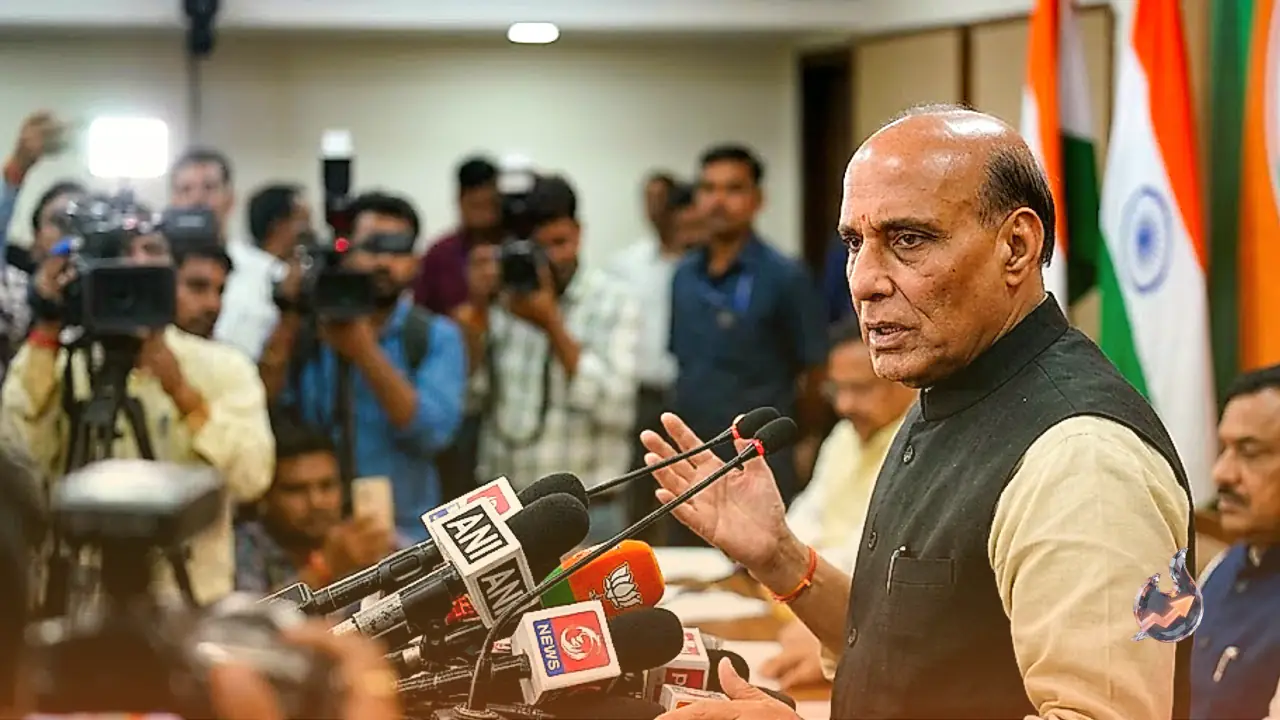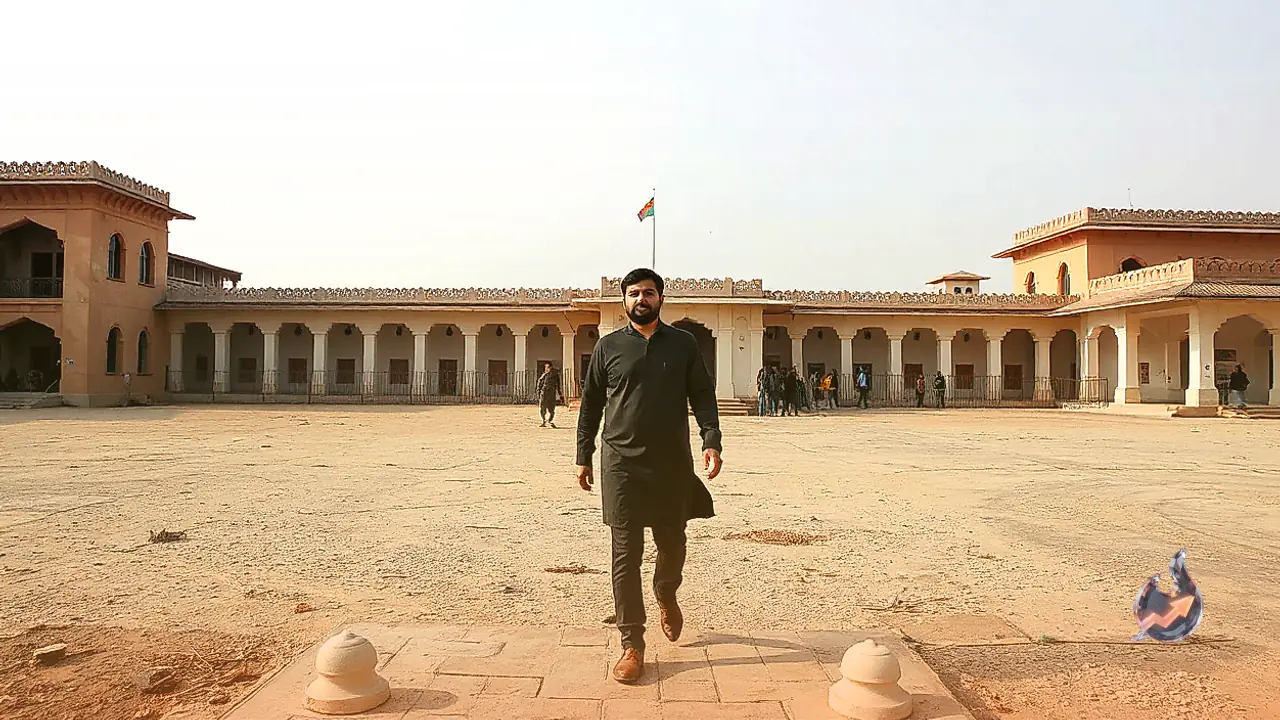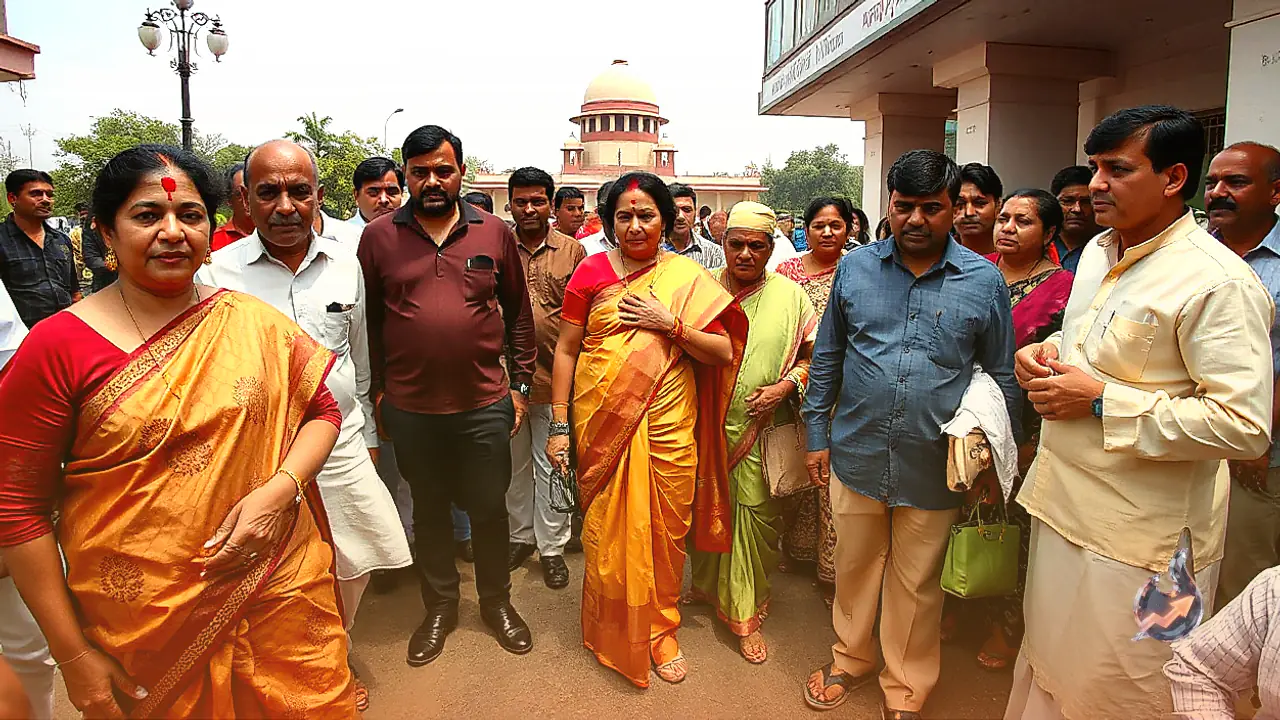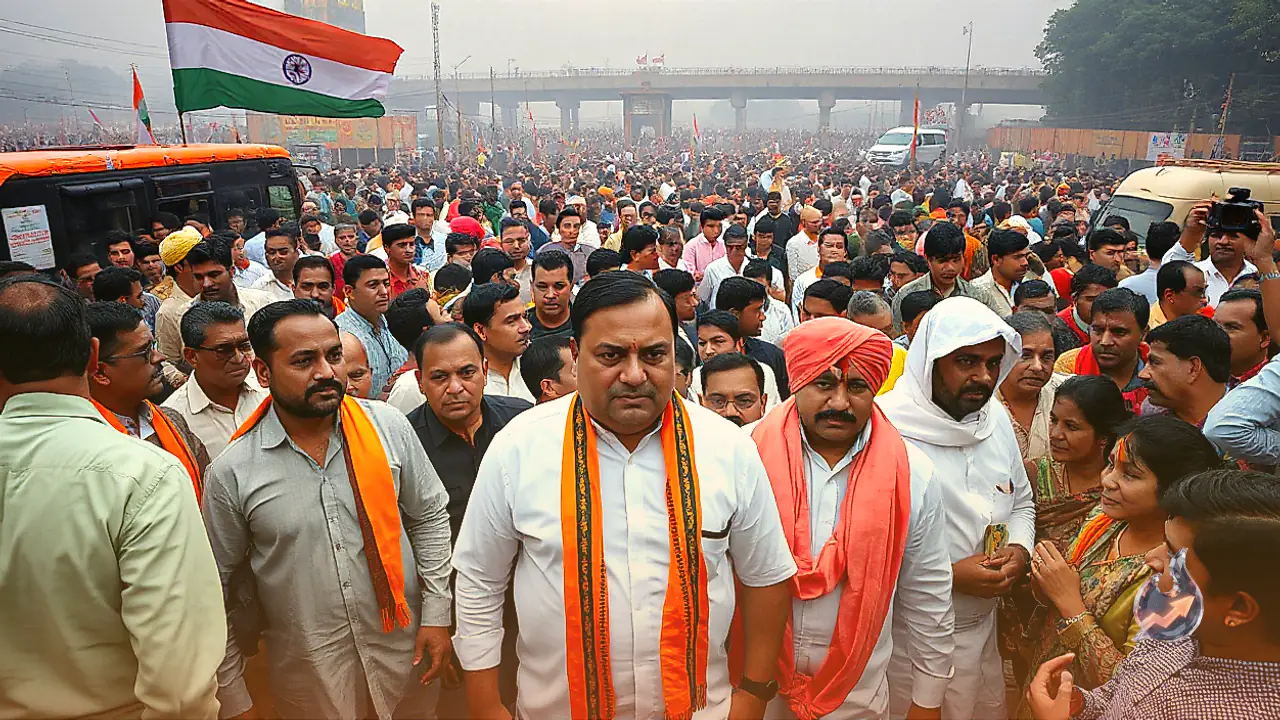






















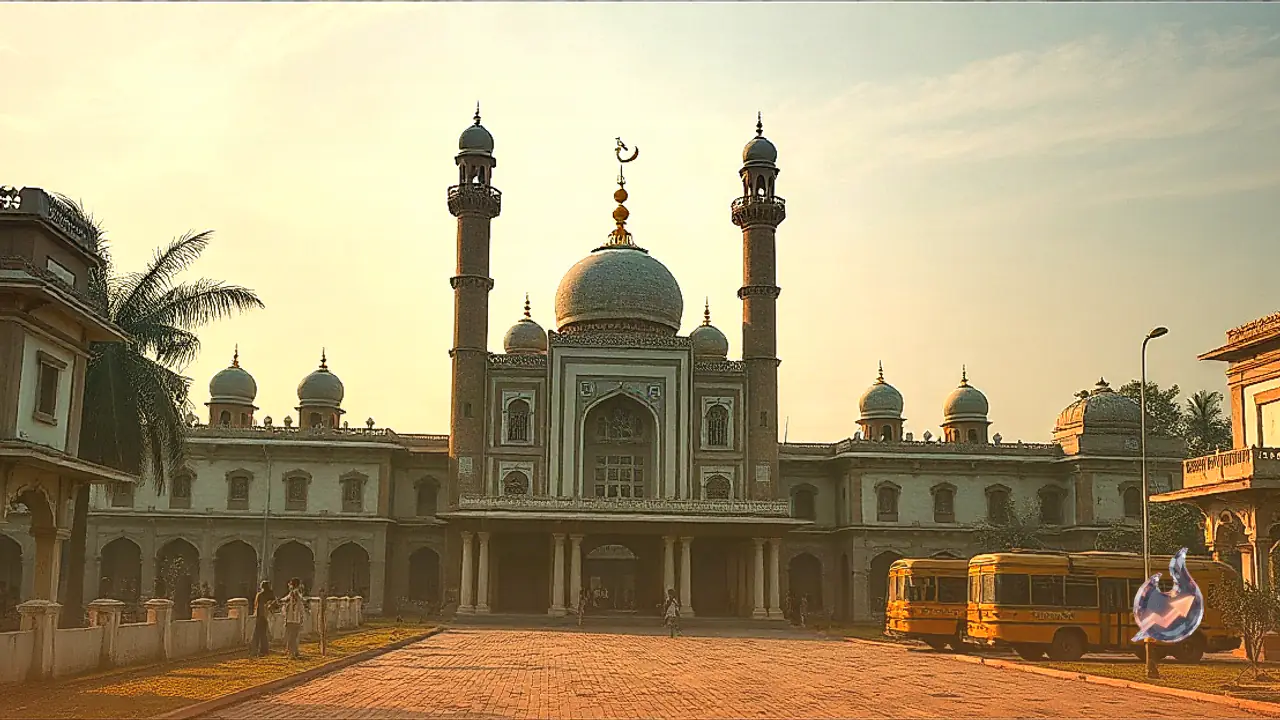

A mosque that had stood for years inside the district collectorate complex in Saharanpur, Uttar Pradesh, was brought down by bulldozers, turning the episode into a full-blown political controversy. AIMIM chief Asaduddin Owaisi reacted sharply to the demolition and posed direct questions to the government, while the district administration insists the entire action was carried out strictly under a court order and the prescribed legal process.
Owaisi cites documents dating back to 1911
Owaisi says the mosque committee holds records going back to 1911 that establish just how old the mosque is, and that prayers had been offered there without interruption for well over a century. In a post on the social media platform X on Saturday, he said the mosque committee had placed 1911-era documents before the court in an attempt to prove that the mosque existed even before the collectorate itself was built. He wrote that the mosque was demolished around 5 am on Saturday morning, and asked whether the constitutional guarantee of religious freedom for Muslims no longer applies. He argued that Muslim places of worship keep being bulldozed on flimsy and fabricated grounds, calling it a pattern that keeps repeating and keeps drawing questions.
Challenging the government's claim over the land
Owaisi also questioned the legal basis of the government's claim over the property. His argument was that the Limitation Act does not give the state a free licence to ignore decades of open and continuous possession of immovable property and then suddenly assert one-sided ownership over it. According to him, when possession of a piece of land has remained open and uninterrupted for over a century, the government cannot argue that this possession began only recently. He added that even if the government's claim were accepted at face value, such a long stretch of possession would still raise the legal question of "adverse possession," one that cannot simply be brushed aside.
'The mosque came first, the collectorate came later'
Owaisi repeated his claim that, historically, the mosque predates the collectorate building, meaning the mosque was built first and the collectorate complex came up around it afterwards. He remarked sarcastically that some people are perhaps simply bothered by the very sight of the mosque, but said that was their problem, not that of Muslims. In his sharpest comment on the matter, he wrote, "You cannot bulldoze our mosque just to settle your own grudge." He added that his religious freedom does not rest on anyone's mercy or goodwill, since it is a constitutional right that does not need anyone's permission.
Demolition followed a court order
The demolition in Saharanpur was carried out directly on the back of a court order. On September 4, a district judge's court rejected the mosque committee's appeal against an earlier order of the city magistrate, and upheld the lower court's ruling. Before that, on July 17, the city magistrate's court had already ordered the structure to be brought down. The court had also ordered compensation of about Rs 6.41 crore over the alleged encroachment on government land and its alleged misuse, indicating that the case had been working its way through the courts for months, with the mosque committee contesting it at every stage.
Security tightened, social media under watch
Saharanpur DIG Abhishek Singh said the city magistrate's court had found, in its hearing, that the mosque was illegally built on government land, and that the appeal filed against that order has also since been dismissed by the courts. He said that after the demolition, additional PAC and RAF personnel have been deployed at sensitive and strategically important locations to maintain law and order in the area. According to the DIG, social media platforms are also being closely monitored to prevent rumours from spreading. The administration has repeatedly maintained that the entire action was carried out in line with the court's order and the prescribed legal process, without any arbitrariness.