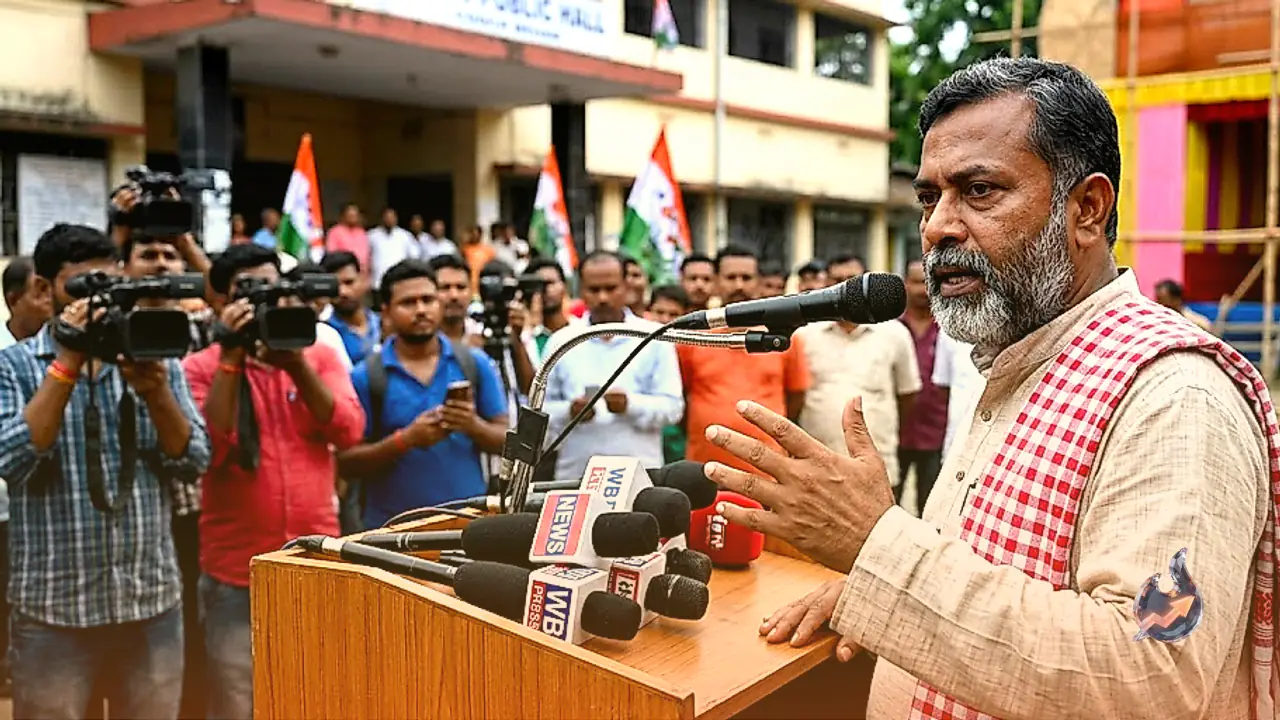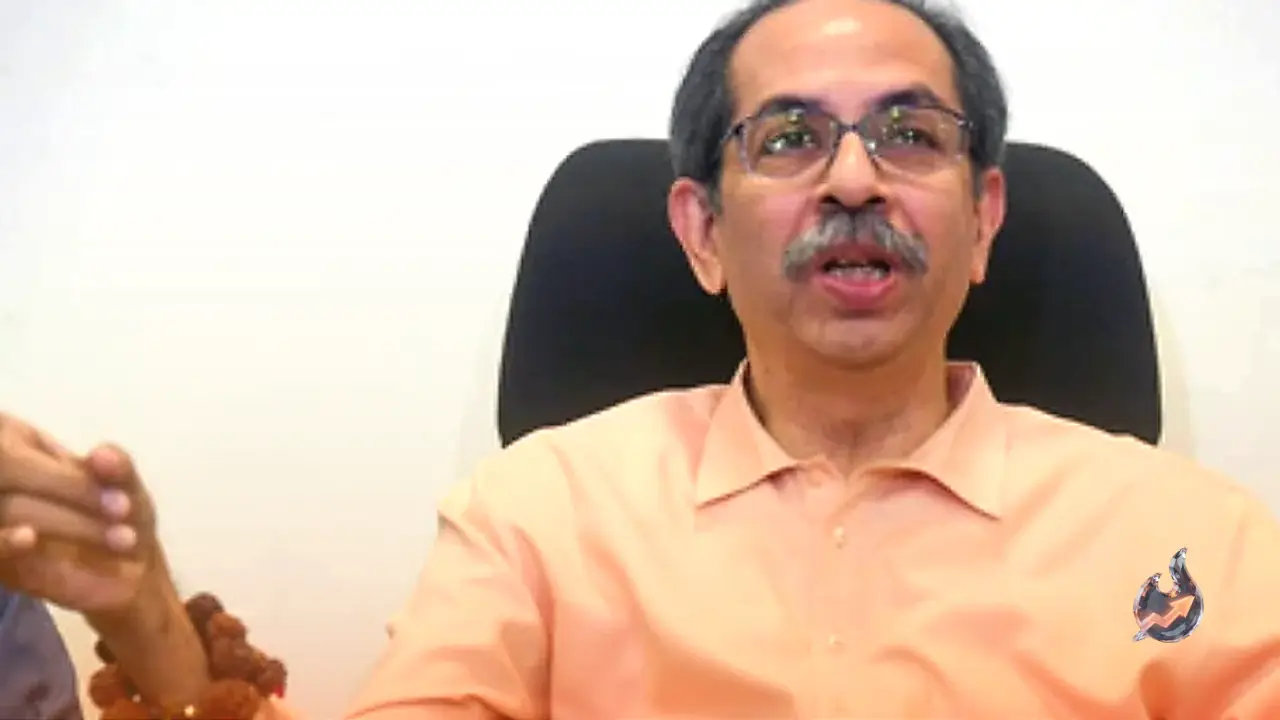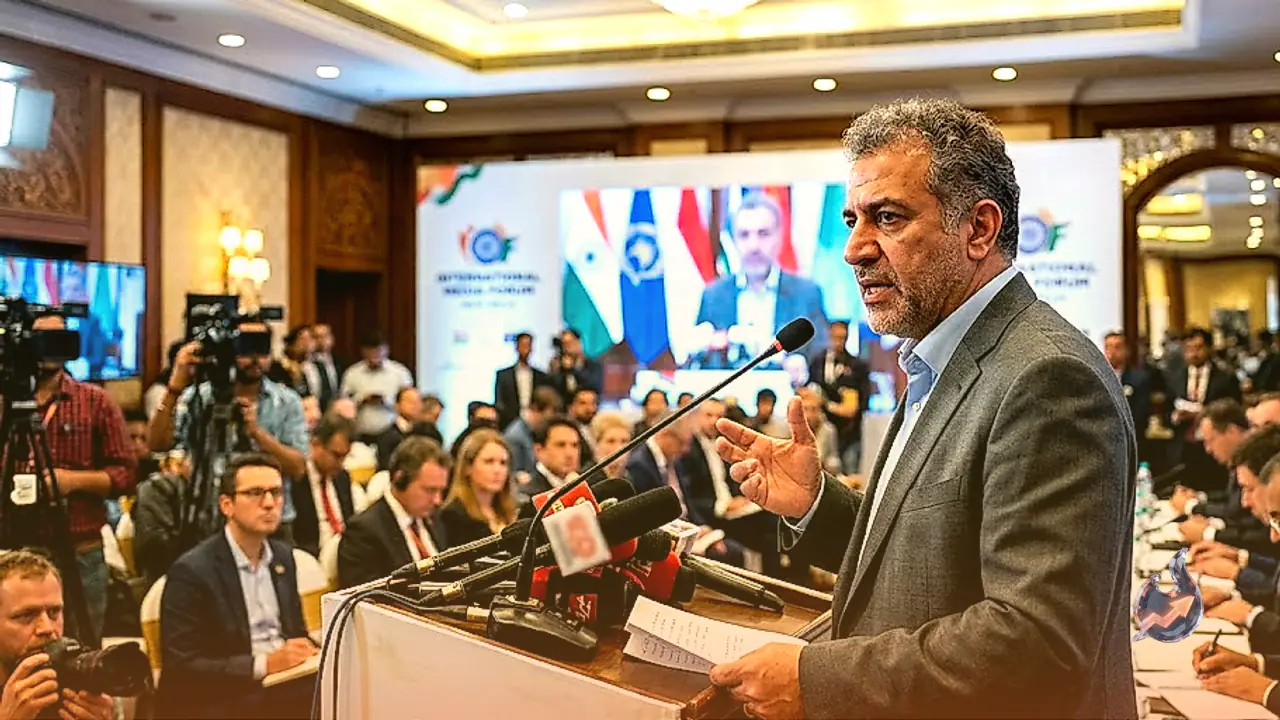



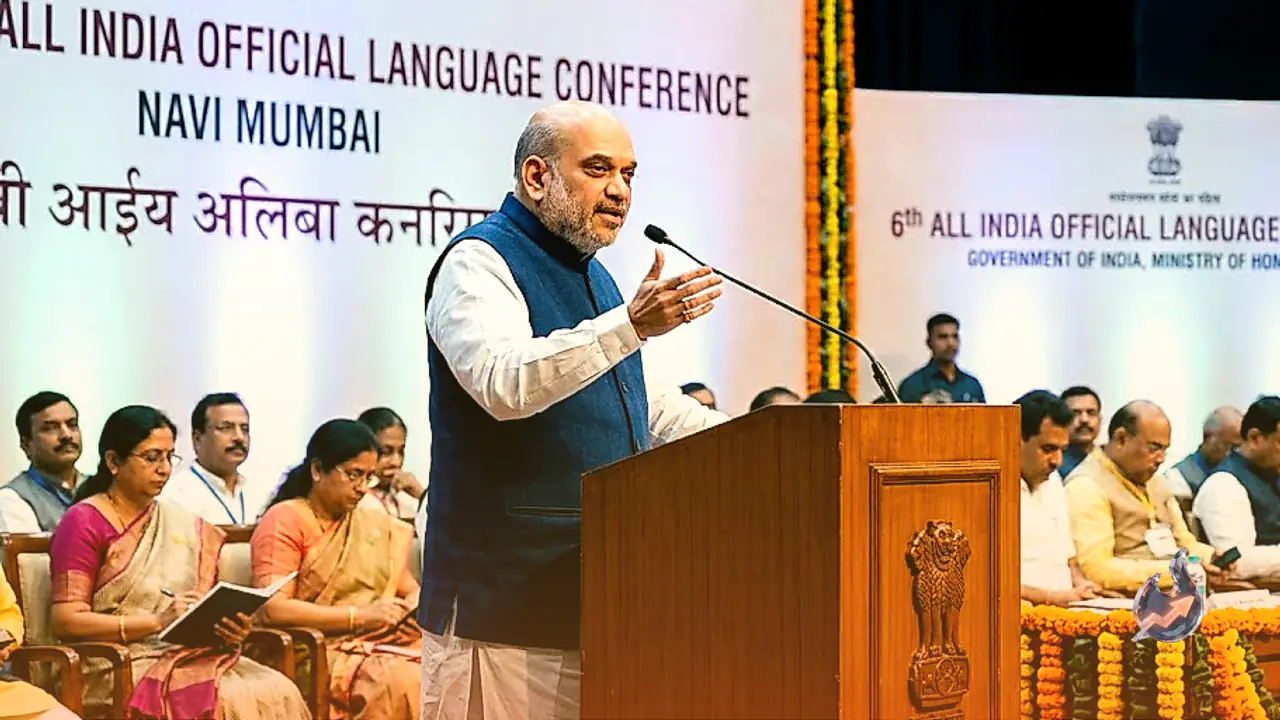



















AIMIM chief Asaduddin Owaisi launched a sharp attack against Union Home Minister Amit Shah following his fresh remarks on the Uniform Civil Code. Challenging the proposed push for nationwide UCC implementation, Owaisi contended that the move is an attempt to enforce Hindu legal frameworks onto non-Hindu communities rather than establishing genuine civic parity. In a detailed post on social media platform X, the AIMIM leader argued that the country's core strength rests in its cultural and religious pluralism.
Law Commission Findings and Selective State Laws
Owaisi brought up historical recommendations, noting that a Law Commission instituted by the BJP government had previously concluded that a Uniform Civil Code was neither necessary nor desirable for the nation. Highlighting what he described as political contradictions within the ruling party's governance model, Owaisi pointed out that BJP-governed states actively implement restrictive legislation such as the Disturbed Areas Act. Such legal instruments, he noted, prohibit real estate transactions between Hindu and Muslim citizens. Furthermore, he claimed that laws enacted under the pretext of checking "Love Jihad" are disproportionately turned against religious minorities, specifically Christians and Muslims, demonstrating that the UCC agenda is designed to target Muslims rather than foster equality.
Call to Coalition Partners and References to 2019 Protests
Directly addressing the political partners within the BJP-led coalition, Owaisi urged them to assert their distinct political identity. He stated that it is high time for these regional allies to demonstrate that they possess an independent voice rather than functioning as minor extension units of the BJP. Turning to past policy rollouts, Owaisi cited Amit Shah's previous statements regarding "chronology" during 2019, which led to widespread public agitation against the Citizenship Amendment Act (CAA) and the National Register of Citizens (NRC). He reminded that the intensity of those nationwide demonstrations ultimately forced the Prime Minister to publicly clarify that no national NRC process was being undertaken.
Bureaucratic Burden and Impact on Vulnerable Sections
Drawing attention to ongoing administrative exercises under SIR, Owaisi described the distressing scenes where ordinary citizens are being compelled to gather documentation and appear before hearing panels. He noted that this cumbersome process has generated severe hardship, hitting vulnerable groups, including religious minorities, Scheduled Castes, Scheduled Tribes, and migrant workers, particularly hard. Drawing parallels to the Assam NRC exercise, he characterized it as devastating and warned that a nationwide rollout would prove a hundred times more destructive. Owaisi questioned the logic of forcing citizens to verify their nationality through paperwork in a country where 80 crore individuals rely on government food aid for daily survival, asserting that such measures leave ordinary people dependent on the whims of local bureaucrats.