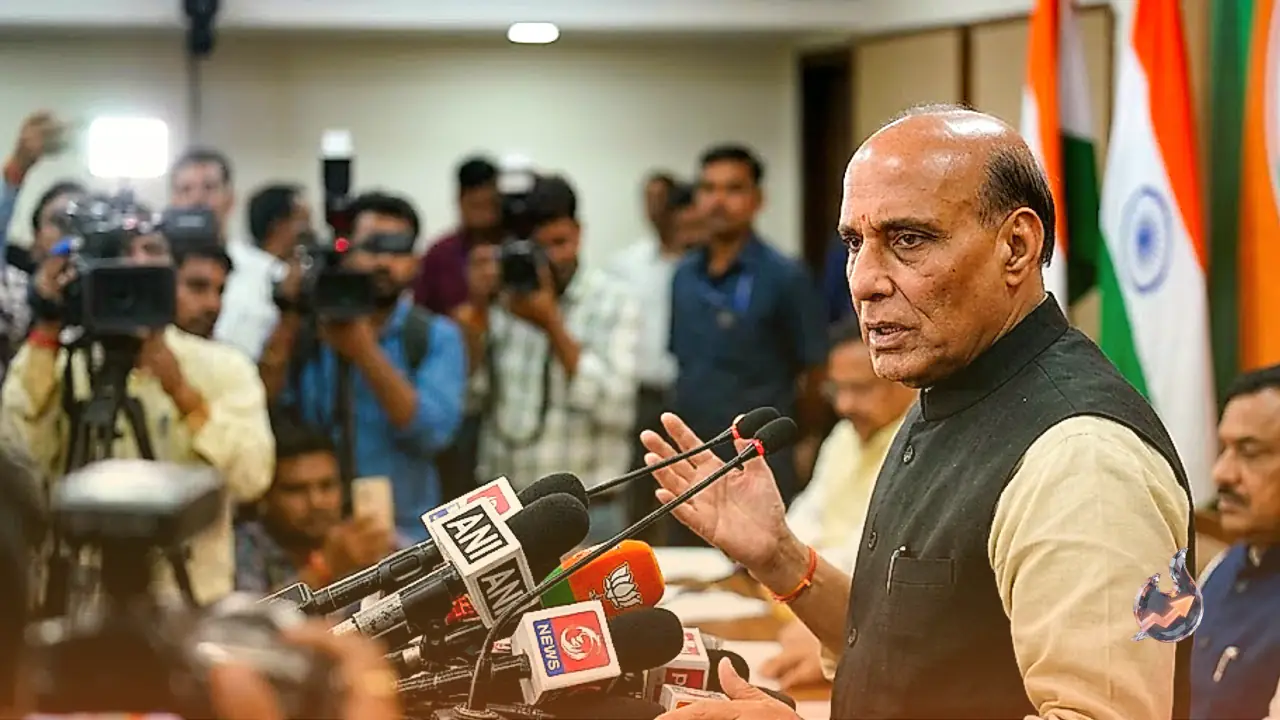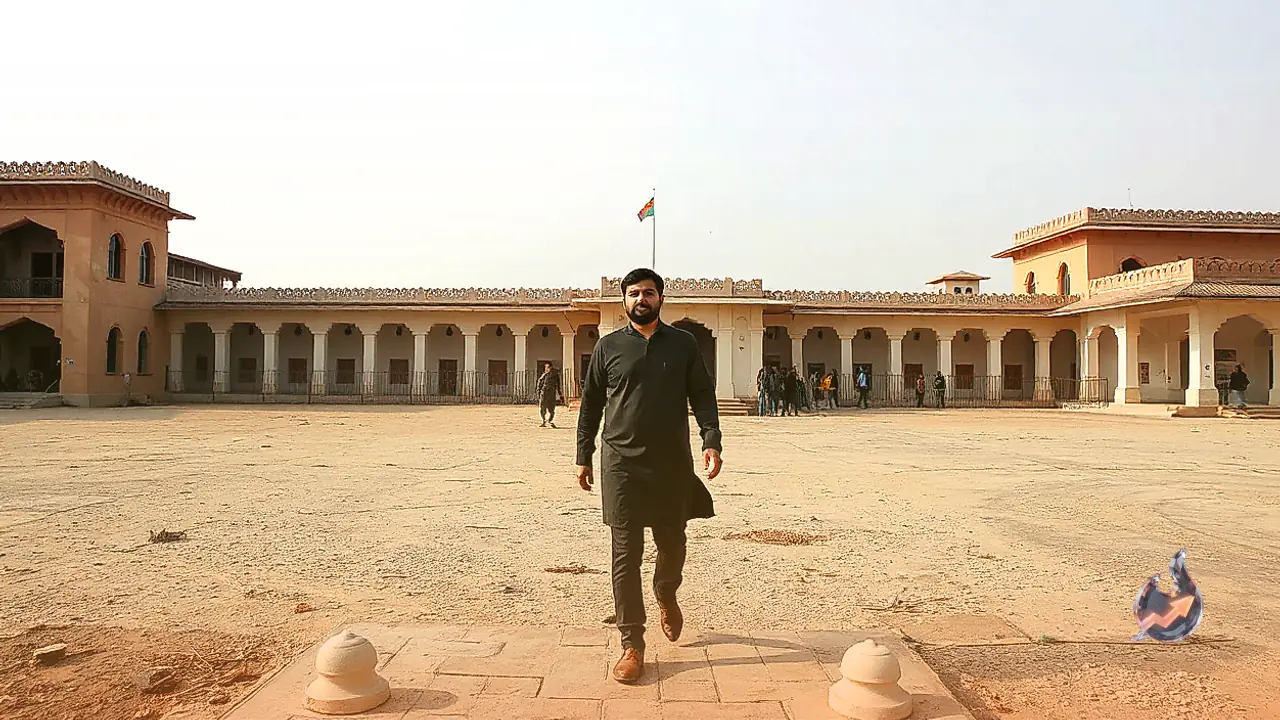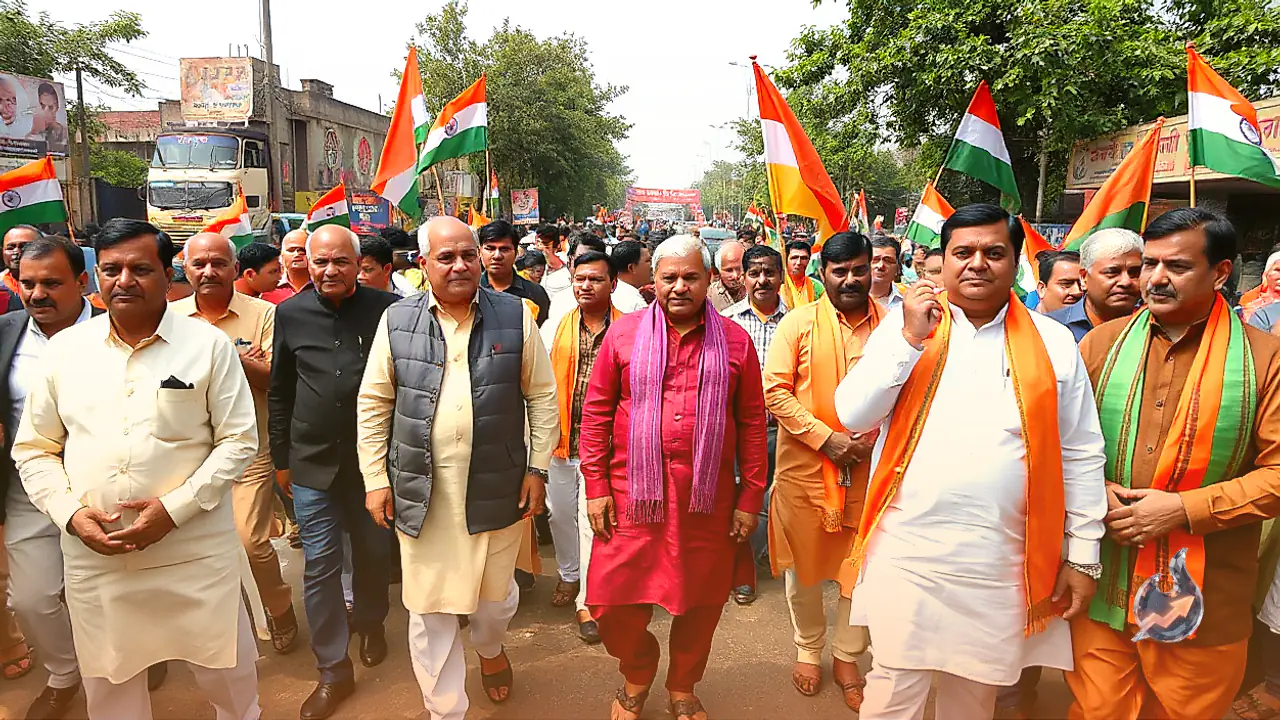


















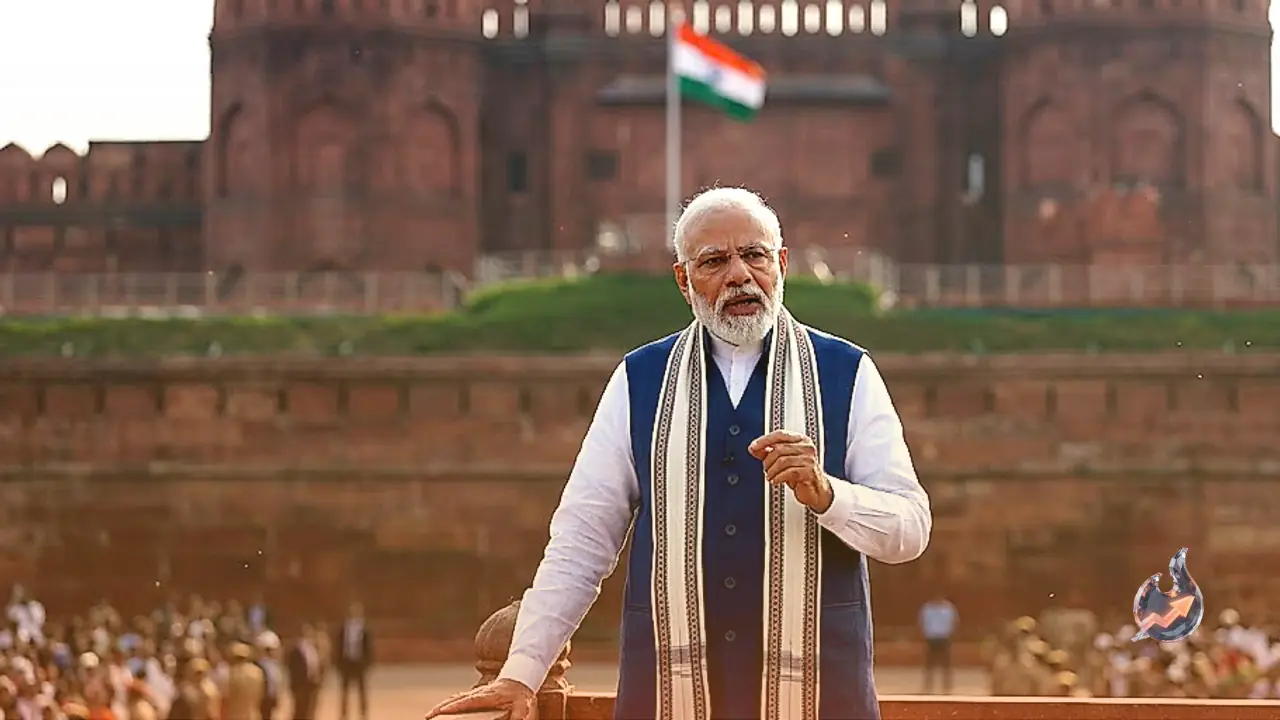

Addressing the nation from the ramparts of the Red Fort on the occasion of Independence Day, Prime Minister Narendra Modi introduced the concept of 'Dimagi Naxal' (Brain Naxal) while assessing the country's internal security landscape and evolving ideological challenges. The Prime Minister stated that armed Naxalism, which had terrorized vast swathes of India for nearly four decades, is currently breathing its last. However, he cautioned that while security forces have successfully curbed physical insurgents operating in the forests, individuals seeking to spread chaos and mislead society through intellectual and ideological means remain an active concern. This observation marks a significant pivot in national security discourse, expanding the focus from battlefield operations to counter-ideology.
Understanding the Concept of 'Dimagi Naxal'
In his address, Prime Minister Narendra Modi detailed the historical devastation caused by left-wing extremism across the country. He noted that for over forty years, a large population and vast geographical zones were held hostage at gunpoint. This insurgent movement routinely violated constitutional principles and severely disrupted public order. In the line of duty, more than 3,500 police and security personnel sacrificed their lives to protect citizens and uphold the rule of law. The prolonged cycle of violence drenched the nation's soil in blood and stalled essential development projects in vulnerable regions.
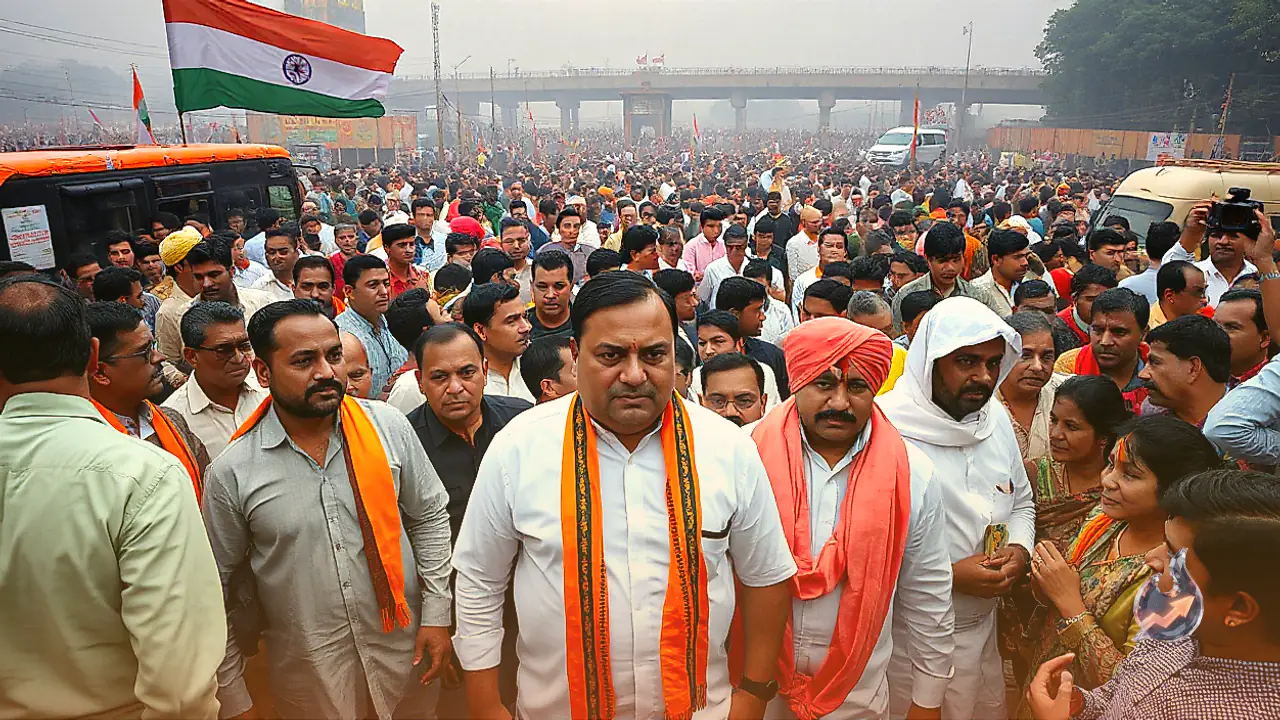
Reflecting on the progress made since 2014, the Prime Minister shared that his administration took a firm pledge to eradicate Naxalism upon assuming office. Through coordinated security measures and development initiatives, Maoist violence has been brought to the brink of elimination. In regions where gunshots once echoed, the national flag now symbolizes growth, trust, and collective determination. Nevertheless, Prime Minister Modi emphasized that as physical insurgency wanes, the remaining hurdle is ideological, manifested through individuals who attempt to open fresh avenues for instability under the guise of intellectual discourse.
Political Terminology and Relation to 'Urban Naxal'
The term 'Dimagi Naxal' has ignited intense discussion across political and intellectual spheres. It is essential to note that the phrase does not constitute an officially defined legal category under Indian statutory law. Rather, it serves as a political expression used to describe commentators, activists, or academics who are accused of providing intellectual legitimacy or indirect support to Maoist frameworks. Under the Indian legal system, a political label alone cannot establish criminal liability, as any punitive action mandates rigorous evidentiary backing and adherence to due process.
To fully contextualize this development, one must examine the term 'Urban Naxal', which gained currency in public debates over recent years. Supporters of the government have frequently used 'Urban Naxal' to identify individuals operating in cities who allegedly further the ideological objectives of underground Maoist networks. The introduction of 'Dimagi Naxal' broadens this categorization, pointing specifically toward mindsets and ideological strategies that seek to delegitimize state institutions and foster societal friction.
Institutional Footprint and Government Assessment
From the perspective of the government, the designation applies to those who attempt to justify left-wing extremism, influence impressionable youth, or interfere with public policy processes. Prime Minister Modi highlighted that historically, individuals adhering to Maoist sympathizer views managed to stay close to power corridors and influential institutions. He observed that such entities systematically tried to sway advisory panels, committees, and policy formulation procedures over previous decades.
To counter this phenomenon, the Prime Minister outlined a dual strategy. First, he stressed the need to identify such ideological elements and isolate them from public influence. Second, he emphasized the imperative of integrating the country's youth into the mainstream vision of 'Viksit Bharat' (Developed India). The government considers that while armed insurgents are handled by security agencies, safeguarding the nation's intellectual ecosystem and steering youth energy toward nation-building require broader societal awareness.
Origins of Naxalism: From Naxalbari to Modern Challenges
Left-wing extremism in India traces its origins back to 1967 in Naxalbari, a small region in West Bengal. What began as a localized peasant revolt gradually expanded across central and eastern states, forming what was once termed the red corridor. States such as Chhattisgarh, Jharkhand, Odisha, and Bihar experienced prolonged instability, which hampered economic growth and deprived rural communities of basic infrastructure.
Over the decades, the response of the Indian state evolved beyond pure law enforcement. The government implemented a comprehensive strategy combining high-intensity security operations with targeted socio-economic development. Building road networks, opening schools, improving healthcare access, and generating local employment crippled the recruitment base of insurgent groups. Consequently, armed violence has plummeted to historic lows, shifting the primary arena of confrontation from remote jungles to ideological debates.
Democratic Dissent Versus Extremist Advocacy
Following the Prime Minister's remarks, opposition leaders and civil rights analysts voiced caution regarding the use of such broad political labels. They contend that robust criticism of government policies and peaceful political protest are fundamental rights guaranteed by the Constitution of India. Conflating legitimate democratic dissent with support for armed insurgency, they argue, could risk chilling free speech and debate.
Legal experts similarly stress that a clear line must be maintained between unlawful activities and constitutional rights. While advocating violence or aiding illegal outfits attracts strict penal provisions, expressing disagreement with state action remains protected under the framework of democracy. Thus, the speech from the Red Fort has opened a multi-faceted debate on national security, constitutional freedoms, and the ideological direction of the country.