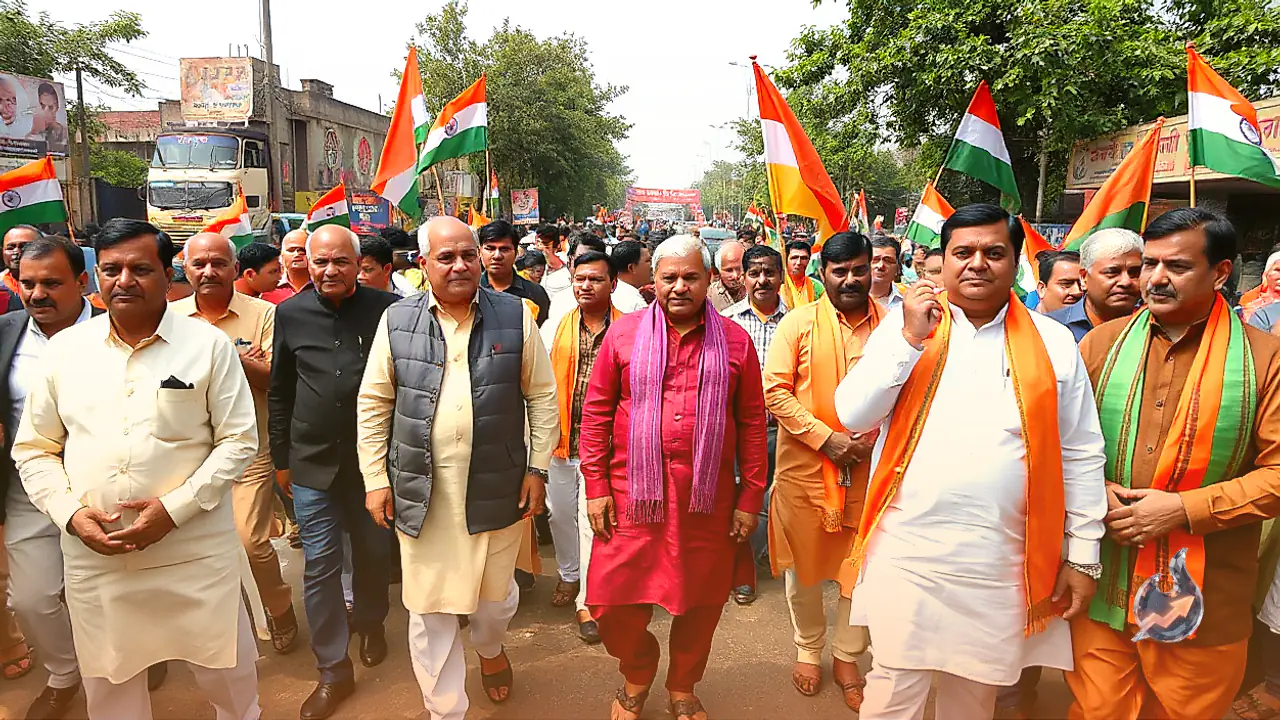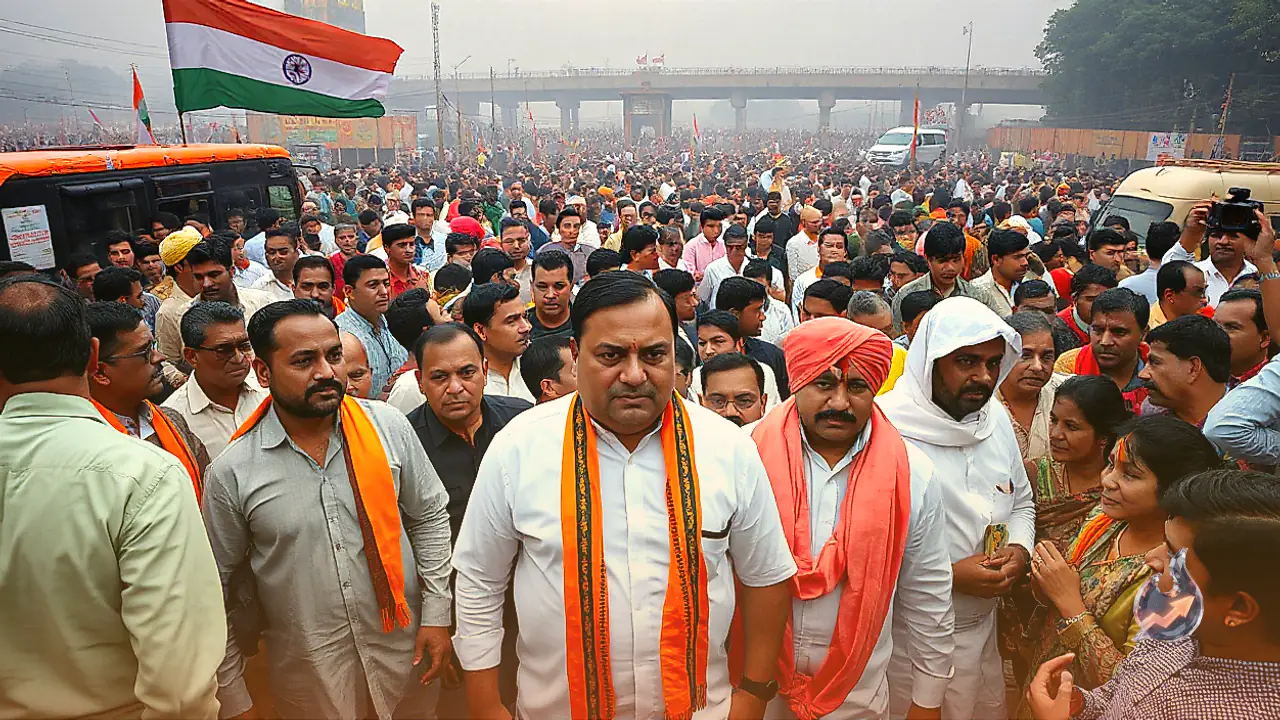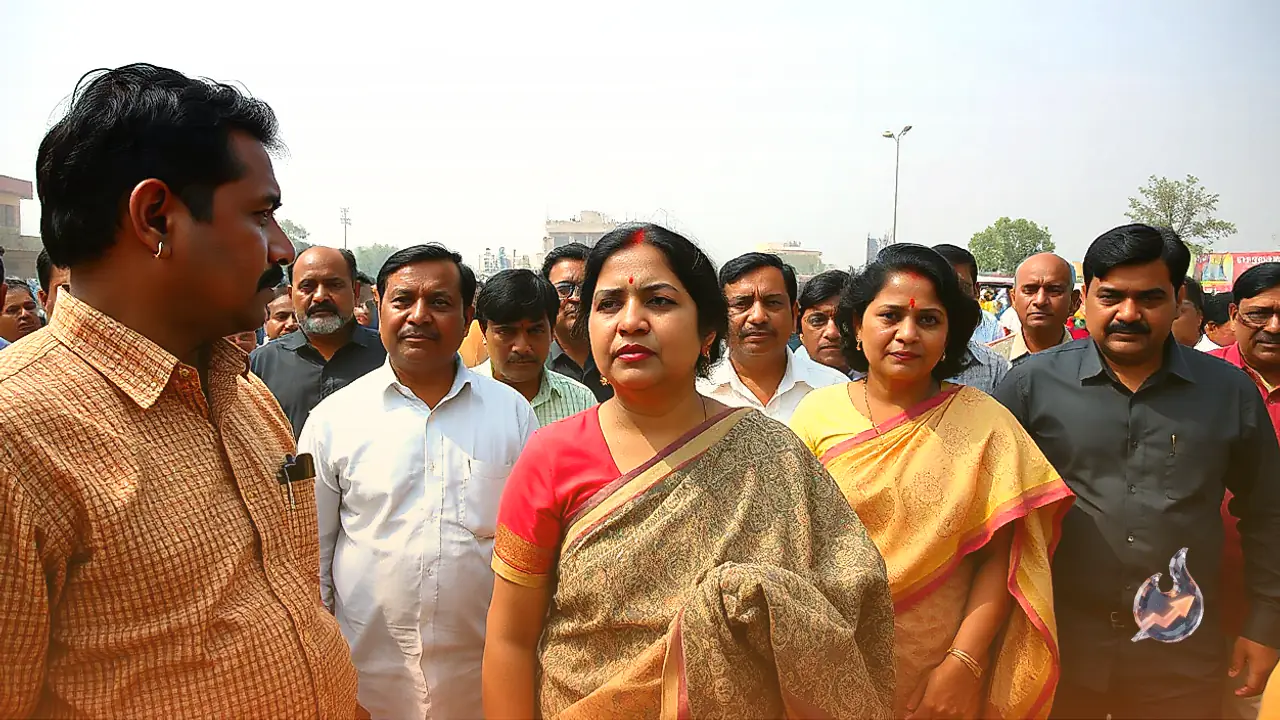
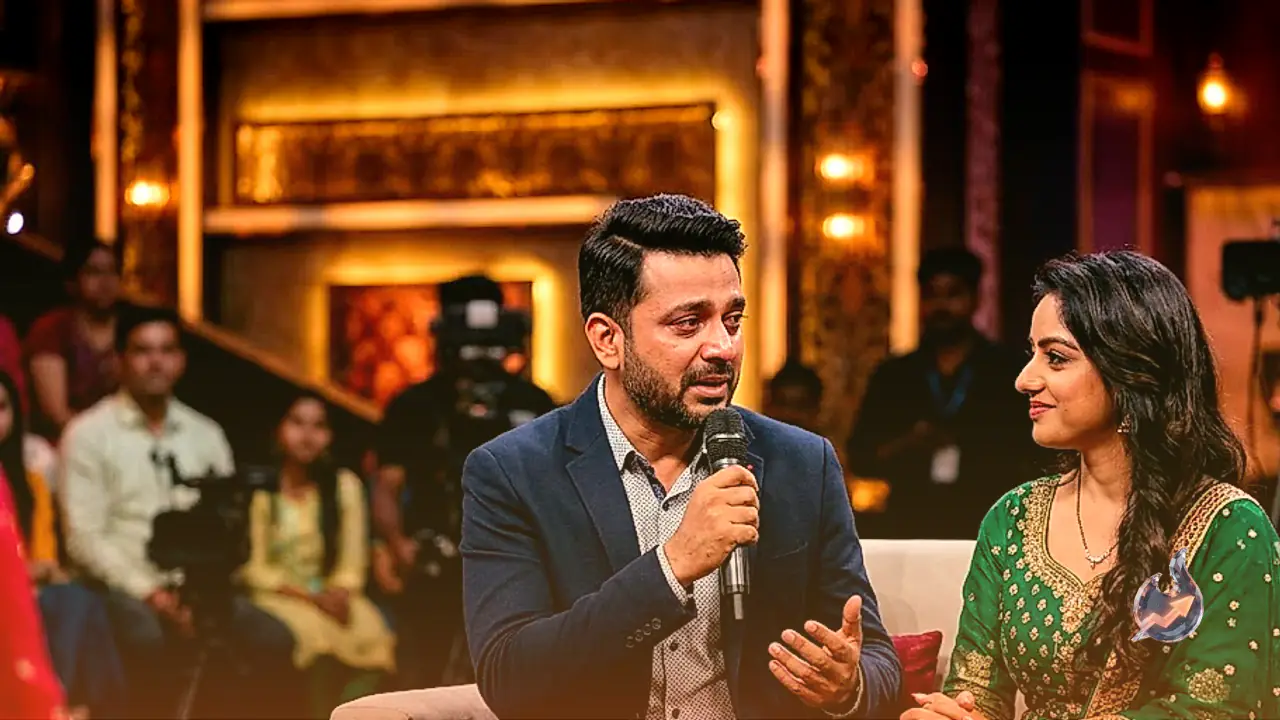



















A fresh political confrontation has erupted across the nation following Prime Minister Narendra Modi's address from the ramparts of the Red Fort on Independence Day. During his speech, the Prime Minister highlighted the significant reduction in armed Naxalism while warning the country against the persistent threat of 'intellectual Naxals' or 'Dimaagi Naxal'. The controversy intensified after senior Congress leader and MP P. Chidambaram responded on social media, drawing a sharp reaction from the Bharatiya Janata Party. Holding a press conference in Patna, BJP MP Ravishankar Prasad slammed Chidambaram's comments as deeply irresponsible and condemned the opposition's stance.
Prime Minister's Address at Red Fort and Warning on Intellectual Naxalism
On 15 August 2026, during the nation's 80th Independence Day celebrations, Prime Minister Narendra Modi addressed the country from the historic Red Fort in Delhi. Outlining the state of internal security, he noted that armed Maoist violence and Naxalism have been virtually eliminated due to continuous government efforts. However, the Prime Minister stressed that the mindset behind such violence continues to linger in certain spaces. He urged citizens to identify and isolate individuals who seek opportunities to create chaos, instigate violence, and mislead society away from constitutional paths.
Social Media Post by P. Chidambaram Triggers Outrage
Following the national address, Congress MP and former Home Minister P. Chidambaram shared a post on the social media platform X. In his message, Chidambaram stated that he was proud to be a mental Naxalite. This public declaration immediately sparked intense debate in political circles. The BJP reacted swiftly, accusing the senior Congress politician of validating extremist tendencies and aligning with ideologies that challenge the rule of law.
Ravishankar Prasad's Press Conference in Patna
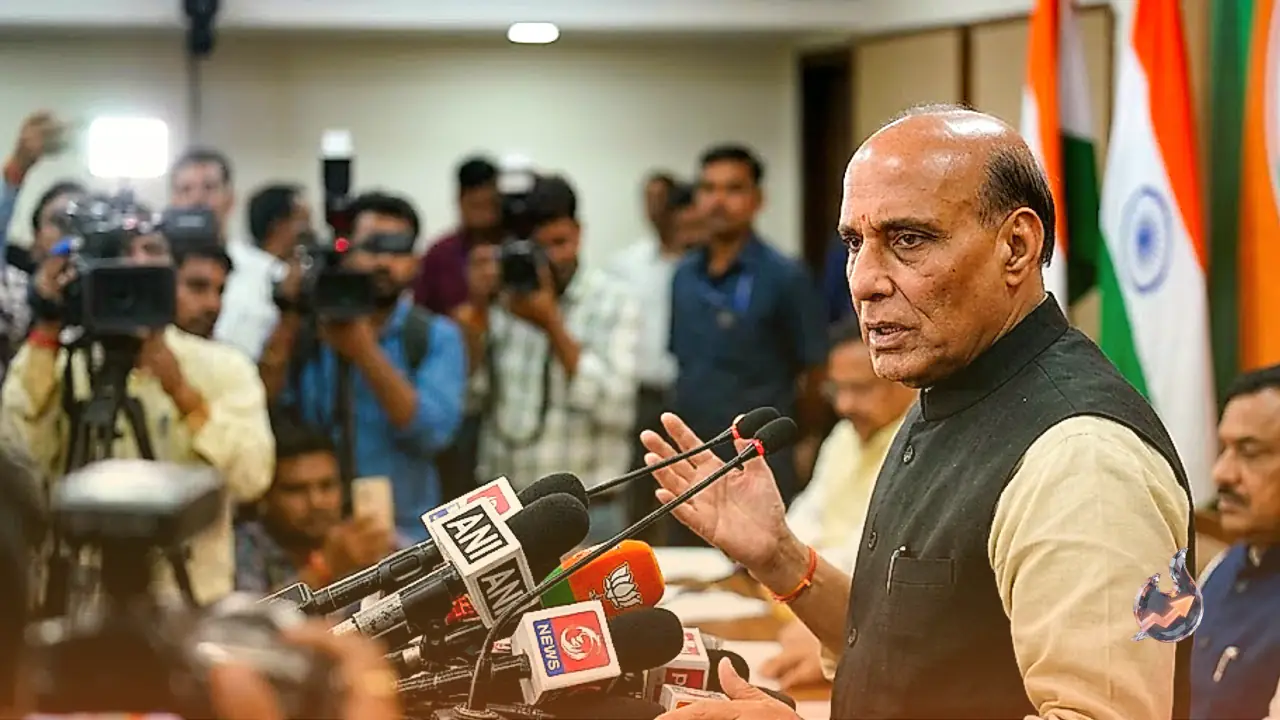
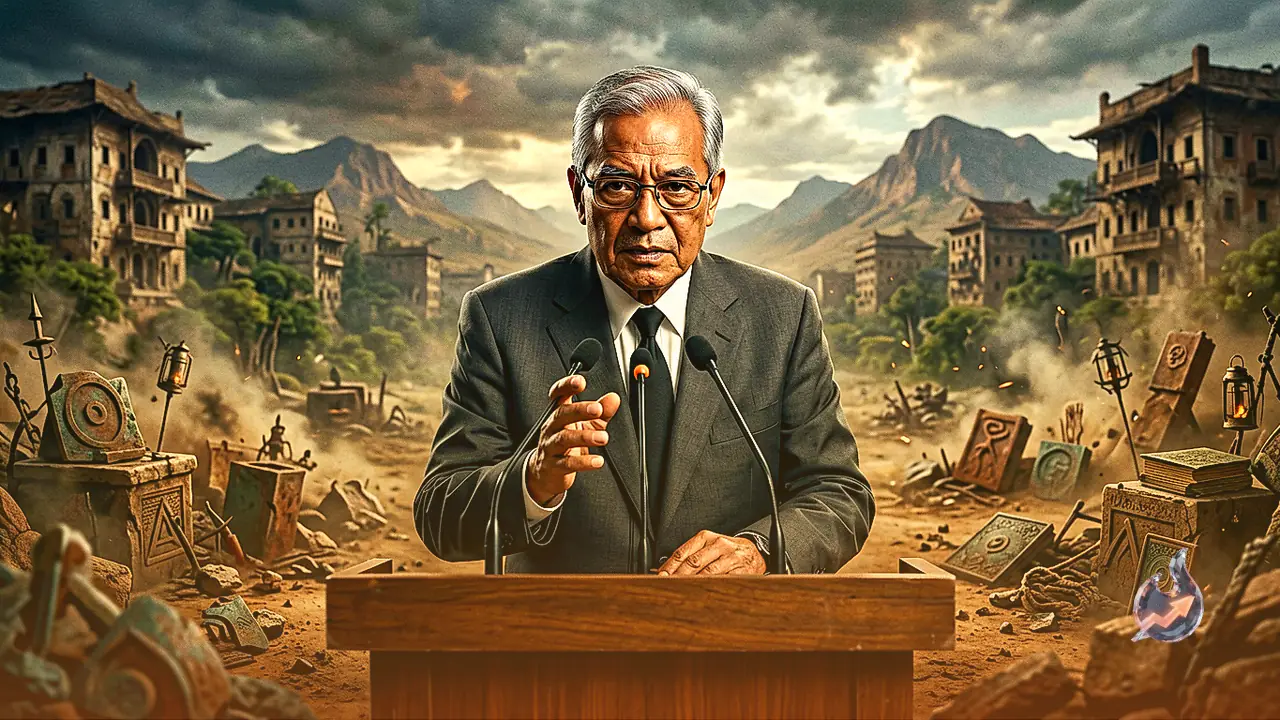
Reacting strongly to the post, BJP MP and former Union Minister Ravishankar Prasad addressed media persons in Patna. He described Chidambaram's remark as crude, vulgar, shameful, and deserving of strict condemnation. Prasad emphasized that given Chidambaram's command of sophisticated English and his background as a former Home Minister, he ought to have fully grasped the context of the Prime Minister's warning. Prasad questioned the intent behind making such a statement on a sensitive matter of national security.
Intellectual Cover and the Debate Around Urban Naxalism
Elaborating further, Ravishankar Prasad asserted that the Prime Minister was referring specifically to the 'Urban Naxal' phenomenon. He accused certain intellectuals and political figures of nurturing Maoist movements by generating favorable narratives, publishing supportive literature, and offering intellectual legitimacy to violent activities. Prasad remarked that Maoist ideology fundamentally rejects the Constitution in pursuit of power through destruction, asking whether Chidambaram and his party endorsed such violent methods.
Transformation in Bastar and Jehanabad Under Government Policies
Highlighting the progress made in conflict zones, Prasad pointed to areas such as Bastar and Jehanabad. He recalled that hoisting the national tricolor flag in these regions was once virtually impossible due to widespread Maoist terror. According to Prasad, the decisive policies of Prime Minister Narendra Modi and Home Minister Amit Shah have restored peace, security, and development to these former strongholds. He criticized the opposition for making remarks that undermine the ongoing national fight against terrorism and insurgency.
Escalating Political Divide Between Congress and BJP
The controversy has widened the rift between the governing party and the opposition. While Congress leaders frame the issue as an effort to target political rivals, the BJP maintains that Chidambaram's comments reveal a deeper tolerance for extremist ideologies within the opposition ranks. As both parties maintain firm stances, the debate over internal security, freedom of expression, and political rhetoric continues to dominate national discourse.