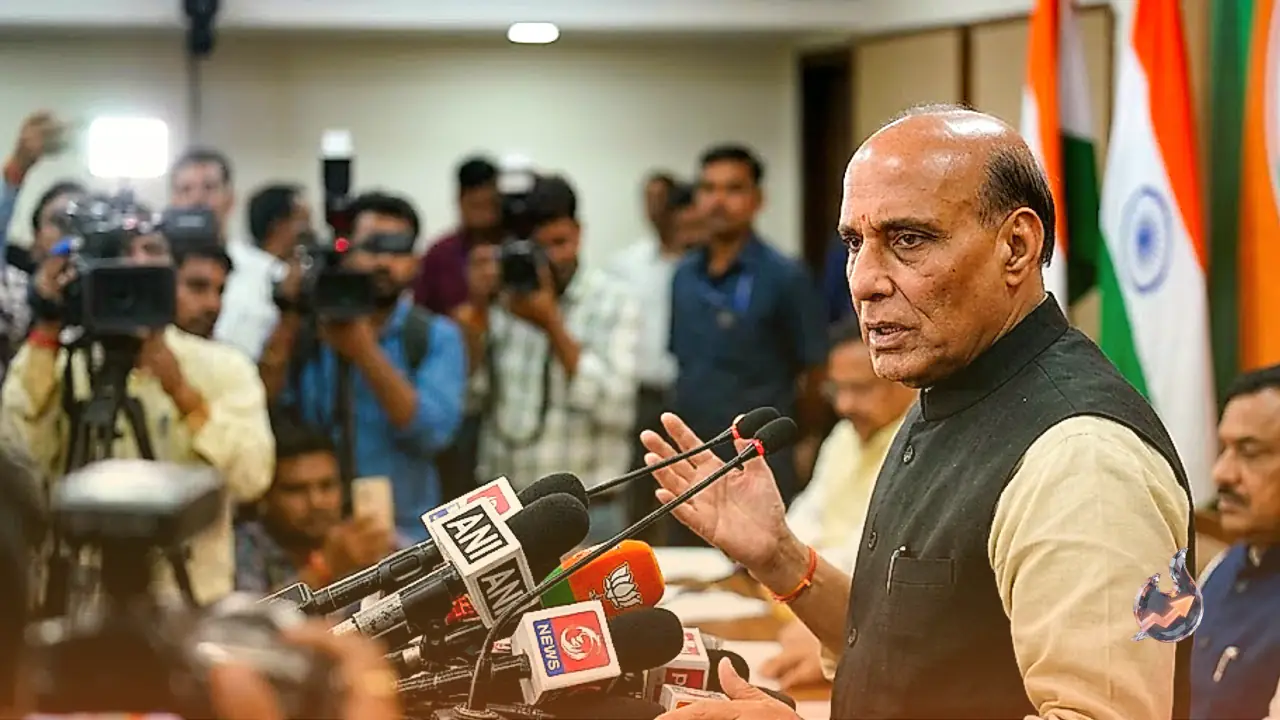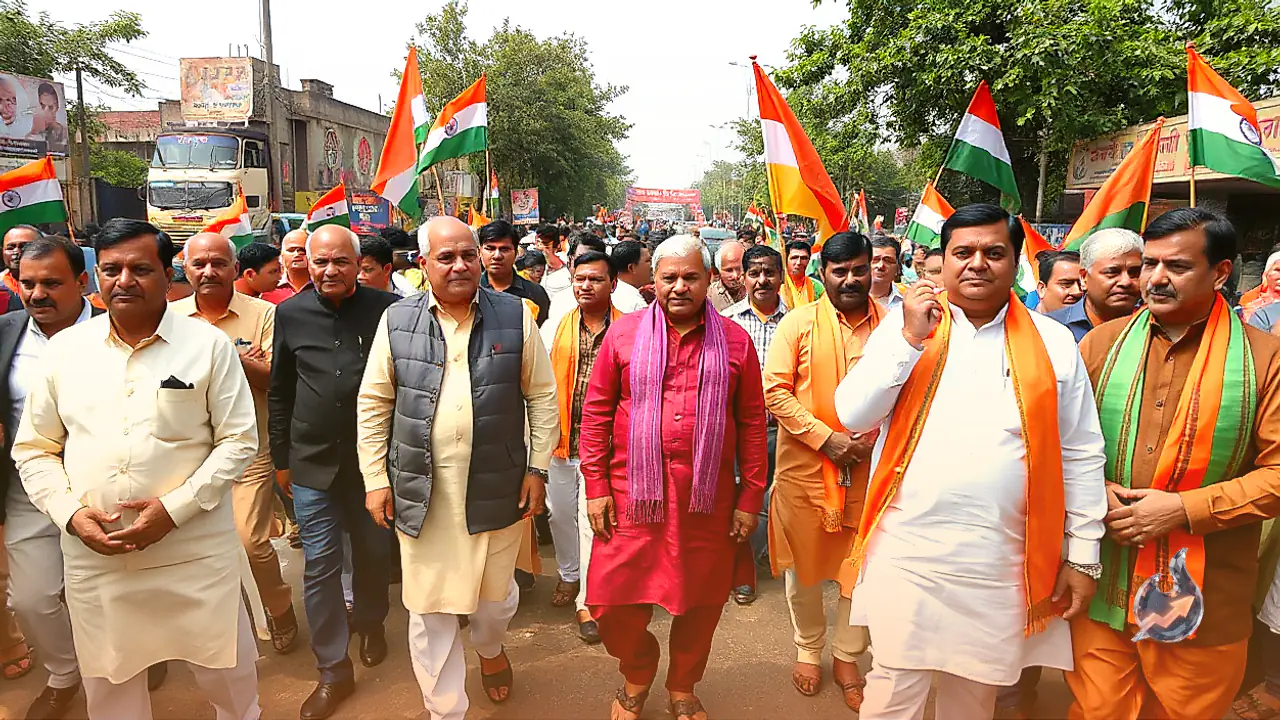


















Caste equations and reservation policies have once again taken center stage in national politics. During a recent televised discussion, panels explored whether the existing reservation framework requires structural changes or reforms. The comprehensive debate touched upon the distribution of reservation benefits, demands for sub-categorization within quotas, creamy layer regulations, and the strategic positioning of various political actors. A key question raised during the program was whether the benefits of affirmative action are reaching all targeted communities equitably.
Divergent Views on Sub-Categorization Within Quotas
The discussion opened by highlighting the differing stances of central government ministers Jitan Ram Manjhi and Chirag Paswan regarding sub-categorization within scheduled castes and scheduled tribes. While Jitan Ram Manjhi advocates strongly for implementing a quota within the quota, Chirag Paswan opposes the idea. This issue gained prominence after the Supreme Court granted states the authority to formulate policies on this matter.
The Debate Over Systemic Reforms and Political Resistance
The broader question of reviewing the reservation system also sparked extensive debate. Participants clarified that the objective is not to abolish reservations, but to evaluate whether the intended beneficiaries are actually receiving adequate support. Observers noted that when welfare schemes run for long periods, assessing their impact is vital. However, any mention of reforming quotas immediately triggers fears of social and political pushback.
Insights From the Rohini Commission on Disparities
The discussion brought up data from the Rohini Commission to illustrate the unequal distribution of reservation benefits. It was pointed out that a significant number of other backward classes remain unrepresented, having received virtually no benefits in public sector employment or higher education admissions. Conversely, a handful of dominant communities have captured a disproportionately large share of these advantages. This disparity formed the basis for questioning whether internal adjustments are necessary to ensure fairness.
Political Dilemmas for the Ruling Party
Analysts observed that the sub-categorization issue presents a complex political puzzle for the Bharatiya Janata Party. While addressing disparities among non-dominant backward and marginalized groups could strengthen political support, implementing such classifications also carries substantial risks. Drawing examples from electoral battles in states like Uttar Pradesh and Bihar, the panel noted that political parties must tread cautiously on sensitive identity issues.
New Controversies Surrounding Creamy Layer Norms
A recent Supreme Court ruling concerning the creamy layer criteria for backward classes also added fuel to the debate. The judicial observation suggested looking beyond mere economic thresholds to include professional status and other social parameters when determining the creamy layer. This legal complexity has already impacted civil services appointments from the previous recruitment cycle, posing distinct administrative challenges for the government.
Dalit Politics and Legal Actions Involving Leadership
The panel spent considerable time discussing recent legal complaints and statements involving senior political figures regarding alleged insults to marginalized communities. Questions were raised about whether the initial facts surrounding reported incidents matched official narratives. It was also noted that some individuals accused of participating in purification rituals were themselves members of the scheduled caste community, adding layers of complexity to the political and legal discourse.
Congress Party Efforts to Reclaim Its Traditional Base
The strategic motivations behind the opposition's renewed focus on identity politics were also analyzed. Over the decades, the traditional voter base of the Congress party has shifted toward regional parties and the ruling coalition. Reclaiming these marginalized and backward voters remains a formidable challenge for the opposition, especially amid shifting political loyalties among non-Jatav Dalit communities in states like Uttar Pradesh.
Digital Warfare and Artificial Intelligence in Campaigns
The discussion concluded by examining the digital battlegrounds where political parties deploy social media campaigns. The growing use of artificial intelligence to generate manipulated videos and controversial content has altered the nature of political communication. Experts pointed out that sensationalism often overshadows substantive policy debates on online platforms, forcing political organizations to constantly counter misinformation during election cycles.