



















Controversy has once again engulfed senior Congress leader Rahul Gandhi following a series of recent remarks that have drawn sharp reactions from political opponents and various social groups. Directing criticisms at Prime Minister Narendra Modi, the Bharatiya Janata Party, and the Rashtriya Swayamsevak Sangh has long been a core element of the opposition party's political agenda. However, several of his past and present statements have backfired, leading to widespread ridicule and political setbacks. Past critical remarks directed personally at Prime Minister Modi, such as the 2018 jibe, resulted in significant electoral consequences during the subsequent general elections.
Past Controversies and Electoral Fallouts
Rahul Gandhi has frequently found himself in uncomfortable political positions due to his remarks targeting the Prime Minister. Ahead of the 2025 Bihar assembly elections, his characterization of the ruling party further alienated voters, contributing to dismal electoral outcomes where Congress and its allied regional parties were restricted to a handful of seats. Furthermore, a heavily circulated 2017 video clip involving a hypothetical machine that allegedly converted potatoes into gold became a staple of political trolling. Although the opposition leader clarified that he was quoting a narrative attributed to his political rivals, social media handlers amplified the line, turning it into a persistent meme that continues to haunt his public speeches.
Claims of Dalit Discrimination in Schools and Tea Stalls
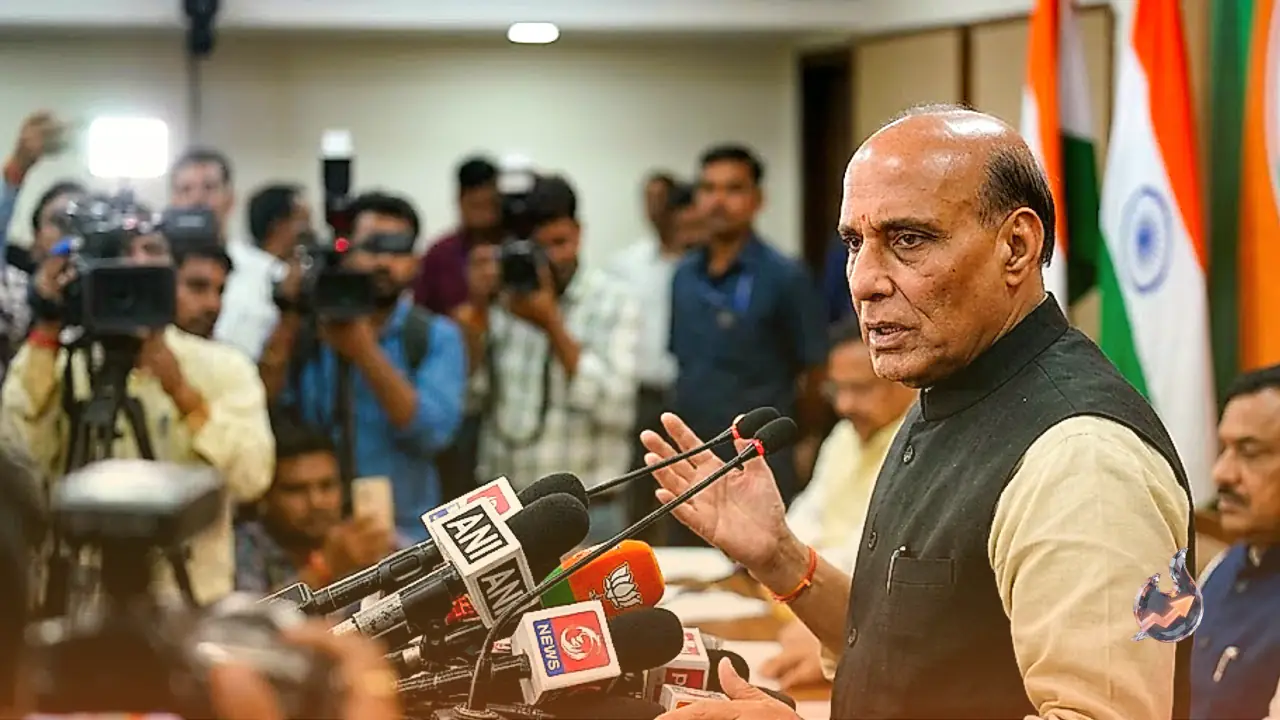
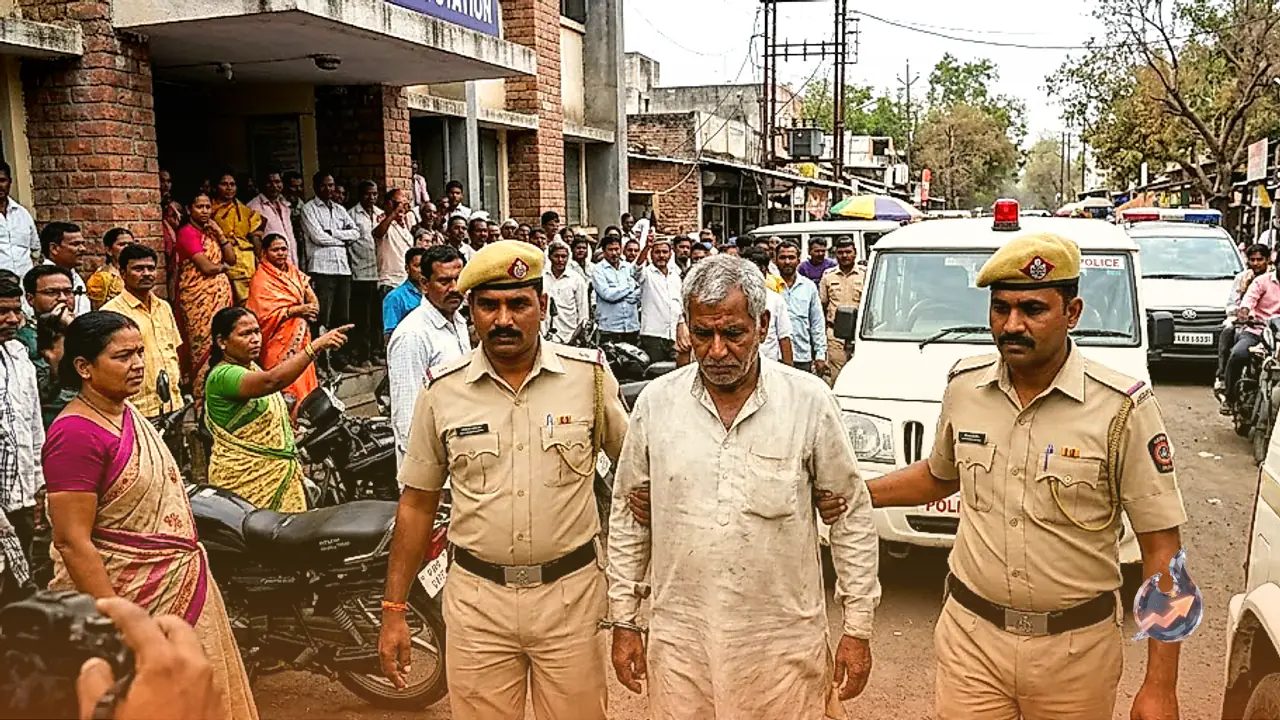
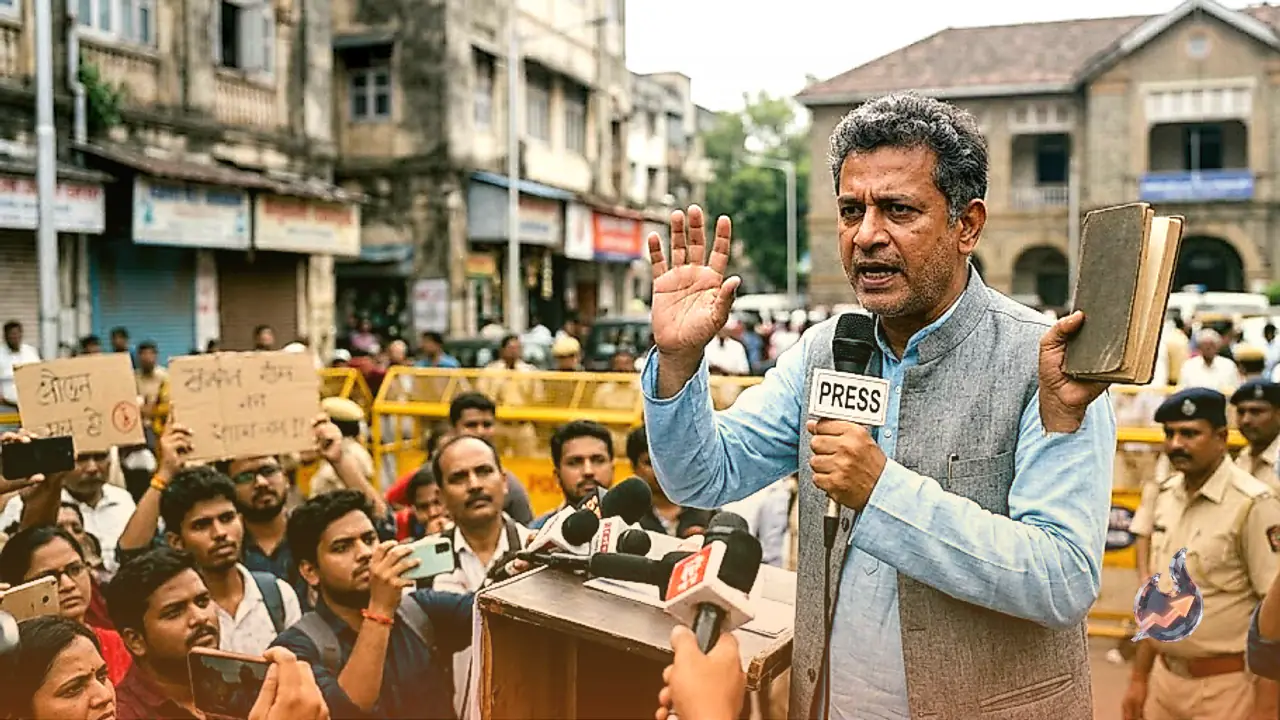
During a recent press conference held in Pune, Rahul Gandhi raised the sensitive issue of ongoing social discrimination against marginalized communities. While ostensibly addressing an incident of alleged ritual cleansing following a party event in Haldwani, Uttarakhand, his commentary strayed into broader generalizations. He asserted that Dalit students continue to face systemic bias in educational institutions, including being forced to perform menial tasks such as cleaning toilets. Expanding his argument, he claimed that tea stalls maintain segregated utensils where disposable cups are handed to Dalits while washable ceramic or glass vessels are reserved for upper-caste patrons. These assertions have triggered widespread disbelief and mockery, with social commentators pointing out the lack of ground reality in such sweeping claims.
The Manusmriti Controversy and Social Repercussions
Adding fuel to the political fire, Rahul Gandhi's recent critique of the ancient text Manusmriti has deeply offended traditional and Sanatani communities. Scholars and historians note that the text was compiled nearly two millennia ago under entirely different social, economic, and institutional conditions, characterized by traditional varna and ashrama frameworks. In the contemporary era, individuals across all castes and religions engage in diverse professions, and women work alongside men in every sphere of modern life. Critics argue that opposition politicians deliberately invoke such ancient texts to fuel polarization and consolidate backward, Dalit, and minority vote banks. Analysts suggest that these rhetorical attacks often achieve the opposite effect, uniting the majority community and strengthening the grassroots support base of the ruling party.
Outrage Among Upper Castes and Sanatani Supporters
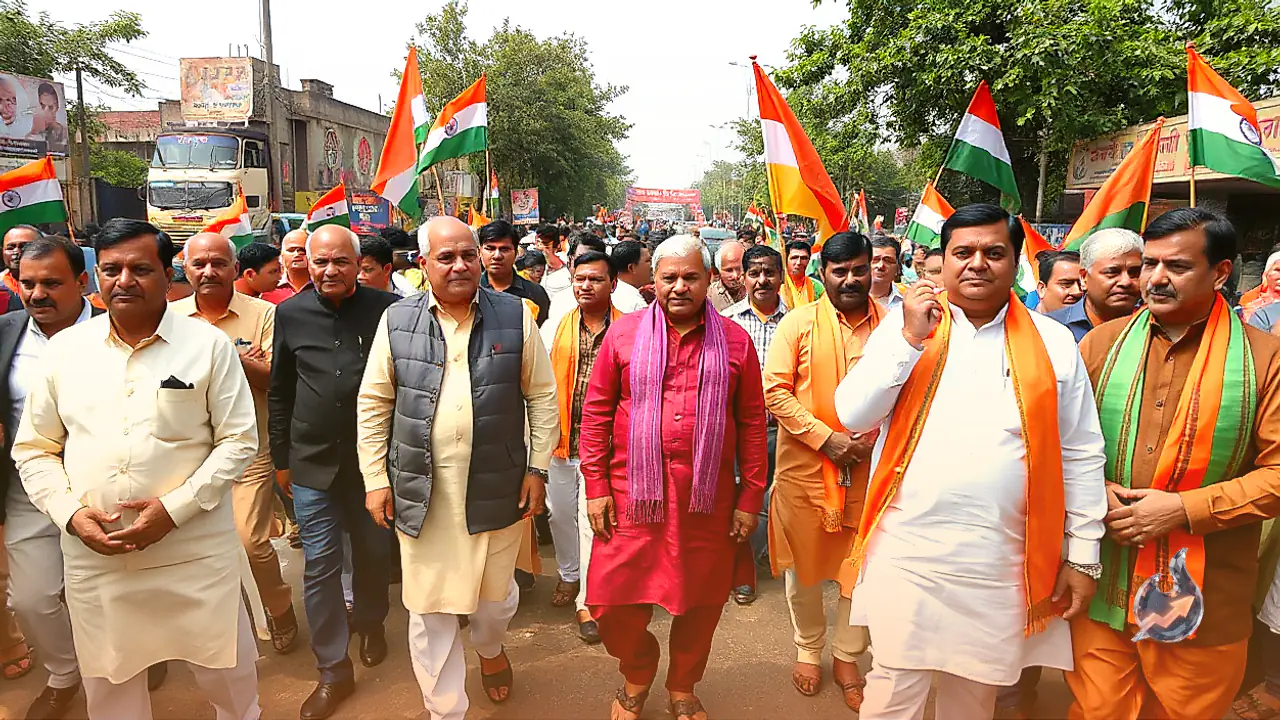
Even though the societal relevance of ancient legal texts is widely debated today, they remain tied to the deep-seated cultural sentiments of millions. The upper-caste demographic, particularly the Brahmin community, has expressed profound anger over the Congress leader's remarks. The Bharatiya Janata Party has aggressively capitalized on the issue, with prominent leaders including Uttar Pradesh Chief Minister Yogi Adityanath, Union Minister Kiren Rijiju, Assam Chief Minister Himanta Biswa Sarma, and party spokesperson Sudhanshu Trivedi launching scathing counter-attacks. The ruling party argues that opposition leaders routinely target Hindu traditions and scriptures while maintaining a deliberate silence on patriarchal and regressive practices within other religions, thereby exposing an inherent anti-Hindu mindset.
Shankaracharya Avimukteshwaranand Warns the Ruling Establishment
Amidst this intensifying political theater, notable figures from the spiritual sphere have also stepped into the discourse. Well-known differences and frequent run-ins between prominent religious figures like Shankaracharya Avimukteshwaranand and top government leaders have been a matter of public record. Whether critiquing government-backed wellness initiatives, opposing urban redevelopment projects around sacred shrines, or raising objections regarding temple consecration ceremonies, religious authorities have often challenged political interference in spiritual affairs. Observers note that such independent stances do not always favor the ruling party, especially when coupled with shifting political equations, including reported closeness between religious leaders and opposition figures like Samajwadi Party chief Akhilesh Yadav.