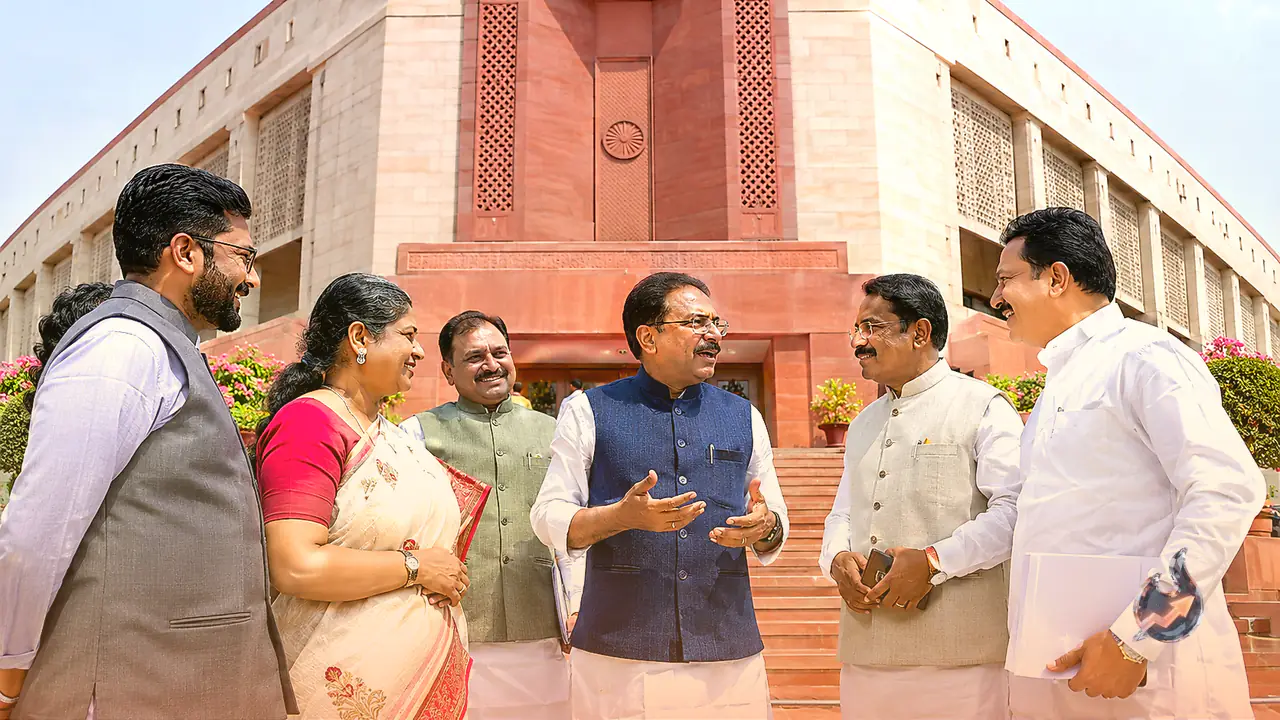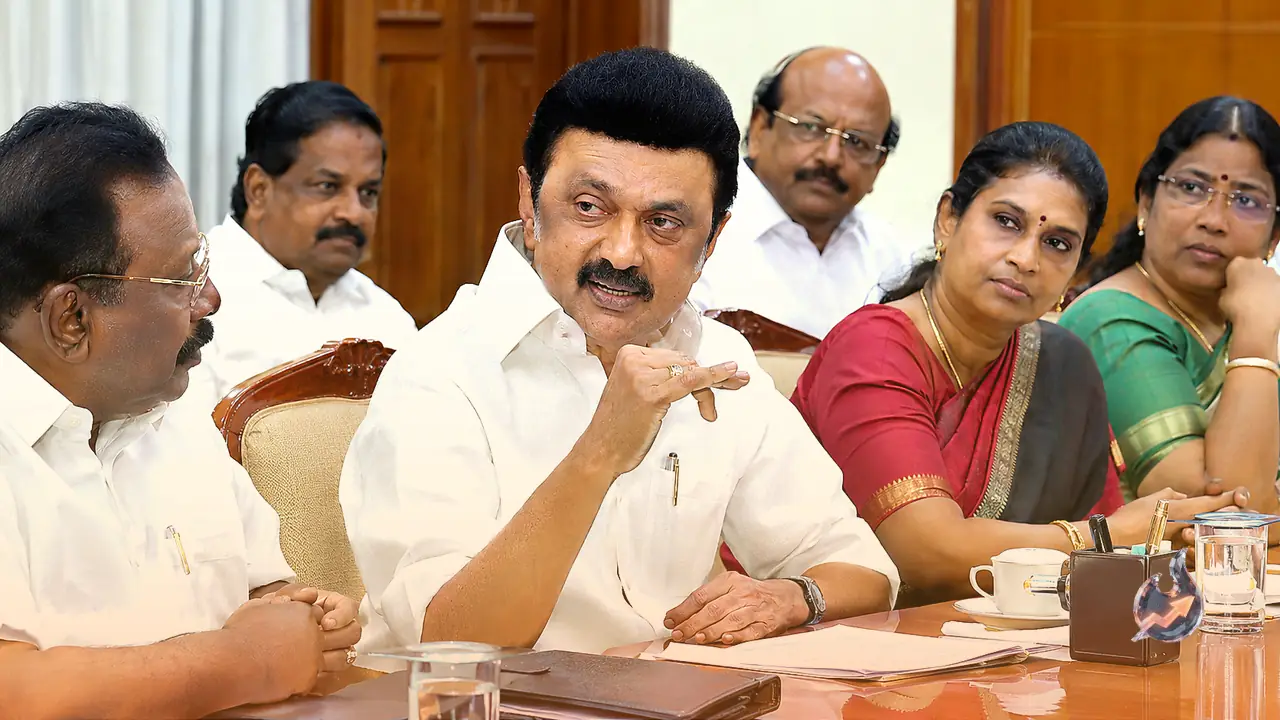

While the general public is largely unaware of how the upcoming women reservation bill will practically alter the political landscape, seasoned politicians are acutely calculating its consequences. Naturally, no leader would dare speak against it openly for fear of being branded anti-women, and there is no inherent objection to reserving one-third of legislative seats for women. However, the silent anxiety stems from a more pressing question: which specific constituencies will ultimately be designated for women? If Rae Bareli is reserved, then Rahul Gandhi cannot contest from there. If Lucknow or Varanasi falls into the reserved category, the implications would be equally monumental.
The Dilemma for State Assemblies and Major Leaders
This apprehension extends far beyond Parliament and directly into state assemblies, where every third seat is slated for women. While major political parties can easily relocate prominent national leaders to alternative constituencies, many heavyweights derive their entire political clout from the deep-rooted dominance they hold over their specific home turf. If an incumbent leader's personal constituency becomes women-reserved, charting out the next phase of their political strategy becomes an uphill task that demands serious calculation.
Uncertainty for Female Lawmakers
This anxiety is not restricted to male parliamentarians and legislators alone. Consider a scenario where a female MP or MLA currently represents a general constituency, but that specific seat does not get designated as women-reserved in the new layout. Will any political party be in a position to afford allocating a ticket to a woman from a general seat when scores of displaced male politicians are already vying for accommodation? This intricate puzzle creates severe complications for party strategists.
Understanding the Mechanics of Seat Reservation
To comprehend these deep administrative knots, one must examine how seat reservation is actually determined. Historically, statutory reservations in India have been restricted exclusively to Scheduled Castes and Scheduled Tribes. The process of identifying which specific parliamentary or assembly seats are earmarked for SC and ST categories follows specific parameters, and crucially, these reserved constituencies are never permanent; they rotate periodically.
The Next Layer: Reservations for SC Women
Who bears the responsibility for mapping these allocations? Is it the Election Commission? In reality, the Election Commission does not dictate these demarcations. With the new framework, women reservation will also intersect with existing SC and ST quotas. For instance, if Rae Bareli is designated as a women-reserved seat, optimists might suggest that Priyanka Gandhi could contest in place of Rahul Gandhi. But what if that very constituency falls under the SC-women reserved category, given that quotas for Scheduled Caste women will also be enforced?
The Overlooked Public View and the Delimitation Factor
The general public currently views the situation through a simpler lens, watching the government push for the legislation and muster parliamentary support while the opposition attempts a counter-strategy. Ordinary citizens fail to foresee the deeper disruptions ahead. In contrast, politicians understand that their primary challenge lies in the survival of their individual electoral bases. Complicating matters further, the total seat count will not remain capped at 543 once the long-discussed delimitation exercise is executed alongside women reservation.
Proportional Seat Expansion Across States
Under the proposed delimitation framework, legislative seats across every state are expected to increase by roughly fifty percent. For example, Uttar Pradesh's Lok Sabha seats could surge from 80 to 120. Yet, the physical geographical boundaries of Uttar Pradesh will remain unchanged. This expansion means the new count of 120 seats will be carved out from the exact same territorial map where 80 seats currently exist. Consequently, constituency boundaries will shift dramatically, and authorities will have to re-evaluate which regions become reserved zones, completely redrawing the electoral map. Interestingly, this gargantuan task is not handled by the Election Commission, but by a dedicated Delimitation Commission.
The Historical Framework of the Census and Delimitation
Constitutional provisions mandate a nationwide census every decade, a practice established during the British colonial era. Following independence, censuses were conducted systematically in 1951, 1961, 1971, and continued through 2001 and 2011. Although the scheduled 2021 census was delayed due to the COVID-19 pandemic, the exercise is now underway. Constitutional guidelines dictate that following each census, parliamentary and assembly constituencies must be readjusted so that elected representatives correspond directly with population shifts.
Population Control Dilemma and Seat Freezing
Historically, every census necessitated the formation of a delimitation commission by Parliament to redraw boundaries and assign reserved quotas based on demographic changes. Commissions were formed following the censuses of 1951, 1961, and 1971. However, a major political controversy erupted over the prospect that states with rapidly growing populations would accumulate a higher share of seats, thereby increasing their political dominance in the Union. This created a perverse incentive where states might hesitate to control population growth.
Constitutional Freezing Until 2026
As population explosion emerged as a critical national crisis, a constitutional amendment was enacted in 1976 stipulating that the total number of seats allocated to each state would remain frozen for a period of 25 years. Consequently, no delimitation commissions were constituted following the 1981 and 1991 censuses. When the 2001 census data emerged, the debate resurfaced, leading to a compromise that allowed boundary delimitation within states while keeping the total state-wise seat allocations frozen until the year 2026. This paved the way for the establishment of the Delimitation Commission in 2002 to execute that phase of restructuring.