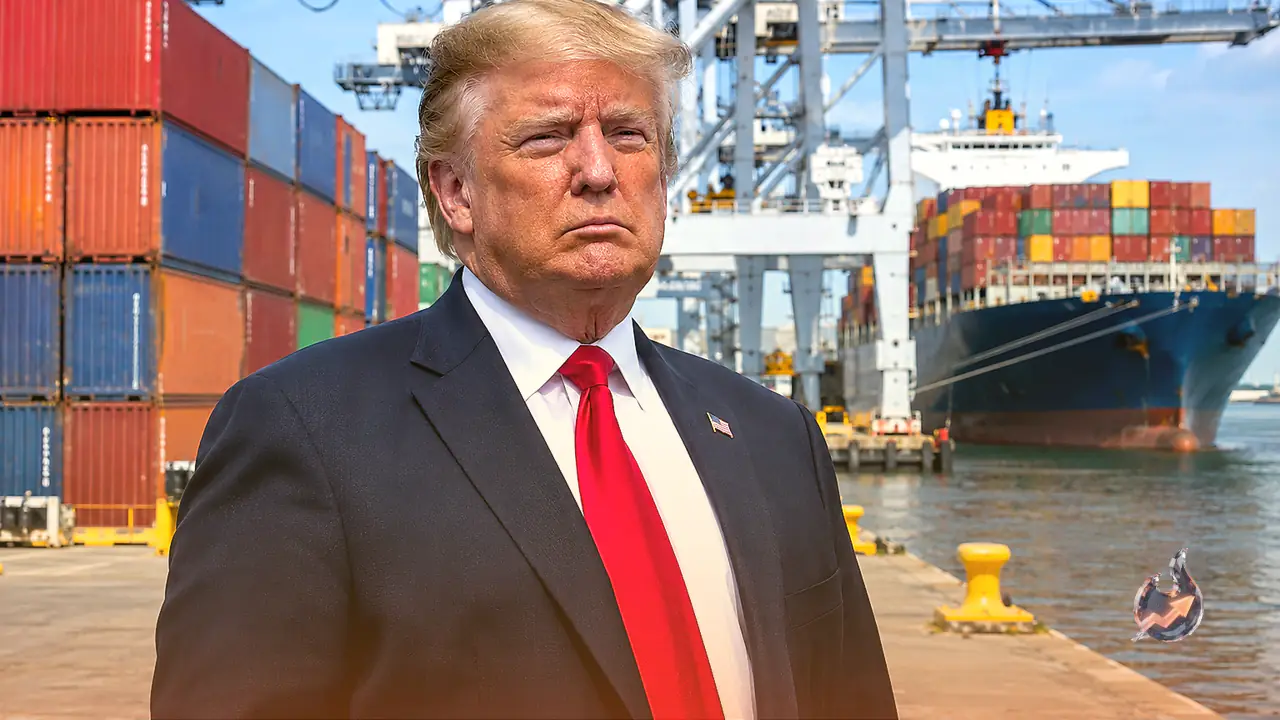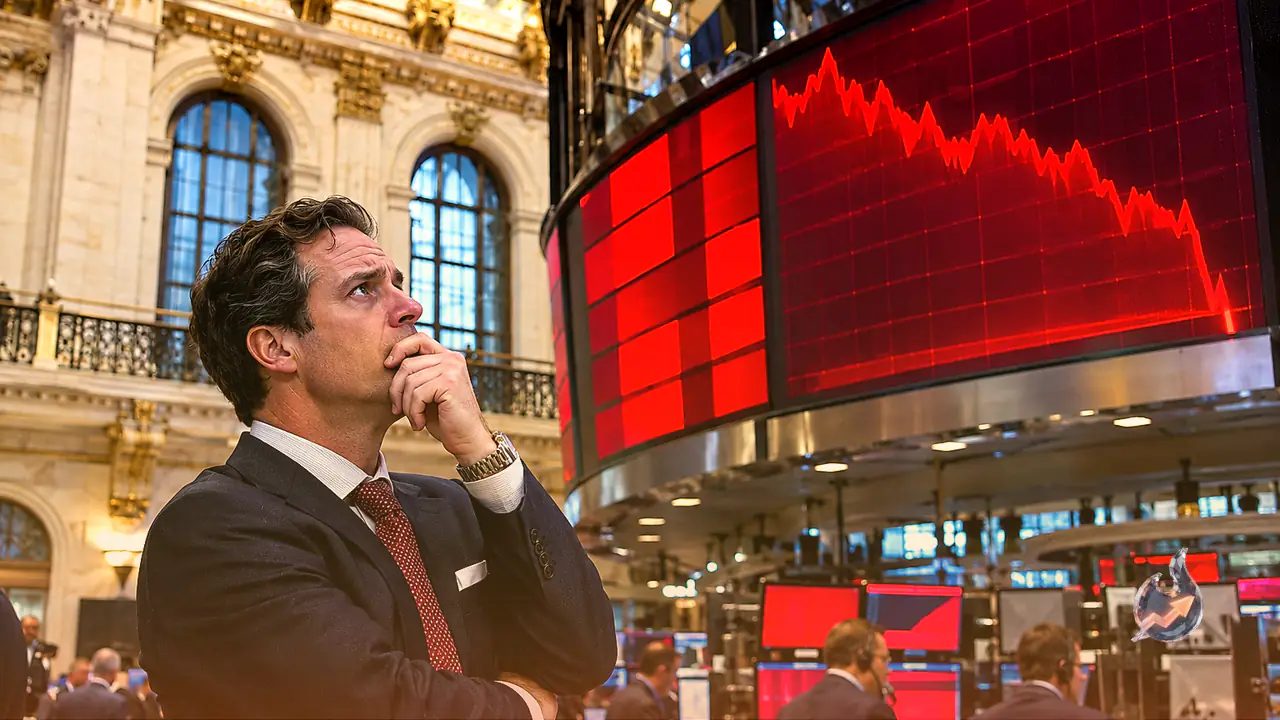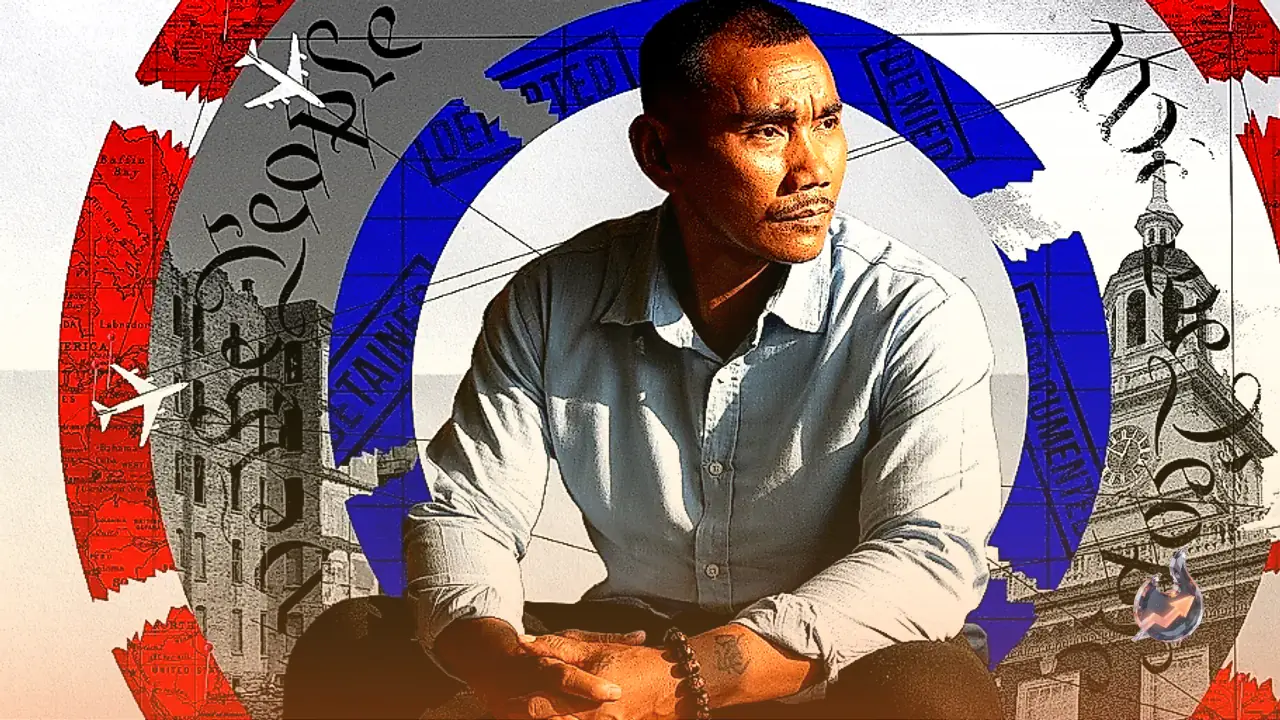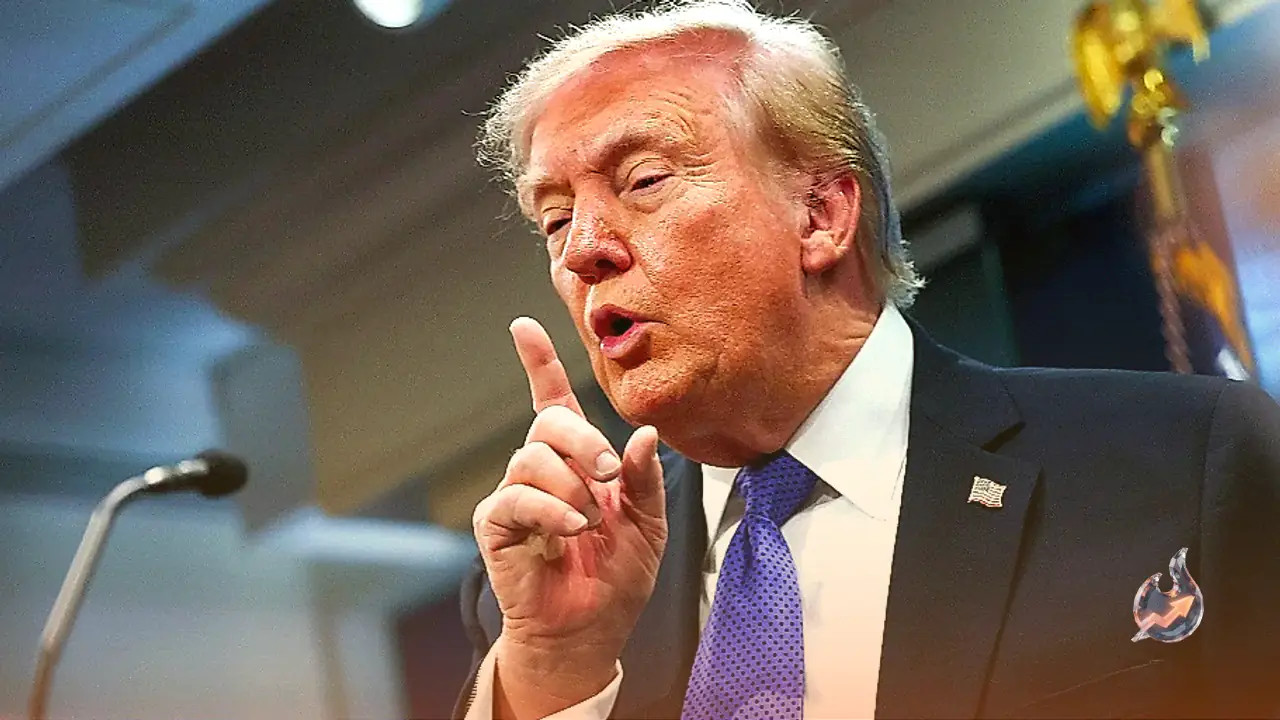

A notable shift is occurring within American political circles following the recent midterm elections. Prominent figures who spent weeks promoting unverified theories of election fraud are expressing deep frustration over Donald Trump's unwillingness to actively endorse their efforts. Despite attempts by these activists to push extreme measures—ranging from the seizure of voting equipment to the declaration of martial law—the expected backing from the top leadership has failed to materialize.
Unsubstantiated Claims Meet Official Silence
Among those leading the push is Joe Oltmann, a vocal figure in the election denial movement who recently voiced disappointment over the lack of action from Washington. Oltmann stated that he submitted a comprehensive 75-page dossier to the White House detailing a theory that former Venezuelan officials had compromised the US electoral machinery to favor Democratic candidates. No credible evidence was provided to substantiate these claims. Despite claiming to have conducted direct phone conversations with Donald Trump, Oltmann acknowledged that two weeks after the election, no official intervention had occurred.
In public statements, Oltmann suggested that citizens could directly intervene at polling sites to discard voting equipment, framing such actions as a civic duty rather than unlawful disruption. These calls closely resemble the rhetoric surrounding the events leading up to January 6, 2021. However, unlike in previous years, key figures within the political structure appear unwilling to amplify these demands.
Comparing the Current Dynamic to 2020
Patrick Byrne, founder of Overstock.com who claims to have invested $100 million over six years into election integrity initiatives, described the current atmosphere as a repeat of 2020 dynamics. Byrne noted that in late 2020, he participated in discussions advocating similar aggressive measures. The crucial distinction in the current landscape is Trump's reluctance to lead the challenge against the midterm outcome.
Following his presidential loss to Joe Biden in 2020, Trump immediately amplified claims of voting irregularities. Leading into the midterms, the administration had frequently raised concerns regarding mail-in ballots and noncitizen voting, while directing attention toward administrative oversight. Immediately after the midterm votes were counted, Trump briefly shared social media posts from prominent activists questioning the numbers.
On November 9, Trump published a message on Truth Social questioning poll accuracy and early voting tallies, focusing attention on the role of voting machines. While activists initially viewed this statement as a signal of sustained backing, Trump subsequently reduced his references to election fraud, attributing Republican midterm losses primarily to his own absence from the ballot.
Internal Friction and Alternative Plans
Efforts by legal figures to alter the outcome have similarly stalled. Peter Ticktin, an attorney and former schoolmate of Trump, sought to present documents gathered from confidential sources to the administration. Ticktin openly advocated for the nullification of the election results and the imposition of martial law. However, Ticktin later conceded that he had not secured a meeting with Trump, observing that the former president seemed intent on moving forward rather than disputing the certified results.
Disagreements have also emerged among the activists themselves regarding the best course of action. While Byrne rejected the idea of forcibly seizing voting machines, he proposed an alternative strategy: reappointing Michael Flynn as national security adviser to oversee audits of digital records across 12 major cities. Under Byrne's proposed timeline, if evidence of foreign intervention were uncovered, the election would be nullified and new voting scheduled within 120 days.
There has been no indication from administration officials that any such proposal is under consideration. Flynn himself characterized the political party's electoral execution as a failure in strategy. The White House declined to provide comments on the matter. Nevertheless, recent polling data from UC San Diego suggests that a significant portion of Republican voters continues to hold reservations regarding the fairness of the midterm process, even as official challenges fade.