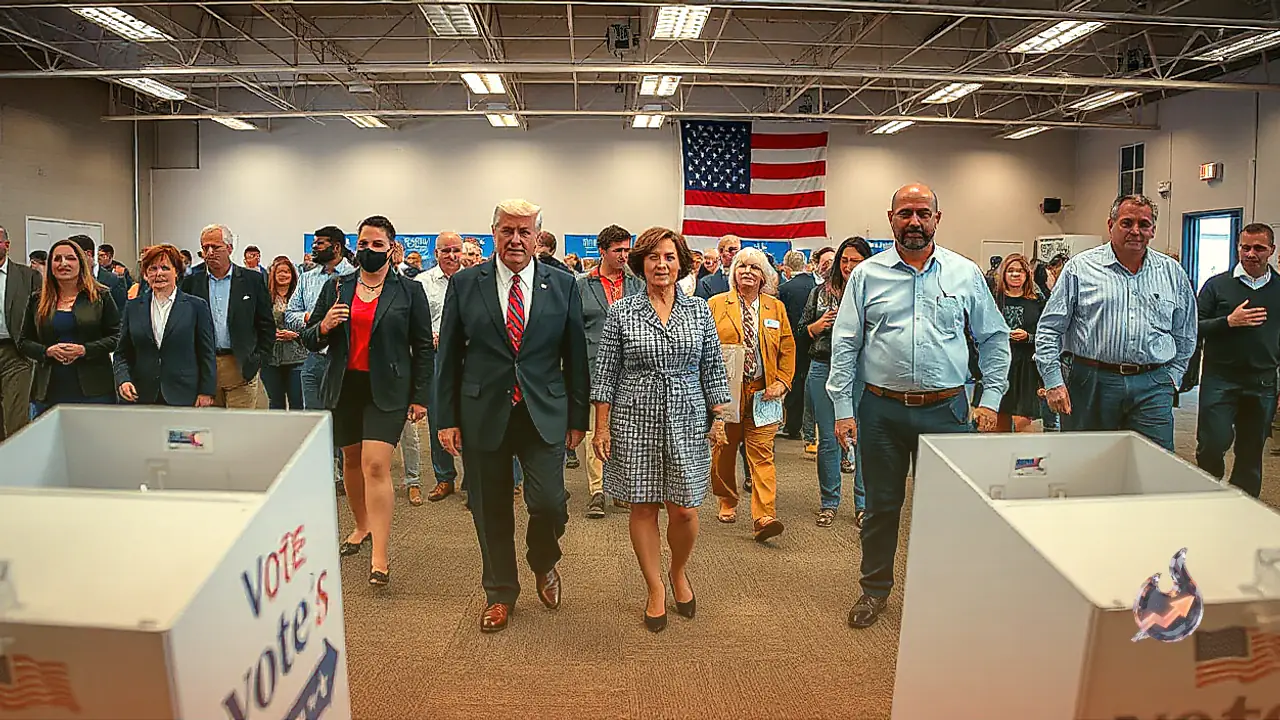






















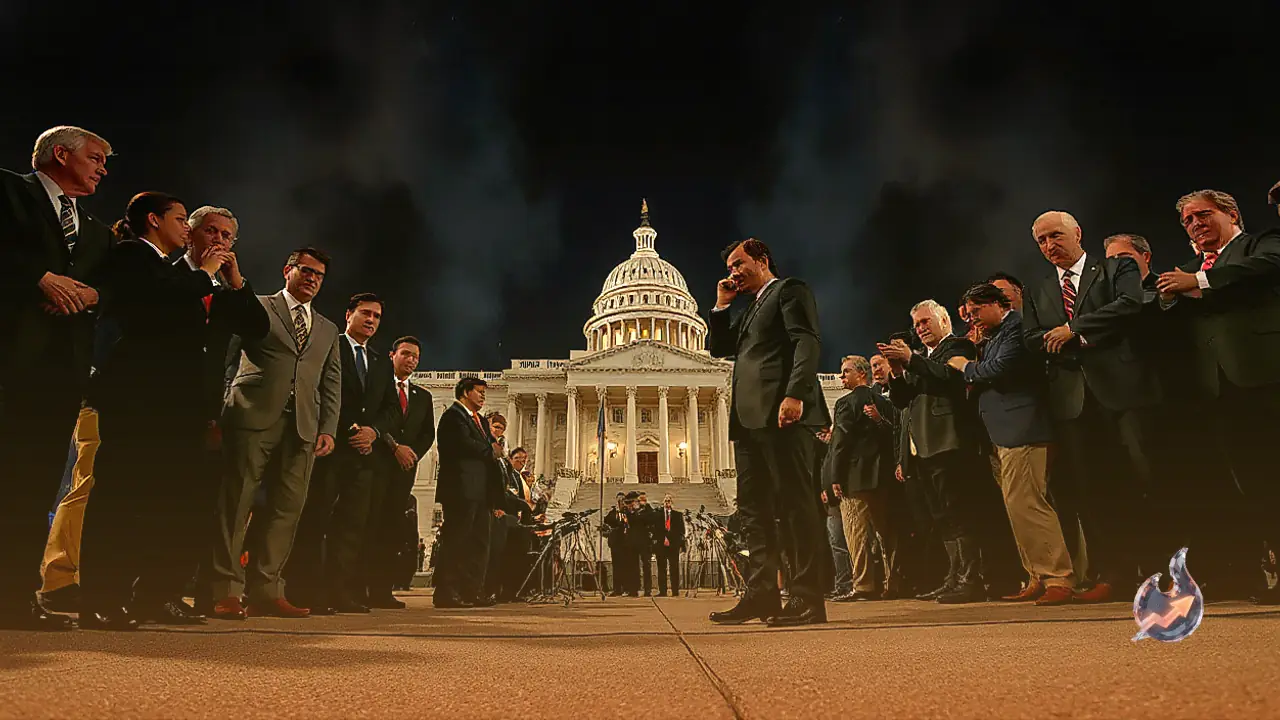

A severe wave of electoral setbacks in Tuesday night's midterm voting has triggered widespread turbulence across the highest ranks of Donald Trump's administration. Senior aides and party strategists found themselves shaken by the sheer scale of the defeat, immediately igniting a scramble behind closed doors to identify who should bear the political cost. In private conversations, administration insiders have conceded that core accountability rests on the choice to steer the nation into an unpopular armed confrontation with Iran. That conflict accelerated consumer prices, rapidly turning inflation and living costs into the defining grievance for voters at the ballot box. Unable to direct criticism at Donald Trump openly, officials, party donors, and media figures have instead trained their sights on a growing list of alternative targets throughout the government.
Historical Precedents and Demands for Leadership Shakeups
The mounting anger inside Republican ranks has brought immediate comparisons to previous wartime midterm wipeouts. Disgruntled party donors and political operatives have pointed to 2006, when then-president George W. Bush parted ways with defense secretary Donald Rumsfeld after the party surrendered control of both chambers of Congress. A growing faction now expects Donald Trump to execute a comparable purge of his inner circle to demonstrate accountability and project a decisive break from failed policies.
However, Donald Trump has stopped short of committing to any staff dismissals. This hesitation stems partly from an internal recognition that the Democratic wave was so overwhelming that staff maneuvers might have done little to change the eventual outcome. Furthermore, advisers have counseled the president that retaining key personnel within the administration provides a defensive shield, ensuring crucial aides stay aligned with the White House if congressional investigators begin issuing subpoenas in the coming year.
Military Assessments and Intelligence Doubts Under the Microscope
Immediate internal criticism has landed squarely on officials who urged the continued military campaign against Iran, even as public opinion polls cratered months before Election Day. Defense secretary Pete Hegseth has become the subject of sharp internal complaints, with colleagues alleging that his office consistently presented overly optimistic battlefront forecasts. Those briefings reportedly created the misleading impression that expanded airstrikes alone could secure a decisive triumph.
The upbeat tone of these presentations raised enough alarm that earlier this spring, vice president JD Vance and secretary of state Marco Rubio bypassed standard channels to secure independent intelligence briefings, seeking an unvarnished assessment of the ground reality. The Department of Defense did not immediately offer comment on the criticisms regarding its leadership or war briefings.
Redistricting Miscalculations and Strategy Failures
Frustration among presidential advisers has also spilled over onto conservative media voices accused of urging Donald Trump to press forward with the conflict even as operations reached an intractable stalemate in the Strait of Hormuz. Simultaneously, substantial blame has converged on White House deputy chief of staff James Blair, who had stepped away from administrative duties to guide the national midterm strategy and redraw key congressional districts to expand Republican margins.
That redistricting campaign unraveled completely on election night. Out of the 14 vital congressional districts redesigned for this cycle, Republicans managed to secure only two victories, picking up a single contest in Texas and another in Tennessee. Conversely, Democratic challengers swept through conservative strongholds in Texas and Ohio, posting commanding double-digit leads in most targeted races. While Blair had faced advance criticism as internal surveys showed candidates faltering in seats that Donald Trump carried comfortably during the 2024 presidential contest, the confirmed results have cemented his position as a chief scapegoat.
Candidate Quality and Rally Messaging Contradictions
For his part, Donald Trump spent the closing hours of election night deflecting institutional responsibility, attributing the party's failures to poor candidate quality in vital battlegrounds and arguing that supporters sat out because his own name was absent from the ballot. Observers across his political network expressed dismay, if little surprise, that the president refused to view the sweeping losses as a referendum on his second-term governance.
The argument over weak candidates runs directly into Donald Trump's personal endorsement record across major Senate contests. The president directly championed embattled Texas attorney general Ken Paxton despite ongoing controversies, and threw his weight behind political newcomer Darline Graham, sister of the late senator Lindsey Graham, in South Carolina. In North Carolina, former Republican National Committee leader Michael Whatley suffered a decisive defeat at the hands of Democrat Roy Cooper, an opening created only after Trump backed an aggressive primary challenge earlier this year against popular incumbent Thom Tillis.
Furthermore, Donald Trump's claim of distance from the ticket was contradicted by his own campaign speeches, during which he repeatedly instructed rally crowds to treat the midterms as an explicit vote for him. Advisers noted that during those appearances, the core economic pitch was frequently derailed by lengthy digressions regarding high oil company earnings and personal building endeavors, an approach that failed to resonate with an electorate worried about rising costs.