





















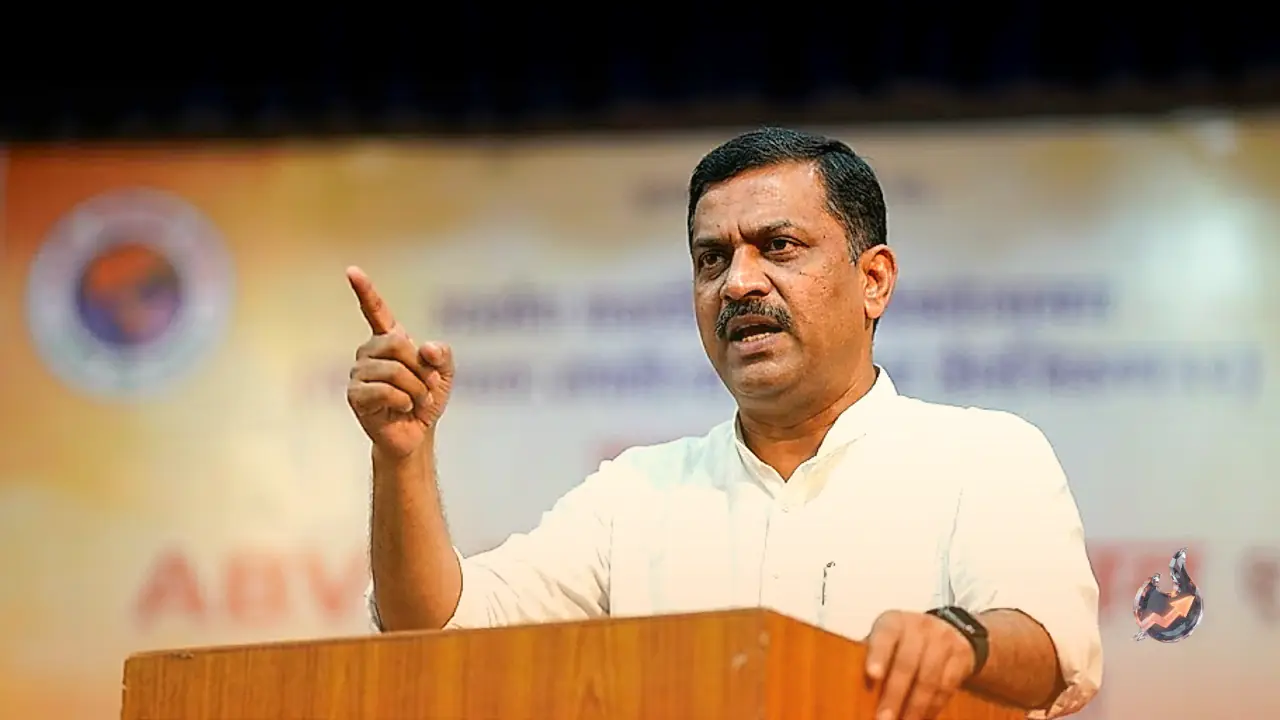

Atul Limaye, the Joint General Secretary of the Rashtriya Swayamsevak Sangh, has issued a detailed statement regarding the recent student demonstrations at Jantar Mantar in New Delhi over the NEET paper leak controversy. Speaking at an Akhil Bharatiya Vidyarthi Parishad event in Sambhajinagar, the senior organizational leader characterized the protests as actions directed against the Indian Constitution and the country itself, cautioning against viewing the movement through a standard partisan lens.
Concerns Over Anti-Constitutional Framing
Addressing the gathering in Sambhajinagar, Atul Limaye asserted that the motives and ideological driving forces behind the Jantar Mantar agitation require thorough scholarly and institutional analysis. He stressed that reducing the student movement to a simple anti-BJP political rally overlooks its broader ramifications. According to Limaye, the protest was essentially weaponized to undermine the constitutional framework of the country. He emphasized that observers must carefully examine how student energy was mobilized and directed against national interests during the agitation.
Youth Energy and the Vision for a Developed Nation
Elaborating on the responsibilities of the younger generation, Limaye referenced an earlier address by Bharat ji concerning the roadmap for transforming India into a developed nation. He noted that achieving such a goal depends heavily on channeling youth potential effectively. However, he cautioned that society and leadership must carefully curate the values, aspirations, and ideals instilled in young citizens. Determining these foundational guidance principles requires meticulous planning to ensure that youth strength contributes positively to nation building rather than being misled into disruptive causes.
The Escalation at Jantar Mantar and Parliamentary Debate
The protest at Jantar Mantar, conducted under the leadership of the Cockroach Janta Party, became a focal point of intense national political conflict. The involvement of Gen Z activists saw the movement spread rapidly across multiple states. Allegations that security forces deployed pellet guns against student demonstrators sparked outrage from street protests to heated debates inside Parliament. Opposition political leaders rallied at the site, accusing the central government of attempting to forcefully suppress genuine student grievances and silence public dissent.
Prime Minister Modi Direct Outreach via Social Media
As tensions mounted during the national agitation, Prime Minister Narendra Modi addressed the student community directly by releasing a video message on Instagram. In the video, the Prime Minister acknowledged the frustration of the youth and stated that he forgave the harsh insults and personal slurs directed at him during the demonstrations. Despite the official outreach, debates surrounding the underlying intent of the protest leadership and its long-term impact on governance continue to generate political discourse across the country.