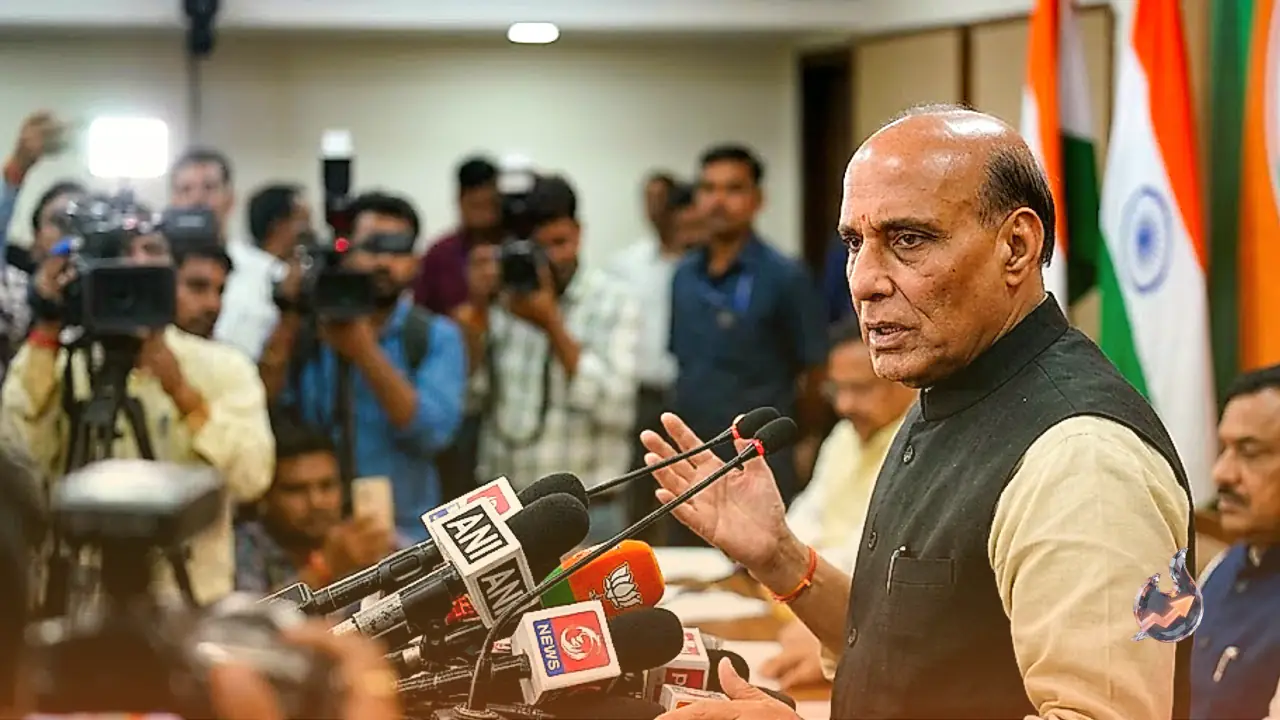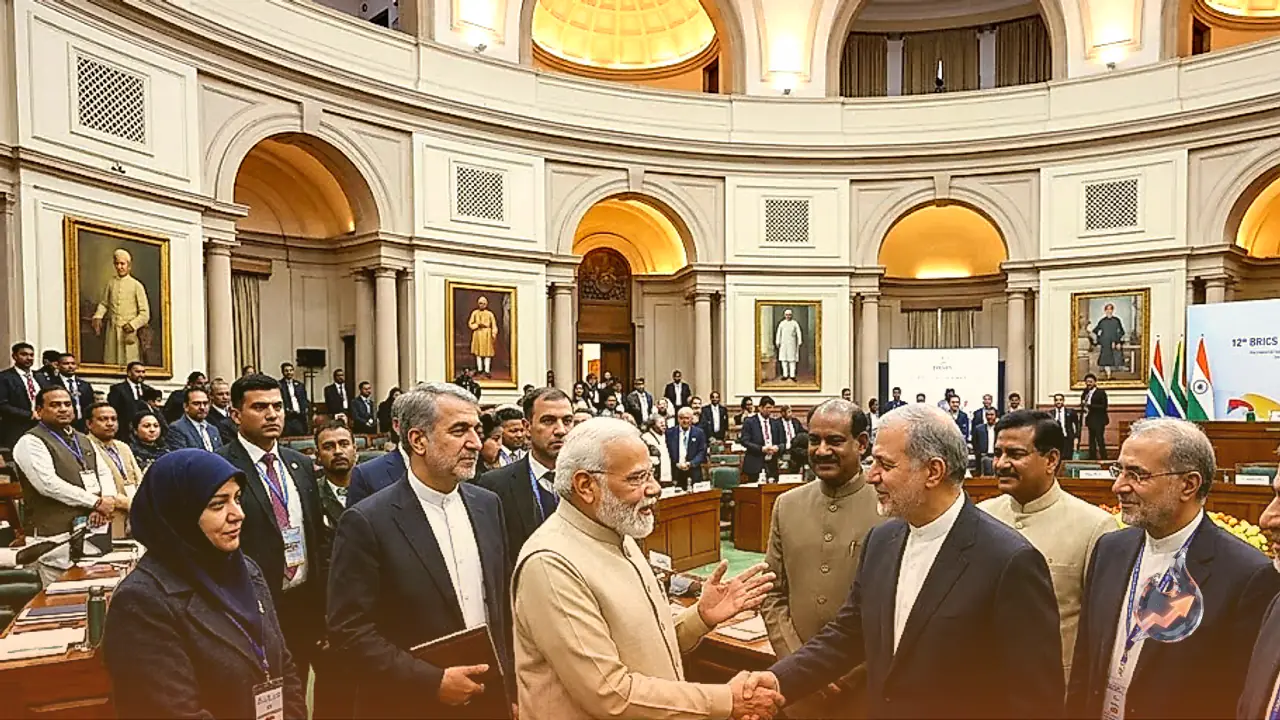
















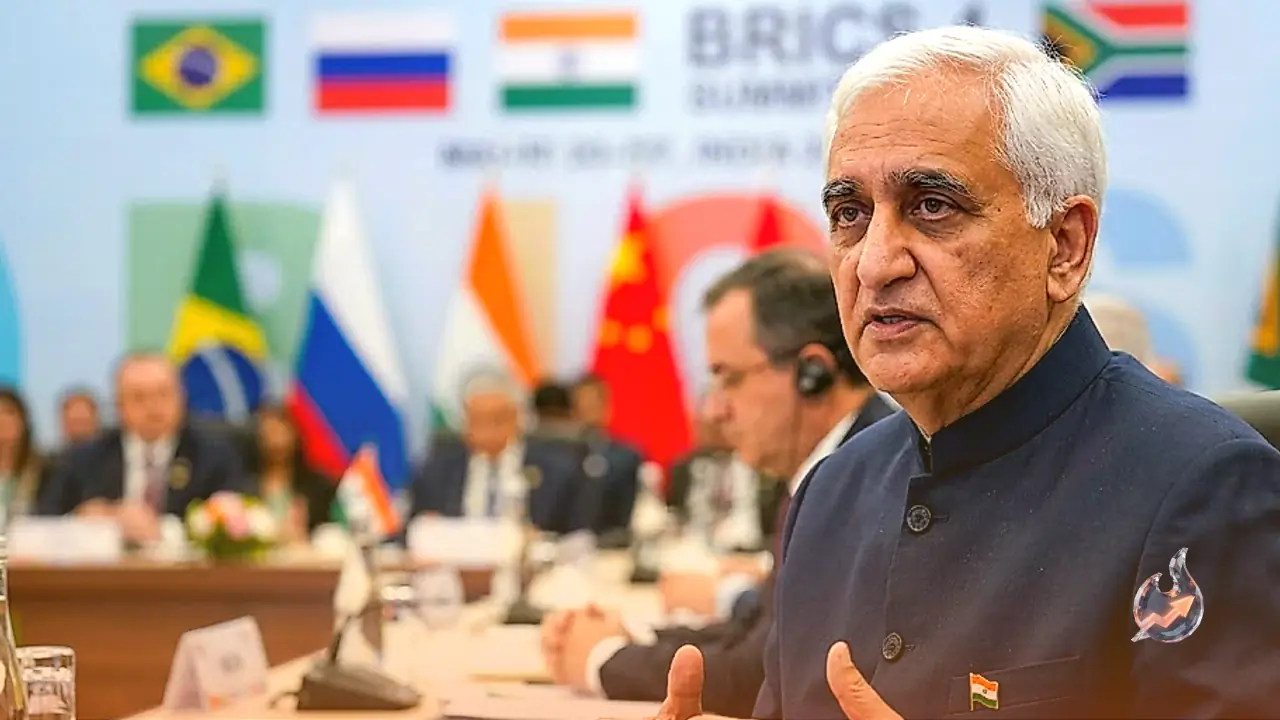

Amid growing polarization and heightened geopolitical uncertainties across the globe, the BRICS summit hosted by India emerges as a pivotal moment for international diplomacy. Former External Affairs Minister and senior Congress leader Salman Khurshid highlighted the transformative potential of this multilateral gathering, asserting that BRICS possesses the framework necessary to construct a viable alternative global order. He emphasized that India's foundational diplomatic doctrine of non-alignment grants the nation a unique position to lead this platform naturally, without appearing tethered to any competing power bloc. With world leaders and global observers closely watching the proceedings, the summit presents a significant opportunity to reshape international trade paradigms, production chains, and supply networks for the developing world.
Leading Global Supply Chains and Multipolar Order
The strategic relevance of the BRICS grouping has escalated significantly in the wake of shifting economic realignments worldwide. From the standpoint of global production networks, trade routes, and supply chain security, BRICS offers a robust counterweight to traditional Western-dominated institutions. Salman Khurshid noted that at a time when major global powers are diverging into contrasting geopolitical directions, India holds the diplomatic credibility required to bridge these gaps. The enduring principles of non-alignment embedded in Indian foreign policy allow the nation to champion the cause of the Global South independently. By leveraging its position within BRICS, India can foster an inclusive economic structure that addresses trade imbalances and promotes sustainable economic cooperation among emerging markets.
Diplomatic Balance in West Asia: Bringing Iran and UAE Together
Navigating the complex geopolitical landscape of West Asia requires a calibrated and unbiased diplomatic posture. The region continues to experience friction among key actors, notably between nations with contrasting strategic perspectives such as Iran and the United Arab Emirates (UAE). The former External Affairs Minister suggested that the BRICS platform provides India with an ideal venue to mediate constructively between these opposing sides. Drawing parallels to India's balanced engagement within the Shanghai Cooperation Organisation (SCO), he maintained that New Delhi must avoid leaning toward any single regional faction. Achieving consensus between key Middle Eastern players on a shared multilateral stage would represent a major diplomatic victory, further cementing India's standing as a pragmatic peacekeeper.
Global Fight Against Terrorism and Broader Global Challenges
Addressing international security concerns, Salman Khurshid stressed that terrorism remains a pervasive global menace that demands an uncompromising, unified response from the international community. Eradicating terrorism root and branch is a collective global responsibility, and India must continue to voice its strong opposition to state-sponsored and transnational terror across all global forums. However, he cautioned that global deliberations should not remain strictly confined to security issues alone. Parallely, pressing challenges such as climate change, economic volatility, and supply chain disruptions require urgent multilateral intervention. A holistic approach that addresses environmental sustainability and economic resilience alongside counter-terrorism is essential for long-term global stability.
India's Dignity Amid US Tariff Policies and Donald Trump's Stand
The global economic landscape faces renewed unpredictability due to shifting trade policies and tariff measures associated with Donald Trump. Salman Khurshid asserted that when national dignity, economic self-reliance, and sovereign interests are at stake, India must project unwavering resolve on the world stage. During the BRICS summit, India should articulate its economic stance with clarity and confidence, ensuring that domestic industries and trade autonomy are safeguarded. By projecting strength within BRICS, India can demonstrate its commitment to fair, rules-based international trade while rejecting coercive economic tactics or unilateral tariffs.
LAC Transparency and Equal Footing with China
The anticipated visit of Chinese President Xi Jinping to India highlights the critical need to address ongoing border tensions along the Line of Actual Control (LAC). Salman Khurshid observed that peaceful relations between neighboring nations are fundamentally linked to mutual trust, which has been eroded by unilateral actions along the border. He urged the Central Government to maintain complete transparency with the public and political stakeholders regarding the exact situation on the ground at the LAC. While the nation stands united behind the government in matters of foreign security, informed consensus requires full disclosure. Furthermore, acknowledging China's rapid economic growth, he stressed that India must accelerate domestic economic strengthening so that New Delhi negotiates as an equal partner rather than appearing as a junior stakeholder. While India's military capabilities remain fully equipped to counter any external threat, achieving strategic parity with Beijing demands a combination of economic fortitude, diplomatic clarity, and internal transparency.
The Imperative of National Consensus on Foreign Policy
The ultimate efficacy of a nation's foreign policy relies heavily on internal cohesion and political unity. Concluding his assessment, Salman Khurshid emphasized that India can project power effectively abroad only when its domestic leaders speak with a single, unified voice. Internal division or political fragmentation undermines national credibility during complex international negotiations. He called for open, uninhibited dialogue among all domestic political forces to forge a clear consensus on vital international issues. When India presents a unified front to the world, it maximizes its diplomatic impact and safeguards its national interests on the global stage.