















Simultaneous Elections in India by 2029 Possible if Conditions Are Met, Says JPC ChairmanPolitics
24 Aug 2026, 10:59 pm (1 day ago)· 2

Simultaneous Elections in India by 2029 Possible if Conditions Are Met, Says JPC Chairman

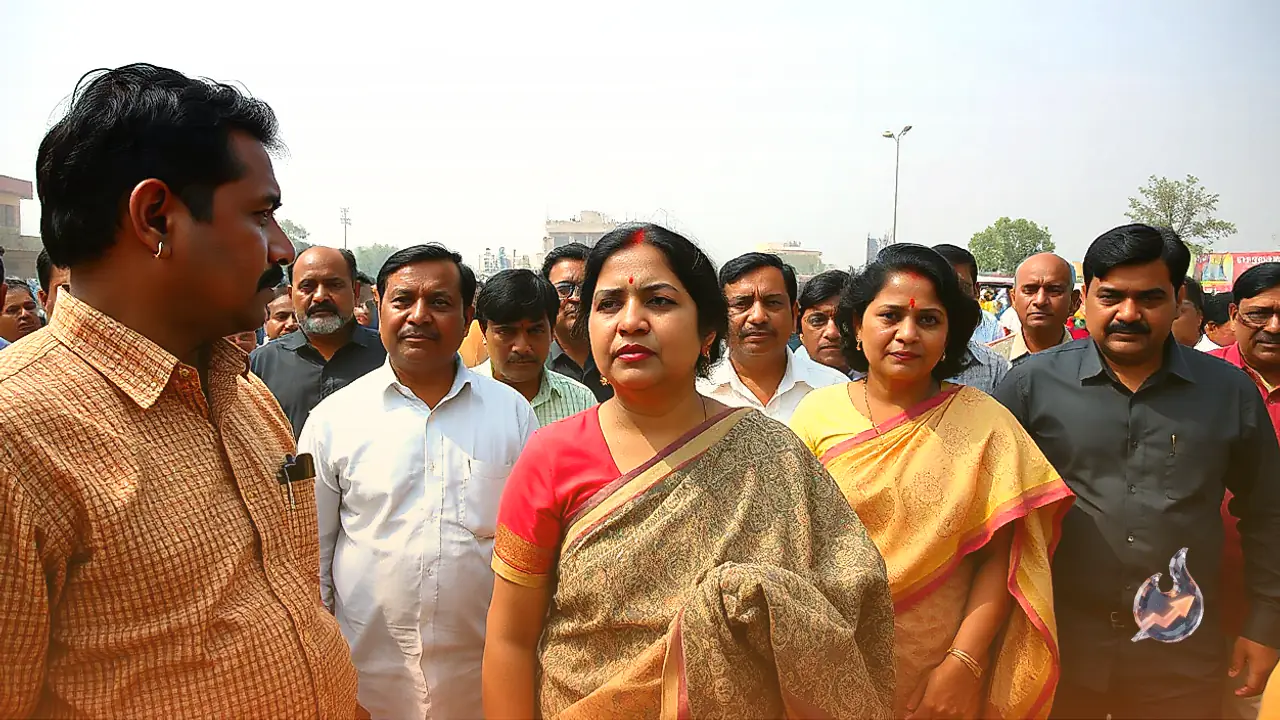
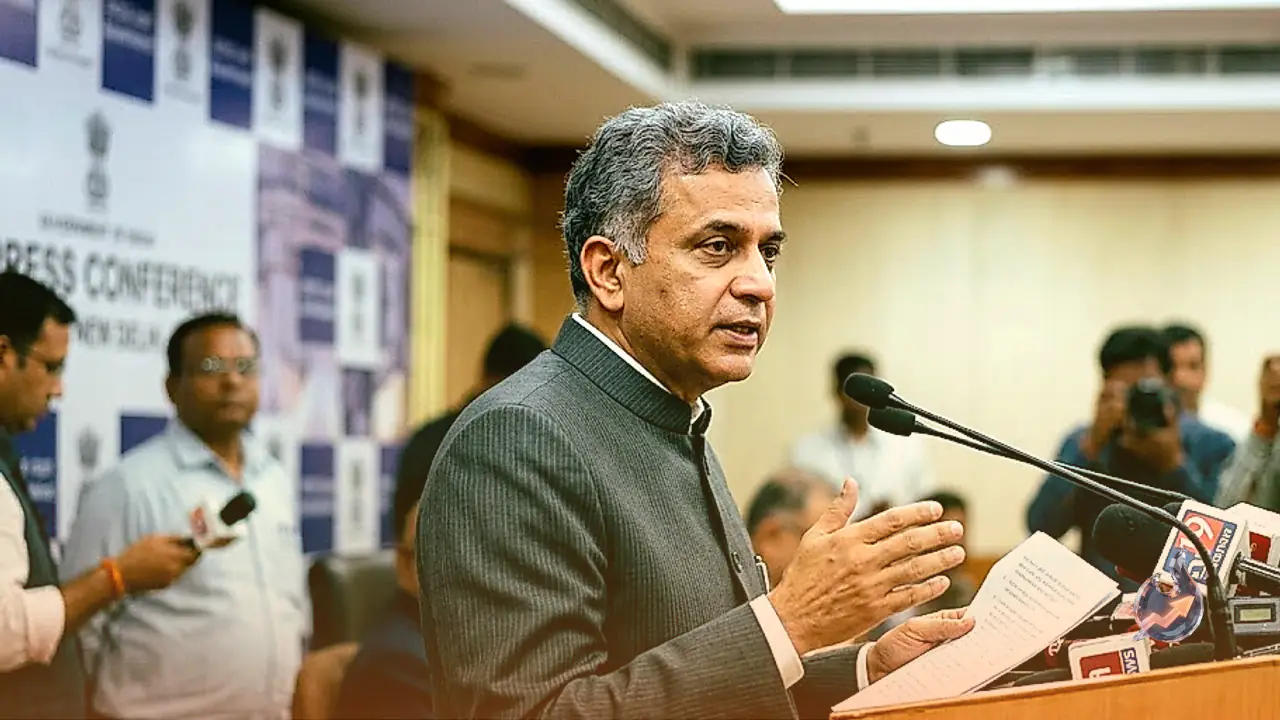
The JPC chairman P.P. Chaudhary has stated that simultaneous Lok Sabha and state assembly elections could take place by 2029 with constitutional amendments and state cooperation.

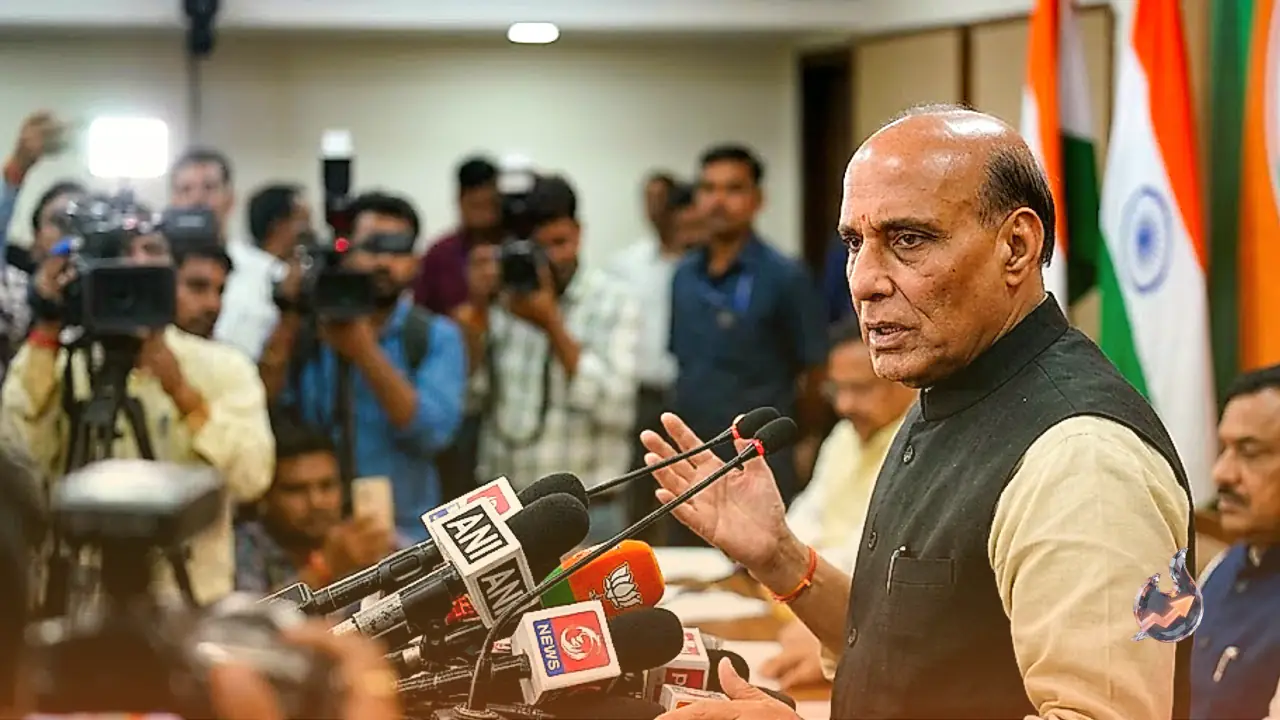
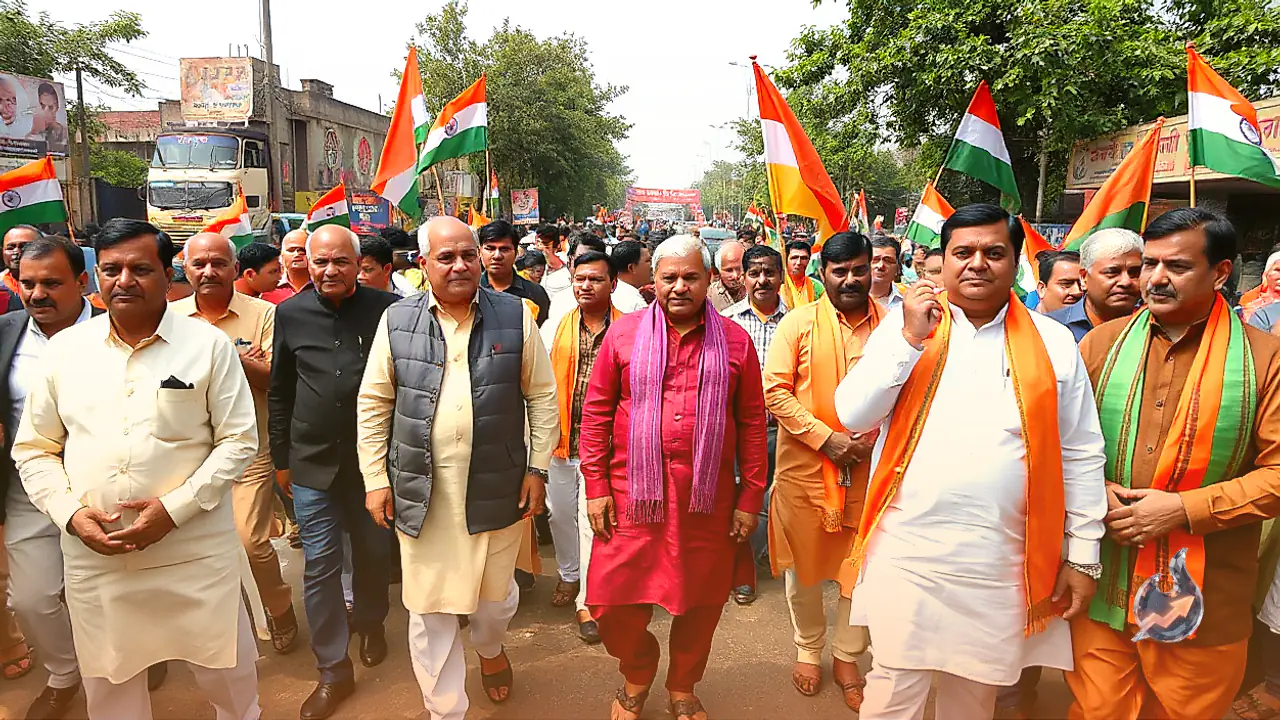
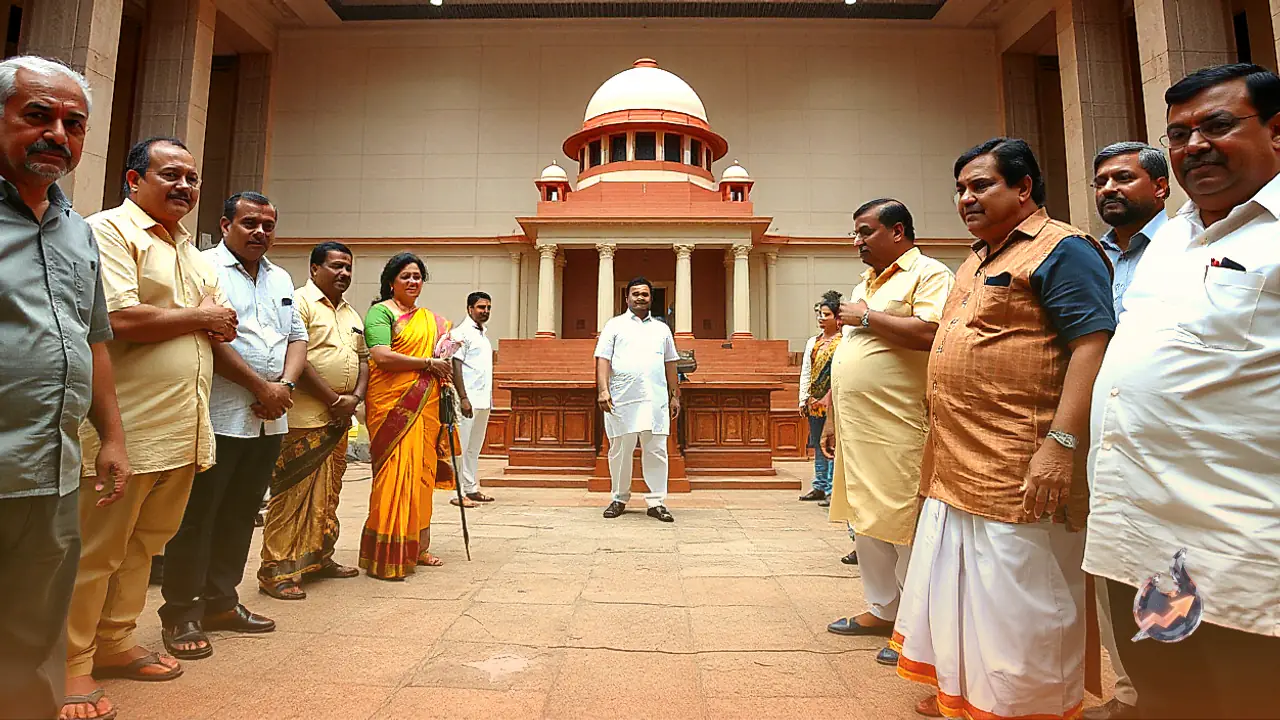
Conducting simultaneous elections for the Lok Sabha and state legislative assemblies across the nation could become a reality by the year 2029, provided necessary amendments are made to the constitution and state governments extend their support. This crucial clarification has been shared by P.P. Chaudhary, the chairman of the 31-member joint parliamentary committee formed to examine the matter. According to P.P. Chaudhary, a BJP Member of Parliament from Rajasthan, if the related constitutional amendment bills successfully clear Parliament by the year 2028, the groundwork for implementing this system will officially commence.

State Autonomy and Constitutional Boundaries

Delving into the operational mechanics, he explained that while the Indian constitution empowers states to hold synchronous polls, the central government lacks the authority to coerce any state into dissolving its assembly prematurely. The final call rests entirely on the discretion and decisions of the respective state cabinets and chief ministers. Consequently, securing the active cooperation of state administrations remains an essential prerequisite for rolling out the initiative.

Also read

Public Sentiment and Administrative Efficiency

Sharing findings from extensive grassroots outreach, the committee chairman noted that he visited 10 states across the country to interact directly with ordinary citizens and civil society members. Based on these interactions, he stated that roughly 99 percent of the public strongly supports holding national and state elections concurrently. Emphasizing the primacy of public will in a democracy over narrow political considerations, he pointed out the heavy toll frequent elections take on public administration. He highlighted that nearly 30 percent of the productive time of government schools and teachers is currently consumed by election-related duties, a massive resource drain that synchronous polls would effectively eliminate.

Historical Context and High-Level Committee Roadmap

This entire framework draws its foundation from the recommendations put forward by a high-level committee chaired by former President Ram Nath Kovind, which also counted Union Home Minister Amit Shah among its members. That panel had advised conducting elections for the Lok Sabha, state assemblies, and local bodies in a phased, synchronized manner. Historically, India conducted simultaneous elections for Parliament and state assemblies during the early post-independence decades, specifically in 1951-52, 1957, 1962, and 1967. However, this established pattern broke down during 1968-69 following the premature dissolution of several state assemblies, followed by the dissolution of the fourth Lok Sabha in 1970.


Questions & Answers

What is the main condition for implementing 'One Nation, One Election' by 2029?
The key requirements are the passage of relevant constitutional amendment bills in Parliament by 2028 and the concurrence of state governments.
Who is the chairman of the joint parliamentary committee formed on this issue?
P.P. Chaudhary, a BJP MP from Rajasthan, is heading the 31-member joint parliamentary committee.
Can the central government order states to dissolve their assemblies?
No, P.P. Chaudhary clarified that states cannot be directed to dissolve assemblies, as the decision rests entirely with the state cabinets.
When were Lok Sabha and assembly elections last held simultaneously in India?
Elections were held concurrently in 1951-52, 1957, 1962, and 1967, but the cycle broke in 1968-69 due to the dissolution of assemblies.
On whose recommendations is the framework for 'One Nation, One Election' prepared?
It is based on the recommendations of a high-level committee chaired by former President Ram Nath Kovind.

Comments 5

Aisha Khan@aisha-khan·21h ago

From the perspective of the media and entertainment industry, simultaneous elections will have a direct impact on our operations. Frequent implementation of the model code of conduct disrupts government advertising budgets, promotional campaigns, and public awareness broadcasts. If this system is implemented by 2029, the media and entertainment sector will experience relief from political ad uncertainties, allowing for a smoother flow of information and entertainment.

Ravikash Gupta@ravikash·22h ago

This roadmap for simultaneous elections by 2029 will not only preserve administrative and educational resources, but it will also have a far-reaching impact on the nation's economy and financial markets. Avoiding recurring election expenditures and policy gridlocks will boost corporate investments and strengthen macroeconomic stability. However, securing political consensus from states and completing the legislative process by 2028 remain the biggest challenges.

Dr. Aditya Sharma@aditya-sharma·22h ago

From the perspective of temporal synchronization and Vedic administrative harmony, unifying the electoral cycle preserves vital institutional and educational energy that is otherwise fractured by recurrent voting disruptions. Securing legislative approval by 2028 to enable synchronous polls by 2029 will significantly bolster macroeconomic stability and corporate investment by eliminating policy freezes. The ultimate success of this monumental transition hinges entirely on achieving political consensus and state cooperation within this precise timeframe.

Karan Malhotra@karan-malhotra·1d ago

Executing simultaneous elections by 2029 through constitutional amendments and state consensus represents a major administrative shift. Implementing this framework will significantly reduce the heavy pressure on education and governance caused by frequent model code enforcement and poll duties. However, balancing federal authority between the center and states, and resolving legal complexities surrounding the premature dissolution of assemblies, will prove to be the biggest challenge for the success of this entire process.

Rohan Verma@rohan-verma·1d ago

In India's largest politically diverse state, navigating regional parties and aligning assembly tenures will be the ultimate test for this reform. If any state government falls prematurely, the Election Commission must establish clear, practical legal frameworks within the constitution to handle such uncertainties, or this ambitious plan risks creating massive administrative gridlock.

Citizen journalism

Become a TrendKia journalist

Voice of the people

Share news, photos and videos from your area with TrendKia and let your voice reach the nation. Every citizen a journalist.

Join now
CH 01 LIVE
TrendKia TV ON AIR