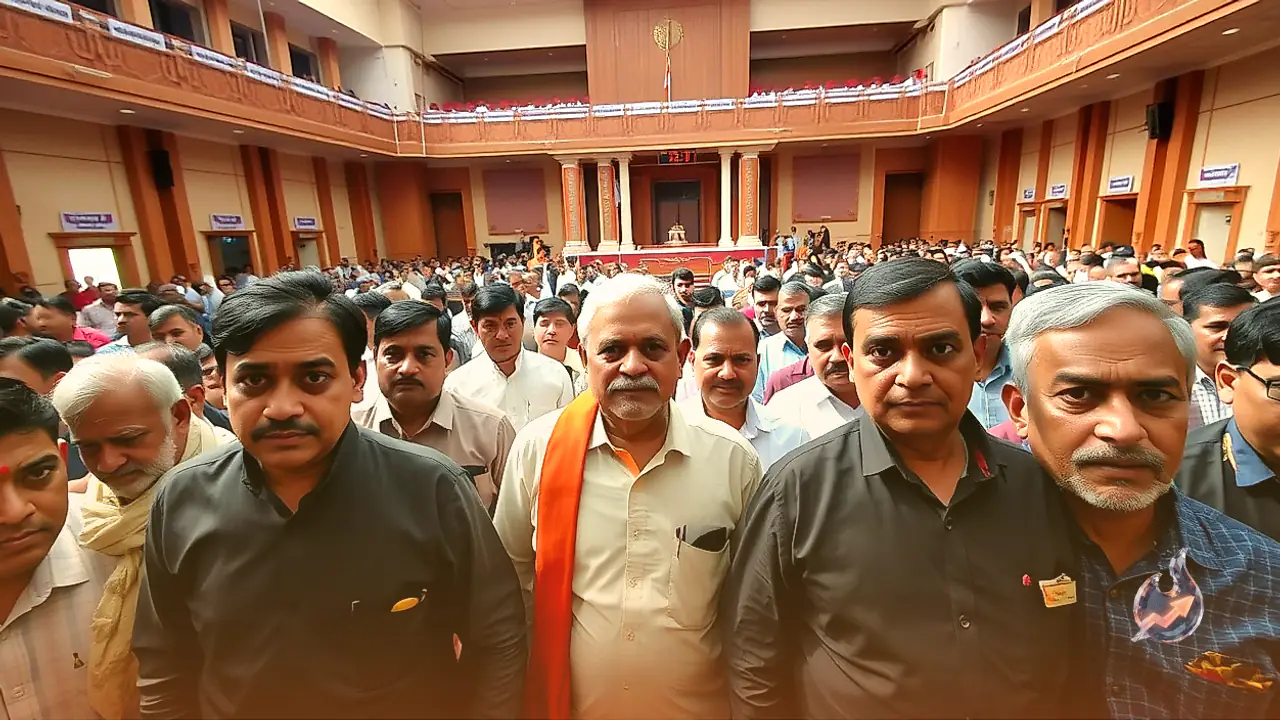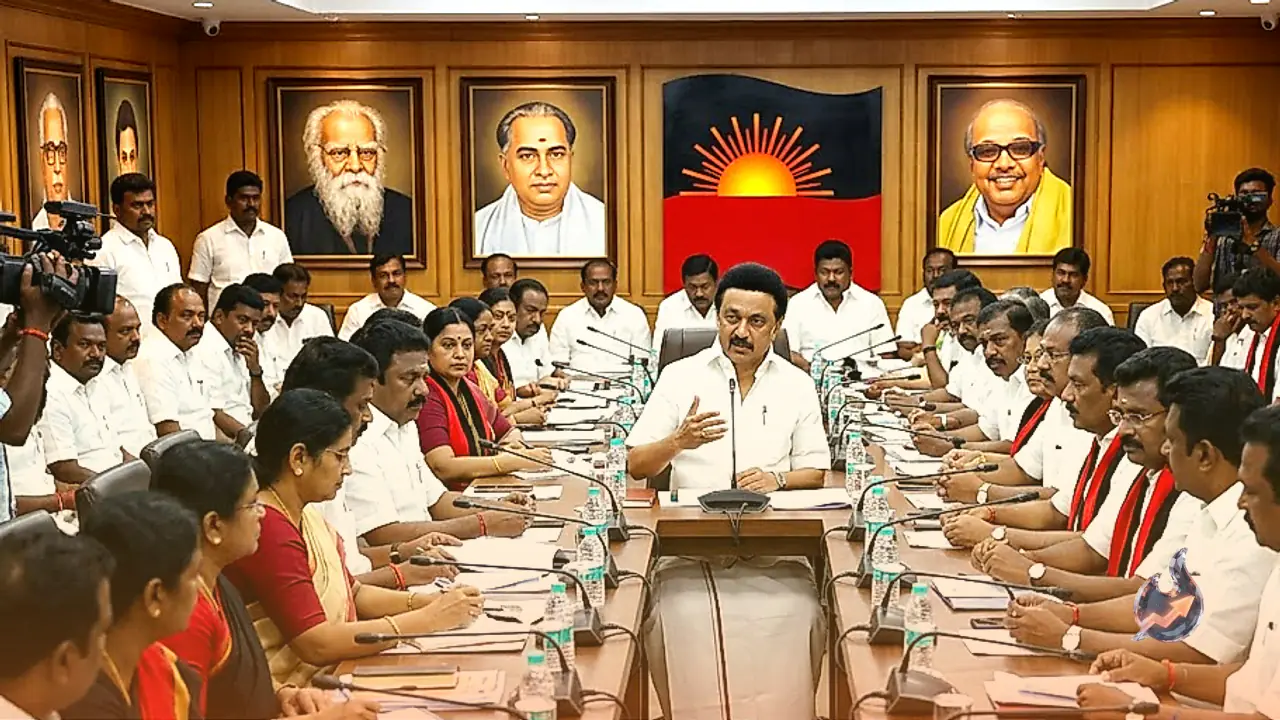
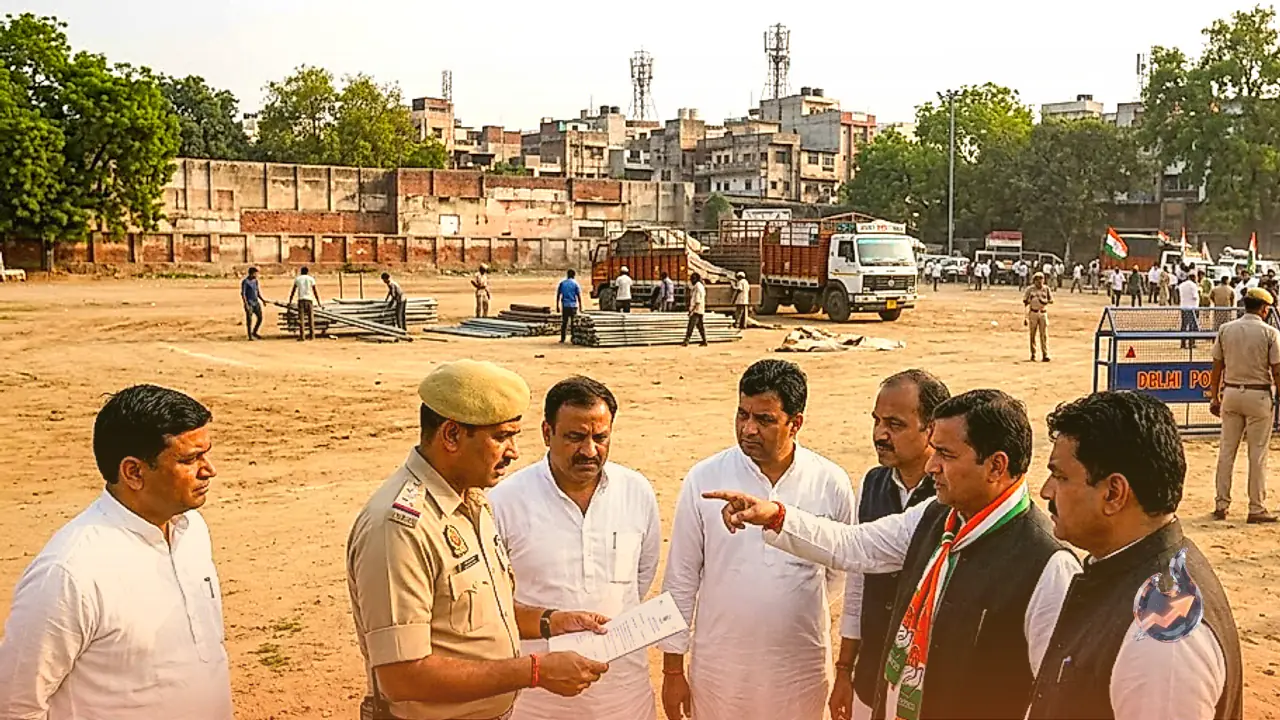















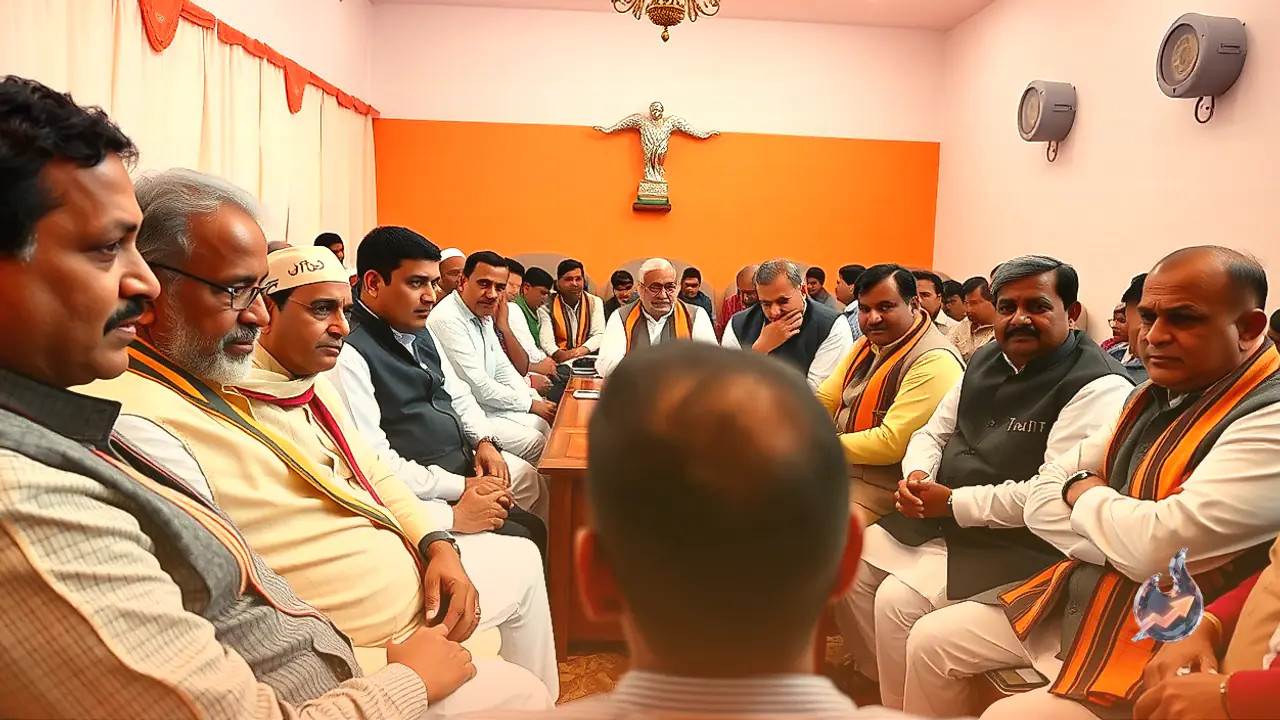

Political activity in Uttar Pradesh is rapidly picking up pace well ahead of the crucial assembly elections scheduled for 2027. Discussions surrounding a potential alliance and seat-sharing arrangements between the Samajwadi Party and the Congress have intensified significantly. Following a high-level strategy meeting held at Indira Bhawan in Delhi, statements from three prominent Congress leaders have sparked fresh debates across the state's political landscape. Rajendra Pal Gautam, the party in charge of Uttar Pradesh, explicitly announced that formal negotiations regarding seat distribution will commence starting next week. The meeting was attended by State Congress President Aradhana Mishra Mona and Working President Imran Masood, both of whom strongly emphasized the need to strengthen the grassroots organization and solidify the broader opposition alliance. This has raised critical questions in political circles about whether Congress will demand a larger share of seats from the Samajwadi Party this time around, and whether Akhilesh Yadav will bow down to these demands or stick firmly to his party's traditional stance.
Seat Sharing and Strategy Across All 403 Constituencies
Addressing the media after the conclusion of the meeting, Rajendra Pal Gautam detailed that discussions concerning seat distribution are scheduled to begin in the coming week. He explained that the primary objective of these talks is to determine how the alliance can contest all 403 assembly seats in the upcoming elections with a robust and united strategy. Furthermore, the deliberations will identify constituencies where specific electoral challenges exist and finalize which seats will be contested by Congress and the Samajwadi Party respectively. Gautam's remarks clearly indicate that Congress is no longer content with merely maintaining a nominal alliance, but is instead moving decisively toward formal and structured negotiations on seat allocation. Although he refrained from disclosing the exact number of seats Congress intends to demand or the specifics of the proposal it will present to the Samajwadi Party, the party has consistently advocated for a seat-sharing formula based on mutual respect and parity. Consequently, the upcoming dialogue will heavily center around the electoral strengths, grassroots organization, and winning prospects of both political parties.
Organizational Strength and Aradhana Mishra Mona's Focus
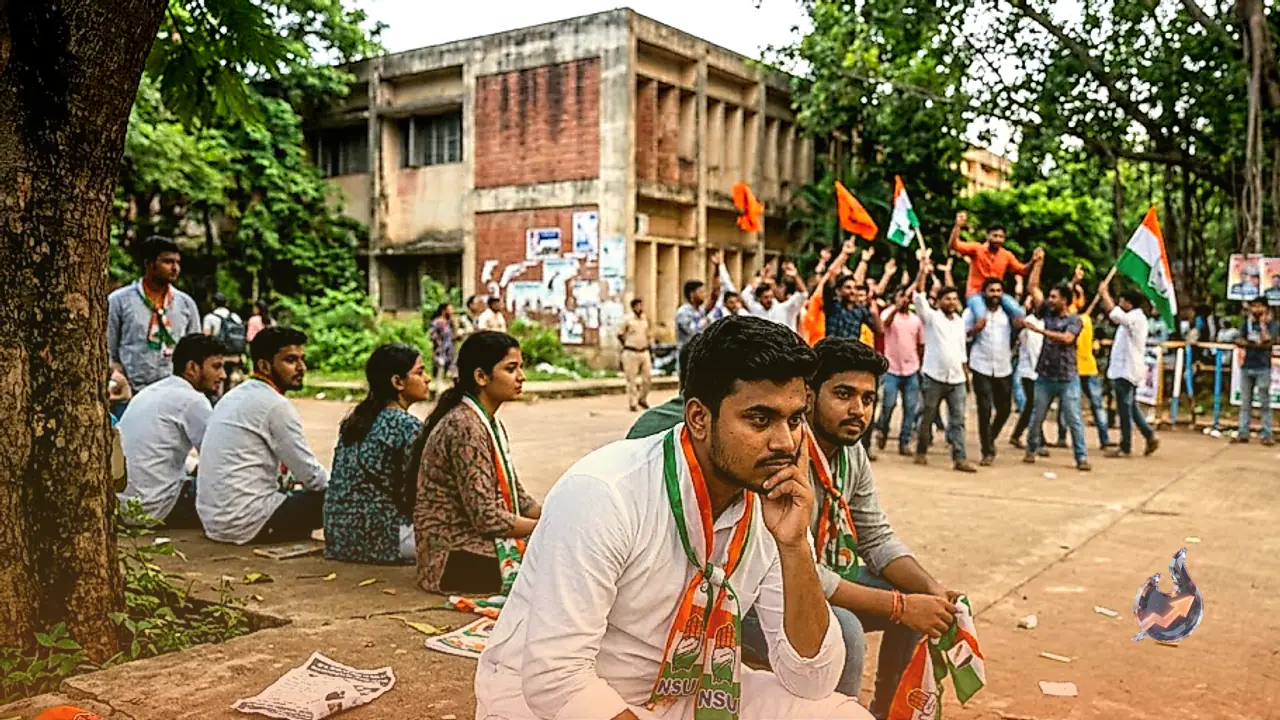
Newly appointed Uttar Pradesh Congress President Aradhana Mishra Mona articulated the party's immediate priorities, stressing that very little time remains before the elections and urging the party to accelerate its ground preparations immediately. The Delhi meeting featured extensive deliberations on reinforcing the organizational structure and addressing pressing political issues facing the state. For Congress, this preparation presents a dual challenge. On one hand, the party must rebuild and energize its weak organizational framework across the state, while on the other hand, it must successfully negotiate its role and share within the alliance alongside the Samajwadi Party. Following Mishra's appointment, the newly formed state leadership team is expected to ramp up organizational activism and translate electoral strategies effectively onto the ground. However, striking a harmonious balance between the drive to strengthen the party organization and the strategic ambition to secure a higher number of seats in the alliance will remain a critical test for Congress.
The INDIA Alliance and Imran Masood's Perspective
Congress Working President Imran Masood weighed in by stating that the immediate priority must remain firmly fixed on strengthening the INDIA bloc. According to him, the alliance needs to be robust, ensuring that all constituent parties enter the electoral fray with full strength. Nevertheless, Masood has historically been quite vocal regarding the political standing and seat-sharing ambitions of Congress within Uttar Pradesh. Reports emerging in October highlighted ongoing internal discussions within Congress advocating for a substantial number of contesting seats, whereas the Samajwadi Party has maintained that seat allocation should strictly be determined based on winnability and demonstrated organizational muscle. This exact friction point could potentially make negotiations between the two parties quite challenging. While Congress seeks to expand its footprint and claim a larger share of seats by leveraging its growing organization, the Samajwadi Party is inclined to base seat distribution on past electoral performance and ground realities.
Political Equations and Challenges Facing Akhilesh Yadav
The most pressing question dominating Uttar Pradesh politics today is how aggressively Congress will pursue its seat-sharing demands and what stance Akhilesh Yadav will ultimately adopt. A retrospective look at the 2024 Lok Sabha elections shows that the Samajwadi Party secured 37 seats in Uttar Pradesh, while Congress managed to win 6. These electoral outcomes significantly enhanced the political leverage and bargaining power of the Samajwadi Party within the alliance. However, Congress has continually argued that broad opposition unity and mutual cooperation ultimately benefited both parties. Consequently, determining assembly election seats solely based on parliamentary election statistics will be far from straightforward. Local candidates, regional organizational strength, past assembly poll results, and the presence of smaller allies will all play pivotal roles.
Upcoming Challenges and the Future of Seat Discussions
Congress and the Samajwadi Party currently face three major hurdles. The first is reaching a consensus on seat sharing, the second is establishing seamless coordination between the grassroots organizations of both parties, and the third is formulating a unified electoral strategy against the Bharatiya Janata Party. The Delhi meeting clearly signals that Congress is eager to fast-track its election preparations and is fully prepared to take seat talks forward. However, announcing an alliance and agreeing on specific seat allocations are two distinct phases. All eyes will now remain focused on the potential negotiations scheduled for next week, which will determine whether both parties can successfully forge a mutually agreeable formula.