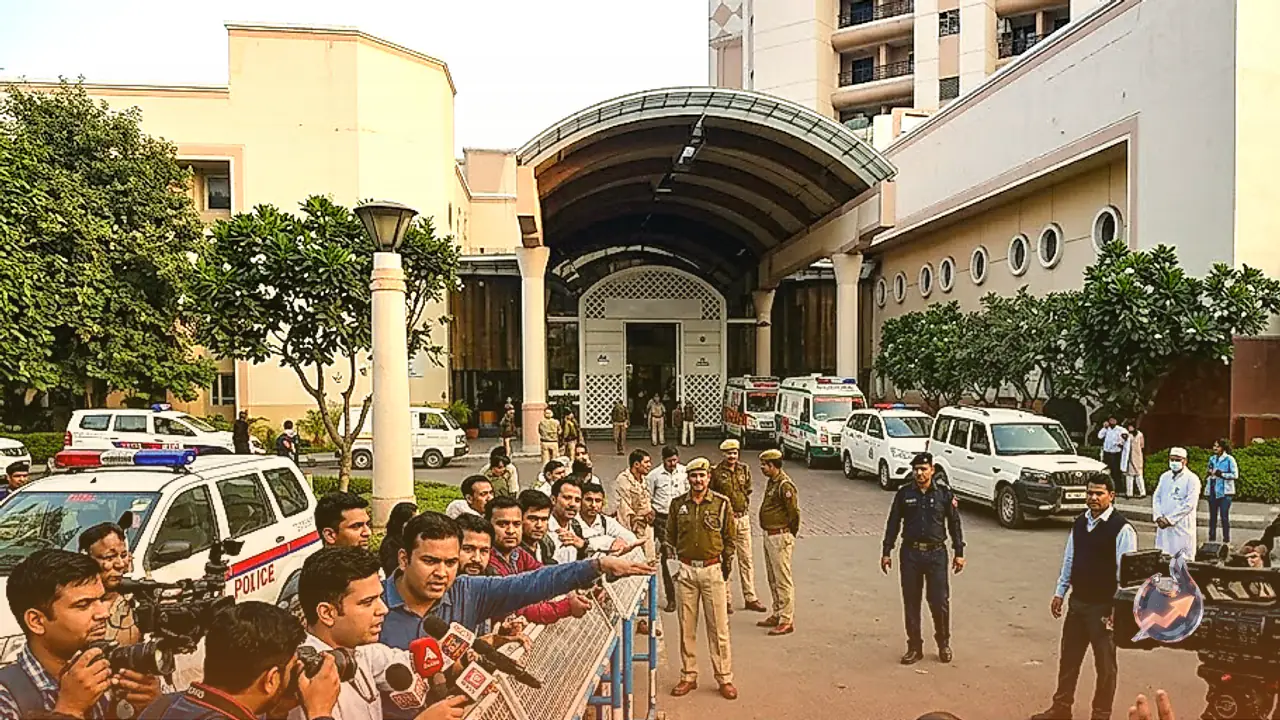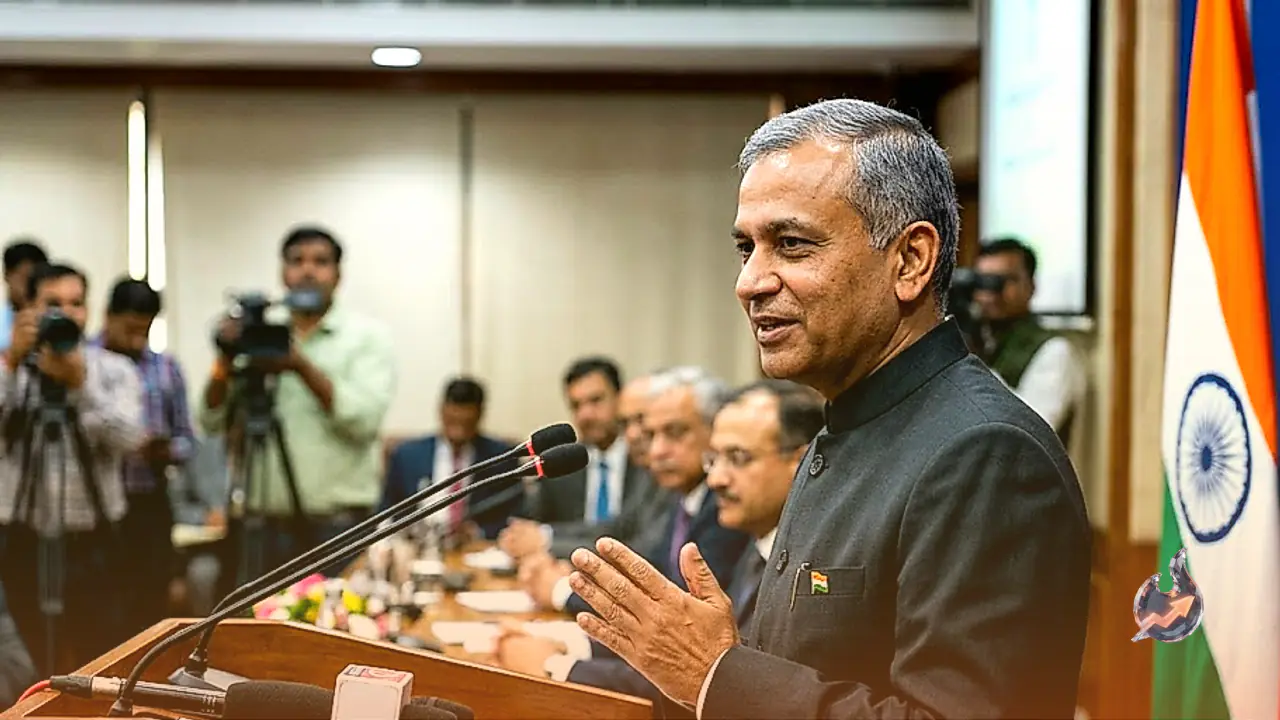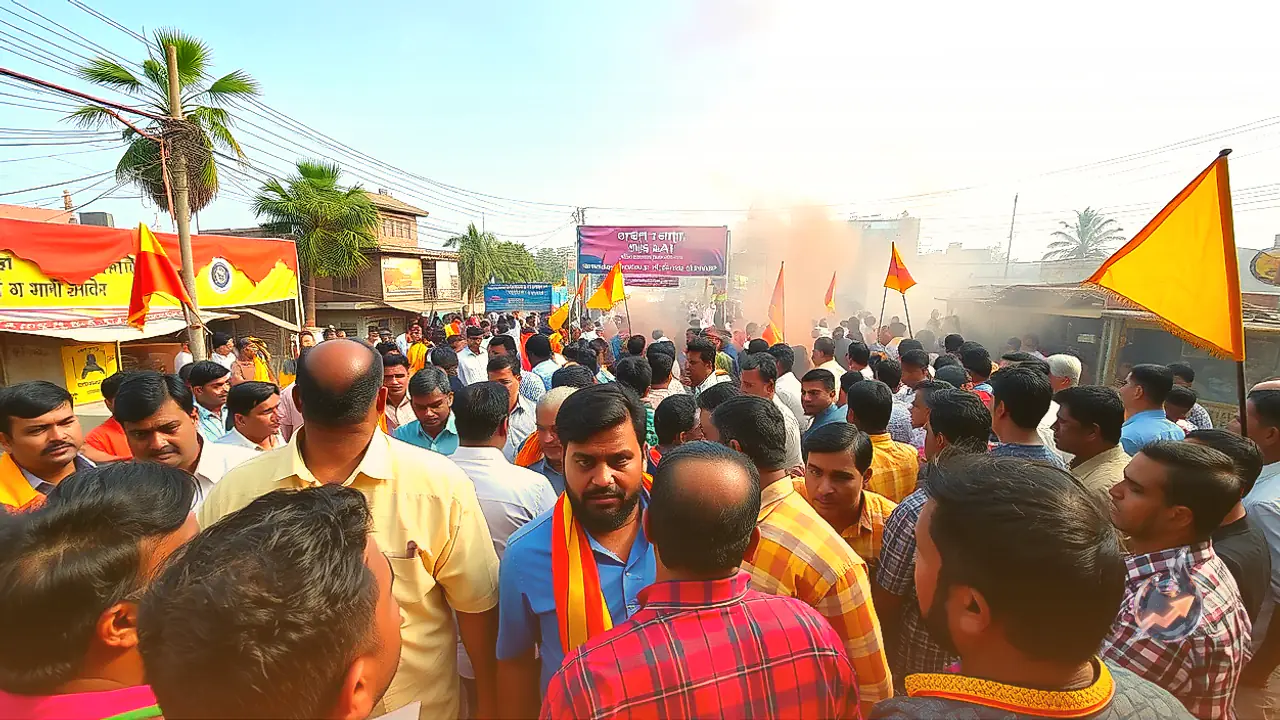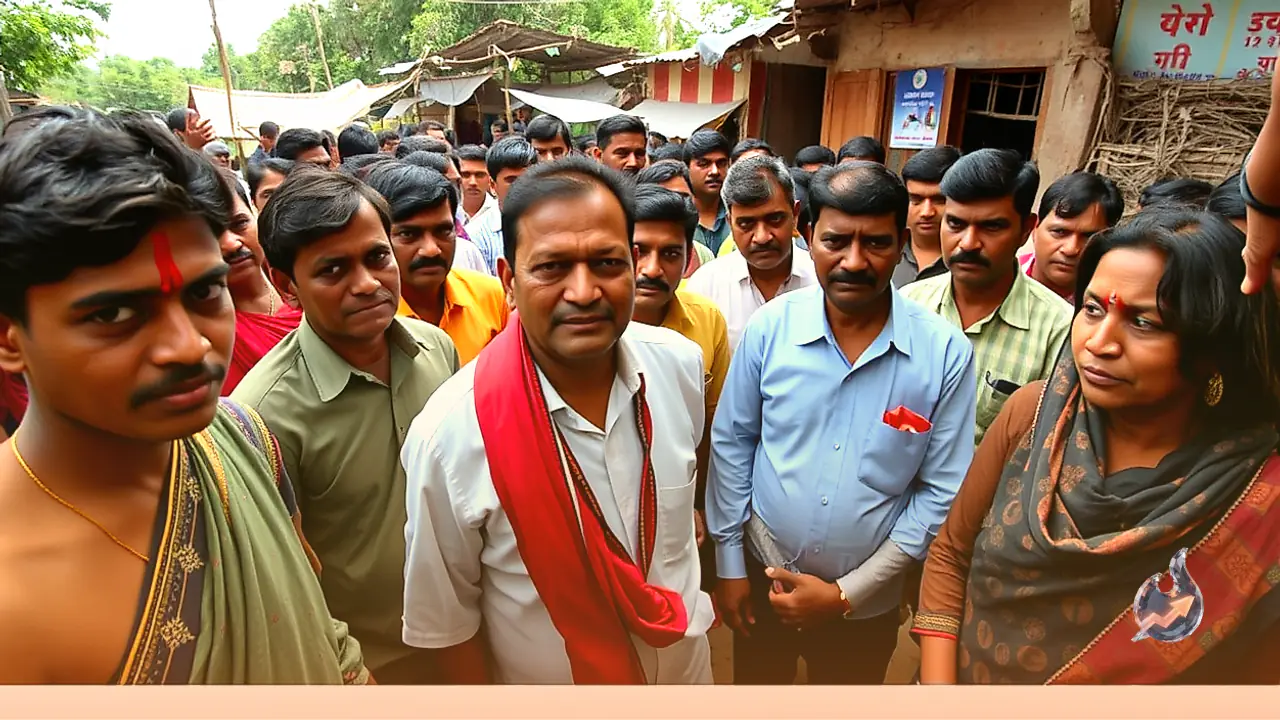















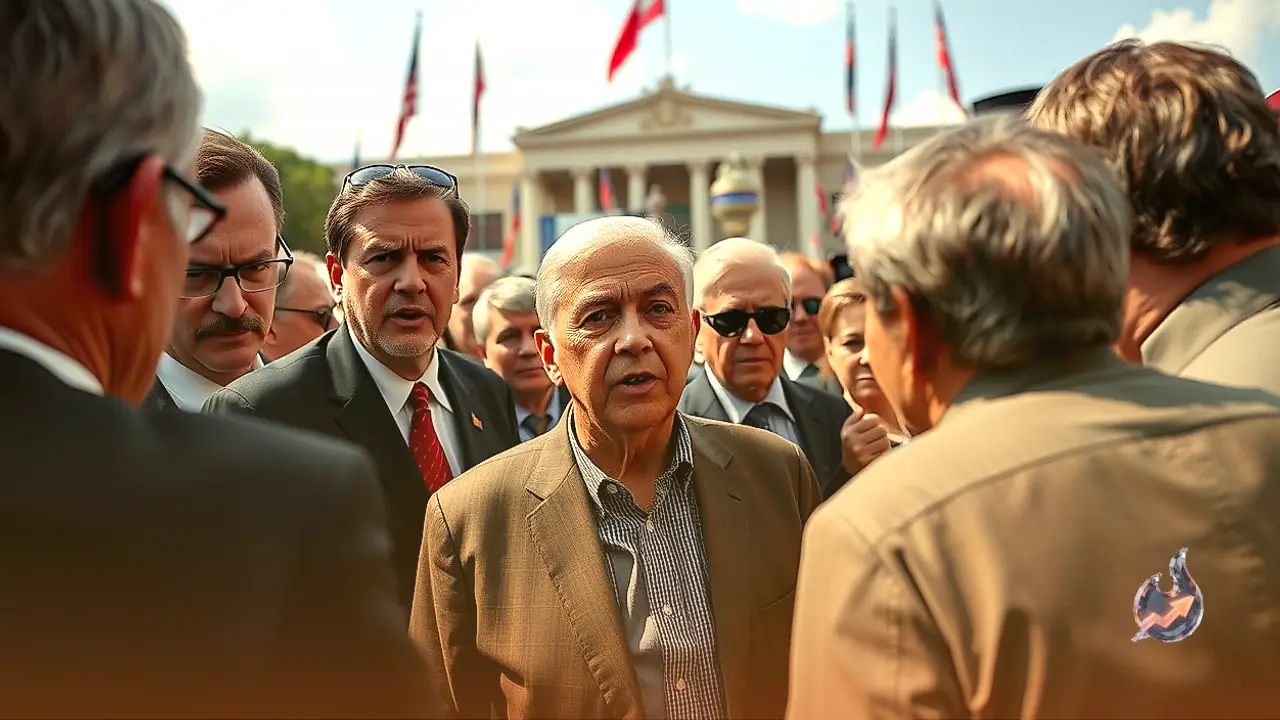

The political landscape is witnessing intense friction over the ongoing debate surrounding regime change. Following controversial remarks by lawyer Prashant Bhushan, a bitter war of words has unfolded between the ruling Bharatiya Janata Party and various opposition leaders. Amid protests staged in the national capital, prominent figures from both sides have engaged in sharp exchanges regarding democratic values, public unrest, and parallels drawn from international events.
Shivraj Singh Chauhan Slams Opposition Tactics
Union Minister Shivraj Singh Chauhan launched a scathing attack on the opposition over their recent protests. He asserted that realizing their inability to win elections due to a lack of public support, opposition figures are attempting to foster anarchy and divide the nation. According to him, such tendencies have gained momentum following the recent developments in neighboring Bangladesh. Attempts are being made to agitate citizens by spreading confusion, falsehoods, and rumors.
Taking a direct swipe at Rahul Gandhi, Chauhan remarked that he had never witnessed anyone who falsehoods as frequently, while describing other allied figures as mere pawns regardless of their names. He emphasized that a small faction of people aims to disrupt national peace, but reiterated that India is fundamentally different from Bangladesh. Highlighting respect for the ideals of Lord Ram and Lord Krishna's teachings on governance, he stated that such malicious attempts will fail and the nation will thoroughly reject these negative elements.
Vijay Wadettiwar Defends Protest And Change
Countering the ruling party's assertions, Congress leader Vijay Wadettiwar stated that the remarks made by Prashant Bhushan were not unfounded. He argued that given pressing domestic challenges such as rising inflation, mounting debt, widespread unemployment, farmer suicides, and the safety of women and young girls, a change in government is indeed necessary. He questioned why the administration feels threatened by peaceful protests and demonstrations.
Wadettiwar asked whether the government fears that the nation's youth will unite and take to the streets, thereby threatening the ruling establishment's grip on power. He warned that suppressing these movements will only cause them to expand further, leading to immense public anger against the authorities. Emphasizing that dialogue remains the core solution to any problem, he urged the administration to acknowledge public sentiment.
Pralhad Joshi Dismisses Comparisons With Neighbors
Weighing in on the demands for leadership overhaul, Union Minister Pralhad Joshi stated that India is an inherently democratic nation whose democratic foundations predate modern political entities or post-independence developments. He maintained that Indian citizens hold profound faith in democracy, ensuring that the country can never tread the path witnessed in nations like Pakistan, Bangladesh, or Nepal.
Referencing statements such as AISA प्रमुख नेहा बोरा ने कहा कि बांग्लादेश ने हमें प्रेरित किया है, Joshi pointed out the severe consequences witnessed abroad, including the forced ouster of elected leaders and subsequent targeted violence against minority populations. He questioned whether critics wish to replicate such models domestically, advising that aspiring leaders must engage in genuine grassroots labor rather than shortcuts to secure top positions.
Kapil Sibal Asserts Public Desire For Change
Rajya Sabha MP Kapil Sibal joined the discourse, countering government accusations by stating that the aspiration for political change originates from the common public rather than any single political party. He declared that the time for the current administration's departure has arrived. Asserting that peaceful demonstration is a fundamental citizen right, Sibal noted that when citizens feel government policies are flawed and their voices are ignored inside parliament, they must retain alternate avenues to register dissent.