


















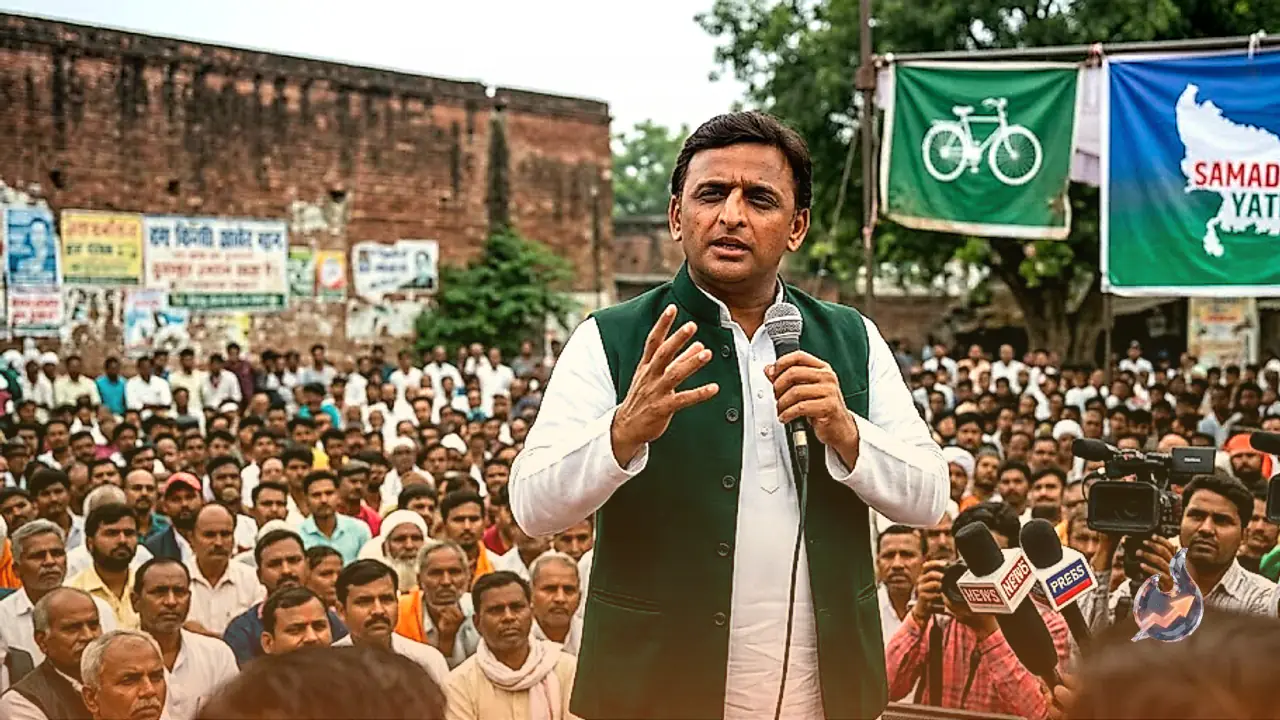

The political heat surrounding the upcoming 2027 Uttar Pradesh assembly elections has started building up early. A direct political showdown is unfolding between the ruling party and the main opposition Samajwadi Party as both sides lay down their groundwork to capture power in the state. Amid this intense atmosphere, Samajwadi Party national president and former Chief Minister Akhilesh Yadav has once again begun sharpening his primary political weapon, the PDA equation. By introducing a fresh definition for this formula, he has once again stirred up active debates across the state political landscape.
Connecting The Formula With Youth And Sports
During a recent event under the PDA Shikhar Abhiyan, Akhilesh Yadav gave the political acronym a tech-oriented and youth-centric makeover by linking it to sports and development as play, develop, and achieve. The core objective behind this shift is to engage young voters through adventurous activities and growth-oriented goals. Political observers note that the party keeps its strategic boundaries flexible to broaden its electoral base across different demographics.
Shifting Meanings From Previous Elections
A look back at the trajectory of this political acronym shows that its interpretations have evolved continuously over time. During the 2024 Lok Sabha elections, the abbreviation stood primarily for backward classes, Dalits, and minorities, a formula that helped the party secure a remarkable electoral performance. However, the party subsequently altered these parameters. On August 5, marking the birth anniversary of Janeshwar Mishra, the party leadership expanded the letter P to include Pandit or Brahmin, aiming to reach out to upper-caste voters and distressed segments within that community to widen its coalition.
Direct Confrontation Between The Ruling Party And The Opposition
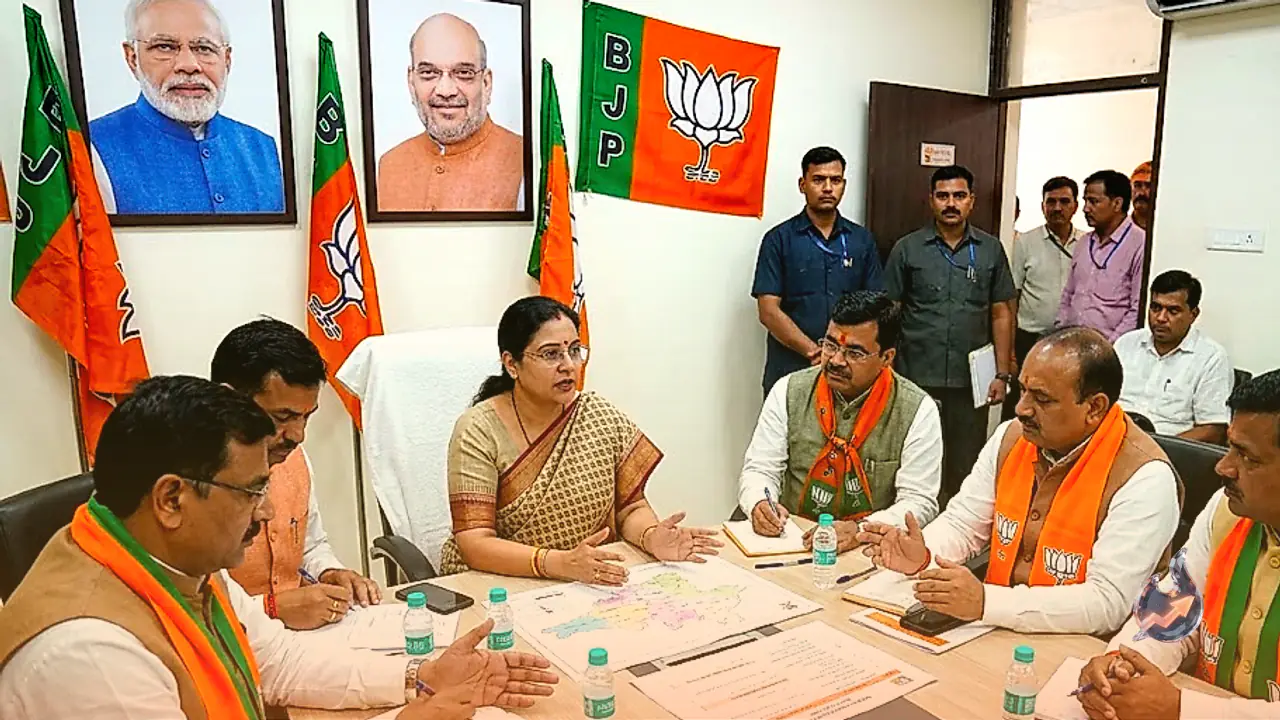
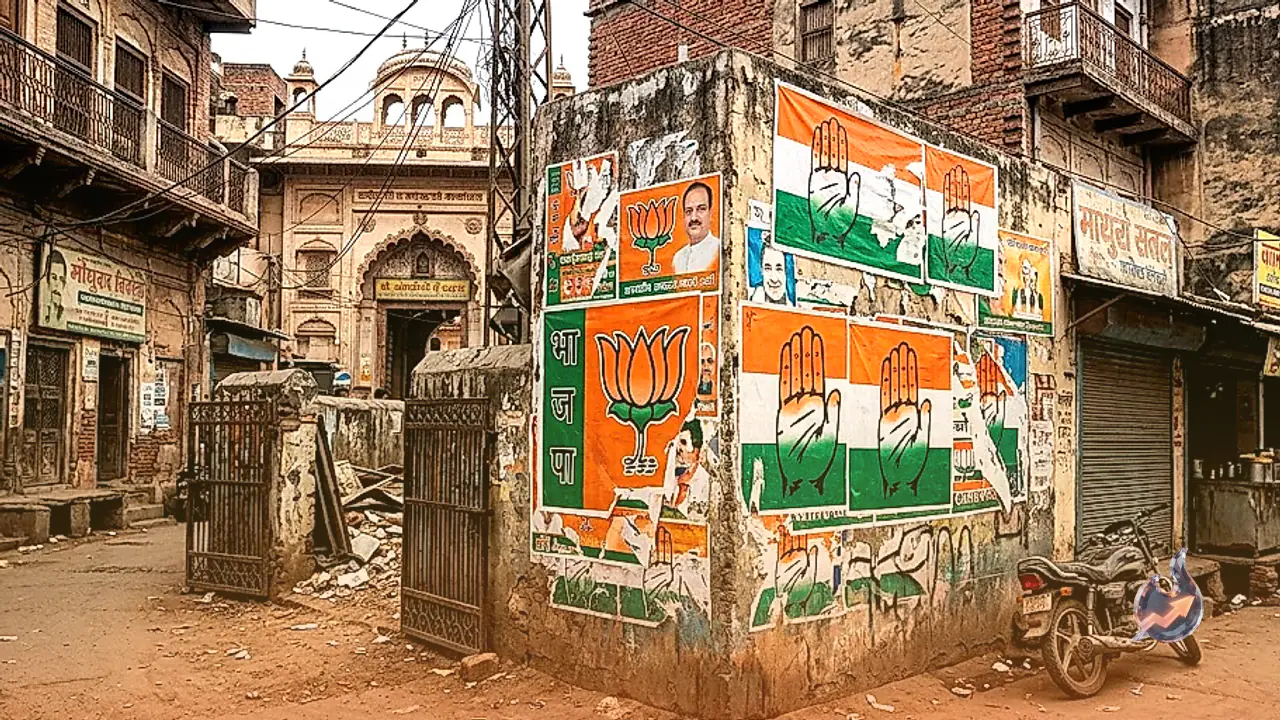
The ruling Bharatiya Janata Party has consistently dismissed these experiments as a mere political illusion and a form of dynastic or caste-based politics. The ruling side maintains that the electorate now votes strictly on governance, development, and law and order rather than confusing caste calculations. Conversely, the opposition camp firmly believes that this social justice framework serves as the strongest counter to the ruling party's Hindutva agenda. As the 2027 electoral battle draws closer, this terminology and its evolving interpretations will undoubtedly remain at the center of political discourse in the state. Chief Minister Yogi आदित्यनाथ has also maintained a sharp verbal attack, once again labeling the opposition party as a private limited company.