


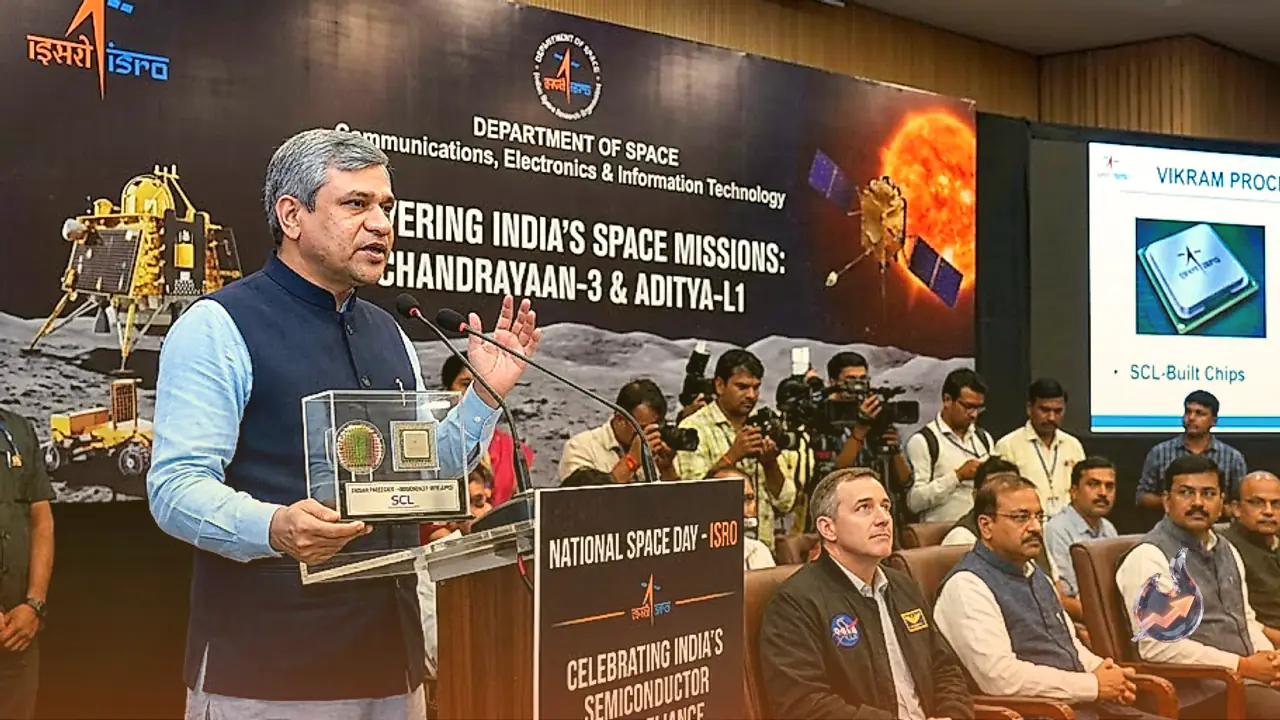















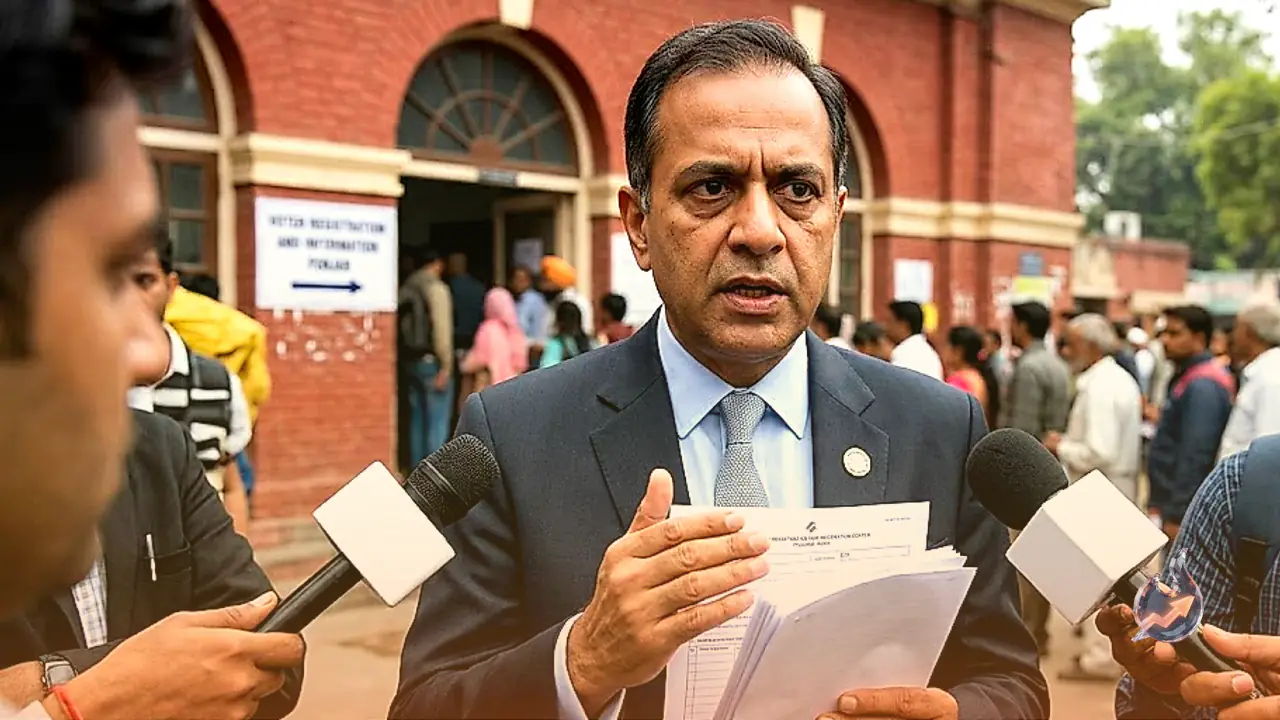

The Special Intensive Revision process implemented by the Election Commission to update and verify voter lists has drawn sharp questions from a former diplomat. Navdeep Suri, who has served as India's ambassador and high commissioner in multiple nations, has spoken out about his personal experience during the SIR procedure in Punjab, questioning the practicality of the rules for ordinary citizens.
Suri has previously served as India's ambassador to the United Arab Emirates and Egypt, and has also held the position of High Commissioner to Australia. Taking to the social media platform X, he detailed the series of events and circumstances he had to navigate through during the ongoing SIR exercise.
Extra Document Demands Despite Voter ID and Aadhaar
According to Suri, he initially visited his designated Booth Level Officer as part of the mandatory SIR protocol. He submitted his voter ID and Aadhaar card during this visit, and at that point, he was informed that his documents and details were entirely in order.
However, he subsequently received a message from a volunteer stating that some of his particulars did not match the archival voter list records from the year 2003. This prompted him to reach out to the BLO once again. He was called in to collect a formal notice and was instructed to furnish additional documents that could conclusively prove his Indian citizenship, which triggered his critique of the entire system.
Proving Citizenship After Representing India Globally
Suri explained to the authorities that he was not residing in India back in 2003, following which he was asked to present his passport as valid proof of citizenship. While he noted that he possessed multiple documents alongside his voter ID and Aadhaar and could successfully clarify his standing, he raised a fundamental ethical and logistical question.
He wrote in his posts that if an individual who has officially represented India across three distinct countries faces hurdles in proving their own citizenship, the plight of an ordinary citizen with limited documents and resources can only be imagined. This intervention by the former diplomat is expected to intensify the ongoing public and political debate surrounding the strict matching of legacy voter data within the SIR framework.
Special Intensive Revision is a comprehensive electoral verification and amendment drive initiated by the Election Commission to clean up voter rolls and ensure that only eligible voters remain listed. The drive was first rolled out in Bihar in June 2025, resulting in the removal of numerous entries, including deceased voters, followed by a large-scale revision drive in West Bengal ahead of assembly elections.
Under the guidelines of the exercise, voters whose names are untraceable in legacy electoral databases from 2002 or 2003 may be asked to submit supporting documents, forcing them to establish familial or documentary links to those older records.