


















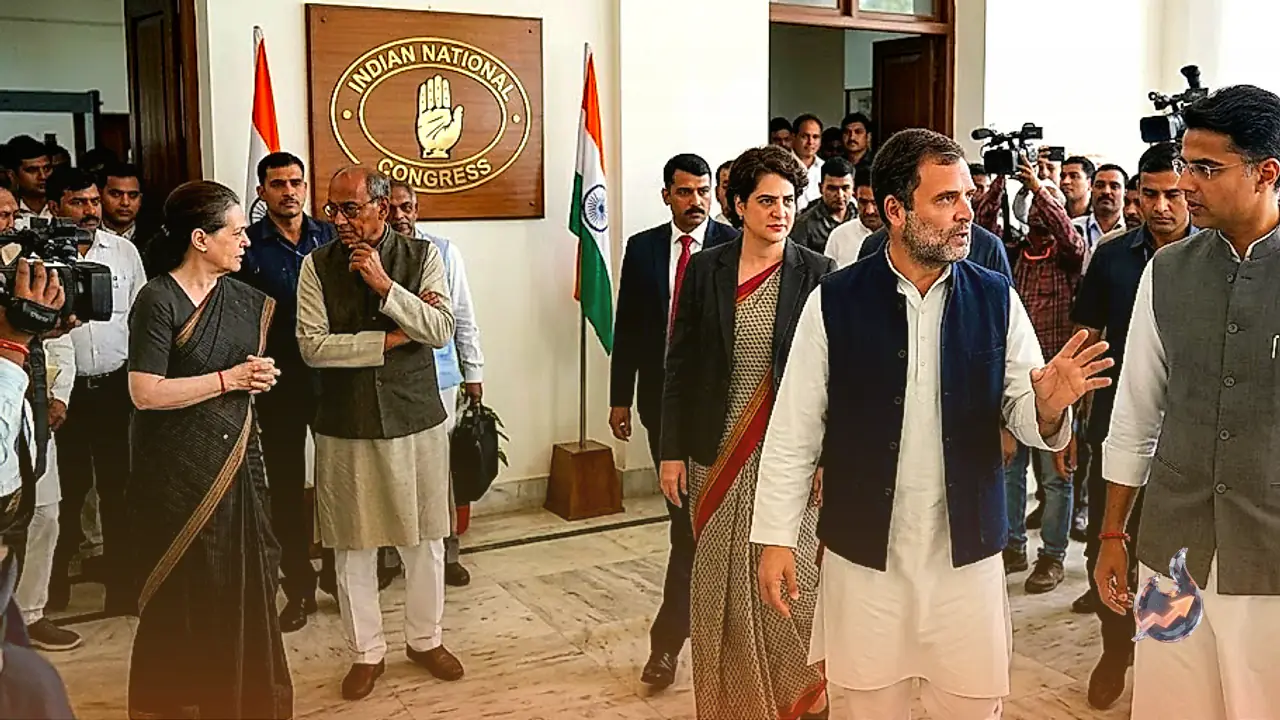

A defining organizational transformation is currently unfolding within the internal corridors of the Congress party. Veteran figures who maintained decisive influence over key policy choices and national strategies for decades are no longer wielding their familiar authority. Across regional strongholds ranging from Rajasthan to Punjab, the structural dynamics of the party are undergoing a visible overhaul. Seasoned stalwarts are finding their active responsibilities adjusted, while younger faces are being entrusted with critical state assignments. The evolving dynamic between generational experience and emerging leadership was highlighted during recent deliberations inside the Congress Working Committee, signaling that the party's center of gravity has decidedly shifted.
Sonia Gandhi's Firm Stand on Nitish Kumar Sparks Debate
During a recent session of the Congress Working Committee centered on formulating counter-strategies against political rivals and evaluating Chief Election Commissioner Gyanesh Kumar, an unexpected strategic debate surfaced. Senior leader Digvijaya Singh raised the issue of Nitish Kumar severing ties with the INDIA bloc prior to the 2024 general elections. Digvijaya Singh argued that the alliance leadership ought to have made greater efforts to retain Nitish Kumar, asserting that his retention would have altered the broader electoral landscape.
Sonia Gandhi offered an immediate and decisive counterpoint to that assessment. She noted that it was beneficial that Nitish Kumar exited the coalition early, pointing out that he had consistently been searching for an escape route out of the alliance. This candid exchange brought to the forefront the diminishing weight of conventional counsel from the old guard, underscoring that current leadership decisions are being driven by a more assertive and pragmatic assessment rather than lingering nostalgia for legacy alliances.
The Dissolution of the G-23 Dissident Coalition
Only a few years ago, an internal grouping termed the G-23 commanded national headlines by challenging the party's operational structure. Prominent veterans, including Ghulam Nabi Azad, Anand Sharma, and Kapil Sibal, collectively demanded widespread internal reforms and questioned the functional autonomy of Rahul Gandhi. That collective resistance sparked an extensive internal confrontation regarding organizational accountability and strategic direction.
Today, the landscape that allowed that challenge to materialize has altered drastically. Ghulam Nabi Azad and Kapil Sibal have departed the party entirely, while Anand Sharma no longer occupies a commanding position within top-tier operational mechanisms. Consequently, even if internal dissent were to re-emerge under the guise of an expanded faction like G-23 or G-25, its political leverage would be severely constrained. The organizational apparatus is no longer susceptible to the collective pressures once exerted by legacy dissenters.
Youth Outreach Through the Chhatron Ki Goonj Initiative
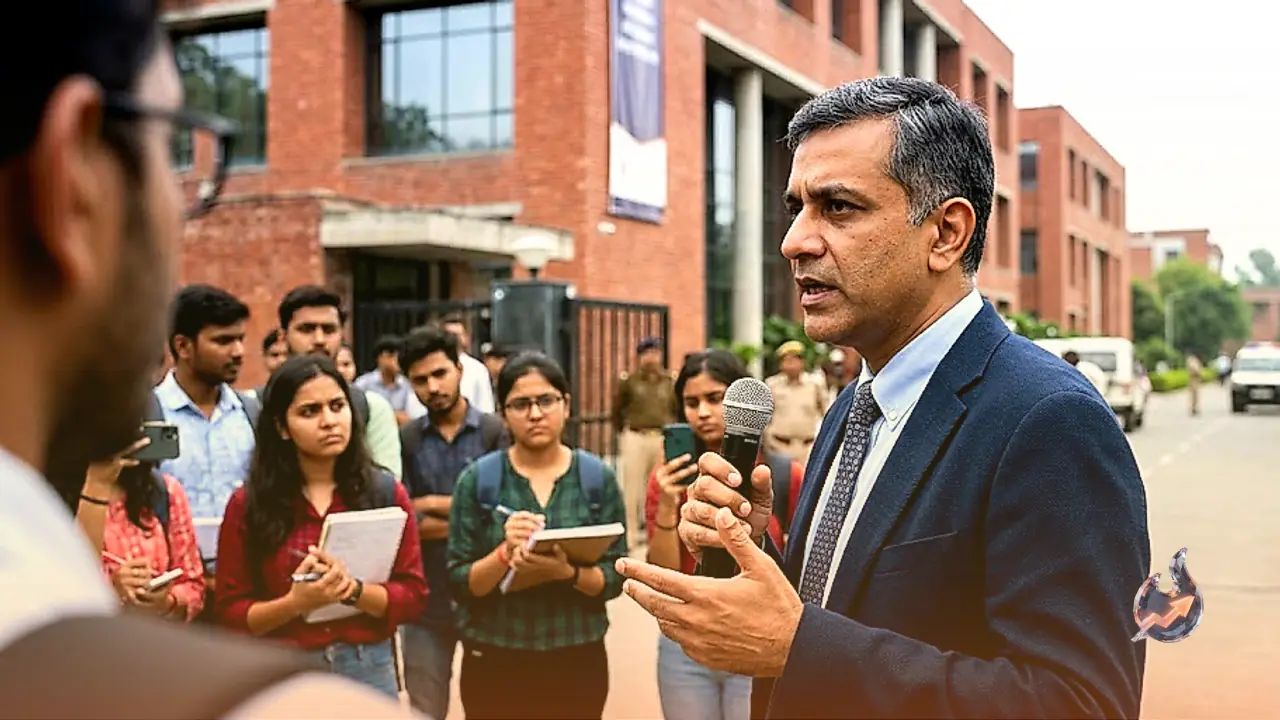
A central pillar of the emerging Congress paradigm under Rahul Gandhi involves building direct channels of communication with students and early-career voters. The ongoing 'Chhatron Ki Goonj' campaign exemplifies this strategic transition, steering away from massive, highly staged public rallies toward targeted, issue-focused interactions. Town hall sessions and student dialogues have been conducted across major academic and competitive examination hubs, including Kota, Pune, Prayagraj, and Indore.
Rather than delivering scripted speeches from distant podiums, these forums prioritize unmediated interactions concerning systemic exam paper leaks, rising unemployment, and infrastructural deficits in public education. By listening directly to young candidates, Rahul Gandhi is deliberately positioning the organization around youth concerns. This outreach reinforces the internal expectation that emerging demographics and new personnel will secure a far larger say in framing future policy objectives.
Sachin Pilot Entrusted with Resolving Punjab Factionalism
The strategic empowerment of the younger tier is clearly evidenced by recent organizational decisions in Punjab. The state unit had been crippled by protracted internal friction between Amarinder Singh Raja Warring and Charanjit Singh Channi, preventing the state leadership from functioning as a cohesive unit. The party high command initially tasked Bhupesh Baghel with containing the dispute, but resolving the impasse required an alternative operational approach.
Sachin Pilot was subsequently designated as the general secretary in charge of Punjab. Pilot carried out comprehensive one-on-one evaluations across the state cadre, aggregated primary organizational feedback, and submitted his direct findings to the central leadership. The high command subsequently sanctioned the removal of Amarinder Singh Raja Warring from the state presidency. Entrusting Pilot with this delicate assignment underscores the high command's growing reliance on younger managers to handle volatile state units.
Repositioning Veteran Stalwarts Like Gehlot and Baghel
For several political cycles, Ashok Gehlot functioned as one of the party's most reliable trouble-shooters, notably navigating the high-stakes political crisis in Rajasthan in 2020 as well as the succession dispute surrounding the chief minister's post in 2022. Similarly, following his tenure as chief minister of Chhattisgarh, Bhupesh Baghel was deployed widely across national organizational tasks. Both figures represented the apex of seasoned administrative authority within the Congress apparatus.
Yet, the decision to assign the Punjab portfolio to Sachin Pilot instead of retaining Bhupesh Baghel marks an undeniable realignment of operational responsibilities. While this adjustment does not signal the retirement of veteran leaders, it unambiguously reflects a conscious effort to establish younger executives at the forefront of decisive state interventions. The organizational hierarchy is actively broadening the scope for the next generation rather than deferring exclusively to established regional bosses.
Operational Freedom for Rahul Gandhi and His Core Team
The collective evidence from recent internal developments points to an undeniable conclusion: Rahul Gandhi now exercises far greater strategic freedom in guiding party affairs. The advice of the old guard no longer constitutes the final determinant of party strategy. By placing leaders like Sachin Pilot in demanding regional roles and prioritizing direct youth campaigns over traditional formats, the Congress leadership is pivoting toward an altered political architecture. The decision-making authority has transitioned firmly into the hands of Rahul Gandhi and his aligned cadre.