


















When exploring the vibrant realm of traditional Indian ethnic wear, festive wardrobes often gravitate toward grand three-piece ensembles featuring a sweeping lower skirt, a fitted blouse, and an accompanying drape. These outfits remain staple choices for weddings, major family gatherings, and high-energy folk dance evenings such as Navratri and Garba. Because both silhouettes share an identical visual framework comprising a long skirt, a blouse, and a stole, many shoppers and observers treat the terms interchangeably. However, seasoned fashion curators recognize that structural tailoring, regional lineage, ornamental craftsmanship, and styling traditions create clear distinctions between these two iconic garments.
Cultural Origins and Regional Lineage
The foremost distinction between the two garments lies in their heritage and cultural landscape. One ensemble is deeply anchored in the folk traditions of western India, particularly across Gujarat and Rajasthan. In regional dialects, the term for the skirt reflects this local rural identity, and the outfit is historically worn during Navratri festivities and energetic Garba-Dandiya dance nights. Its essence celebrates community warmth, rural textiles, and regional folk customs.
Conversely, the counterpart silhouette carries a much broader geographic and imperial footprint across northern India, holding enduring prominence in regions like Uttar Pradesh, Delhi, and Punjab before spreading nationwide. During the Mughal period, this attire achieved elite prestige in royal courts, evolving over generations into the undisputed centerpiece for formal wedding ceremonies and grand banquets across India.
Stitching Architecture, Flare, and Silhouette Structure
A closer look at how each lower garment is cut and tailored reveals distinct functional objectives. The folk skirt is engineered primarily for freedom of movement and lightweight ease, allowing dancers to spin, twirl, and step comfortably through fast-paced rhythms. It traditionally incorporates an expansive flare and highlights indigenous artisan methods, including handmade seam-work, fabric patchwork, and regional weaving traditions that prioritize breathability over rigid form.
In contrast, the ceremonial bridal-style skirt is significantly more structured, heavy, and meticulously fitted along the waistline. Tailored specifically for formal receptions and wedding altars, it features sophisticated designer patterns such as A-line, fishcut, paneled, or full circular cuts. To achieve an opulent, voluminous ball-gown shape, layers of stiff can-can netting are typically stitched into the underskirt, lending it an imposing architectural stance.
Embroidery Traditions and Color Palettes
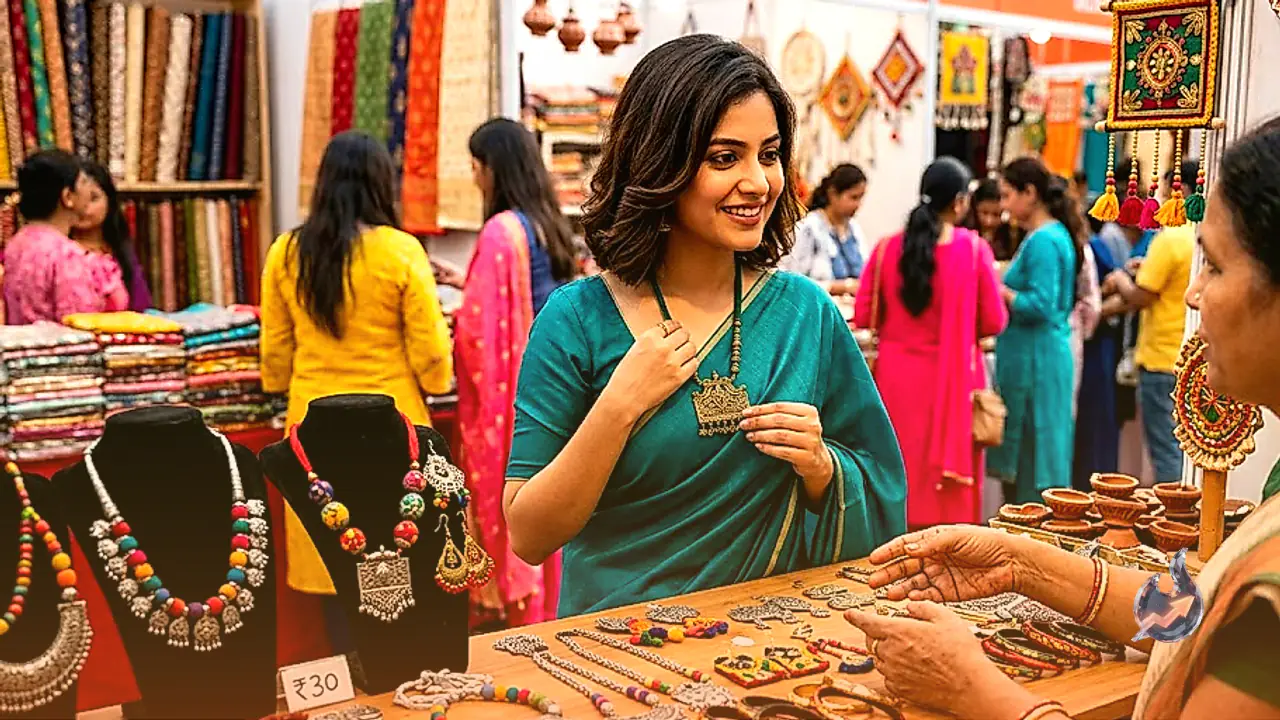
Ornamentation and decorative craftsmanship also highlight the diverging personalities of the two garments. The folk-rooted attire thrives on lively, energetic handcrafts that showcase authentic rural art forms. Garments of this style frequently boast mirror work, Akbari thread details, Abha techniques, patchwork, bandhani tie-dye prints, leheriya stripes, and traditional gota-patti borders. Its chromatic identity is unapologetically vivid, leaning heavily into energetic festive hues like bright yellow, deep red, radiant green, and vibrant rani pink.
On the other hand, the courtly bridal silhouette is defined by elaborate, luxurious embellishments that demand intense manual labor. Craftsmen adorn these pieces with heavy zardozi, metallic zari threads, gota, cutdana beads, glittering sequins, and intricate silk thread needlework. In modern haute couture, its color palette spans from regal classic tones like maroon, navy blue, and deep crimson to sophisticated contemporary pastels such as soft lavender, mint green, and muted peach.
Drape Aesthetics and Styling Approaches
The handling and styling of the coordinating stole or veil introduce yet another clear separation. In the folk variation, the stole, often called an odhani or pachhedi, follows time-honored draping customs. In the traditional Gujarati manner, the fabric is pleated across the torso into a front-facing pallu, or neatly drawn overhead to provide ease and security while dancing.
By comparison, the formal ceremonial ensemble embraces a multitude of modern draping conventions. The stole can be pinned crisply across one shoulder, draped fluidly down the back, or cinched cleanly at the waist with an ornate belt or kamarbandh. Furthermore, the contemporary trend of styling double stoles simultaneously, with one draped over the torso and a lighter sheer veil placed atop the head, has become an exclusive hallmark of this lavish wedding attire.
Selecting the Ideal Outfit for Your Event
In essence, the folk-inspired garment embodies festive joy, effortless rhythm, and colorful comfort, making it the definitive choice for dynamic celebrations and communal dances. Meanwhile, the regal ceremonial gown represents formal magnificence, sophisticated tailoring, and bridal majesty. Understanding these specific structural and cultural nuances ensures that festive shoppers select the appropriate garment aligned with the gravity and energy of each occasion.