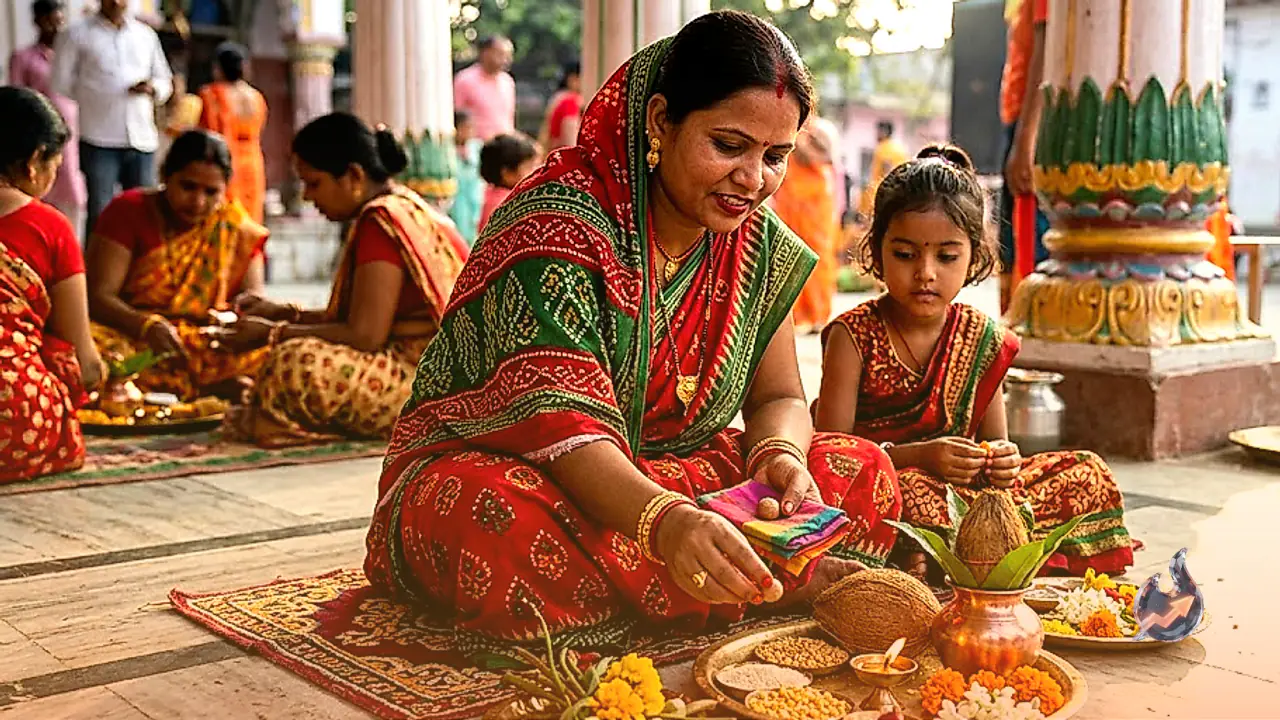





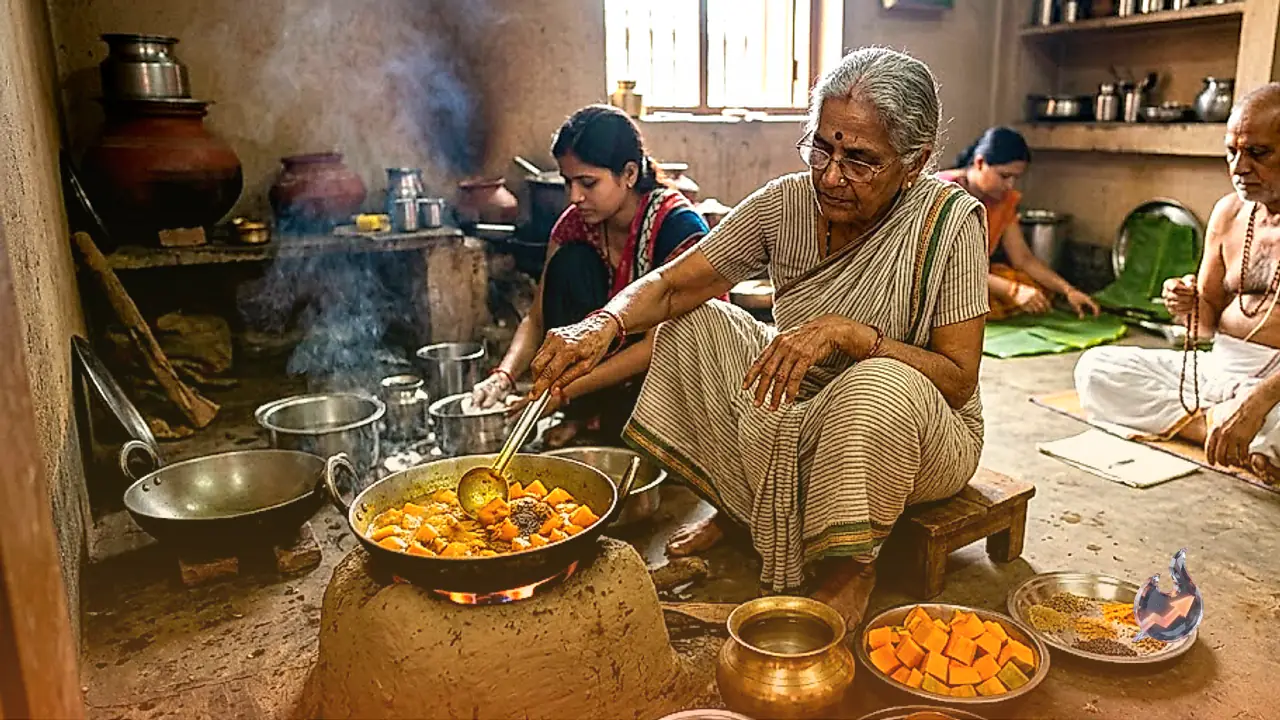















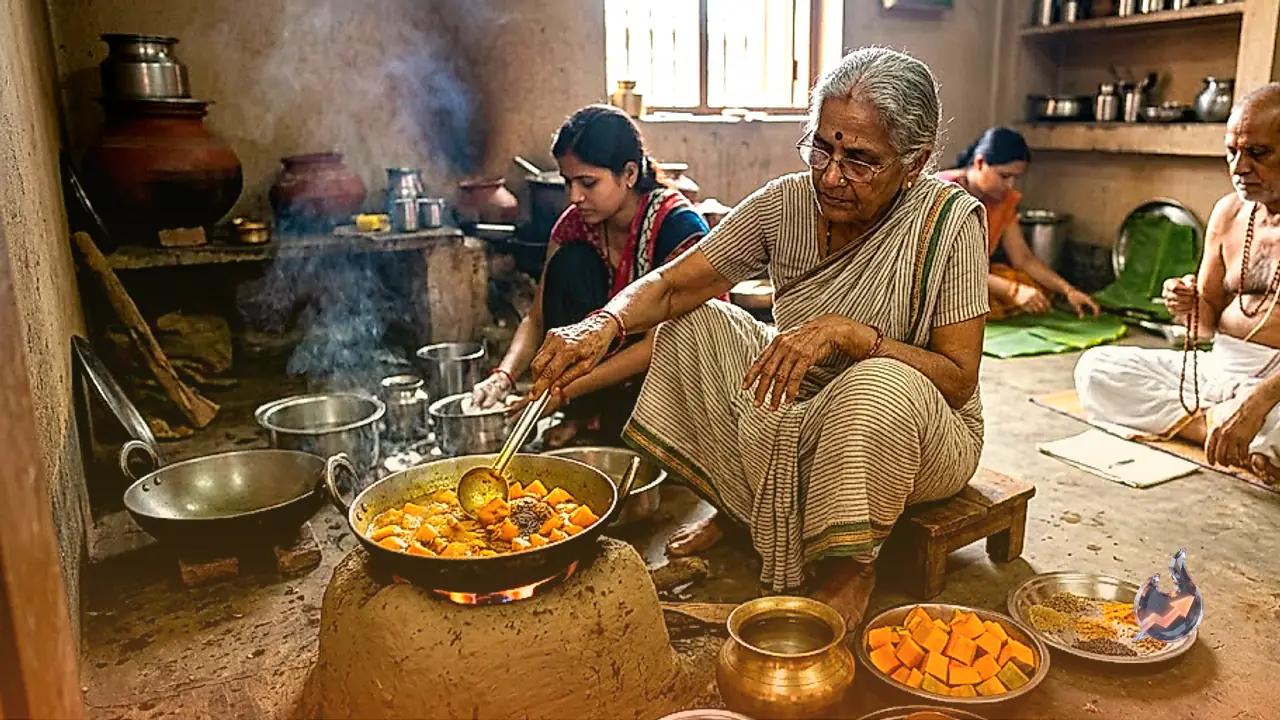

During Pitru Paksha, observant Hindu families dedicate themselves to honouring their departed ancestors with reverence and gratitude. Alongside sacred rituals like Tarpan and Pind Daan, strictly regulated dietary customs form an essential part of these memorial days. Central to these observances is the traditional Brahmin feast prepared in memory of the forefathers. Among the various items served on the ceremonial plate, dishes made from pumpkin hold a remarkably distinguished position, with many households considering the ritual meal incomplete without this pure and wholesome vegetable.
The Principle Of Satvik Food And Ancestral Contentment
According to age old spiritual beliefs, any food prepared for the ancestors must strictly adhere to satvik qualities, remaining completely free from stimulating or heavy influences. In Shraddh culinary practices, the use of onion and garlic is strictly forbidden. Pumpkin stands out because it can be easily crafted into an exceptionally delicious, sweet and sour preparation without relying on onion, garlic, or excessive heating spices. Tradition holds that offering such light, pure, and meticulously prepared food brings spiritual satisfaction to ancestral souls, who in turn bestow blessings of harmony, peace, and prosperity upon the household.
Identity As Kashiphal And Medicinal Significance
Having its botanical origins in the Americas, this versatile produce has seamlessly embedded itself into the core of Indian culinary heritage over centuries. Across different regions of India, it is popularly known by diverse names including Kashiphal, Kumhra, and Petha. Traditional Ayurvedic wisdom categorises pumpkin as a beneficial medicinal fruit owing to its balancing and easily digestible properties. During the period of Pitru Paksha, when disciplined and moderate living is prescribed, its gentle nutritional profile aligns naturally with the intended spiritual lifestyle.
Cultural Beliefs And Family Customs Surrounding Pumpkin
Fascinating regional customs and folk beliefs also surround the handling of pumpkin in various parts of India. In certain communities, pumpkin is culturally revered as a symbol of the family elder son. Because of this symbolic association, women in many traditional homes refrain from cutting a whole pumpkin directly. Instead, a male member of the household is customarily called upon to make the initial cut, slicing the vegetable into two halves. Only after this initial step do women take over to chop it into smaller pieces for cooking.
The Custom Of Pairing Before Slicing
Furthermore, in several regional cultures, cutting a solitary pumpkin on its own is avoided as an inauspicious gesture. To honour this custom, families make it a practice to pair the pumpkin with another item before slicing it open. A lemon, green chillies, or another companion vegetable is placed right next to it to form an auspicious pair. These enduring customs demonstrate how deeply everyday culinary ingredients have been woven into the fabric of familial respect, regional folklore, and ancestral worship across India.